
- Chemical composition, nutritional value and caloric content of peanuts
- How to choose a high-quality and fresh product
- The health benefits of peanuts
- For women
- For men
- For children
- Rules for eating
- Daily intake
- Indications for use
- When losing weight
- For diabetes
- For gastrointestinal diseases
- From pressure
- For cough
- To increase potency
- Harmful effects of peanuts and contraindications
- Allergic reaction
- Antinutrients
- Aflatoxin poisoning
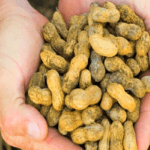
Peanuts, also known as groundnuts, are a legume. The nuts themselves are small, round, and covered in a thin red skin. The benefits and harms of peanuts are determined by their chemical composition, which is why they are even included in dietary nutrition.
Chemical composition, nutritional value and caloric content of peanuts
It's hard to deny the benefits of peanuts. This product is rich in vitamins and minerals, without which the body cannot function properly.
Chemical composition of nuts:
- magnesium;
- zinc;
- phosphorus;
- potassium;
- sodium;
- selenium;
- copper;
- iron.
The product contains vitamins C, PP, D, and E. In addition, peanuts contain all the B vitamins.
Although the product is high in calories, with 552 kcal per 100 g, it is recommended to include it in dietary nutrition in small quantities. The product quickly saturates due to the content of fatty acids: linoleic, arachidonic, folic.
How to choose a high-quality and fresh product
It's easy to visually identify a quality product. If the nuts are stale, it will be immediately noticeable. Expired peanuts are usually wrinkled and soft.
How to choose good peanuts:
- The nuts are not wrinkled, they are hard to the touch, and the surface of the skin is smooth.
- The skin is easy to peel.
- There are no damages, stains or dents on the nuts.
- Quality peanuts are never wet.
- If the peanuts are still in their shells, they will make a dull sound when shaken. If the sound is ringing, the nuts are old.
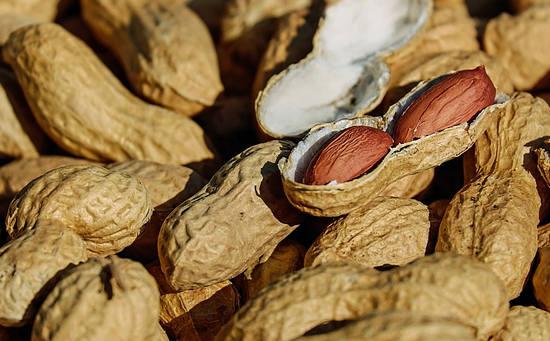
Different varieties of peanuts have different flavors. The fruits of some varieties are tasteless. The nuts can be round or elongated.
The health benefits of peanuts
Peanuts are very beneficial for humans. They provide the body with all the necessary vitamins and microelements.
For women
For women, including nuts in their diet is beneficial because they help normalize hormonal balance. Thanks to their fat and phytoestrogens, the body copes more easily with periods of hormonal changes.
If you eat 50 grams of nuts every day, your blood pressure will return to normal and your blood vessels will become stronger and more elastic.
The risk of atherosclerosis is reduced. "Bad" cholesterol is also eliminated from the body. Including peanuts in your diet helps improve productivity and alleviate irritability, stress, and apathy. The product normalizes gastrointestinal function and improves intestinal motility.
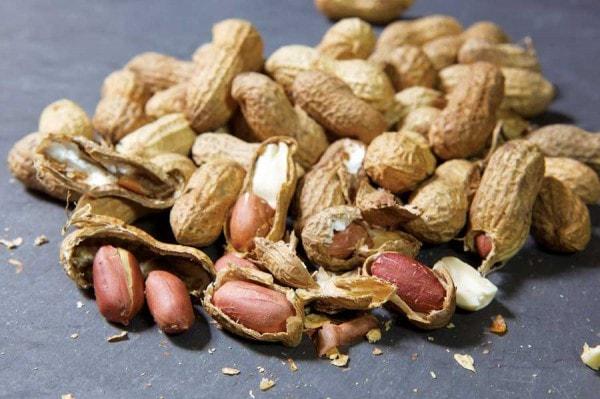
Peanuts are quickly filling, allowing you to feel fuller for longer. They also boost metabolism and are considered a food that helps prevent the development of cancer cells.
For men
Men can also benefit from including peanuts in their diet. Peanuts help strengthen the heart muscle, improve the elasticity of blood vessels, and reduce the risk of heart disease.
Peanuts are also beneficial for men because they help improve potency. They also help relieve the symptoms of adenoma and prostatitis.
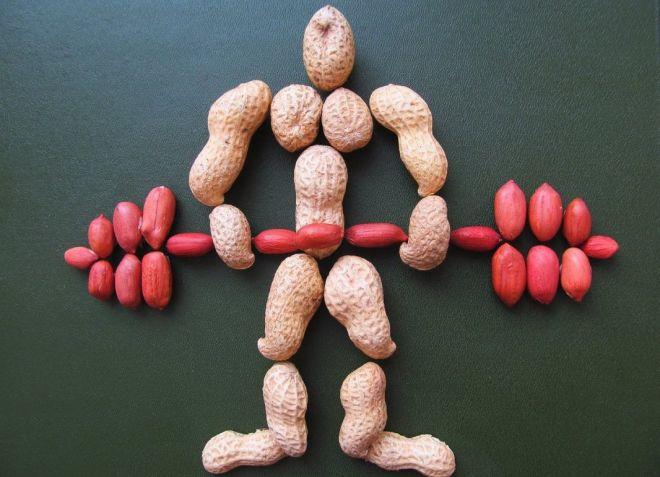
Peanuts can also help improve your figure. They're beneficial for those looking to build muscle mass. Furthermore, including peanuts in your diet can help your muscles recover faster. One of the most common problems for men is baldness. Peanuts contain biotin, which helps the body cope more quickly with stress, nervous tension, and emotional depression. All of these conditions create a tryptophan deficiency in the body, which can lead to hair loss.
For children
Peanuts are beneficial for children, just like adults. Children typically have weak immune systems, and nuts help boost their resistance to disease.
It's recommended to include peanuts in children's diets during the learning period. Peanuts improve brain function, memory, and attention. They also have a positive effect on vision and hearing.
Peanuts are beneficial for preschool and primary school-aged children. They promote growth. It's recommended to introduce peanuts to children aged 5 and older. Peanuts are considered an allergen, so it's not recommended to give them to young children.
Rules for eating
Although peanuts are a healthy product, you need to know how to eat them properly.
Which peanuts are healthier: raw or roasted?
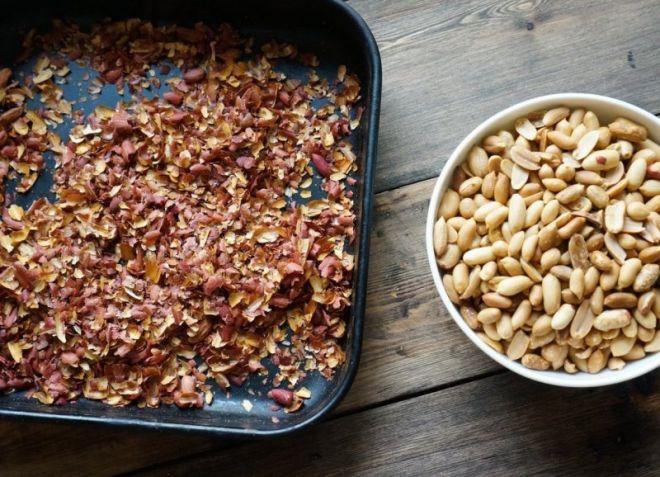
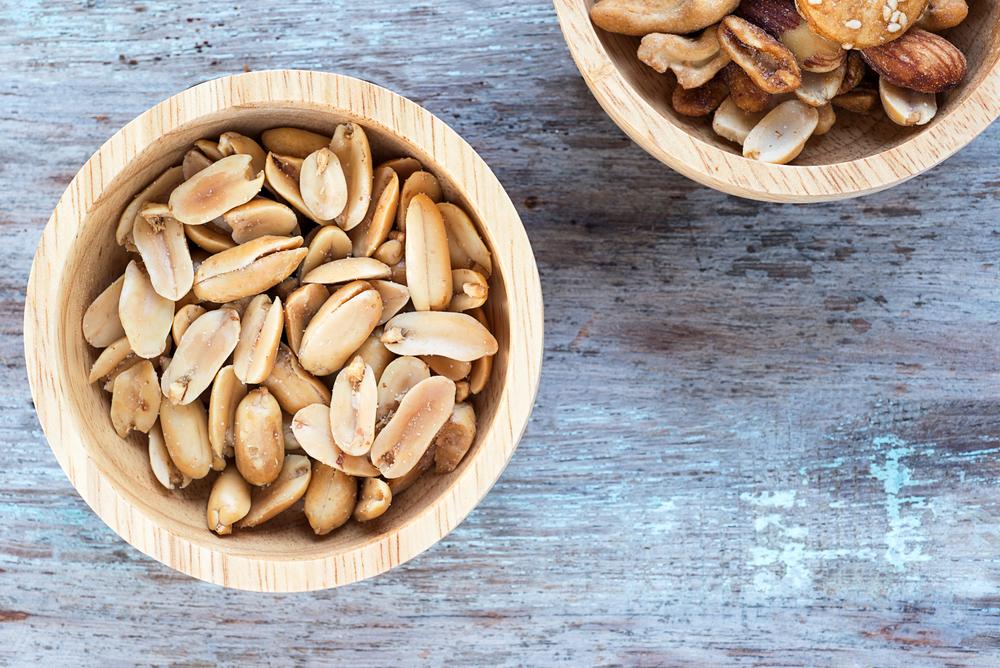
Nuts are typically eaten roasted or raw. It would seem that cooking would cause a significant loss of nutrients. But this isn't the case with peanuts. Raw nuts are difficult to peel, and the skins are considered allergenic. Furthermore, ingesting raw nuts can disrupt digestion.
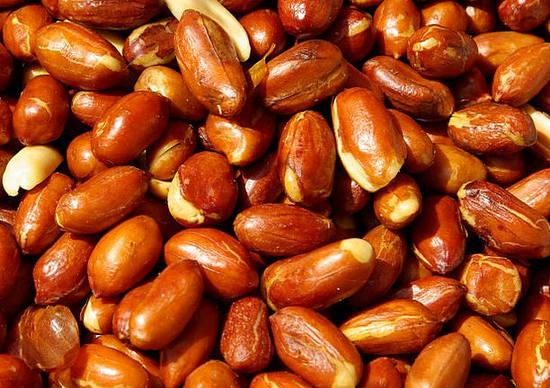
Roasted peanuts are healthier than raw ones. The skins are easy to peel, and roasted nuts contain significantly more nutrients. Roasted nuts are also tastier than raw ones. Although some people may prefer raw nuts, too.
Another argument in favor of roasting nuts before eating is that the plant is often contaminated with fungi. Roasting kills these fungi and does not cause any harm.
Daily intake
Peanuts are high in calories, so eating them in unlimited quantities isn't surprising if you experience significant weight gain. Just 100 grams contains 552 kcal. It's recommended to consume no more than 30 grams per day. Like other nuts, peanuts are most often eaten as a snack.
Indications for use
To improve health and relieve symptoms of certain diseases, peanuts are included in the daily diet. However, using these products as treatment is contraindicated. They only improve a person's condition while taking medications.
When losing weight
Like all nuts, peanuts are high in calories. However, they are considered a dietary food due to their high fiber and protein content. Protein helps build muscle mass.
Dietary fiber helps quickly fill you up and curb hunger. On average, it's recommended to eat no more than 30 g per day. This amount can be increased, but you'll need to cut calories at other meals to stay within your daily calorie intake.
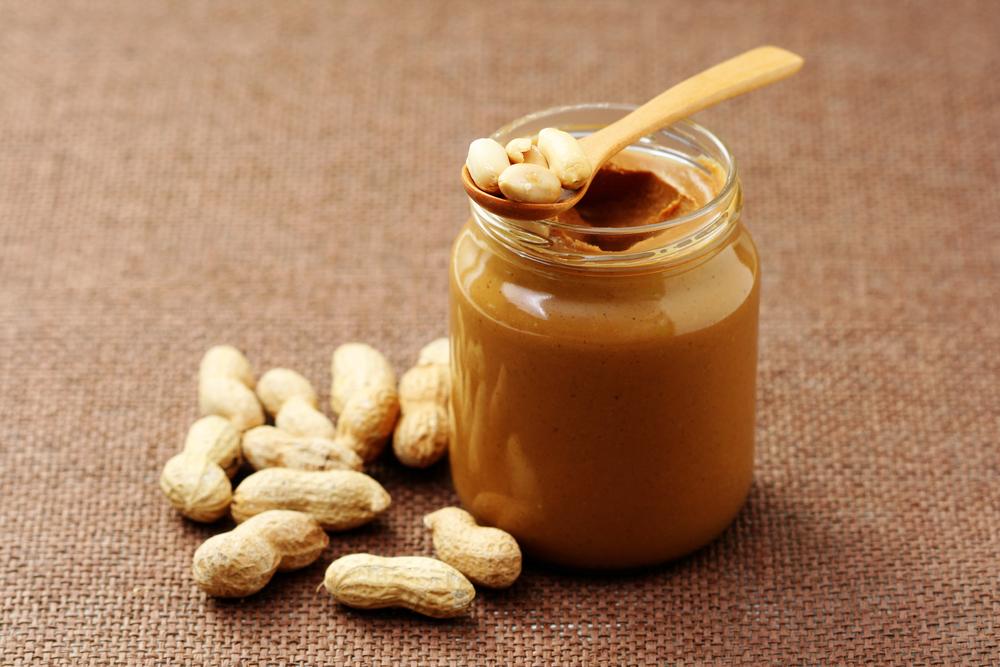
Another healthy product is peanut butter. For weight loss, you should buy peanut butter that doesn't contain sugar or other additives. The best ingredients are peanuts and salt. The fewer ingredients, the better. Like fresh peanuts, peanut butter is high in calories, so it should be eaten in small quantities, preferably in the morning for breakfast.
For diabetes
Diabetes is a condition that requires constant monitoring of diet. Many foods are off-limits for diabetics.
As for peanuts, they're safe for diabetics. They have the ability to lower blood sugar levels.
Nuts also help normalize metabolism, which is especially important for type 2 diabetes. Although roasted nuts are healthier than raw ones, it's best to eat them raw if you have diabetes.
For gastrointestinal diseases
Nuts have a choleretic effect, so they are recommended for those suffering from cholecystitis. Conversely, this product is contraindicated for those with gastritis. Even if a healthy person experiences heartburn after eating nuts, it is advisable to eliminate them from the diet altogether.
It is not recommended for those with stomach ulcers. Nuts contain high levels of acids, which can adversely affect the stomach.
From pressure
Peanuts' effectiveness in reducing high blood pressure has long been proven. They contain arginine, which promotes the production of nitric oxide. Nitric oxide, in turn, is a vasodilator, which lowers blood pressure.
High blood pressure is associated with lipids—fats found in food. They contribute to elevated cholesterol levels, which often leads to high blood pressure. Peanuts lower cholesterol levels and lead to lower blood pressure.
For cough
Surprisingly, ordinary peanuts can help with a lingering dry cough. Roasted peanuts are added to rice porridge and eaten. Although this remedy is hardly medicinal, and eating the porridge alone won't cure a cough, this recipe can provide relief. It should be used in conjunction with medications and only if the cough isn't caused by a serious illness.
To increase potency
Men especially benefit from regularly eating nuts. Not only does it reduce the risk of infertility, but it also helps improve potency. This benefit is due to its high content of vitamin PP. 100 grams of nuts contain almost the entire daily requirement of this vitamin.

Nuts also contain zinc, which helps restore hormonal balance in men. It also helps improve sperm composition and has a positive effect on reproductive cell activity.
Harmful effects of peanuts and contraindications
Peanuts' health benefits are nothing new, but they also have some harmful properties. Certain groups of people should avoid them, for example, if they have an allergy to them.
Allergic reaction
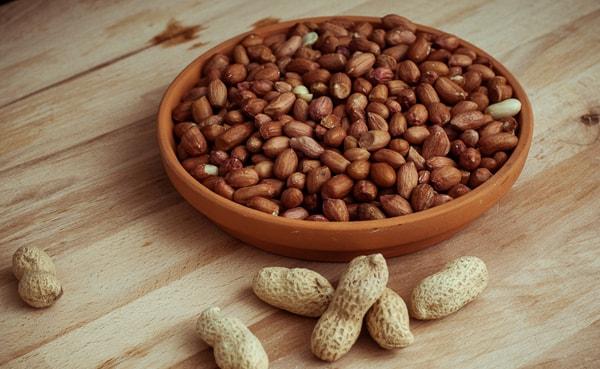
Peanuts are considered an allergenic food, especially the skin that covers the fruit.Allergies to this product are often hereditary, so it's best to play it safe and avoid eating nuts if someone in your family has an allergic reaction.
If a child has an allergy, it resolves in 20% of cases by adulthood. Typically, allergy symptoms recur after the second exposure.
The first time you eat a handful of nuts, your body determines whether the product is safe or not. The second time, you may experience redness, sneezing, and coughing. You can determine if you have an allergy simply by smelling the product or holding it in your hands. If you have an allergy, you'll experience a burning or tingling sensation on your hands, and you'll begin sneezing or coughing violently.
Antinutrients
In addition to the nutrients, peanuts contain antinutrients that interfere with the proper absorption of beneficial micronutrients. Phytic acid is the primary inhibitor. This substance reduces the body's absorption of iron and zinc. This is another reason to limit the amount of nuts you consume. Excessive consumption can lead to a deficiency in these nutrients, which can lead to problems with your body's functioning.
Eating nuts along with foods containing vitamin C can help reduce the negative impact of phytic acid on the body.
Aflatoxin poisoning
Plants are often infected with the Aspergillus fungus. This fungus produces a substance called aflatoxin. It's dangerous because, when ingested in large quantities, it can contribute to liver cirrhosis and liver tumors. Frying the product can kill the fungus.
If aflatoxin enters the body in large quantities at once, poisoning occurs. Symptoms are similar to those of regular poisoning. Additionally, central nervous system symptoms are also observed. Coordination is impaired, and seizures may occur. In some cases, liver pain may occur. At the first sign of poisoning, call an ambulance immediately.
Related posts:
 How to plant and grow peanuts at home in your garden
 How to properly store peanuts at home, expiration dates and necessary conditions
 Guidelines for growing peanuts outdoors in Siberia
 How to grow peanuts in a country house in the middle zone: the intricacies of planting and care
 How to dry peanuts quickly and correctly in the oven
 Description of the 8 best types and varieties of peanuts, the subtleties of growing them
 Description and characteristics of the 30 best hazelnut varieties, cultivation
 The benefits and harms of walnuts for the body, contraindications