
- Are peanuts grown in central Russia?
- The best varieties for the Moscow region
- Features of planting and growing crops
- Preparation of seed material
- Selecting a site for planting
- Optimal soil composition
- Recommended Predecessors
- Sowing technology
- Specifics of the seedling method
- We organize competent care
- Watering
- Hilling, loosening and weeding
- Fertilization
- Protection from diseases and insects
- Harvesting peanuts
- Tips from experienced gardeners: how to get a great harvest
Groundnuts are a herbaceous southern plant with an annual growing season, belonging to the legume family. Peanuts are rarely grown outside of industrial production, especially in temperate climates. Gardeners are daunted by the complex cultivation techniques of this exotic plant and the need for careful preparation. However, by carefully studying how to grow peanuts in central Russia at a dacha, even an amateur can reap a bountiful harvest of peanuts.
Are peanuts grown in central Russia?
Moderate climate conditions, rainfall, and soil structure make it possible to grow peanuts in temperate regions. Agricultural practices do not vary by latitude, but they do have some peculiarities. A cold spring may warrant a later planting to prevent damage to seedlings from overnight frosts. Initially, the crops can be covered with plastic or a temporary greenhouse can be set up.
The best varieties for the Moscow region
When choosing a peanut variety for growing in the Moscow region, it's important to consider the intended use of the harvest. The following nuts are best for raw consumption:
- Acorn;
- Accordion;
- Georgian;
- Steppe dweller;
- Spanish 344;
- Adyghe;
- Zakataly.
Foreign varieties of peanuts are better suited for processing and oil production. Suitable for the Moscow region:
- Valencia;
- Olin;
- Virginia;
- Spanish;
- Tamrun Oil;
- Runner.
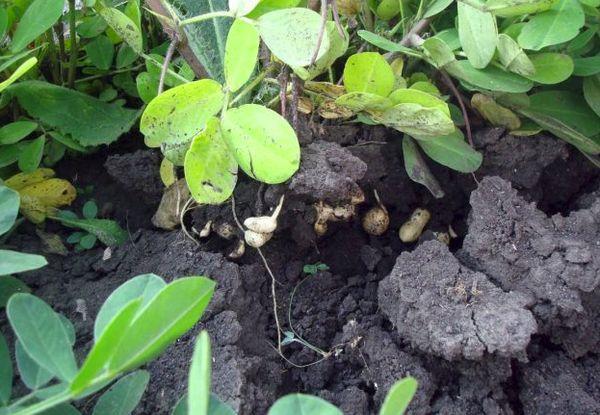 To acclimatize varieties of foreign origin, it is sufficient to use seeds from the previous harvest for planting, which will allow you to obtain peanuts adapted to a specific growing area after 3 years.
Features of planting and growing crops
When growing peanuts in the Moscow region, it is necessary to take into account the crop's special agricultural requirements:
- lack of shading of the area;
- maintaining temperature conditions;
- access to fresh air;
- low soil salinity;
- sufficient moisture level, without flooding;
- high nutrient content;
- neutral soil acidity.
Preparation of seed material
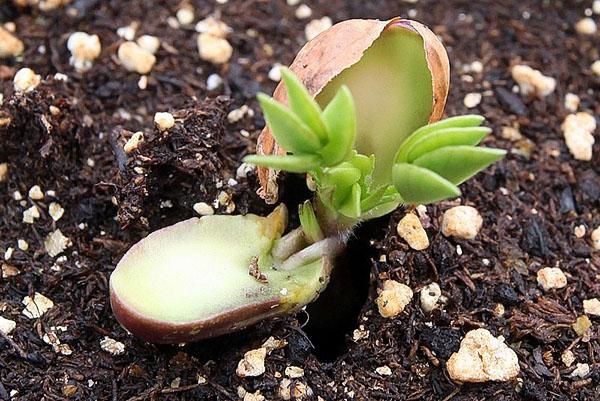
For seeds, use raw peanuts that haven't dried out and still have their red skin intact. The surface of the nuts should be free of mold, rot, or damage. Preparatory work should be as follows:
- Soak the nuts for 5 hours in warm water with the addition of potassium permanganate or a growth stimulator.
- Place the peanuts on a damp natural cloth and cover with the second edge.
- After 1-3 days the nuts should open and sprout.
Selecting a site for planting
A site suitable for growing peanuts is selected based on the following requirements:
- Groundnuts require a lot of sunlight, so areas with partial or complete shade should be avoided.
- Overwatering and stagnant water negatively impact peanut growth. The planting site should not be located in a low-lying area, and the groundwater level should not be too high.
- Air access is necessary for normal crop growth, but plantings must be protected from strong winds and drafts.
Optimal soil composition
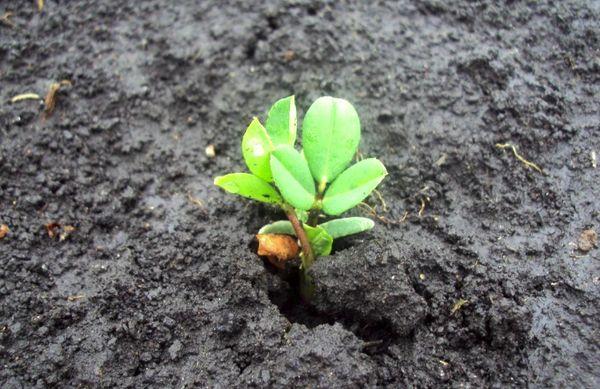
Peanuts thrive even in poor soils, enriching the soil with nitrogen compounds as they grow. It's recommended to plant peanuts in areas rich in humus and minerals such as calcium, phosphorus, and magnesium. Sandy loams and light loams are best suited for their morphological composition. Clay soils should be loosened and mixed with sand and fertilizer, while sandy soils should be mixed with clay and compost.
Acidic and salty soil is not suitable for peanuts; such areas must be limed.
Recommended Predecessors
For growing peanuts, it is best to use areas where the following were previously located:
- cabbage;
- onion;
- cucumbers;
- beet;
- tomatoes;
- corn;
- potato.
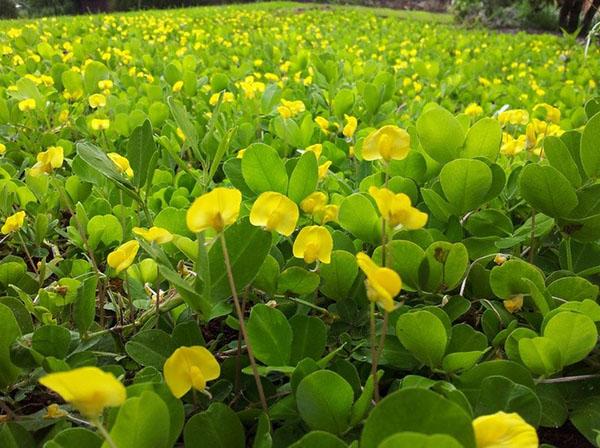
To avoid root rot, it is not recommended to plant peanuts after legumes.
Sowing technology
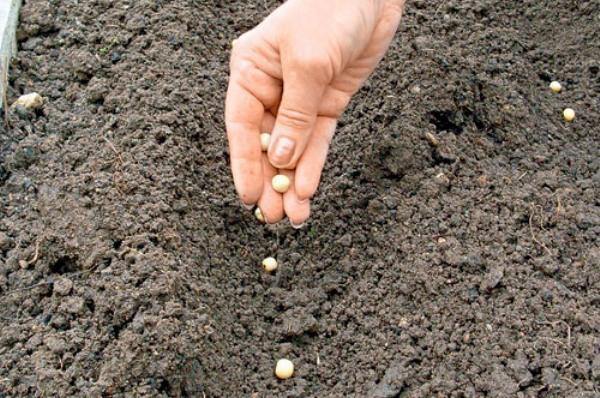
The peanut planting scheme involves digging trenches 10 cm deep and spaced at least 40 cm apart. Another option is to plant peanuts in 60 cm squares. It is recommended to plant the seeds as follows:
- Water the soil in the sowing areas with warm water.
- Place nuts at a distance of 30 cm along the entire length of the trenches or in the corners of the squares.
- Cover the seed material with soil to a height of about 8 cm.
- Protect nuts from birds with a special net.
Specifics of the seedling method
Sowing peanut seedlings requires maintaining a specific microclimate until germination and for several weeks thereafter. Sprouted nuts should be planted in a container over 30 cm in diameter, filled with moistened soil mixture.
The planting depth is shallower than when planting directly into the plot—20-25 mm. The container should be protected with a transparent lid or plastic covering until the first pair of leaves appears and placed in a well-lit, warm location.
The crops need to be aerated and the soil moisture restored. After 14 days of germination, the peanuts are ready for planting.
We organize competent care
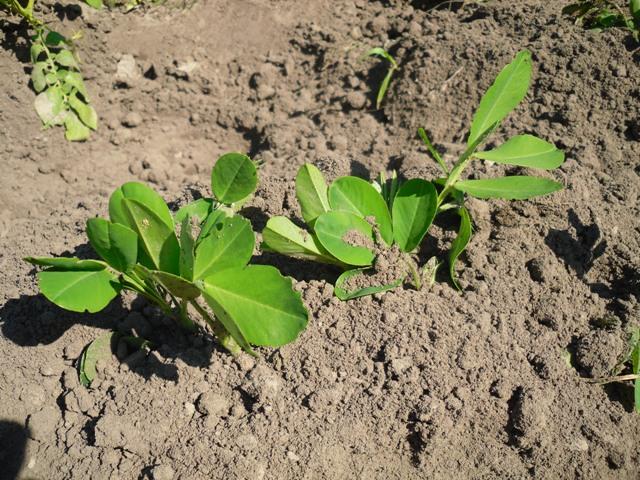
When growing your own peanuts outdoors in temperate Russia, it's essential to carefully tend the plants and ensure proper growing conditions. Maintaining normal temperatures is a key aspect. Sudden changes and prolonged cold rains can lead to reduced growth, the spread of diseases and pests, and sometimes even the death of this heat-loving crop.
Watering
Regular watering is essential for peanut growth. Regular watering is essential to avoid both over-watering and over-drying the soil. On average, peanuts need to be watered twice a week, adjusting the schedule based on natural rainfall.
It is essential to moisten the soil during flowering; the best method for natural growth is sprinkling.
During dry summers, you can supplement moisture with early morning and late evening sprays. To speed up nut ripening, stop watering 14 days before the planned harvest.
For watering, be sure to use warm, settled water.
Hilling, loosening and weeding
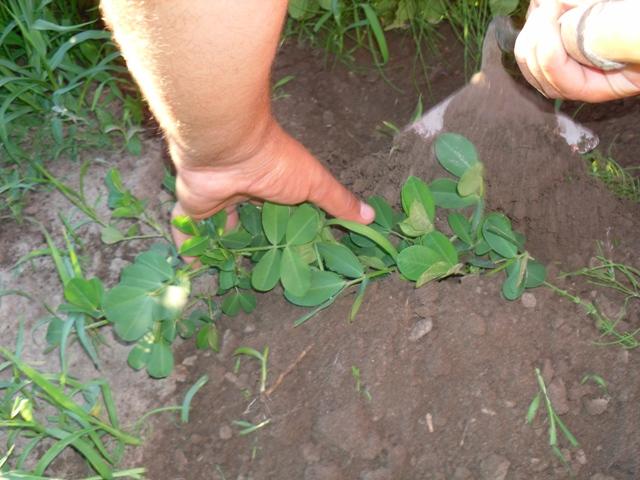
After moistening, the soil must be loosened to allow water and oxygen to penetrate deeper to the peanut roots. At this time, it's a good idea to weed the peanuts and remove any weeds from the beds. Six to eight weeks after planting the peanuts in their permanent location, hilling becomes necessary. During the plant's development, hilling is performed twice—on the 10th and 20th day after flowering. Mulching the beds with a mixture of sand, wood waste, and compost can be an alternative.
Fertilization
During the growing period, peanuts need to be fed with nutrients 2-3 times:
- when the first pair of true leaves appears;
- during flowering;
- during the process of fruit formation.
During the first complex feeding, water the nuts with a solution of 40 g of saltpeter, 100 g of potassium sulfate, and 120 g of superphosphate dissolved in 20 liters of water. Subsequently, apply only fertilizers containing phosphorus and potassium.
Protection from diseases and insects
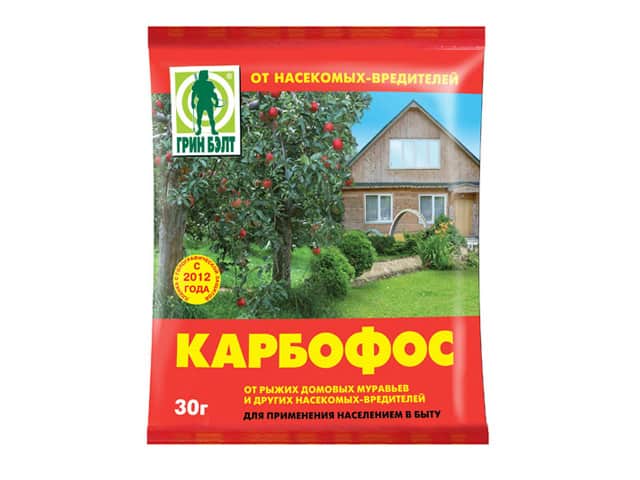
Peanuts are susceptible to insects such as aphids, thrips, and caterpillars. These pests destroy the green parts of the plants and also transmit diseases. Affected plants should be promptly treated with insecticides to prevent colony growth and minimize damage.
Most peanut diseases are associated with the appearance of fungi that cause:
- gray mold;
- fusarium;
- phyllostictosis;
- powdery mildew.
At the first signs of disease, peanuts must be treated with appropriate fungicides, and severely damaged plants must be dug up and burned.
Harvesting peanuts
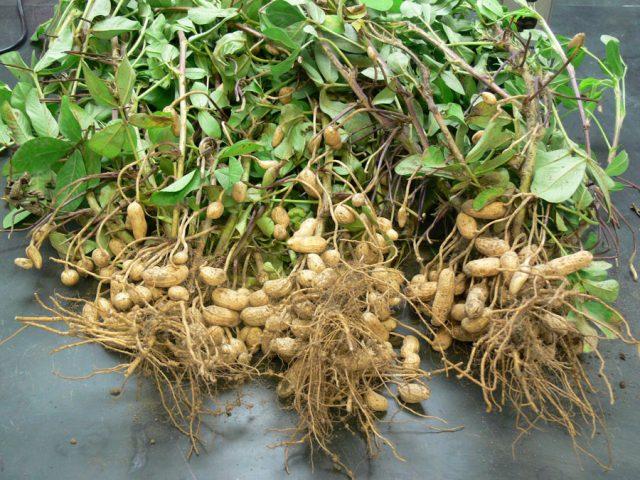
Peanut season in the Moscow region begins in September. Harvesting is best done on a dry day with temperatures around 10°C (50°F). To harvest peanuts, dig up all the plants, turn them upside down, and shake off the soil. Harvested peanuts in their shells are dried by laying them out in a single layer or hanging them in bunches in a dark, dry, well-ventilated place. The nuts are ready for storage and consumption once the shell surface has darkened and the pits have become prominent.
Tips from experienced gardeners: how to get a great harvest
When growing crops that are not typical for central Russia, you can take advantage of the advice of more experienced gardeners:
- To avoid problems with hypothermia, diseases, and pests, it is best to immediately cover the peanuts with film after planting or plant the plants in a greenhouse.
- Even short-term over-watering of the soil should not be allowed, as this is detrimental to the roots and the crop.
- It is recommended to plant nuts one at a time in holes or at least remove excess shoots after germination, otherwise the nuts will be very small.
- Every year you need to change the growing location; a good option is to alternate planting tomatoes and peanuts.
Related posts:
 How to plant and grow peanuts at home in your garden
 The benefits and harms of peanuts for the human body, properties and contraindications
 Guidelines for growing peanuts outdoors in Siberia
 How to plant walnuts, care for them, and grow them at home
 Description of the 8 best types and varieties of peanuts, the subtleties of growing them
 How to properly store peanuts at home, expiration dates and necessary conditions
 Timing and methods for grafting walnuts at home in summer
 How to dry peanuts quickly and correctly in the oven