
- How to choose a high-quality and fresh product
- Rules for processing crops after harvesting and preparing them for long-term storage
- How long can peanuts be stored?
- Raw, in shell and without
- Salty
- Fried
- What type of container is recommended for storing peanut kernels?
- The subtleties of storage at home
- Temperature and humidity
- Illumination of the place
- What foods should you not store peanuts with?
Many people wonder how to store peanuts at home. To extend the shelf life of the product, it's important to choose the right container. Maintaining optimal temperature and humidity is also crucial. It's also important to properly prepare the product for storage and avoid exposing it to direct sunlight.
How to choose a high-quality and fresh product
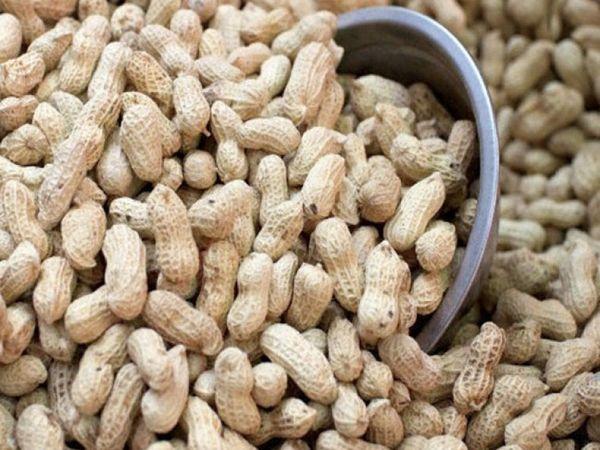
Unshelled peanuts are often sold in stores today. When purchasing, it's important to carefully inspect the nuts:
- Ripe peanuts are dry pods containing the beans. They should be large and firm.
- If you shake the nut, you'll hear a dull sound. If the kernels roll around, it's either too small or has dried out due to improper storage.
- It's important that the pods are completely dry. If the shells are easily pliable or damp, this indicates that the nuts were stored in a humid environment. This could also indicate improper drying, which can cause the kernels to become bitter or spoil quickly.
- The smell of peanuts is also important. It's important that the product doesn't emit a raw aroma. There shouldn't be any moldy odor either.
- It is worth making sure that there are no stains on the shell.
- When you press on the pod, it breaks easily, making a cracking sound.
If you plan to buy shelled nuts, inspect them carefully. This will help you spot any kernels that are beginning to spoil. In this case, the thin reddish-brown skin will take on a brownish tint.
Rules for processing crops after harvesting and preparing them for long-term storage
Peanuts are harvested when the weather gets cold. The plants should look dry and stunted. If harvested early, the kernels will be underdeveloped. This product is not suitable for consumption.
Peanut harvesting should begin at the edge of the garden bed. Dig up the peanut bush, remove it from the soil, clean off any dirt, and place it at the edge of the bed. Dig up all the peanut bushes in the same way. In dry weather, they can be left outside until evening. This will allow the plants to dry out.
After harvesting, the bushes are tied into bundles. The above-ground portions should be tied and hung with the roots facing downward. It's recommended to keep them in this position for two weeks. This period will allow the nuts to ripen and gain weight. Then the beans should be picked and washed free of soil.
How long can peanuts be stored?
The shelf life of nuts depends directly on their variety. This is an important factor to consider.
Raw, in shell and without
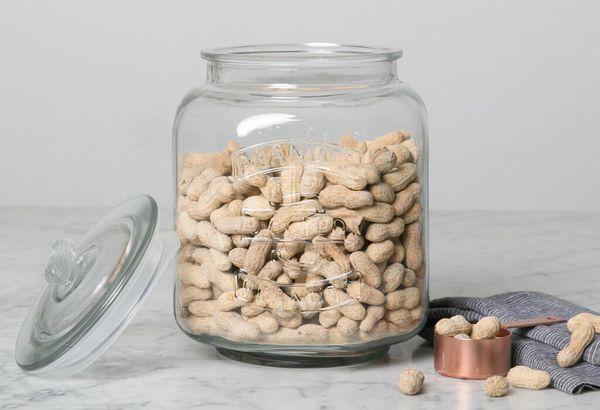
Peanuts in their shells have a longer shelf life than shelled ones, with a shelf life of up to one year. If stored unshelled in a cool, dark place, they will stay fresh for up to six months. They also last six months in the freezer.
Salty
These peanuts don't have a long shelf life. The maximum shelf life is two weeks. After that, there's a risk of developing a bitter taste and excessive oil production.
Fried
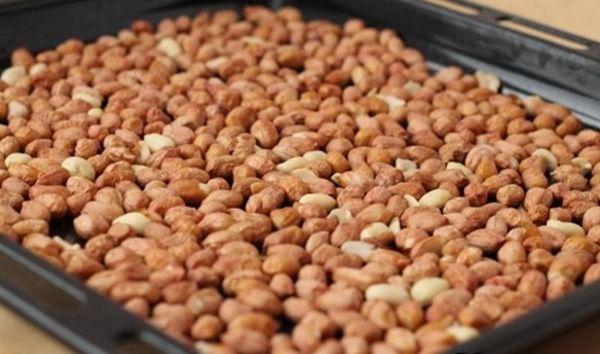
Roasted peanuts have a shelf life of no more than 14 days. They should be stored in an airtight container to protect them from external factors. After this time, the peanuts become too bitter and oily.
What type of container is recommended for storing peanut kernels?
It's recommended to store nuts in a clean, dry container with a tight-fitting lid. The following are acceptable options:
- glass jars;
- ceramic tableware;
- other containers, except plastic containers.
It is not recommended to store peanuts in plastic containers. They will become bitter after a short period of time.
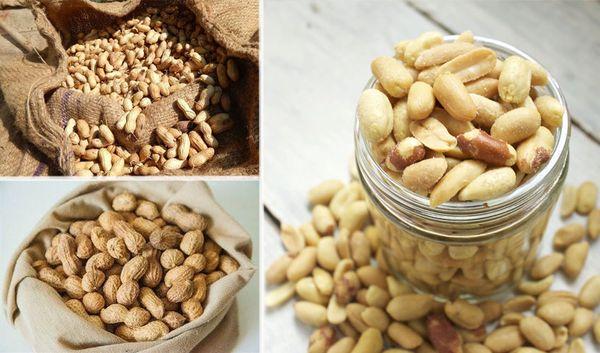
Unshelled peanuts can be stored in a canvas bag. However, their shelf life will be shorter than if stored in a jar with a lid.

The subtleties of storage at home
To properly store the product, you should follow these recommendations:
- Humidity should be kept low. Otherwise, there's a high risk of rotting. However, excessive dryness can also be detrimental to the product.
- If some of the nuts have started to spoil, they should be separated from the good kernels.
- Avoid exposing nuts to direct sunlight. Store peanuts in a dark place. This is especially important for raw nuts. Failure to do so will result in a bitter taste.
- Store nuts in a cool place. The refrigerator or freezer are excellent options. At sub-zero temperatures, the shelf life increases to six months.
- Avoid storing nuts near foods with strong odors. They can absorb other odors.
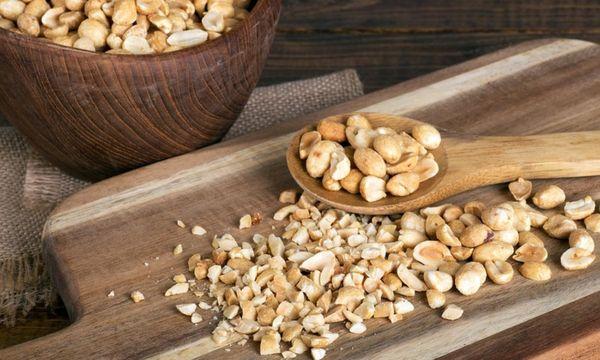
- Crushed nuts can be stored for a maximum of 2 days. After this time, they release oil, resulting in a bitter taste.
Temperature and humidity
It's recommended to store peanuts in low humidity conditions. Excessive moisture will cause the peanuts to rot. Temperatures should also be kept low. At 4-6°C (41-43°F), the shelf life is 3 months.
If the temperature is -8 degrees, the storage period increases to six months.
Illumination of the place
The product should be stored in a dark place, away from sunlight. Exposure to sunlight causes the nuts to release special substances, which causes them to acquire a bitter taste.
What foods should you not store peanuts with?
Avoid storing peanuts near foods with strong odors. They absorb other odors.
Storing peanuts requires following a number of rules and recommendations. First and foremost, they need to be kept at optimal temperature and humidity levels. Choosing the right container for the nuts is also crucial. Strictly following these expert recommendations will significantly extend the product's shelf life.
Related posts:
 The benefits and harms of peanuts for the human body, properties and contraindications
 How to plant and grow peanuts at home in your garden
 How to grow peanuts in a country house in the middle zone: the intricacies of planting and care
 Guidelines for growing peanuts outdoors in Siberia
 How to dry peanuts quickly and correctly in the oven
 10 Best Walnut Jam Recipes for Winter
 Description and characteristics of the 30 best hazelnut varieties, cultivation
 Description of the 8 best types and varieties of peanuts, the subtleties of growing them