
- Botanical characteristics of the plant
- Habitat
- Advantages and disadvantages of planting on a site
- What does peanut require?
- Temperature, humidity and lighting
- Required soil composition
- Favorable and unfavorable neighbors
- Features of planting crops
- Site preparation
- Preparing planting material
- Sowing pattern and density
- Timing and technology of planting
- Methods of planting a plant
- On warm beds
- In the greenhouse
- At home
- Care and cultivation techniques
- Watering
- Weeding and loosening
- Fertilization
- Hilling up bushes
- Pest and disease control
- When to harvest
- Rules for storing nuts
Beginner gardeners often ask how to grow peanuts properly. Groundnuts thrive in warm climates. Their fruits are rich in beneficial and nutritious substances. This crop has been cultivated commercially for centuries.
Botanical characteristics of the plant
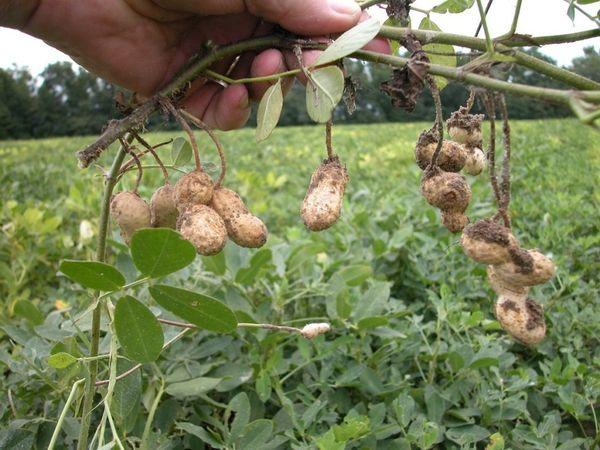
The plant belongs to the Arachis family, genus Fabaceae. It is an annual plant, reaching 70 cm in height, with shoots arranged in a bushy pattern, directed in different directions. Fruits form on well-developed roots. They are directed in different directions, grow well, and are strong and large. The foliage is green and pubescent, with alternately arranged leaves.
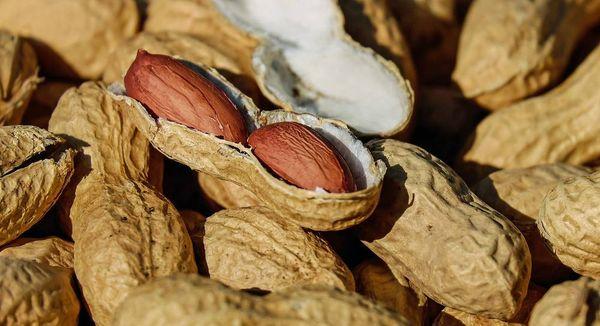
Peanut trees bloom midseason. Depending on the variety, white or yellow-red flowers form at the top. The flowers persist throughout the season. The fruits are swollen, containing 2-4 nuts. The peanuts are oblong in shape and covered with a thin brown skin. Ripening occurs in September or October. Yield depends on the variety, with a single bush yielding 2-3 kg of peanuts.
Habitat
The crop thrives and grows in southern regions. Peanuts are grown commercially in America, Ukraine, the Caucasus, Spain, India, and other warm countries. Peanut cultivation first began in the Americas, even before Columbus discovered the continent. Peanuts were then transported to Europe, after which they spread throughout the world.
Advantages and disadvantages of planting on a site
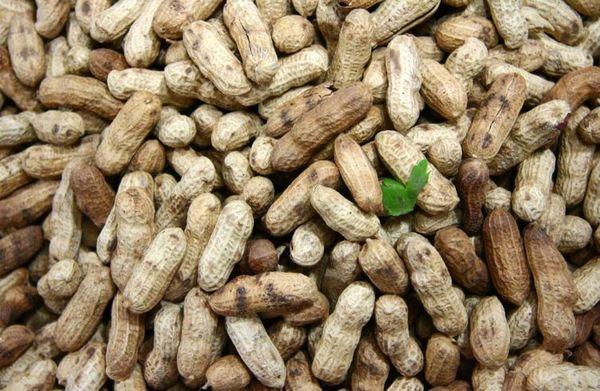
This crop has its advantages and disadvantages when planted in your own garden. The advantages include:
- own peanut harvest;
- easy care;
- strong immunity to diseases;
- high payback percentage.
Among the disadvantages, the plant is noted to be heat-loving, which makes it unsuitable for cultivation in northern regions.
What does peanut require?
To grow successfully, it's necessary to create suitable conditions. Practice crop rotation, select the appropriate soil and location, and monitor light, humidity, and air temperature.
Temperature, humidity and lighting
Peanut seeds begin to germinate at temperatures of 14-16°C; the plant won't survive frost or sudden drops in temperature. Therefore, before planting, make sure the potential for night frosts has passed.
Peanuts require high soil moisture. This is achieved by following watering guidelines, sprinkling, and misting the seedlings. Without sufficient moisture, the plants begin to die, the leaves dry out, and fall off.
Important! Overwatering peanuts can lead to root rot.
The planting site should receive at least 8 hours of light per day. Shade or partial shade is detrimental to plant development, as it will lack the energy to set fruit.
Required soil composition
Peanuts are easy to grow in soil. They thrive in sandy soil and black soil. However, they do require certain conditions:
- neutral environment of the earth;
- enrichment with magnesium, potassium, manganese, nitrogen, calcium;
- good air permeability and drainage of excess water;
- sufficient soil moisture.
Favorable and unfavorable neighbors
When planting, the crop requires crop rotation. Peanuts should not be planted in a plot after cultivation or near the following plants:
- beans;
- peas;
- beans;
- lentils.
These crops are closely related to the walnut tree and therefore share common diseases and pests. The risk of root rot increases.
Favorable neighbors and predecessors for peanuts are:
- potato;
- cabbage;
- cucumber;
- tomato.
Features of planting crops
When planting peanuts, certain rules must be followed. Prepare the growing site and planting material in advance, and adhere to the planting plan and timing.
Site preparation
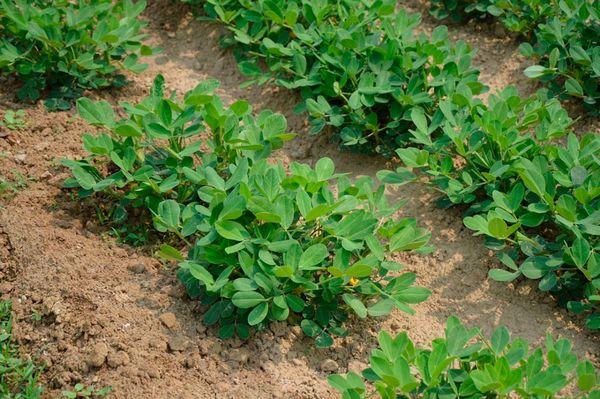
Prepare the peanut growing area in advance. In the fall, dig the soil, remove all weeds and stones. If necessary, add dolomite flour or slaked lime at a rate of 0.8 kg per 1 m.2Add mineral fertilizers. In the summer, two weeks before planting, repeat the procedure, adding nitrogen compounds.
Important! Digging should be done to a depth of 25-30 cm.
Preparing planting material
Peanuts are grown using both seedlings and non-seedling methods. First, they purchase seed material. This is sold in agricultural supply stores and ensures high germination rates. Experienced gardeners also use their own seed material.
Peanut seeds are shelled and then germinated in a warm, moist container. If the soil is warm enough and the region's summers are long and coincide with the crop's ripening period, the seeds are planted directly in open ground.
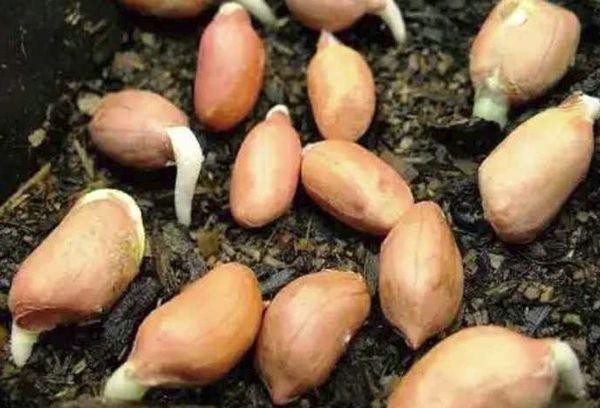
If summer is shorter than the peanut growing season, it's recommended to prepare seedlings indoors in advance. To do this, sprout the seeds individually in containers with soil. After planting, cover the pods with plastic wrap until the seedlings emerge. Water the seedlings weekly and loosen the soil before transplanting them outdoors.
Important! Peat boxes are suitable for seedlings; they decompose in the soil after transplanting.
Sowing pattern and density
Peanuts are planted in a staggered pattern. The distance between rows is 30 cm, and between plants 50 cm. A square pattern is also popular. The distance between rows and holes is 60 cm. Peanuts are also planted in standard rows. The distance between plants is 20 cm, and between beds 60 cm.
Timing and technology of planting
Dig a hole 10 cm deep. Place three peanut seeds in each hole. Cover with soil. Planting only one sprouted peanut at a time reduces germination, as some will die. The seedlings are ready for transplanting into the ground 2-3 weeks after germination.
It's recommended to plant seedlings when spring frosts have completely subsided. The soil should warm to 14-16°C. This period occurs in mid-May for southern regions. For temperate climates, planting from seedlings is suitable.
Methods of planting a plant
In addition to the standard planting method, there are special techniques. These allow you to create suitable growing conditions for the peanut tree and grow it indoors or in a greenhouse.
On warm beds
Warm beds in your garden will protect your crops from frost damage and sudden temperature changes. These beds are prepared in advance, choosing a location in the garden in the fall or early spring. They are constructed using a wooden frame or a dug trench. A specific procedure is followed:
- Select a location on the site and dig a trench 20-30 cm deep. The recommended width is 100 cm, and the length can be any length.
- The excavated top layer of soil is placed along the edges.
- Dry grass, fallen leaves and other biological waste are added to the bottom of the trench.
- Sprinkle with a layer of compost.
- They cover it with earth.
Take a look Also
Before transplanting into open ground, the seeds need to be germinated.
Important! The more layers of compost and humus, the warmer the bed.
In the greenhouse
Peanuts are also planted in greenhouses. Groundnuts grow well in greenhouse conditions, especially near tomatoes. Care must be taken to ensure that tomato foliage does not block the peanuts' light. The soil around the peanuts is hilled twice a season, in June. This makes the crop easier to care for, as it requires frequent hilling. Peanuts also enrich the soil with nitrogen, which is beneficial for tomato growth. Groundnuts should be planted in rows, spaced 50 cm apart.
At home
After preparing the seedlings, several saplings can be left for indoor cultivation. The young plants are transplanted into a large pot. Place them in a well-lit room, water them regularly, and loosen the soil regularly. Care should be taken to ensure that side shoots do not extend beyond the edges of the pot. Growing peanuts indoors is quite simple.
Care and cultivation techniques
Peanuts require special care. To ensure a high yield, watering and loosening of the soil are monitored. Weeding, fertilizing, and hilling are also performed. Treatment for diseases and pests is provided as needed. Care for the plant begins immediately after planting. Seed germination is a prerequisite.
Watering
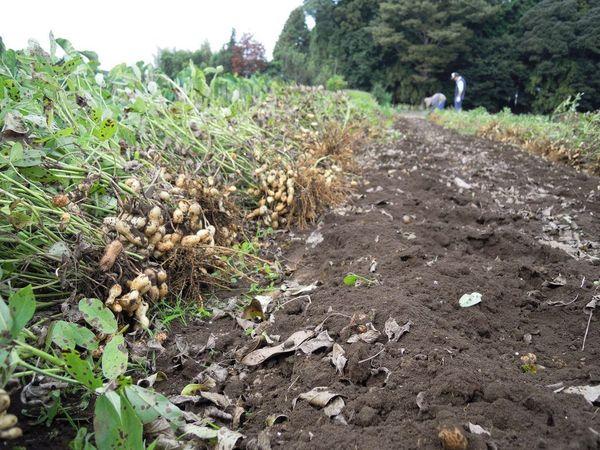
Water the bushes as the top layer of soil dries out. This is done 5-6 times per season. Peanuts prefer moist, but not wet, soil. After flowering begins, the plant requires ample moisture; water every 7-10 days. After flowering has finished, use a sprinkler instead of watering.
Important! During frequent rainfall, it is recommended to cover the bushes with plastic. During drought, sprinkler and water simultaneously.
Weeding and loosening
Weeds should be removed as they grow, while simultaneously loosening the soil. Weeds draw nutrients from the soil, reducing fruit set. Loosening the soil improves oxygenation.
Fertilization
Peanuts are fertilized twice per season. The first time is when the seedlings reach 10 cm. The second time is during the fruiting period; this is an optional fertilization procedure. The following fertilizer is applied:
- ammonium nitrate 25 g;
- potassium salt 50 g;
- superphosphate 75 g.
- water 10 l.
Over-fertilization will result in over-saturation of peanuts with minerals and death of seedlings.
Hilling up bushes
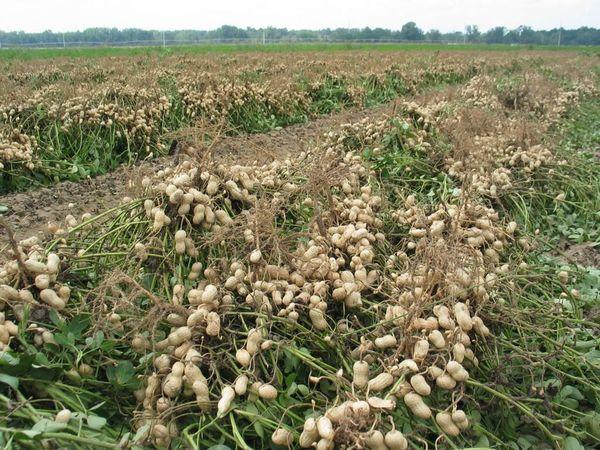
This procedure is essential when growing peanuts outdoors. The first hilling is done when the plant reaches 15-20 cm in height, the second during flowering, and the third after flowering has finished. The peanuts are covered with soil to a depth of at least 10 cm. This ensures the formation of additional fruit.
An alternative to hilling is mulching. The root zone of the peanut tree is covered with straw, moss, cut grass, or dried leaves. This covering also prevents weeds from growing in the bed, retains moisture and nutrients for a long time, and protects against diseases and pests.
Pest and disease control
Groundnuts are most often affected by fungal diseases. These must be dealt with immediately, as they spread quickly and can completely destroy the crop. These infections include:
- Powdery mildew. It forms a grayish-white coating on the foliage. The disease spreads to both sides of the leaf, shoots, and stems. In advanced stages, the leaves turn yellow, dry out, and fall off. The bush slowly dies. To control the disease, remove damaged areas and spray with Skor, Ridomil, copper sulfate, and Quadris.
- Phyllostictosis. Small dark spots appear on peanut leaves, slowly growing and increasing in size. The fungus does not cause significant damage to the plant, but requires treatment with a broad-spectrum fungicide.
- Alternaria wilt. Black spots appear on the foliage. They quickly grow in size, reaching 15 cm in diameter. Shoots begin to dry out and die. Treatment includes spraying with antifungal agents and selecting disease-resistant varieties.
- Fusarium wilt. It manifests itself suddenly, localizing in the peanut roots and causing them to rot. The plant wilts completely, the leaves fall off, and the peanuts die. The disease destroys the crop before it ripens. Control measures include the use of fungicides and agricultural practices.
The most common insect pests of peanuts are:
- aphid;
- thrips;
- caterpillars;
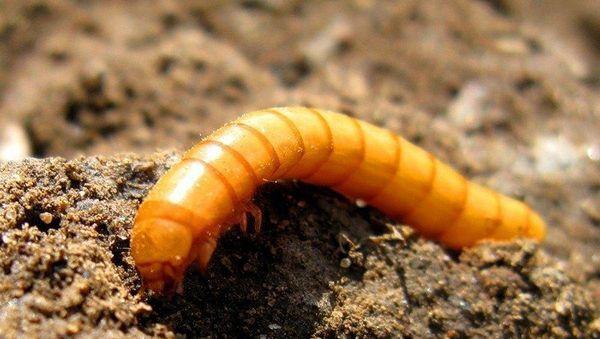
- wireworm.
For the first three methods, broad-spectrum insecticides are used. These act on the insects' nervous system, causing paralysis and death. The effect of the product lasts up to 20 days, after which the spraying is repeated.
Wireworms are not affected by insecticides. To get rid of them, dig traps in the garden, place beets or carrots in them, and cover them with slate or a wide board. After a while, destroy all the larvae caught in the trap.
When to harvest
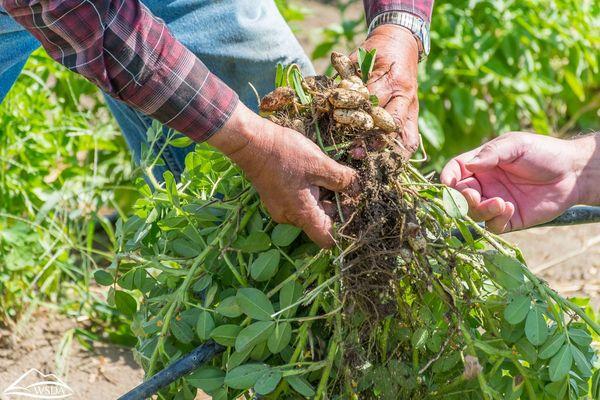
Peanut harvesting begins when the tops turn yellow and dry out. First, dig a hole, extract 2-3 seeds, and check them for ripeness. If the nuts separate easily from the shell, they are ripe and ready to harvest. The nuts usually ripen in late September or early October.
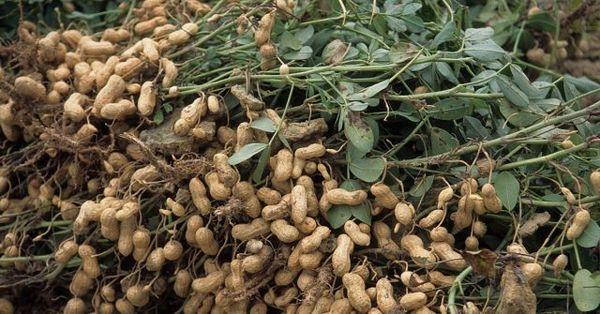
The peanuts are dug up with a pitchfork. Then, all the nuts are collected, moved to a dry place under cover, and left to dry. Once the shells are dry, the nuts are brushed free of soil and packaged into bags.
Important! Only breathable materials are used for storage.
Rules for storing nuts
After harvesting peanuts for storage Choose a room with a constant temperature of 10°C. It should be well ventilated. A portion of the harvest is collected for seeding next year. An insulated balcony is an excellent option. Storage life depends on the variety, but averages 5-8 months.
Related posts:
 The benefits and harms of peanuts for the human body, properties and contraindications
 Guidelines for growing peanuts outdoors in Siberia
 How to grow peanuts in a country house in the middle zone: the intricacies of planting and care
 How to properly store peanuts at home, expiration dates and necessary conditions
 Description of the 8 best types and varieties of peanuts, the subtleties of growing them
 How to dry peanuts quickly and correctly in the oven
 The best eggplant varieties for growing in a polycarbonate greenhouse: planting and care
 How to properly plant peas in a greenhouse and open ground