
Zucchini is a wonderful vegetable with a neutral flavor, making it a wonderful companion to other ingredients. It's used in salads, caviar, and even jam. There are countless recipes for zucchini and beetroot salads for the winter, allowing you to delight family and friends with a variety of preserves. Besides their delicious taste and beautiful appearance, zucchini and beets retain a wealth of beneficial micronutrients and organic acids (especially folate) after cooking. Furthermore, zucchini is low in calories, making it suitable for those watching their weight.
Features of preparing zucchini and beets for the winter
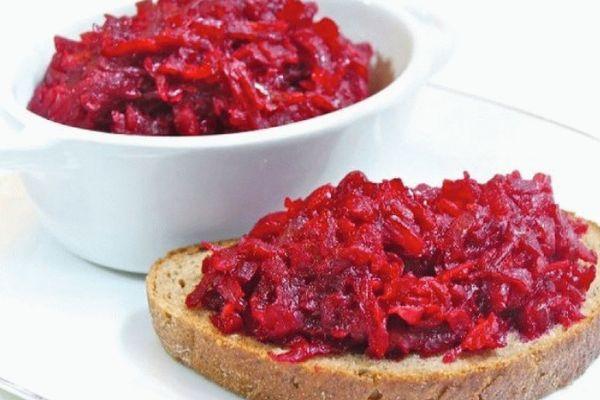
The advantage of this dish is its simplicity and affordability. No need for expensive ingredients, and the finished product is delicious. The vegetables retain their firmness and have a pleasant crunch. The zucchini and beetroot caviar has a pleasant sweetness.
Selecting and preparing vegetables
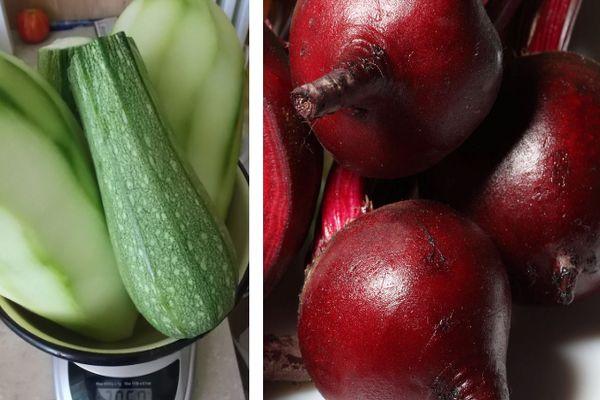
The quality and taste of the finished salad depend on the correct selection of vegetables:
- For canning, young vegetables with tender skins are essential, as unpeeled fruits are used. The skin contains many vitamins. Moreover, the flesh of young vegetables is more uniform. Zucchini can be diversified with zucchini and pattypan squash.
- If using mature zucchini, peel them and remove the core and seeds.
- You need to use young beets, it is important that they are sweet.
- Vegetables must be cut into equal pieces so that the finished dish looks beautiful.
Sterilization of containers
Preparing the container is crucial. If it's not properly sterilized, the finished product will not survive. Fermentation will occur.
It's best to choose a 0.5-liter container and cut the pieces to fit the height of the jar. However, a 1-liter container will also work, as you can layer the vegetables.
Sterilization takes place in several stages:
- Wash containers: jars and lids.
- Pour boiling water over the jars, hold them over steam for a few minutes, or bake them in the oven. Just be sure to place the jars in a cold oven and then heat them up.
Cooking methods
In addition to the classic cooking method, culinary experiments have led to the emergence of new and interesting dishes with additional sets of ingredients.
Classic pickling recipe
The salad according to this recipe can be eaten as is or as an ingredient in another salad. There are several preparation methods, depending on how the vegetables are chopped. If you like the honey flavor in canned vegetables, you can substitute it for sugar, adding a new flavor to the dish.
The classic recipe includes the following ingredients:
- beetroot - 250 g;
- zucchini - 550 g;
- sugar - 25 g;
- salt - 10 g;
- vinegar - 22 ml;
- black pepper - 8-10 peas;
- garlic - 3 cloves.
Scheme of actions for the first method:
- Wash the zucchini, cut off the stems, and cut into strips of desired length or square shape.
- Peel the beets, wash them and cut them into pieces similar to the zucchini.
- Peel the garlic and cut it into several pieces.
- Place the chopped vegetables vertically in the prepared container. Add garlic, salt, sugar, a couple of peppercorns, and vinegar. The amounts of salt, sugar, and vinegar are indicated for one 0.5-liter jar. If you prefer a slightly spicy dish, you can add a slice of hot pepper. Pour in the boiling liquid.
- Cover the jar with a lid (do not tighten) and leave to sterilize for 20 minutes.
- Seal tightly, turn the lid down, wrap in a blanket and leave for several days.
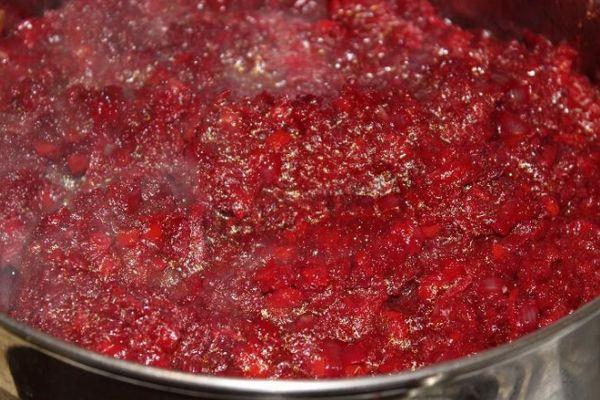
Scheme of actions for the second method:
- Wash the zucchini thoroughly, remove the stems and cut into cubes.
- The beets are peeled and grated using a coarse grater.
- Peel the garlic, grate it or crush it using a garlic press.
- Place all vegetables in a container of appropriate volume, add salt, sugar, pepper, stir and let sit for 30 minutes.
- Pour a little oil into the frying pan and sauté the vegetable mixture for 5-10 minutes.
- Place in sterilized containers, pour in vinegar, cover with lids and sterilize for 20 minutes.
- Close tightly, turn over onto the lid and wrap up.
Take a look Also

With onions and peppers
The classic recipe can be easily diversified with additional vegetables, whether grown locally or purchased. The amounts of sugar, salt, and vinegar are given for a 0.5-liter container.
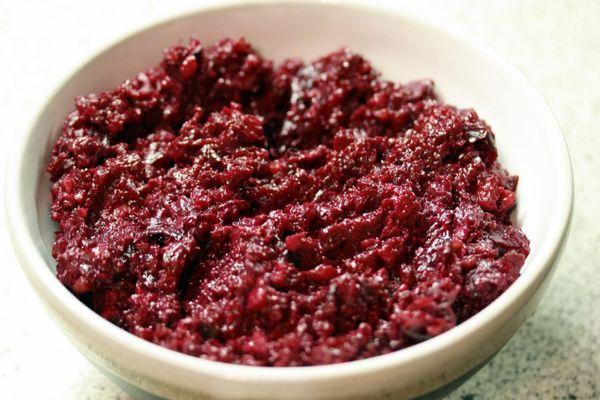
Necessary components:
- zucchini - 650 g;
- beets - 340 g;
- bell pepper - 200 g;
- onion - 160 g;
- garlic - 3-4 cloves;
- hot pepper - 35 g;
- salt - 12 g;
- sugar - 25 g;
- vinegar - 22 ml.
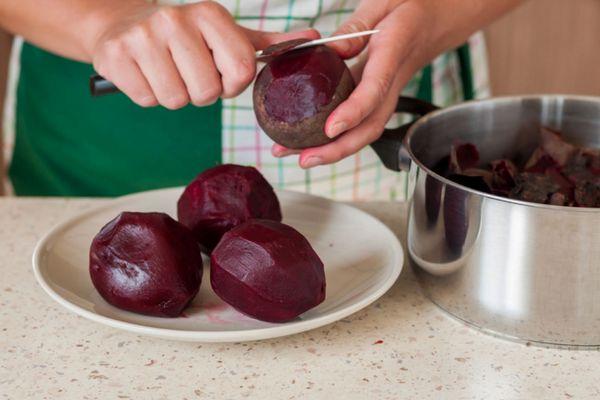
Scheme of actions:
- Wash the zucchini, remove the stems and cut into square strips.
- Peel the beets, wash them and cut them into pieces, like zucchini.
- Peel the onion and cut into half rings.
- Wash the pepper, remove the core and cut into strips.
- Start layering all the vegetables in the jar. Place some chopped garlic at the bottom.
- When the jar is full, add salt, sugar, vinegar, add a piece of hot pepper (if desired), cover with a lid and sterilize for 20 minutes.
- Close tightly, turn the lid down and wrap it up.
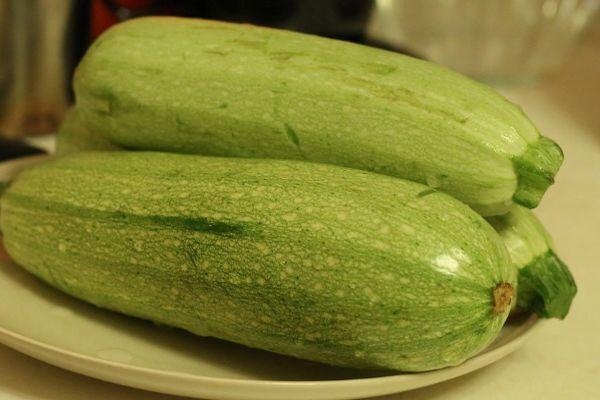
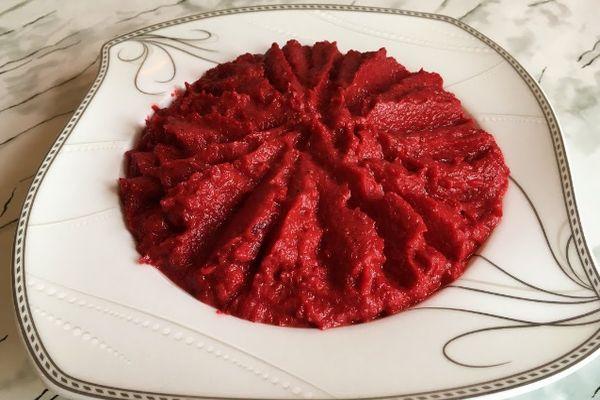
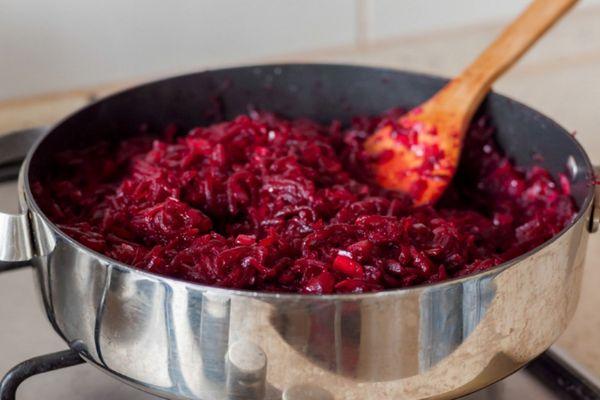
Zucchini and beetroot caviar
Zucchini caviar has always been prized as an excellent appetizer. Adding beetroot to it adds a different color and a pleasant sweetness.
Necessary components:
- zucchini - 1.8 kg;
- beets - 1.8 kg;
- onions - 1.7 kg;
- salt - 55-60 g;
- sugar - 160 g;
- ground pepper;
- vinegar - 210 ml;
- sunflower oil - 220 ml.
Scheme of actions:
- Wash the zucchini, cut off the ends and grate using a coarse grater.
- Boil the beets, peel and chop them in the same way as the zucchini.
- Peel the onions, chop them and sauté in oil until golden brown.
- Add zucchini and beets to the onion, add salt, sugar, ground pepper, vinegar and simmer for 20 minutes.
- Place in sterilized containers and seal tightly.
How to store the finished product
To preserve the product, it's important to prepare it properly, especially sterilize it. If done correctly, jars of salad can be stored at home at room temperature, preferably in a dark place.
Take a look Also
Don't limit yourself to the recipes offered; you can vary them and create your own unique culinary masterpiece that will amaze your family and friends.
Related posts:
 How to cook fried zucchini with garlic for the winter, finger-licking good recipes and without sterilization
 Amazing recipes for zucchini in tomato sauce for the winter, you'll lick your fingers, with and without sterilization
 21 step-by-step recipes for making zucchini jam for the winter
 TOP 20 simple recipes for pickled zucchini for the winter
 11 Best Recipes for Pickling Zucchini with Garlic for the Winter
 Simple recipes for marinating zucchini in mustard dressing for the winter
 Delicious step-by-step recipes for zucchini pickled like mushrooms for the winter
 Top 40 DIY New Year's Baking Recipes for 2020