
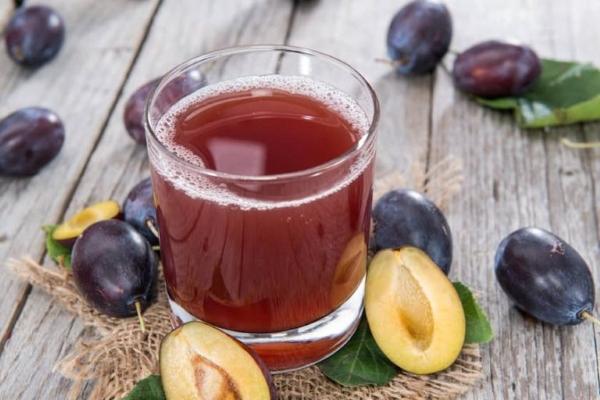
Many Russian households prepare plum juice for the winter. This wonderful product provides nutrients during the cold season and has a very pleasant taste. At the same time, there are so many ways to prepare this preserve that many are unknown. And they are worth exploring.
Subtleties of cooking
Plum juice, like any winter preserve, is only successful if you follow the subtleties of its preparation. And it's not difficult to make, as the steps are very simple.
All you need is:
- Select only high-quality fruits.
- Mix only with the juice of other fruits, not their pulp. At the very least, avoid dense fruits, such as bananas.
- Maintain cleanliness and sterility of utensils, workspace, and hands. This will help prevent the introduction of unwanted microorganisms that could ruin your work.
As you can clearly see, these subtleties are similar to those familiar to anyone who makes winter preparations from other products.
How to choose plums for juice
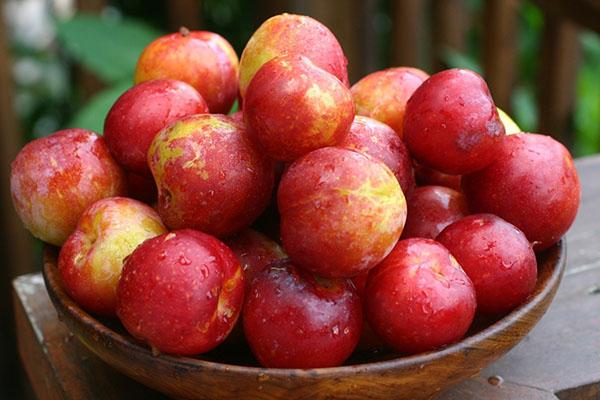
Winter plum juice can be made from any plum variety—cherry plum, yellow plum, blackthorn, or Hungarian plum. The only important thing is that they are late-ripening and sufficiently sweet (although sour varieties are not prohibited). But variety isn't the only factor to consider when choosing plums for preserves.
It's also worth paying attention to the presence of rot or severe damage. Fruits with such defects can negatively impact the final product. Finally, overripe specimens should be discarded due to their poor taste.
Methods of cooking at home
Plums are one of those fruits that can be prepared in countless ways, including jams, preserves, and sauces. Plum juice is no exception, and every home prepares its own unique recipe.
Plum Juice with Pulp Recipe
Preparing plum juice with pulp is a good idea if you want to preserve as many nutrients as possible. To make it, for 7 kilograms of plums, use:
- half a kilo of sugar;
- 5.5 liters of water.
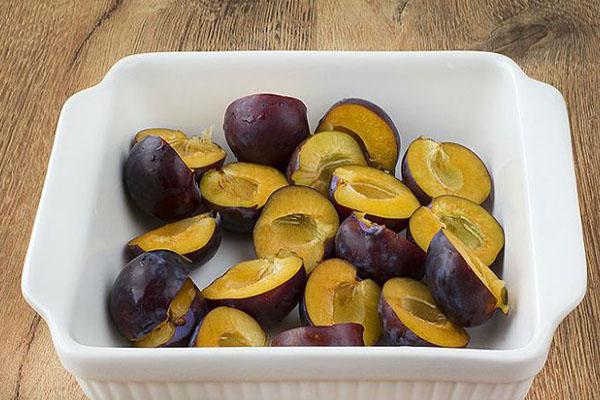
First, wash the fruit as thoroughly as possible, then place it in a cooking pot and add half a liter of water. Cook for half an hour after boiling to soften it.
Once the plums have cooled, puree them. Add the remaining 5 liters of water and sugar. Cook for 15 minutes after boiling, skimming off any foam.
The finished product is immediately poured into prepared jars and rolled up.
Plum juice with pulp through a juicer
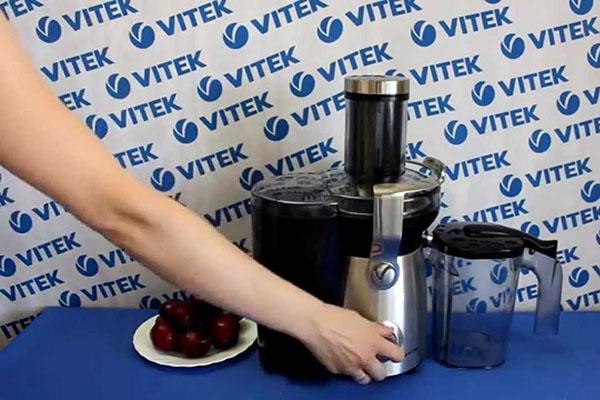
A juicer will make preparing the pulpy preserves for the winter much easier. For this recipe, use half a kilogram of sugar per 3 kilograms of fruit.
First, the fruit is washed and pitted. Then, it's placed in a juicer to extract the juice. The pulp isn't discarded; it's boiled and returned to the juicer. An equal amount of water is added to the resulting volume of juice and brought to a boil over high heat.
Add sugar to the boiling mixture, reduce heat, and simmer for about 10 minutes. Pour the finished product into jars and seal. Then, place it in a dark place to cool under a blanket.
Sugar-free plum juice for the winter
Natural plum juice, prepared without added sugar or water, is particularly beneficial. Only 2 kilograms of plums are used for this preparation.
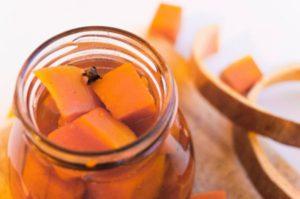
The selected fruits are thoroughly washed in cold water and placed in a cooking container. They are then placed over a stove and heated to a temperature of 70 degrees Celsius, leaving them there for 15 minutes.
The softened plums are placed in a cheesecloth bag, which is suspended over the container. Squeeze the bag occasionally. Once all the juice has drained, it is poured into jars and sterilized for almost half an hour at 85 degrees Celsius (175 degrees Fahrenheit). The jars are sealed and left in a dark place to cool.
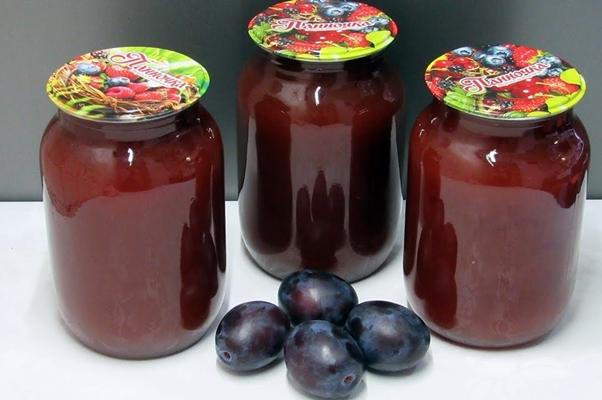
Apple-plum juice – a recipe for the winter
Mixed preserves are quite popular, as they allow for both flavor diversity and the combination of beneficial properties from various ingredients. Plums and apples are considered a particularly good combination.
For such a preparation, take the following amount of plums per kilogram:
- half a kilo of apples;
- 4 tablespoons of sugar.
They take the variety of apples they like.
The fruits are prepared by washing and pitting them. They are then cut into pieces. Using a juicer or other device, the liquid is squeezed out of each type of fruit separately and then combined.
Add sugar and place over low heat. Cook until it boils—once it does, don't let it sit on the stove for even a minute. Pour the hot mixture into jars, sterilize, and seal.
How to make juice using a juice cooker
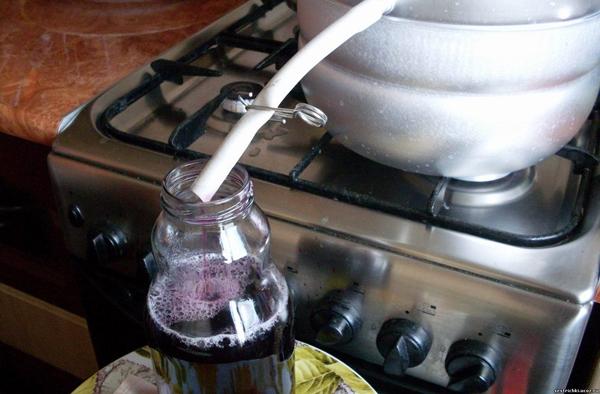
A pressure cooker is another way to make winter fruit preserves much easier. To make plum juice, in addition to the water for the pressure cooker itself, you'll need:
- 3 kilograms of plums;
- 100 grams of sugar.
Prepare the fruit by washing and pitting it. Cut it into slices. Bring the water in a pressure cooker to a boil and add the fruit. Cover the pan tightly with the lid and the hose clamped shut, and simmer for an hour.
When the plums are ready, drain the liquid and add sugar. Cook for another five minutes after boiling.

Features of juice storage
Proper storage is no less important than proper preparation. To prevent the juice from spoiling, it should be stored at a temperature no higher than 15 degrees Celsius. Even sterilized juice will spoil in warmer temperatures.
Incidentally, sterilization is crucial to ensure the preserves last all winter, so this step shouldn't be neglected.
Also, make sure the storage area is not exposed to direct sunlight. Light can cause unwanted chemical reactions.
Conclusion
Plum juice is an exceptionally healthy and delicious winter preserve. It replenishes vitamins and can also serve as a base for other dishes.
It's made in many variations, but they all differ in their ease and speed of preparation. In some cases, pressure cookers and juicers are used. In addition to the purely plum preparation, mixed versions are also available.
Related posts:
 TOP 10 recipes for canned apple juice for the winter at home using a juicer
 TOP 12 simple recipes for making currant juice for the winter
 TOP 10 simple homemade plum jam recipes with and without gelatin for the winter
 TOP 12 recipes for making orange juice at home for the winter
 Recipes for apricot juice with and without pulp for the winter at home, using a juicer
 TOP 13 recipes for preserving birch sap at home for the winter
 7 Best Pumpkin-Apple Juice Recipes for Winter
 Recipes for making watermelon juice for the winter at home, how to make