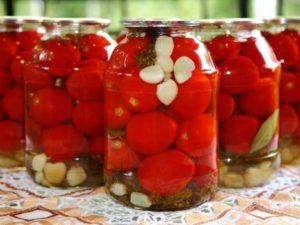
- How to prepare ratatouille for the winter
- Necessary ingredients
- Inventory
- How to make ratatouille at home step by step
- Preparing vegetables
- Preparing the ratatouille sauce
- Stewing vegetables
- Preparing ratatouille for the winter
- How to serve the finished product
- Features of cooking in a multicooker
- How and how long is the preparation stored?
Ratatouille is a vegetable dish that calls for preserving the salad in jars for the winter. This preparation is delicious and versatile. It can be served as a side dish or as the main ingredient on a plate. It also makes a great sandwich filling.
How to prepare ratatouille for the winter
The dish can be cut in two ways: into circles or cubes. The latter is most often chosen, as it is considered the classic method. All ingredients must be chopped into medium-sized cubes. Then proceed to the main cooking process.
Necessary ingredients
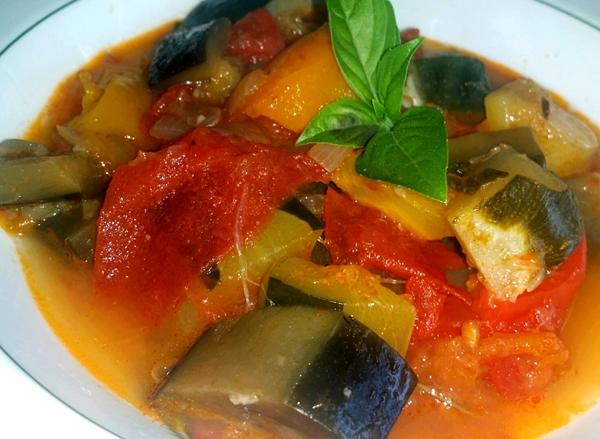
Since ratatouille is a vegetable dish, it's made exclusively with vegetables. Additional ingredients include herbs, spices, and herbs. The main ingredients are eggplant and tomatoes. Onions, garlic, and bell peppers are also included. Zucchini or squash can also be added if desired.
Bay leaves, oil (sunflower or olive), black pepper, and paprika are added to the vegetables. Connoisseurs prefer to use thyme and basil when preparing ratatouille. Salt is added to taste. Ground black peppercorns can be used instead of ground black pepper.
Inventory
Since all the ingredients need to be diced, a knife is used. A cutting board will be useful for convenient slicing of vegetables. For cooking, use a deep frying pan or saucepan. A spoon will be needed for stirring the ingredients.

How to make ratatouille at home step by step
This vegetable salad recipe is very simple. To ensure a successful dish, you need to follow every step.
Preparing vegetables
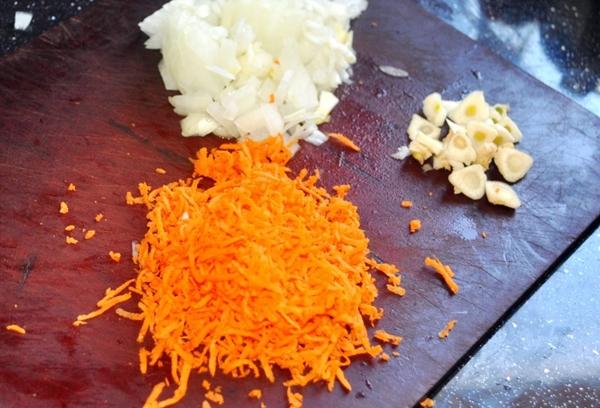
Wash all vegetables thoroughly and let them dry. Peel the onions and garlic. Peel the tomatoes if desired. Blanching them will make the process easier. Seed and stem the bell peppers.
Eggplants and zucchini are also left without stems. The skins are not removed before dicing. All ingredients are diced, including the onion and garlic. The sizes will vary, but this is not critical.
The chopped vegetables are not mixed together. Each ingredient is placed in a separate container.
Preparing the ratatouille sauce
The sauce is the juice released by vegetables during cooking. Typically, most of the liquid comes from tomatoes. To maximize the juiciness of the dish, use tomato juice instead of tomatoes. In this case, slicing the tomatoes is unnecessary.
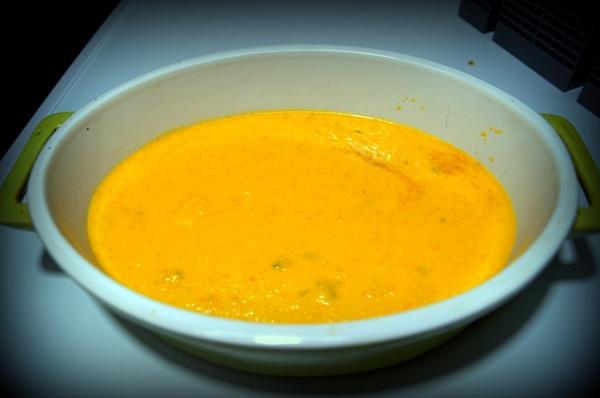
Stewing vegetables
The process is divided into several stages:
- Heat oil in a large saucepan and fry onion and garlic.
- Once they are fried, add diced bell pepper.
- Then add the eggplants. The vegetable mixture is mixed and simmered for 5 minutes over medium heat.
- Do the same with the zucchini. Simmer the dish again for at least 3 minutes.
- If the vegetables have become a little soft, add tomato juice or diced tomatoes.
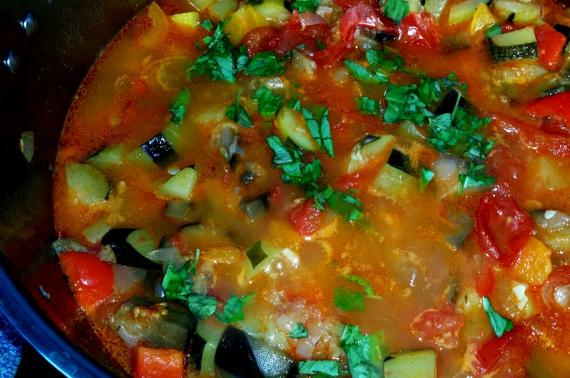
- Finally, add the spices, black pepper, salt, and bay leaf to the container with the vegetables. Mix everything thoroughly and cover with a lid. Simmer the mixture for an hour over low heat.
A few minutes before the ratatouille is ready, add basil and a sprig of thyme. At the final stage, check the dish for salt and pepper. If necessary, add additional seasonings. After cooking, proceed to sealing the jars.
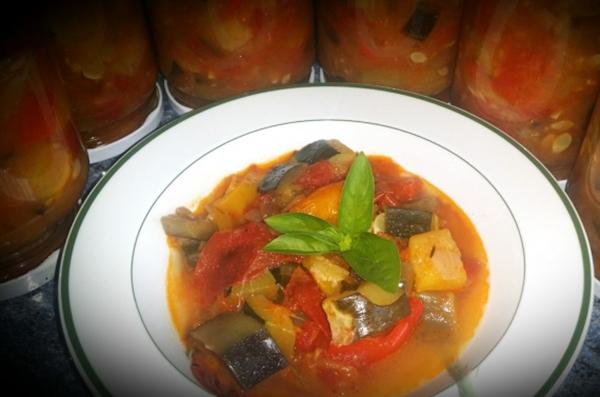
Preparing ratatouille for the winter
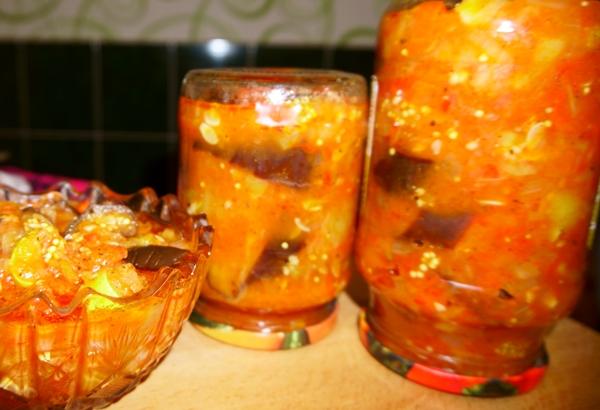
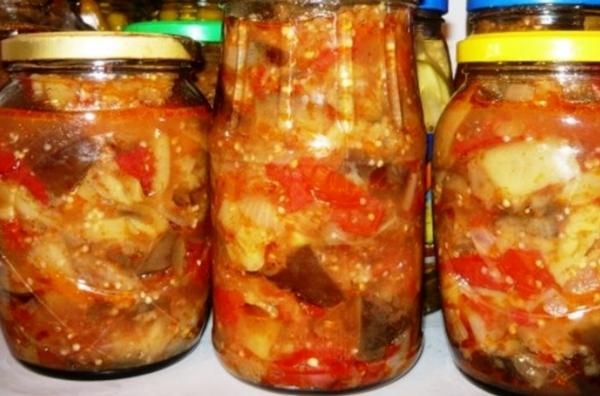
Ratatouille will keep for a long time if canned properly. Preserving the dish is easy. Vegetable jars should be washed and sterilized with hot steam. Without removing the mixture from the heat, continue cooking while simultaneously filling the jars. Once all the ratatouille has been divided into the jars, seal the jars with a key.
Each container is checked for leaks.
If the lid is tightly sealed, turn the jars upside down and wrap them in a blanket. Allow the ratatouille to cool completely. Afterward, take it to a basement or cellar. The coolest possible location is preferable.
Take a look Also
How to serve the finished product
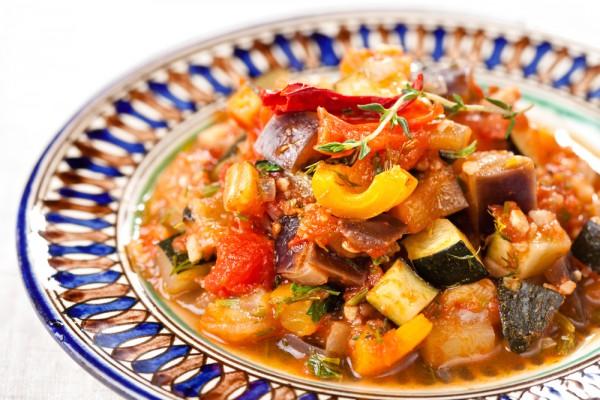
Ratatouille is called a versatile dish for good reason. It can be served as a salad, used for light appetizers, or as a full meal. The firm texture of the eggplants makes them filling. It pairs beautifully with potatoes, meat, and fish.
Ratatouille can be served cold or warmed up. Either way, it's delicious and unique in its own way.
Features of cooking in a multicooker
Ratatouille can also be made in a slow cooker. The device has a special "Stewing" mode, which will cook the vegetables until tender. This heat treatment prevents the mixture from sticking to the bottom and burning, reducing stirring to a minimum.
The multicooker allows you to set the cooking time. This is very convenient for home cooks who multitask. When the cooking time is complete, the device will notify you that the dish is ready to be jarred. Each multicooker program has its own time, but you can customize it by setting your own preferred time.
How and how long is the preparation stored?
Canned goods generally have a long shelf life, especially if they are sealed properly. Cold is the most important requirement for the storage area. Regardless of the location, be it a basement or cellar, the room should be dry and cool. Avoid storing canned goods near heat sources.
Winter preserves are best eaten within a year or two. However, there are exceptions. If the room is cool and dry enough and the jars are sealed tightly, vegetables can last longer. They will be just as delicious after opening. Therefore, ratatouille is an excellent winter preserve option.
Related posts:
 TOP 40 Hot Dish Recipes for New Year 2020: What to Cook
 TOP 13 step-by-step recipes for the winter snack "Mother-in-law's tongue" made from zucchini
 18 Easy Carrot Caviar Recipes That Will Make Your Fingers Lick for the Winter
 How to quickly prepare pickled eggplant in jars for the winter, the most delicious recipes and storage conditions for the preparations
 What to cook for New Year 2020: a new and exciting menu for the holiday table
 How to prepare ajapsandali for the winter in jars: the best recipes and storage conditions
 12 simple recipes for making cherry jelly for the winter
 A recipe for quickly preparing lightly salted zucchini in a bag, saucepan, or jar, along with storage instructions.
Take a look Also