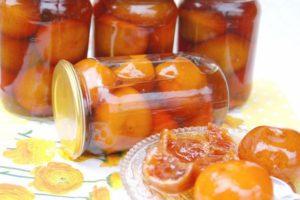
Jam made from semi-cultivated apple slices for the winter is just as good as jam made from other fruits. You just need to master the technique. The secret lies not in a single-stage cooking, but in a series of repeated heating to a boil and cooling. This way, the slices remain intact and acquire a translucent appearance. And the taste of this apple jam is truly heavenly, delicate.
The beneficial properties of semi-cultivated apple jam
A properly cooked dessert preserves its vitamins, microelements, and other beneficial substances, including pectin, in their original state. The aroma and natural apple flavor are also present. If desired, adding a little orange zest creates a new combination of tart and sweet notes in the dessert. The jam is excellent as a stand-alone dish and can be recommended as a universal cold remedy.
Preparing fruits and containers
Before cooking, wash the apples and remove stems and any blemishes. The preservation and flavor of the jam depend on how thoroughly this step is performed. Wash the jars in warm water using a sponge or soft cloth. Once the process is complete, sterilize them as usual. Now you're ready to make the jam.
Recipe and step-by-step preparation of a winter treat
First, decide on a cooking recipe. For beginner cooks, it's recommended to try the classic method first before moving on to other variations. The most important thing is to get the proportions right: there should be exactly the same amount of apples as sugar.
But in this case, the “net” weight of the raw material is taken into account, that is, without cuttings, seeds, damaged areas and other waste.
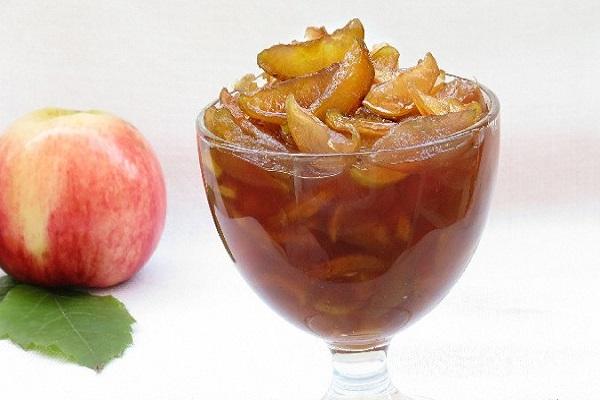
Step by step the process looks like this:
- Sort the apples, removing any spoiled ones. Wash, peel, and slice the remaining apples. If the skin on the half-ripe apples is thick and tough, you can remove it with a knife.
- To make jam, you need a suitable container—a bowl or saucepan. Apples are placed in it, layer by layer, sprinkled with sugar. The jam is then covered with a lid, a towel, and a cutting board to allow the apples to release their juices. The semi-cultured apples are left in this state for 12 hours to 24 hours.
- The jam will be cooked in this same vessel. If a more suitable container is available, transfer the apples into it. Now we begin cooking: place the container on the stove and wait for it to boil. Let the mixture simmer for about 5 minutes, no more, then let it cool.
- Once the jam has cooled to room temperature, reheat it, boil for 10 minutes, and then let it cool. For the third round, cook for 5 to 30 minutes. The goal is to cook the jam pieces until they become translucent without turning them into mush. You can repeat the process as many times as you like, adjusting the color and consistency of the final product.
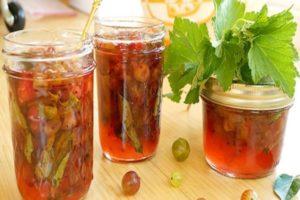
Once the cooking is complete, all that remains is to place the finished dessert into jars and roll them up.
Classic version
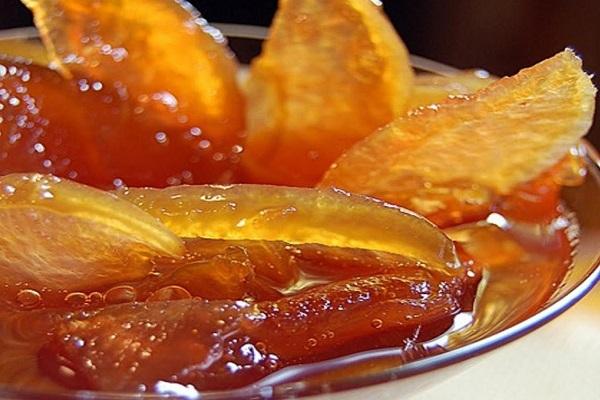
The classic method produces a clear, moderately runny jam with clearly defined fruit segments. A pinch of cinnamon is recommended for a more subtle flavor. Firm, firm, even greenish fruits are best: these are the ones that produce the amber-colored jam. On average, the dessert takes about 6 hours to cook. The secret is the same: heat to a boil, simmer, cool, and repeat.
The consumption of ingredients is:
- apples – 1 kilogram;
- sugar – from 700 grams to a kilogram.
The calculation is based on already prepared slices, excluding stems, cores and seeds.
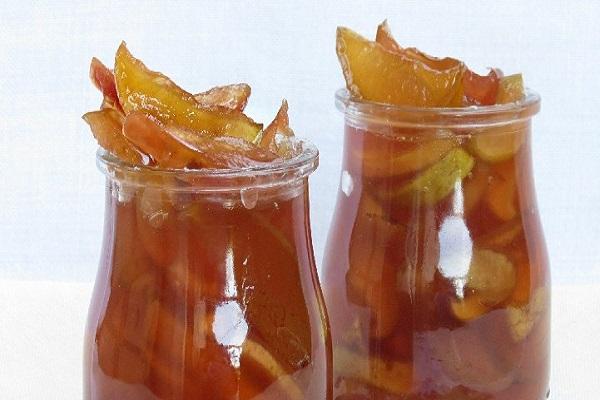
Jam from semi-cultured fruits in transparent slices
To make clear jam from a semi-cultivated variety you will need:
- apples – 1 kilogram;
- sugar – 1.1 kilograms;
- citric acid – 23 grams;
- vanilla sugar – 1 pack.
Prepare the fruit as usual: peel, remove the skin if necessary, and cut into equal strips. Place the finished slices in a wide bowl and sprinkle with granulated sugar. Let them sit for at least 12 hours. Then slowly bring to a boil (do not stir!) and simmer for 5 minutes.
This procedure is repeated up to three times. This is how the jam becomes clear. Before the final boil, add lemon juice and vanilla sugar. Finally, divide the jam into jars and seal.
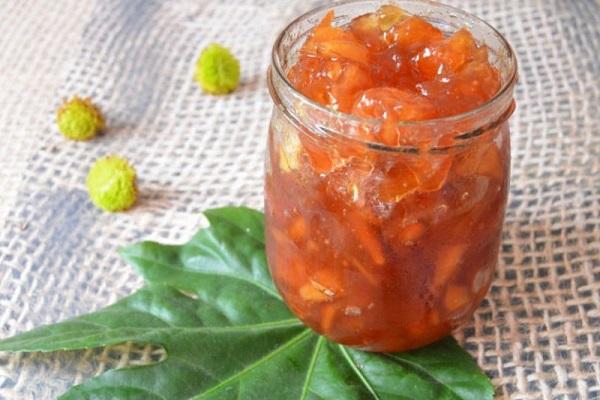
Storage conditions and periods for the finished product
Jam is stored in standard canning conditions—out of direct sunlight, at a stable temperature. This could be a cupboard, pantry, or cellar.
Serving rules
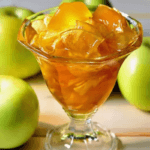
The jam looks especially impressive in transparent rosettes or salad bowls. It's great served with tea, as a separate dish, or as a dessert.
Related posts:
 27 Best Homemade Apple Jam Recipes for the Winter
 15 simple recipes for making blueberry jam at home with apple and lemon in a slow cooker
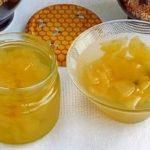 27 Best Homemade Pear Jam Recipes for the Winter
 Simple step-by-step recipes for making melon jam for the winter and tips on choosing the fruit and storing the preserves
 Simple step-by-step recipes for making lingonberry jam for the winter
 14 Best Step-by-Step Recipes for Making Apricot Jam for the Winter
 TOP 10 recipes for jam from garden and wild strawberries for the winter, in a slow cooker and on the stovetop
 TOP 8 recipes for making clear jam from White Naliv apples in slices for the winter
Take a look Also