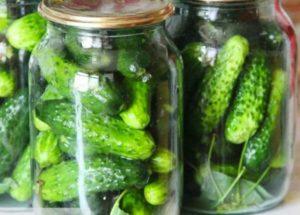
The shelf life of winter preserves depends on the quality of the ingredients used. Everything plays a role: water, vinegar, and the condition of the vegetables. It's important to know what salt to use when pickling cucumbers for the winter to ensure they're crisp, firm, and delicious.
How does salt affect the taste of canned food?
Since ancient times, ordinary crystals without any additives have been used for pickling vegetables. It's difficult for modern people to understand the production processes. But it's important to know that there are different types of grinding. Fine crystals penetrate the fruit more quickly, speeding up the pickling process. However, this doesn't always improve the flavor of cucumbers or tomatoes. It's better to pickle vegetables slowly. This way, they retain their beneficial properties. Therefore, it's worth considering coarse grinding.
The preparation method affects the appearance, taste, and aroma of the preserves. Therefore, it's important to know what salt to use for pickling cucumbers and other vegetables.
Types of salt
The quality of salt crystals depends on the extraction method. They are extracted from the ground using various equipment. Sodium chloride crystals are evaporated from seawater. This results in a varied product composition, which affects the taste and quality of vegetable preserves for the winter.
Marine
Sea salt crystals vary in color and aroma, depending on the product's origin. Gray salt, for example, contains particles of volcanic dust, seafloor clay, and algae. This distinctive flavor will also be imparted to pickles.
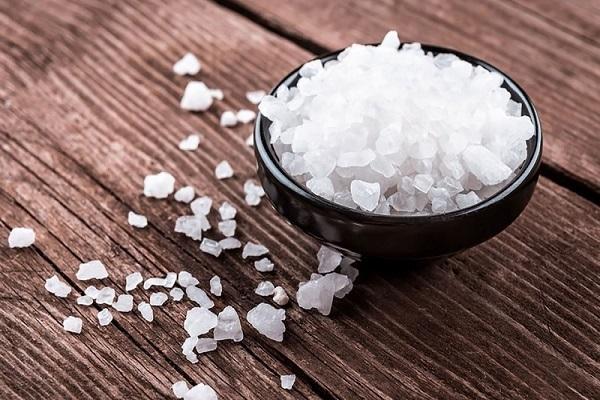
Salt deposits mined in the Indian Ocean contain a lot of sulfur and other trace elements.
Large crystals of sodium chloride of pure white color are used for pickling cucumbers and fermenting cabbage.
Iodized
Iodine fortification of foods has only recently begun. This is due to a decline in the consumption of foods containing sufficient iodine. Without this nutrient, thyroid function malfunctions.
Don't worry about iodized salt crystals ruining your winter preserves. However, this product isn't suitable for all vegetables.
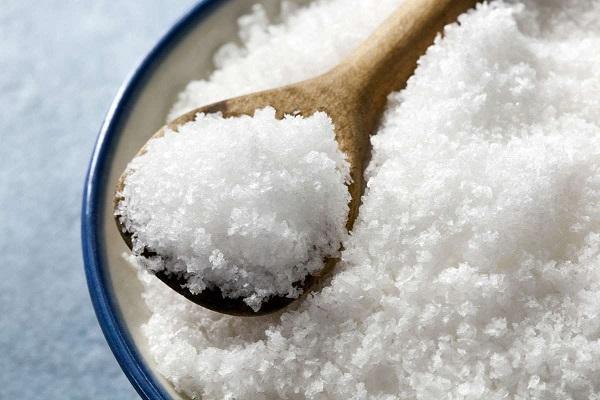
Stone
Mineral, or stone, sodium chloride is mined in mines. The crystals of this mineral are pure white. However, sodium chloride with a grayish or yellowish tint is sometimes encountered. The color is due to its composition. When using it in canning, care should be taken to avoid spoiling the flavor of the preserves.
Extra salt
This type is characterized by a fine grind. The mineral is extracted from deep within the earth, so the deposit must first be flooded with water and the solution pumped out. The liquid is then evaporated or frozen, resulting in fine crystallization. Caution is advised when using this product. The sodium chloride concentration is so high that it's easy to overdo it with salting. Extra is rarely used for winter canning.
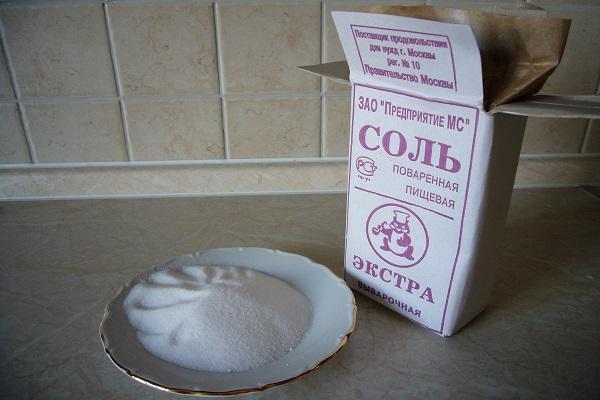
Self-precipitating, or cooking
A variety of stone crystal is one whose deposits are found at the bottom of bodies of water. It's not for nothing that it's called self-sedimenting. When settling, the crystals acquire a grayish color. This is due to the sediment particles trapped within.
The crystals do not lose their nutritional value and can be used in canning vegetables.
What kind of salt is used?
Before preparing pickle brine, carefully select the ingredients. This will allow you to safely preserve the vegetables throughout the winter.
For preservation
It's best to preserve cucumbers for the winter with coarse salt. This will help the pickling brine soak in longer, ensuring the vegetables retain all their vitamins and beneficial microelements. You'll need medium-grain salt, but it should be pure and free of impurities.
For salting
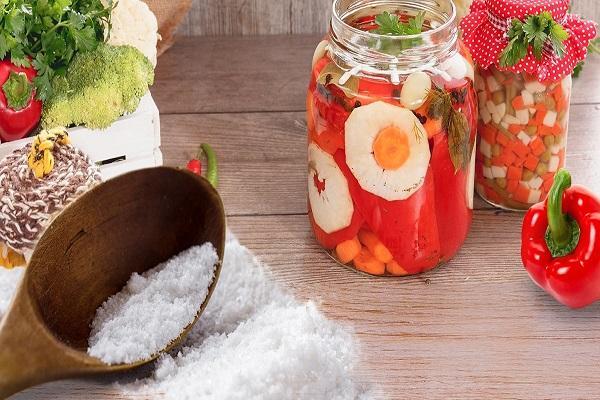
Pickling cucumbers is done using either rock salt or table salt. It's best if the salt is pure and white in color. Medium grinding is required for pickling.
For marinating
The cucumber marinade is boiled beforehand. It's best to use coarse, medium, or finely ground sodium chloride. The latter type marinates faster and dissolves instantly. It's important to maintain the correct salt ratio in the marinade.
Can cucumbers be preserved with iodized salt?
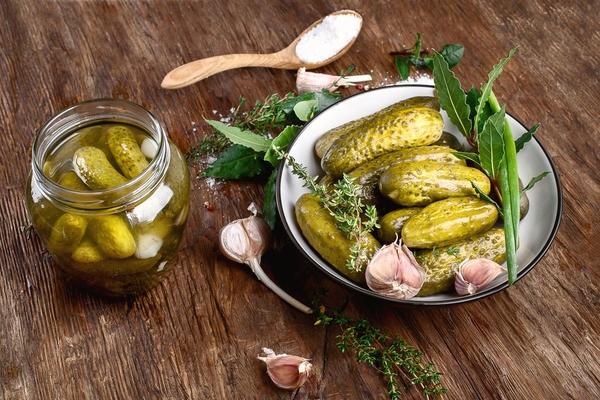
Housewives are shocked by parliamentary proposals to sell only iodized salt: will it be possible to pickle cucumbers or not? The production of iodized salt has changed, so there's no need to worry about cucumbers spoiling or becoming tasteless. Nowadays, crystals are no longer enriched with sodium thiosulfate. Changes in crystal enrichment have meant that iodized salt can be used for pickling cucumbers. It won't affect the appearance, taste, or shelf life of the preserved cucumbers.
What happens if you pickle with iodine?
If the salted crystals contain potassium iodate, then there is no need to worry about spoiling the pickled cucumbers.
Medium grinding of the product will allow cucumbers to be preserved in brine for a long time, since potassium iodate is not destroyed by heat.
If the package lists sodium thiosulfate as an ingredient, it's best not to use the product for pickling or marinating. The vegetables will lose their vibrant color, turn black, and shrivel. The cucumbers will also taste bitter.
Related posts:
 How to prepare pickled cucumbers in adjika for the winter without sterilization and Caucasian style: recipes
 Can you preserve and pickle Zozulya cucumbers? The best winter recipes with tomatoes, peppers, and rowan berries.
 TOP 10 recipes for quickly preparing lightly salted crispy cucumbers using cold and hot methods in a saucepan
 Description of the best varieties of Chinese cucumbers, planting, growing and care
 How to plant cucumbers in open ground under film: timing and cultivation technology
 TOP 10 ways to freeze fresh and salted cucumbers at home for the winter
 TOP 30 best varieties of cold-resistant cucumbers with descriptions and characteristics
 How and with what to cover cucumbers from the cold in open ground, what to do for protection
Take a look Also