
The Kirzhach tomato was developed by Russian breeders. It is a first-generation hybrid with large, attractive fruits. Kirzhach tomatoes have increased immunity to fusarium, cladosporiosis, and tobacco mosaic virus. Their fruits are resistant to blossom-end rot. Kirzhach tomatoes are eaten raw, pickled, and marinated. They are also used to make ketchup and tomato paste.
Technical data of the hybrid
The characteristics and description of the Kirzhach F1 variety are as follows:
- The first harvest of fruits is obtained 110 days after the development of seedlings.
- The plant's stem grows to 140-150 cm. The bush is not prone to damage due to the large number of berries on its branches.
- The stem produces numerous large leaves. The root produces numerous adventitious branches, which helps the hybrid absorb nutrients more quickly.
- Each ovary produces up to 5 berries.
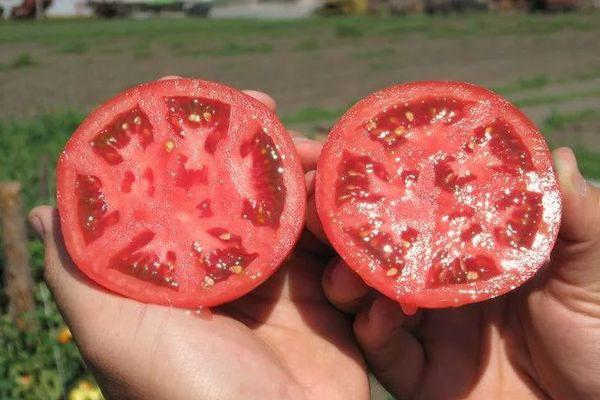
- The fruits are spherical in shape and covered with a thick, red-colored skin.
- The berries weigh between 0.15 and 0.25 kg. They contain 5-7 seed chambers.
Reviews from farmers growing this hybrid indicate that its yield is 6 kg of berries per bush.
The fruit can be transported over long distances because the skin prevents the berries from cracking if mechanically damaged. Tomatoes can be stored in a cool place for 15 days.
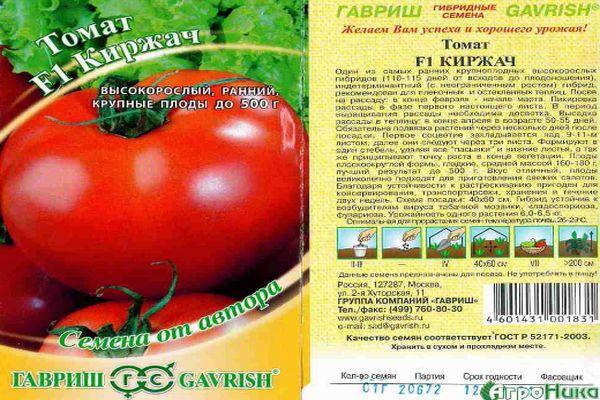
This hybrid is cultivated throughout Russia. In the North Caucasus and the Volga region, this variety grows in open fields. In the temperate zone, tomatoes are grown in unheated plastic greenhouses. In the northern regions, it is recommended to grow tomatoes in greenhouse blocks and hotbeds.
How to get seedlings
Seeds are planted in special tomato soil 55-60 days before the expected date of transplanting the plants into the greenhouse. Most often, sowing occurs in the last ten days of February. If the seeds are sown earlier, the yield will decrease by 30%.

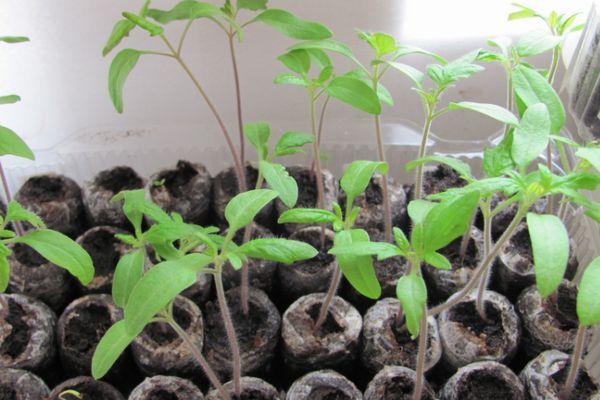
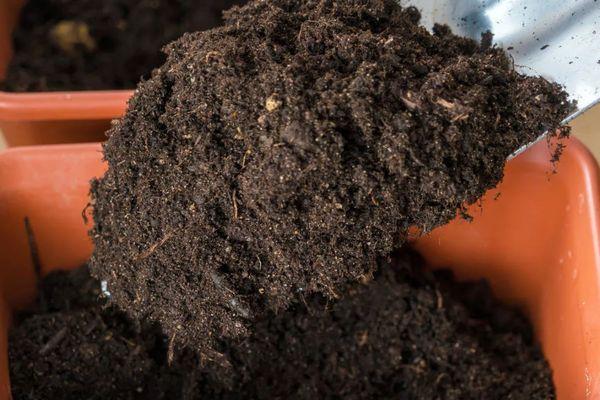
You can make your own soil by mixing equal parts peat, sand, and soil. Add organic fertilizers, such as manure, to the resulting soil, then fill the boxes with the soil. Plant the seeds at a depth of 10-15 mm. After 2-3 leaves appear, transplant the seedlings. A second transplant is performed once the young plants reach 8-10 cm.
Fertilize with complex fertilizers 15 days after the first transplant. About two weeks before planting in the permanent beds, harden off the seedlings by placing them outdoors.
Transplant seedlings into the greenhouse in the last ten days of May. The soil in the beds should be well warmed. The bushes are planted in a 0.4 x 0.6 m pattern, with 3-4 plants per square meter of bed. Tomatoes are trained into a single-stemmed bush, so they need to be tied to a stake or trellis.
How to shape a tomato bush and care for the plants?
All side branches are removed from tomato stems. This is necessary to increase air circulation around the plants. This prevents fungal infections and reduces humidity, which attracts slugs that destroy tomatoes.
While the bush is growing, remove all lower leaves and side shoots. This should be done during the day in sunny weather.
In early August, pinch the tops of the hybrid's stems. This procedure stops the bushes from growing upward. The tomato directs all its nutrients toward fruit production.
The beds under the tomato plants should be loosened three times a week, one day after watering. Loosening the soil allows oxygen to reach the tomato roots, which improves the plants' immunity.
Water with warm water, left to stand in the sun, before sunrise or after sunset. It is recommended to water the bushes three times a week. Weeding the beds eliminates the risk of late blight. This procedure is performed once a week.
Fertilize the bushes three times per season. Initially, as the seedlings grow, nitrogen and organic fertilizers are added to the soil. After fruit set, fertilization continues with potassium-rich mixtures. When fruit begins to appear on the bushes, the plants are fed with complex mixtures and organic fertilizers.
To prevent disease, it is recommended to treat the bushes with medicinal preparations or copper sulfate. If a gardener notices a diseased tomato plant, the plant should be destroyed to prevent infection of other bushes.
Garden pests (aphids, Colorado potato beetles and other insects, their larvae and caterpillars) can destroy crops if the necessary measures are not takenTo combat pests, it's recommended to use chemical pesticides or folk remedies (soapy solution, copper sulfate). To kill pests that damage tomato roots, add wood ash to the soil.
Related posts:
 Characteristics and description of the Sprut tomato variety, yield and cultivation
 Description of the best Dutch tomato varieties for greenhouses and open ground
 Description of the best varieties of black tomatoes for open ground and greenhouses
 Description and characteristics of the best indeterminate tomato varieties for greenhouses
 Description of blight-resistant tomato varieties for open ground and greenhouses
 Description of the best tomato varieties for pickling and canning
 Characteristics and description of the De Barao tomato variety, yield and cultivation
 A review of the best tomato seed varieties for open ground in the Rostov region