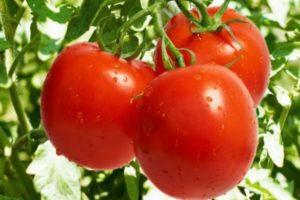
The Kazachka tomato is an indeterminate variety, meaning it will grow continuously in both greenhouse and open-air conditions. As a result, the plants will continually produce new fruit ovaries.
Characteristics of fruits
Those who have planted Kazachka tomatoes publish reviews and photos online. According to gardeners, the Kazachka variety grows well in various regions of the country. However, only in the south is it recommended to safely plant the plants in open soil, without fear of them being damaged by sudden temperature changes.
Below is a description of the variety and characteristics of the fruit. This tomato variety is mid-late, so the harvest can be in mid- to late July. Each bush should be tied horizontally and vertically to prevent the plant from breaking during growth. This can happen, as tomatoes can grow up to 1.9 m in height.
The variety's stems are twining and flexible, so gardeners should watch carefully for any signs of swaying. Tying the plant to supports will make it easier to harvest the fruit when it ripens. The stem is also easier to shape once the bush is already tied. This should be done every 2-3 trunks. No more than 4 plants per square meter should be planted, which will ensure a large harvest.
Gardeners who have already planted Kazachka tomatoes note the following positive qualities of this tomato variety:
- Planting should be done in a 50x50 cm pattern, which directly affects the quality of the harvest.
- The first tomatoes can be harvested 120-125 days after planting the seeds in the ground.
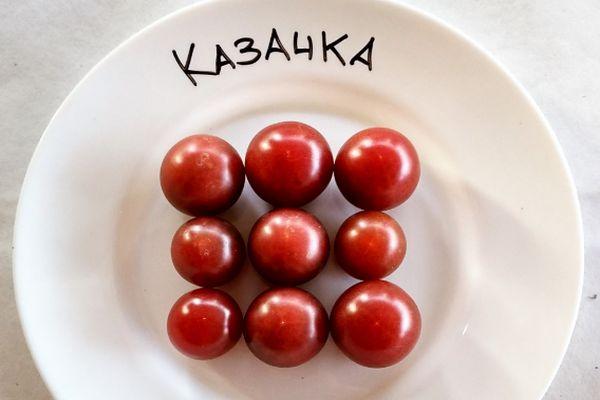
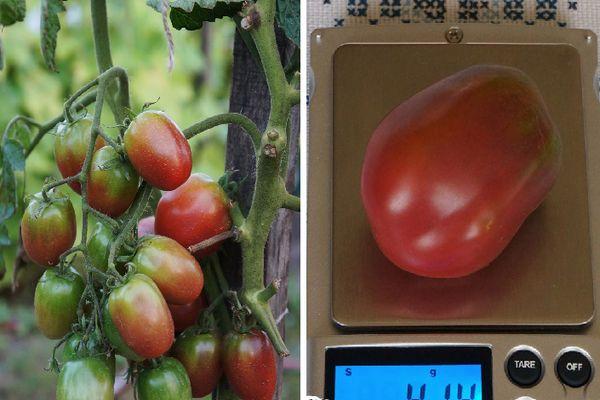
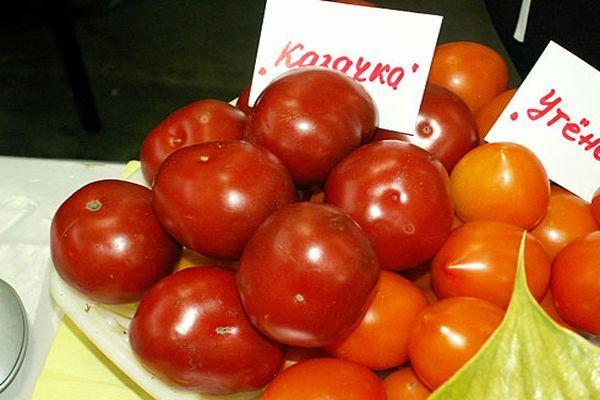
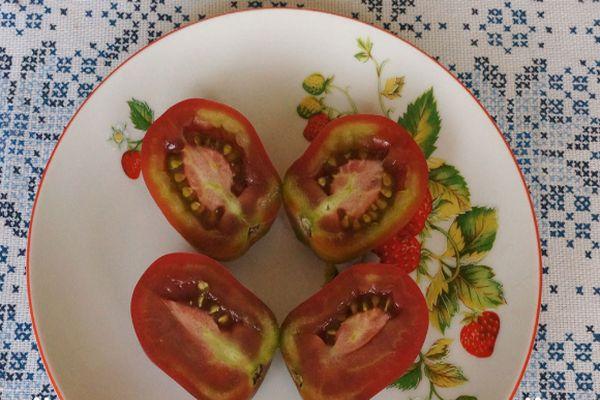
- The fruits are round or barrel-shaped, small in size.
- The color of tomatoes is red, red-brown or dark.
- The fruits have a pleasant, delicate taste.
- Tomatoes are covered with a thin skin.
- They smell nice.
- The texture is juicy and sugary.
- Don't pick tomatoes too early, as they won't be as sweet. They won't ripen properly on the windowsill.
- The weight of 1 Kazachka tomato is 35-50 g.
- You can harvest up to 2 kg of tomatoes from 1 bush.
Tomatoes can be used in salads, made into tomato juice, puree, used in soups in the summer, and canned. However, keep in mind that the thin skin makes them prone to cracking when unwrapped.

Growing and care rules
To ensure a bountiful tomato harvest, the plants require constant care. Plant the seeds in the soil and fertilize them at least twice to help the seedlings develop properly. For this purpose, use liquid fertilizers designed for seedlings.
Before transplanting to a greenhouse or garden, the roots of the bush should be watered or dipped in an antifungal solution. Growing will be more productive if you select the strongest plants before planting. The rest should be discarded.
Caring for the bushes includes regular watering, loosening the soil, and fertilizing. Use only warm water, ranging from 15 to 20°C.
Drip irrigation is best, allowing all the plant's leaves to be irrigated. Water every 8-12 days, alternating with loosening the soil directly under the tomato plants. This will protect the plants from fungi and infections and ensure adequate air circulation.
The greenhouse or area where the tomato will grow should not have high air humidity. Tomatoes are allowed to ripen and grow at humidity levels up to 70%. If this level is exceeded, tomato pollination will not occur. Low humidity will have a similar effect.
To increase crop yields, you need to regularly mulch the soil, which will remove weeds, fertilize and moisten the soil.
Related posts:
 Description of the best varieties of black tomatoes for open ground and greenhouses
 The 14 Best Tomato and Aspirin Recipes for a 3-liter Jar for the Winter
 TOP 17 recipes for pickled sweet tomatoes for the winter
 16 Best Quick Pickled Tomato Recipes for the Winter
 Rules for growing tomatoes in open ground, choosing a variety, planting and care
 11 Best Recipes for Preserving Tomato Slices for Winter
 Recipes for amazing tomatoes in jelly for the winter, with and without sterilization, you'll lick your fingers
 What fertilizers and when to use for feeding tomatoes in a greenhouse