The Metelitsa tomato was developed by breeders at the Siberian Research Institute in collaboration with representatives of the Russian Agricultural Academy in the early 2000s. The variety was developed specifically for beginning farmers in their own backyards. Experienced gardeners also give Metelitsa F1 positive reviews. It is recommended for growing tomatoes in the Siberian or Ural regions.
What is the Metelitsa tomato?
The variety's characteristics and description help you decide whether it's worth growing in your garden. Metelitsa tomatoes are a hybrid tomato variety.
The bushes are determinate, the maximum height does not exceed 60 cm, in some cases the bush grows only up to 0.5 m.
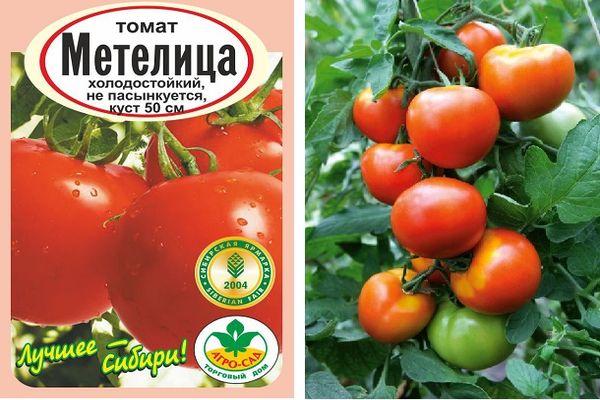
The plant has small foliage, the leaves are medium in size.
This tomato has a medium ripening period, with 110 days from the first shoots to the first harvest. It can be grown both outdoors and in greenhouses or temporary hotbeds.
Metelitsa is resistant to a number of common diseases, as well as to sudden temperature fluctuations. Metelitsa can bear fruit until mid-autumn.
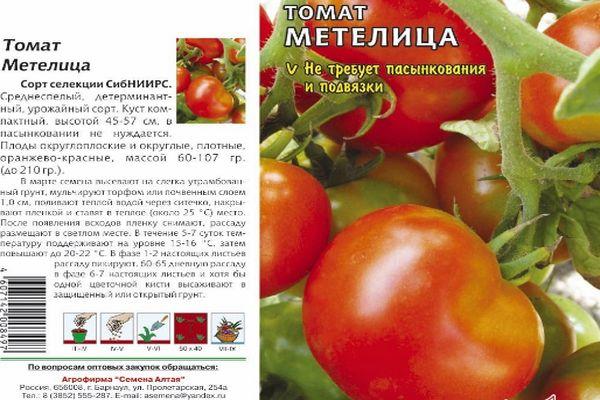
No more than 4-6 Metelitsa tomato plants should be planted per square meter of soil. The plant doesn't require staking due to its short stature. Pinching out side shoots isn't a key part of care, but experts recommend periodically removing unwanted shoots and shaping the plant into 1-2 stems.
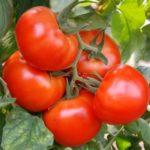
The Metelitsa tomatoes described above are characterized by fairly large fruits. A ripe tomato can weigh up to 200 g under favorable growing conditions, but on average, it ranges from 60 to 100 g. The fruit is deep red in color, and green when unripe. The tomatoes are round and slightly flattened.
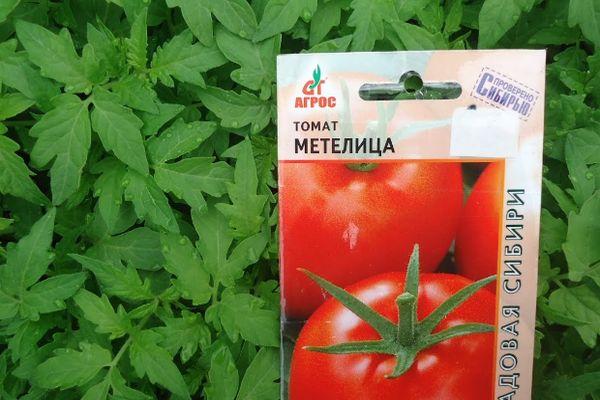
Fruit pulp description: fleshy, dense, with a sweet flavor with a slight tartness. These tomatoes are suitable for sale due to their good taste and attractive appearance.
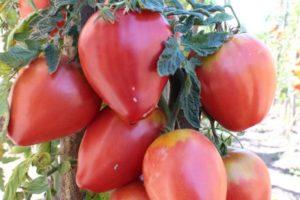
The fruits are suitable for eating in any form—fresh, canned, or used in tomato juice or sauce. Once ripe, the vegetables can be stored for a long time in a warm or cool place. They also transport well over long distances.
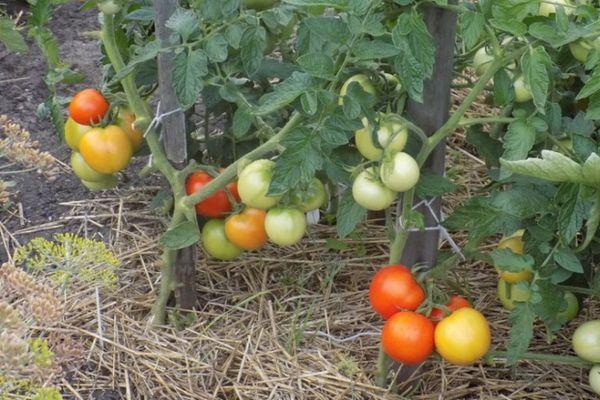
When discussing the Metelitsa variety's characteristics, its high yield is particularly noteworthy. Tomatoes of this variety also possess a number of other positive attributes:
- Relatively simple to grow tomatoes.
- Universal use in cooking.
- Immunity to a number of diseases common among tomatoes.
- The ability to store ripe fruits for a long time, as well as transport them over long distances.
- Farmers who plan to grow tomatoes for sale are attracted by the yield of marketable fruits - about 97%.
- It can be grown even in cool areas and tolerates temperature fluctuations well.
How are tomatoes grown?
Metelitsa tomatoes are recommended to be grown in sunny locations. This is especially important for those growing tomatoes in northern regions. Planting them near walls or fences is not recommended; water the plants sparingly with warm water.
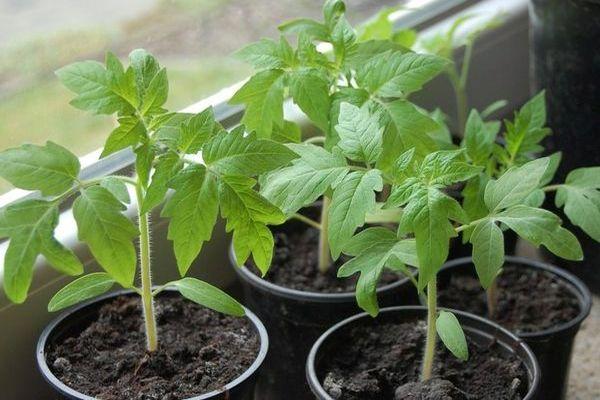
Seeds are sown in late March, allowing about three months before the planned planting date. After the seedlings have three true leaves, it is recommended to transplant them into several separate containers. Tomatoes are planted in their final location in late spring or early summer.
Tomato bushes Metelitsa f1 require regular watering, loosening of the soil and removal of weeds from the ground.
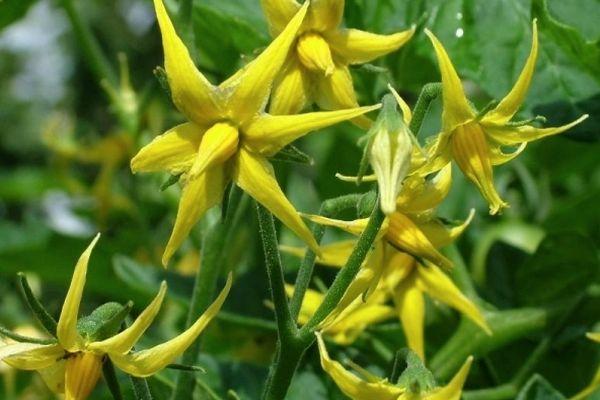
Plants need to be fed with mineral fertilizers, and measures must also be taken to protect tomatoes from diseases and insects that can damage the plant.
Tomato plants should be watered so that moisture doesn't reach the stems or leaves—only the soil beneath the plant. Metelitsa tomatoes should be harvested as they ripen; the average harvest period is 1.5 months.
Related posts:
 Description of the best varieties of black tomatoes for open ground and greenhouses
 16 Best Quick Pickled Tomato Recipes for the Winter
 TOP 17 recipes for pickled sweet tomatoes for the winter
 The 14 Best Tomato and Aspirin Recipes for a 3-liter Jar for the Winter
 15 simple recipes for pickling tomatoes in jars for the winter
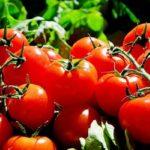 What varieties of tomatoes are best to plant in a polycarbonate greenhouse?
 How to make marinated tomatoes in jars for the winter using a Bulgarian recipe
 Which tomato varieties are best for open ground?