
The Russian-bred tomato variety "Roza Vetrov" was developed for regions with challenging climates. These tomatoes tolerate both hot sun and prolonged cold rains. Some gardeners believe they can withstand short-term temperature drops to just above 0°C.
Characteristics of plant qualities
Rose of the Winds is a determinate variety. The bush is short, reaching up to 60 cm in height, and tops itself after 3-5 clusters. By tying these plants to supports, they can be planted quite densely (up to 6 per square meter), increasing yield per unit area.
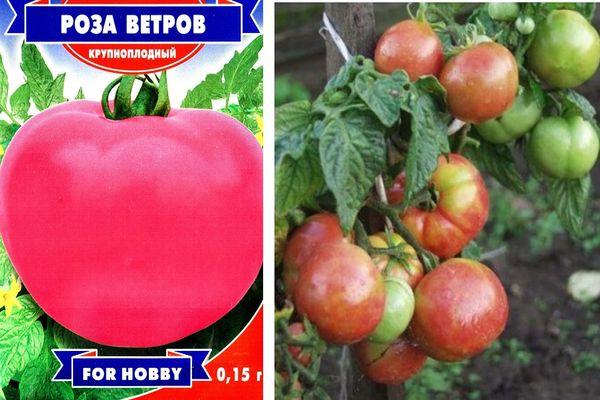
The manufacturer describes the Roza Vetrov tomato as early-ripening, with a ripening period of approximately 95 days from sowing. However, gardener reviews indicate that the first ripe fruits appear later than most early varieties grown in similar conditions. Roza Vetrov can be considered a mid-early tomato, with actual ripening occurring approximately 120 days from sowing.
Vegetable growers' descriptions and characteristics of the Rose of the Winds variety also point to another drawback of the Rose of the Winds tomato: it lacks genetic resistance to brown leaf spot and root rot. The variety can be affected by these diseases even in relatively favorable seasons without excessive rainfall. To prevent disease, the area where Rose of the Winds is planted will need to be treated with chemicals to preserve the harvest.
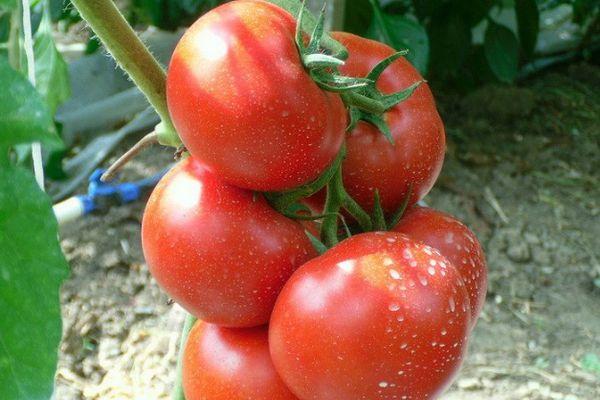
The average berry weight is 100-120 g, with 4-6 ovaries forming per cluster, all ripening simultaneously. The yield isn't particularly high, but it's decent for a low-growing tomato. One bush can yield about 2 kg of marketable fruit, with 5-7 kg of tomatoes per square meter. This variety is typically grown outdoors, but is also suitable for greenhouse conditions.
Fruit characteristics
The tomatoes are round, slightly flattened, and lack pronounced ribbing. At biological maturity, they are a rich pink with a pearly sheen. Unripe tomatoes are pale green, with a dark spot at the base.
The skin is firm, not rough. It withstands heat treatment well, does not split during ripening, and is practically unnoticeable when eaten fresh. Tomatoes store well and withstand transportation even when ripe.
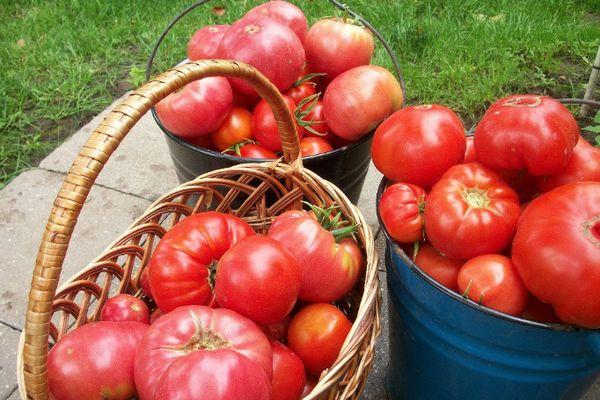
The fleshy pulp, with small seed chambers, is tender and juicy. The taste is excellent: the tomato is sweet, with a pleasant acidity and a rich aroma. The color is uniform, with no light spots in the center of the fruit.
Tomatoes of this type are most often eaten fresh. The sweet fruits are delicious in salads and appetizers, and they make a delicious sandwich. They acquire an even more pleasant flavor when baked. Pink tomatoes are low in acid, hypoallergenic, and recommended for baby food and dietary use.

Small, calibrated berries are good for whole-fruit preserves. For canning, it's best to select slightly unripe tomatoes, which have a firmer texture. Ripe tomatoes can be successfully processed into an unusual, beautiful, and delicious tomato juice with a light pink hue. The pulp can be used to make similarly exotic sauces, lecho, or tomato paste.
Growing tomatoes
The variety's characteristics dictate the timing of seedling cultivation. Early-ripening varieties should ideally be sown 50-60 days before transplanting to their permanent location. However, given the actual and later ripening time of the crop, it makes sense to sow a little earlier, allowing the seedlings to be at least 70 days old before planting. Then, the first harvest can be expected in approximately 1.5 months.
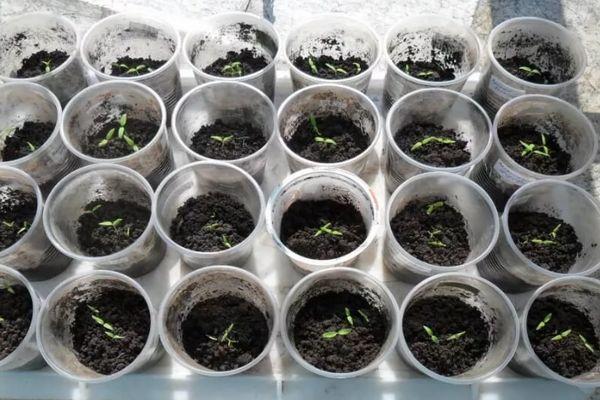
For sowing, prepare the soil with equal parts fertile soil, sand, and humus. Disinfection is carried out using a hot, dark solution of potassium permanganate, generously saturating the soil directly in the seedling tray.
Sow the seeds when the substrate has cooled. Scatter the seeds over the surface and then cover them with a thin layer of dry sand (0.5 cm). No need to water; simply cover the container with plastic wrap and place it in a warm place (+25°C). Once the seedlings emerge, remove the cover.

In the 2-3 leaf phase, seedlings are transplanted into boxes according to the 7x7 cm pattern. The seedlings may stretch out, so it is advisable to illuminate them with a phytolamp, increasing the daylight hours to 15-16 hours.
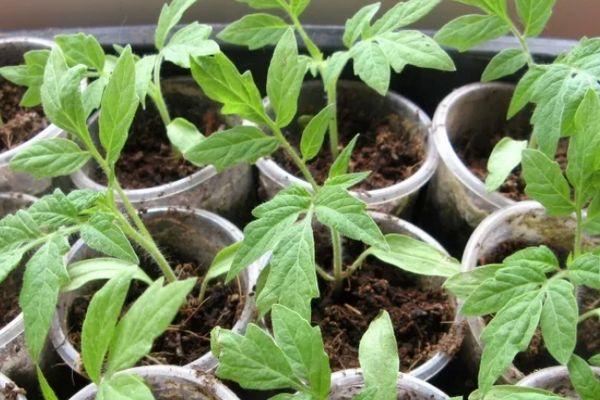
Tomatoes can be planted in a greenhouse in mid-May and in open ground in early June. The recommended planting pattern is 30 x 60 cm. If the seedlings have become leggy, they can be planted horizontally, placing the stems in a trench about 20 cm deep. Leave 3-4 top leaves above the surface. The distance between the tops should correspond to the specified planting pattern. Additional roots will soon form on the buried portions of the stems, improving the plant's nutrition.
Related posts:
 Description of the best varieties of black tomatoes for open ground and greenhouses
 The best eggplant varieties for growing in a polycarbonate greenhouse: planting and care
 What varieties of tomatoes are best to plant in a polycarbonate greenhouse?
 Description of the best tomato varieties for open ground in the central zone
 The best tomato varieties for growing in the Leningrad region for greenhouses and open ground
 The best and most productive tomato varieties for greenhouse cultivation in the Urals, with descriptions
 Making finger-licking good eggplant caviar with peppers and tomatoes
 16 Best Quick Pickled Tomato Recipes for the Winter