
- The History of Thornfree Blackberries
- General idea of the variety
- Bush size
- Crown shape
- Fruiting periods and yield indicators
- Application of berries
- Characteristics of berry crops
- Winter hardiness and drought resistance
- Immunity to diseases
- Pros and cons of culture
- Landing
- Timing of planting operations
- Selecting a suitable site
- Required soil composition
- Selection and preparation of seedlings
- Landing technology and scheme
- Further care
- Irrigation and fertilization
- Pruning and shaping
- Shelter for the winter
- Prevention and treatment of diseases and pests
- Reproduction
- Apical layering
- Green cuttings
- Seeds
- Gardeners' reviews of the variety
The Thornfree blackberry is considered one of the first berry varieties to be completely thornless. It ripens relatively late, but is easy to grow and highly drought- and heat-tolerant. It is beloved by many gardeners for its outstanding appearance and flavor.
The History of Thornfree Blackberries
The Thornfree variety was bred in the mid-1960s by Dr. Scott (Maryland, eastern United States). In 2006, the variety was officially added to the Russian state registry.
General idea of the variety
Thornfree blackberries are a dessert variety, distinguished by their excellent flavor and rich aroma. They are easy to separate from the stem, and they are also highly durable and retain their shape for a long time.
Bush size
The shoots have a faceted base and reach up to 3.1 centimeters in width. Mature blackberry plants can reach heights exceeding 3.5-5 meters.
Crown shape
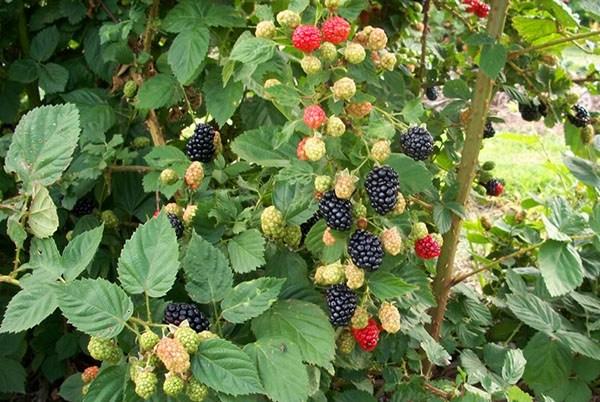
The bush has long, stiff shoots, with slight pubescence on the side branches. The berries are thornless, yielding from several dozen to hundreds per branch during harvest. Blackberry shoots are distinguished by their rounded shape.
Fruiting periods and yield indicators
The flowering period for the Thornfree blackberry variety in central Russia begins in early summer and varies depending on a number of factors. The harvest is from late August to September.
The variety is characterized by uneven ripening, which can last up to one and a half months.
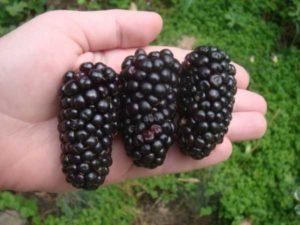
A single mature bush yields up to 22 kilograms of fruit (the weight of a ripe berry ranges from 4 to 7 grams). The ripeness of the berries is determined by their bluish bloom and softness, which can be felt when pressed with the fingers.
Application of berries
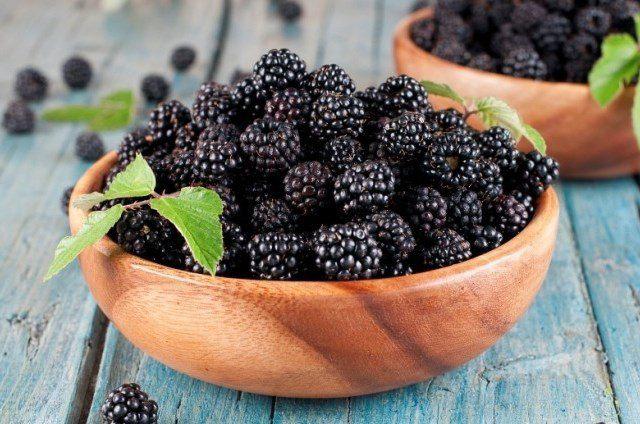
Thornfree blackberries are not suitable for long-term storage, so they are best eaten fresh or made into jams or preserves. You can preserve most of the berries' flavor and nutritional properties by storing them in the refrigerator at a temperature of 32 degrees Fahrenheit (0 degrees Celsius).
Characteristics of berry crops
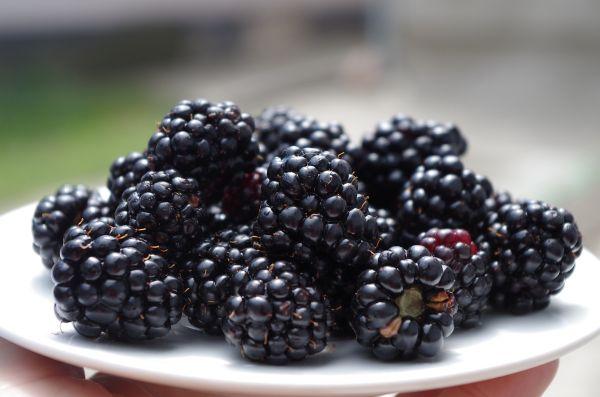
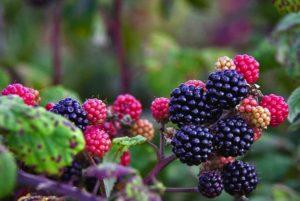
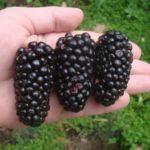
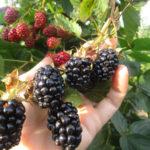
This blackberry variety is distinguished by its rather large pink flowers. The berries are conical in shape, with glossy, dark purple skin.
Winter hardiness and drought resistance
The Thornfree blackberry's winter hardiness leaves much to be desired; temperatures below -20°C (-4°F) can be fatal. The plant is relatively insensitive to heat and drought, and with proper watering, it can easily survive high temperatures.
Immunity to diseases
Under favorable external conditions and if general recommendations for cultivation are followed, Thornfree blackberries are practically not susceptible to diseases and attacks by parasites.
Pros and cons of culture
The variety's advantages include its thornlessness, ease of cultivation, and high yield. The crop's advantages include:
- Resistance to various pests, which means that the use of pesticides during cultivation is not necessary.
- Excellent immunity that prevents the development of a number of diseases.
- Excellent external appearance during the fruiting and flowering period.
A downside of the Thornfree blackberry variety is the difficulty in catching it when it's fully ripe. Unripe berries have a sour taste, while overripe ones become cloyingly sweet and lose their shape.
Landing
Thornfree blackberry is not one of those varieties that is overly demanding in terms of external conditions, but before planting the crop, it is worth familiarizing yourself with the following information.
Timing of planting operations
Blackberry seedlings are usually planted in the spring, before buds have formed. Shoots can be planted in late September or early October, before frost sets in.
Selecting a suitable site
Since this variety thrives in warmth, it's recommended to plant blackberry seedlings in sunny, well-drained areas protected from the wind. Soil preparation begins in the fall, with tilling and fertilization. High yields are achieved in loamy soils with good drainage.
Required soil composition
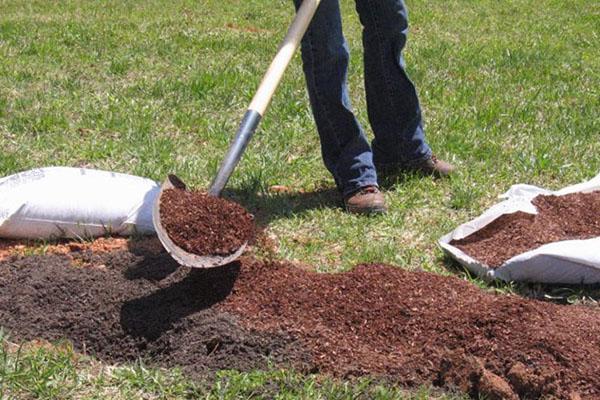
Blackberries don't thrive in carbonate soils, as they suffer from iron and magnesium deficiencies. Sandy soils similarly hinder their growth. Thornfree is generally considered to be easy on soil—light, loose, and fertile soils are preferred. It's best to prepare the soil mix in the fall. Acidic soils require liming beforehand.
Selection and preparation of seedlings
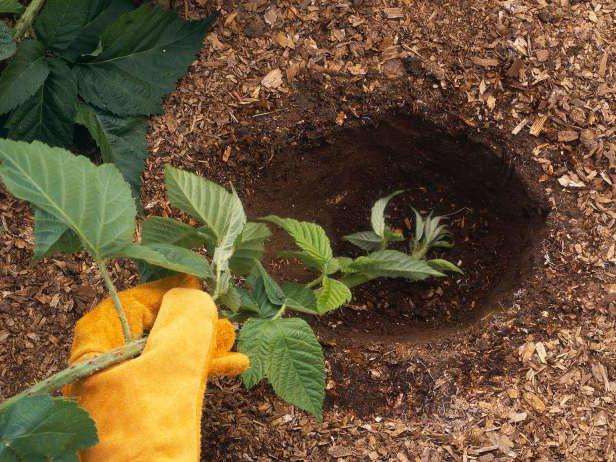
It's preferable to choose annual plants with a developed root system and at least two stems each more than 0.5 cm in diameter. The seedlings should have developed buds. Planting should be done using either strip or bush methods.
Landing technology and scheme
Plants are planted so that a distance of one meter is maintained between them. Some gardeners recommend maintaining a distance of up to 3-4 meters.
The width and depth of the hole vary depending on the quality and age of the seedlings.
Before planting, dig a trench no more than 55 centimeters wide. Place 11 centimeters of rotted manure at the bottom and dig it in. Mulch the soil around the bushes with chopped branches, sawdust, and peat.
Further care
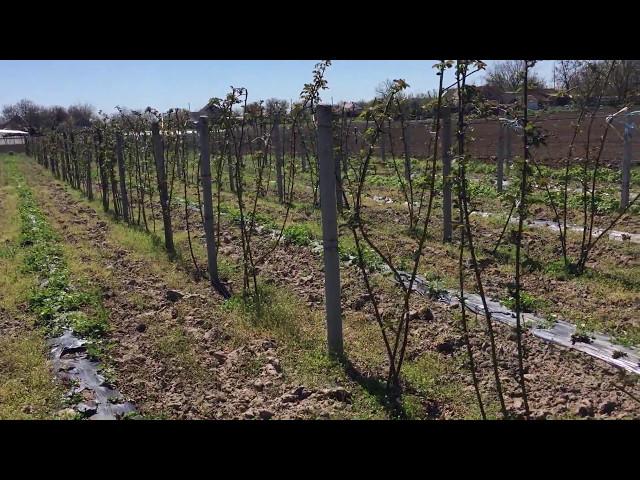
Once planted in the ground, the plants will require regular care for several years. Young shoots require shallow loosening, periodic fertilizing, and timely watering. Cultivation practices also include collecting and disposing of fallen leaves, weed removal, and preventative treatments.
Irrigation and fertilization
Blackberries are watered when the top layer of soil dries out. It's important to ensure timely irrigation not only after planting but throughout the flowering period.
A developed root system allows mature plants to go for long periods without watering. In late summer and early fall, watering is reduced to a minimum to allow the shoots to develop woodiness.
Thornfree blackberries are fertilized with nitrogen, potassium, and phosphorus fertilizers, as well as compost and humus. Watering is done once every seven days, applying up to 20 liters of water per bush.
Pruning and shaping
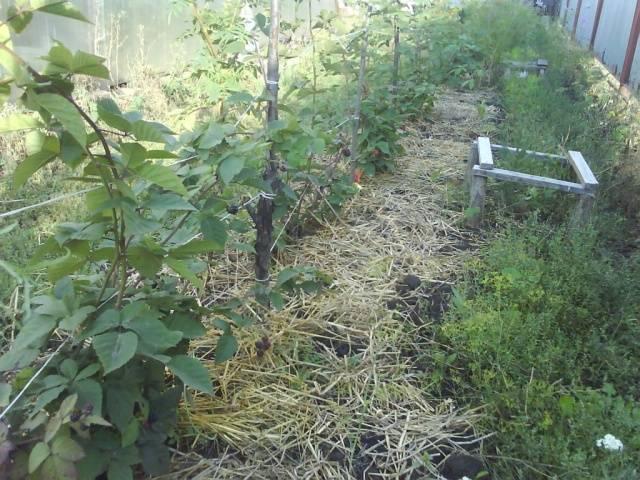
Branches that have already produced fruit are untied from their supports and pruned. New shoots are then tied up and pruned by 1/3 of their length. You can use either standard bush or fan-shaped pruning. Regular garden shears are suitable for pruning and shaping the bush.
Shelter for the winter
In late autumn, the process of preparing berry bushes for winter begins. Branches are untied from their supports and then carefully laid on the ground. They are secured with special hooks, then covered with a layer of dry grass and sprinkled with snow. The blackberries are then covered with plastic film or spunbond.
For insulation, spruce branches, dry leaves, or cardboard are often added. This variety can withstand temperatures down to -19 degrees Celsius.
Prevention and treatment of diseases and pests
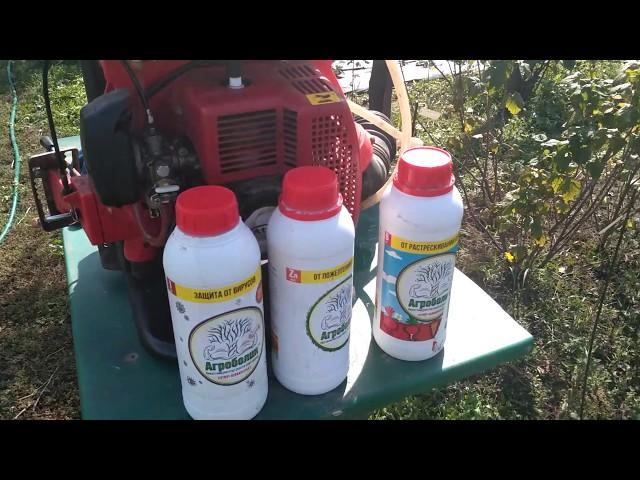
Proper planting and following care recommendations will help protect blackberries from diseases and various pests. Blackberry gall mites are considered a dangerous pest, as their infestation prevents the Thornfree variety from fully ripening. These mites overwinter on the bushes, so in late autumn, remove old stems and treat the plants with pyrethrum or garlic infusion.
Reproduction
The Thornfree variety is highly self-fertile and can be propagated by cuttings, layering, and seeds.
Apical layering
Propagation by apical layering is the simplest method. The top of the blackberry plant is buried horizontally in the soil, with only the crown visible. It's important to provide the blackberry shoot with ample water. Shortly before winter sets in, it is separated from the mother plant and protected from the cold. By this time, the seedling should have a well-developed root system.
Green cuttings
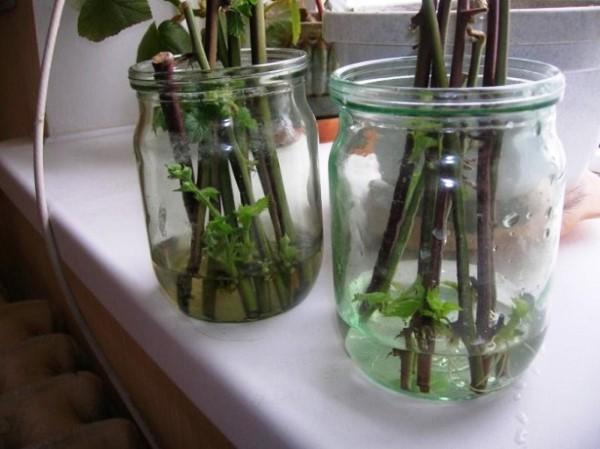
Propagation by green cuttings is considered optimal for rooting tops and allows for the production of an impressive number of blackberry shoots. To ensure the young plants adapt well, the shoots are pruned in the summer and then divided into cuttings. After removing leaves and buds, the shoots are planted in soil and covered with plastic film to ensure maximum rooting.
Seeds
To ensure good germination rates of blackberries, shortly before sowing, the seeds are stratified, scarified and soaked for three days.
Gardeners' reviews of the variety
Vitaly Sergeevich, pensioner.
"After retiring, I decided to get serious about my own garden plot. Among other fruit crops, I wanted to try growing thornless blackberry varieties Thornfree. I planted seven bushes, choosing a perfect spot along the fence line, providing the shoots with protection from the wind and excellent light. During the first harvest, I got up to 3 kilograms per bush, and my whole family was delighted with the taste of the blackberries."
Related posts:
 Description and characteristics of the Natchez blackberry variety, planting and care
 When and how to prune blackberries: timing and instructions for beginners
 How to care for blackberries in open ground, growing and planting
 A simple recipe for making blackberry jam for the winter
 Description and characteristics of the 40 best blackberry varieties, yield indicators
 Description of thornless blackberry varieties and their cultivation, planting and care
 Timing and methods for propagating blackberries at home, planting rules
 How to make blackberry jelly for the winter without gelatin: simple homemade recipes