
- Specifics of preparing adjika for the winter
- What vegetables and fruits are used for cooking?
- The best recipes for winter
- Classic version
- Recipe with apples
- With carrots
- Adyghe adjika made from peppers – no cooking
- In Armenian
- Green tomato adjika with quince
- Georgian with khmeli-suneli
- Adjika "Posadskaya" - with tomatoes, garlic and horseradish
- Adjika with blue eggplants recipe
- Kiev style
- We're making a finger-licking good snack.
- Delicate adjika with plums
- A delicious Belarusian-style zucchini preparation
- Spicy adjika with chili
- Georgian adjika with walnuts
- Original gooseberry recipe
- Hot tomato and apple sauce, no vinegar
- Hot adjika with basil
- Storage terms and conditions
This Abkhazian dish has long been an indispensable winter appetizer on many home cooks' tables. The best winter adjika recipes are prepared not only with fresh, juicy vegetables and fruits, which have a rich flavor, but also with a variety of seasonings, the flavors of which unfold during the cooking process. Adjika can be made tender and smooth, or spiced up, or sweet and sour, depending on the ingredients.
Specifics of preparing adjika for the winter
First, you need to prepare the ingredients, carefully selecting them, using only those that are undamaged or unblemished. Then, all the fruits and vegetables are washed and left to dry on a towel to remove any excess water from the peels.
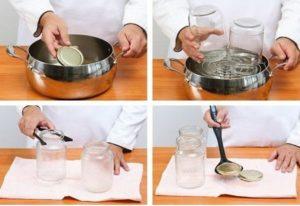
Jars and lids should be sterilized before cooking. This can be done by steaming them in a steamer or using a special attachment on a saucepan. They can also be heated in the oven. Boil the lids in water for about 10 minutes.
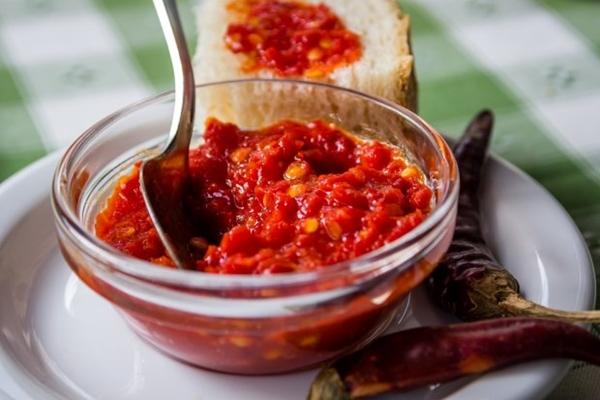
What vegetables and fruits are used for cooking?
The more different spices a cook adds to adjika, the richer and more varied its flavor will be. But it's important not to overdo it, otherwise you'll end up with a mixture of flavorless ingredients.
Used by:
- tomatoes;
- onions;
- garlic;
- bell peppers of any color (sweet);
- chili pepper (hot);
- horseradish;
- eggplants;
- apples;
- plums;
- cherry plum;
- carrot;
- nuts;
- zucchini.
You can experiment and add different ingredients if you wish.
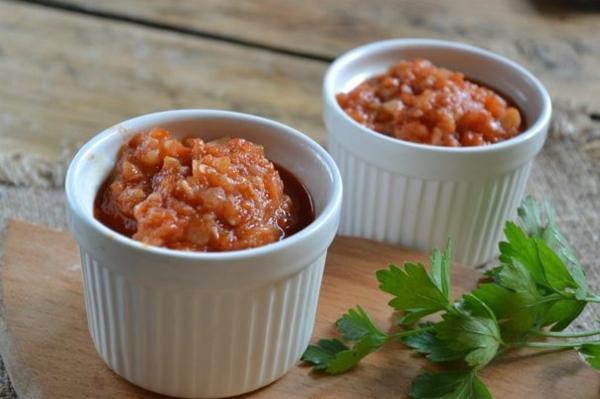
The best recipes for winter
The main thing in all recipes is to find the right, harmonious combination of ingredients that produces a rich flavor. You can balance your favorite recipe with spices.
Classic version
The most common option is a simple appetizer that has a slightly spicy, but not hot, flavor. You will need:
- carrots and apples - about 1 kg each;
- tomatoes - a little more than 2 kg;
- sweet pepper - a little less than 1 kg;
- garlic - 250 g;
- sugar - 1 glass;
- vinegar 9% - half a glass (adjust);
- salt - ¼ cup;
- chili pepper - to taste;
- a glass of vegetable oil.
Before cooking, wash and chop the vegetables. Remove the seeds from the peppers, and the cores and hard parts from the apples. Grind all ingredients into a pulp. You can use a medium or fine grater, or a meat grinder attachment. A blender will produce a puree.
Transfer the entire mixture to a saucepan and simmer, stirring occasionally, for about an hour. Add all the spices. Add the garlic a few minutes before it's ready. Let it simmer for about 5 minutes. Transfer the finished dish to a container. Canning should only be done in sterilized jars. Seal and let cool, then transfer to a basement or cellar.
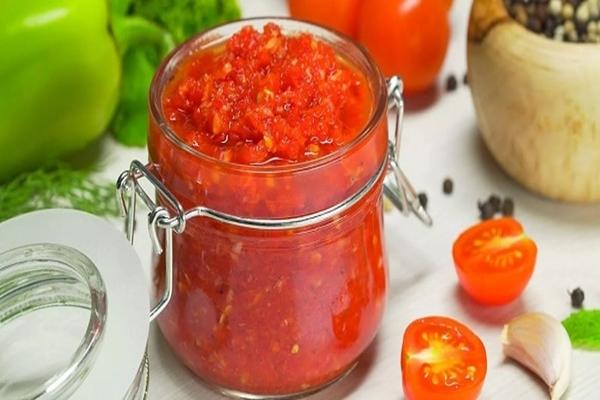
Recipe with apples
Sweet apples add a unique flavor, softening the spiciness and adding richness to the dish. You can use several varieties at once or choose between tart or sweet apples. The final taste will depend on this. You will need:
- tomatoes - 1 kg;
- apples - 250 g;
- sweet pepper - 0.5 kg;
- onion - 150 g;
- chili pepper - to taste;
- vegetable oil - about 145 ml;
- garlic - 85 g;
- sugar - 1 tbsp;
- vinegar 9% - 2 tbsp;
- salt - 1 heaped tbsp.
Grind all ingredients using a convenient method—a meat grinder, blender, or grater. Cook in a saucepan for about an hour with vegetable oil. Add the minced garlic before removing from the stove. Add all the spices at this time.
Once all the ingredients have been added, let the adjika simmer, covered, for 1 hour to allow it to become even more savory and flavorful. Once ready, pour the dish into jars and screw on the lids.
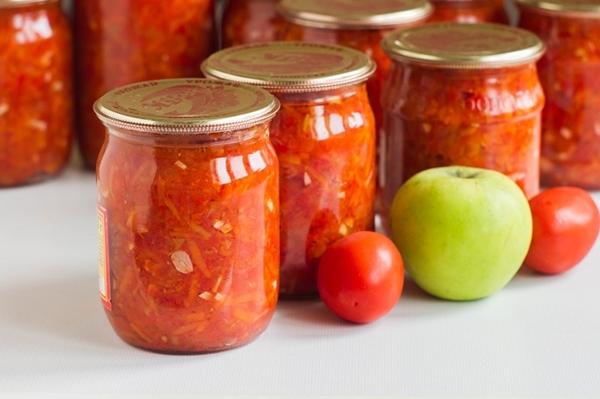
With carrots
To make adjika with carrots, you can use the standard recipe and add a little more of this vegetable for a richer flavor.
The flavor of the carrots themselves should not be overpowered, so it is best to cook them with sweet apples.
Adyghe adjika made from peppers – no cooking
This dish is easy to prepare. You will need:
- tomatoes;
- pepper mix;
- horseradish;
- garlic - a few cloves;
- salt, sugar, vinegar;
- vegetable oil;
- chili pepper - a few pods.
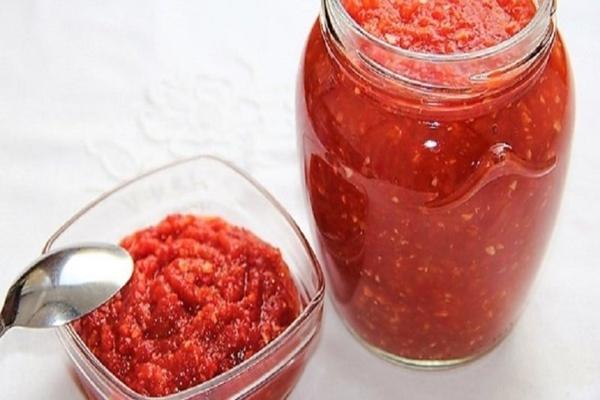
All ingredients should be blended or minced. You should get a puree; you can leave the pepper seeds in if you want a spicier version. Pour into one bowl, and add all the spices to taste. Let the adjika steep for about 2 hours, then pour into jars.
In Armenian
The standard recipe calls for only tomatoes, peppers, and garlic. Salt, sugar, and vinegar are added to taste. This dish is prepared by simmering the vegetable puree in a saucepan for about an hour.
Green tomato adjika with quince
The unusual flavor of this dish will appeal to lovers of sophisticated combinations. You will need:
- green tomatoes;
- quince;
- sweet pepper;
- seasonings;
- sugar;
- zucchini;
- onions;
- vegetable oil.
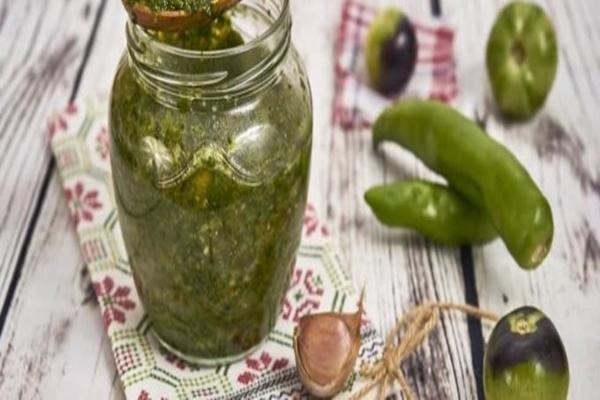
Cut the tomatoes and salt them to remove the bitter juice. Refrigerate them overnight. Drain the juice. Puree the vegetables and simmer for an hour. Add the garlic, chili, and spices and simmer for the same amount of time. Add sugar, butter, and salt. Bring to a simmer. Canning the adjika begins immediately after removing it from the stove.
Georgian with khmeli-suneli
You can make Georgian adjika at home by adding khmeli-suneli seasoning. Add all the spices to the tomatoes, peppers, and garlic (after an hour) and let them simmer for about 10 minutes.
Adjika "Posadskaya" - with tomatoes, garlic and horseradish
Grind all ingredients in a meat grinder. Add spices to taste. This version doesn't require cooking. Canned adjika will keep in the refrigerator thanks to the horseradish it contains.
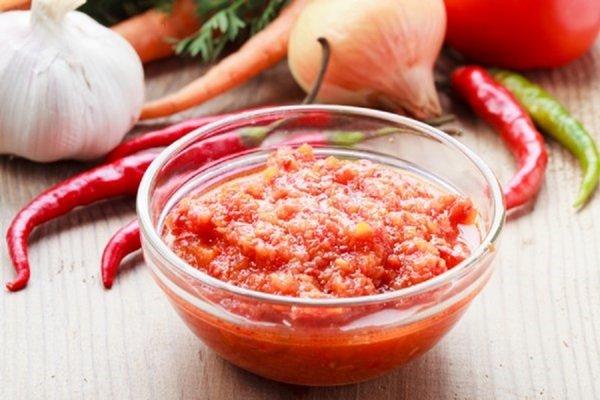
Adjika with blue eggplants recipe
This eggplant preparation is tender and easy to make with these ingredients:
- eggplants;
- apples;
- tomatoes;
- pepper;
- garlic;
- carrot;
- vegetable oil;
- spices;
- green.
While the mixture is cooking, prepare the eggplants, slice them, and sprinkle with salt. Let them sit for 20 minutes. Once the mixture is cooked (an hour or less), add the eggplants and cook for another 25 minutes, then add the spices. Pour into containers and seal.
Kiev style
All you need are tomatoes, apples, and peppers, along with spices to taste. The puree will need to be cooked until it becomes a thick paste. This will take about 3 hours. Then, the adjika is jarred.
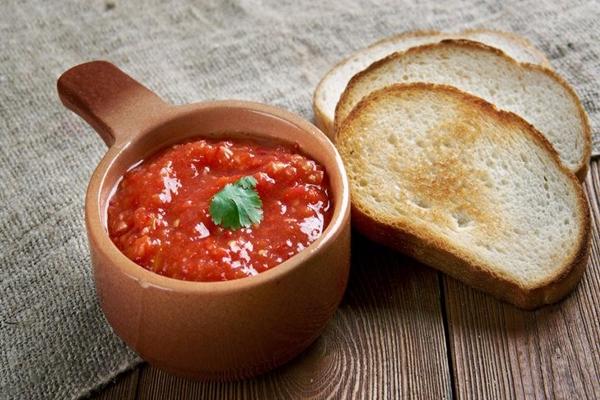
We're making a finger-licking good snack.
You can improve any recipe you like. You can add zucchini, eggplant, carrots, onions, or parsley. Cook the resulting vegetable puree, pour into jars, and seal with lids.
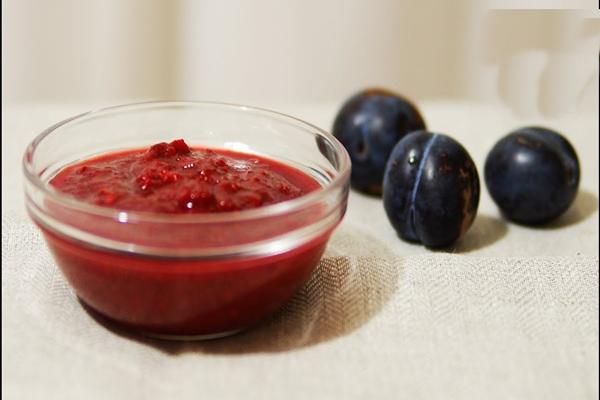
Delicate adjika with plums
This dish is perfect to add as a sauce. Ingredients:
- tomato sauce;
- garlic;
- plums;
- Chile;
- salt and sugar.
Puree and simmer for about an hour. Add spices and garlic a few minutes before it's done. Roll the adjika into jars.
A delicious Belarusian-style zucchini preparation
The standard recipe calls for only zucchini. Puree all the ingredients and cook for an hour. It's best to do this in a deep saucepan. Add the sugar and spices a few minutes before removing from the stove.
Spicy adjika with chili
For those who like it hotter, a recipe with chili peppers is a good choice. In any of the variations, add a couple of seeded peppers (you can adjust the spiciness of the dish). All ingredients are simmered for about an hour; if using ground pepper, add it at the end of cooking. The cooked adjika is poured into jars and sealed.
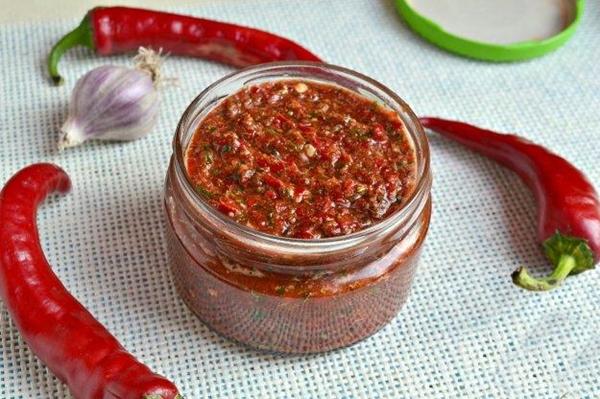
Georgian adjika with walnuts
Nuts will add rich flavor and sweetness. You will need:
- sweet and hot peppers;
- nuts;
- garlic;
- seasonings;
- vegetable oil.
Blend the ingredients. You can cook the adjika for about an hour, or skip this step.
Original gooseberry recipe
A simple way to make gooseberry adjika. Just take:
- berries - 3 cups;
- a clove of garlic;
- bell pepper - 1 pc.;
- vegetable oil - 3 tbsp;
- herbs and spices to taste.
Grind all ingredients. Mix, pour into jars, and refrigerate.
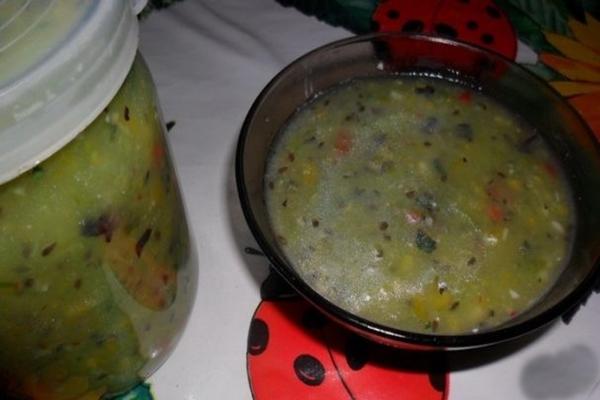
Hot tomato and apple sauce, no vinegar
To make spicy adjika, add chili pepper. Instead of vinegar, add horseradish. Grind the tomatoes, apples, horseradish, and garlic in a meat grinder, then add the spices. Pour everything into containers and seal the jars.
Hot adjika with basil
You can make spicy adjika by adding chili peppers. Use a combination of sweet and hot peppers with tomatoes and carrots. For a more spiced flavor, add a little more vinegar (adjust to taste).
Medium-spicy adjika is made with the addition of sweet apple, which softens the flavor. Basil can be used fresh or dried. Add it 10 minutes before removing from the stove. Pour into jars. To check that the jar is sealed tightly, place the lid on the jar.
If no liquid leaks, the jar is sealed tightly.
Storage terms and conditions
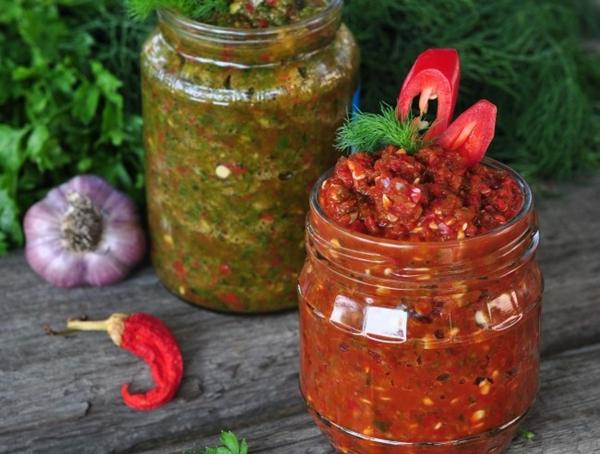
The product can be stored in the refrigerator for about a month, as well as in a cold cellar, unless cooked. Freezing it will keep it until winter. Once opened, it will keep for a couple of days.
Related posts:
 TOP 40 New Year's 2020 Meat Recipes Using Pork, Beef, Chicken, and Lamb
 TOP 40 Hot Dish Recipes for New Year 2020: What to Cook
 The best recipes for making adjika with apples and tomatoes for the winter
 TOP 20 delicious recipes for preparing bell peppers for the winter
 13 simple recipes for making tomato adjika for the winter at home
 TOP 17 recipes for pickled sweet tomatoes for the winter
 10 simple Armenian-style pickled hot pepper recipes for the winter
 33 of the best recipes for delicious cucumbers for the winter