
Many homemakers are interested in recipes for preserving cucumbers with apple cider vinegar for the winter. The internet offers a multitude of pickling methods, but it's difficult to determine how reliable they are. We'll cover preparing the vegetables and containers, preserving guidelines, choosing spices, and other aspects of the process.
The intricacies of pickling cucumbers with apple cider vinegar for the winter
Preserving cucumbers for the winter has its own subtleties: the vegetables need to be tasty, crispy, and attractive. A suitable preservative will ensure these qualities, preserving the cucumbers for a long time and enhancing their flavor.
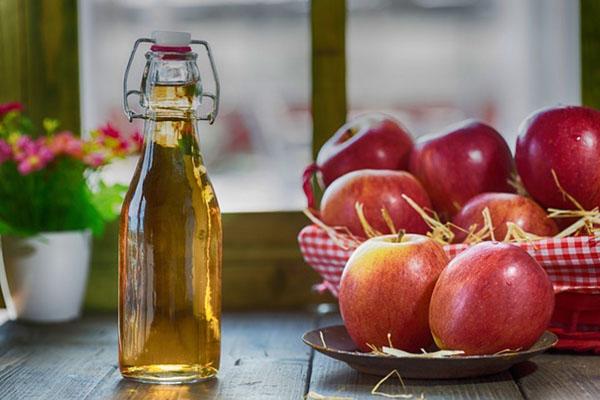
Experienced cooks recommend using apple cider vinegar. There are a wide variety of brands and brands available on store shelves, but whether it's suitable for pickling cucumbers, and which one is best, here are some recommendations.
Please note! For preserving cucumbers, use natural 4-5% apple cider vinegar (not to be confused with the synthetic 9% cider vinegar), made by fermenting apple juice.
Thanks to the gentle action of lactic acid bacteria, the preserves are delicious without losing their nutritional value. The vegetables retain their nutrients and vitamins, and the added natural vinegar is beneficial for health.
It's also important to choose the right herbs and roots to give the product its special piquancy. Suitable for this purpose are:
- tarragon;
- carnation;
- mustard (seed and dry ground);
- cherry and currant leaves;
- horseradish (root and leaves);
- parsley;
- dill;
- garlic;
- bay leaf;
- peppercorns.
Selecting and preparing cucumbers
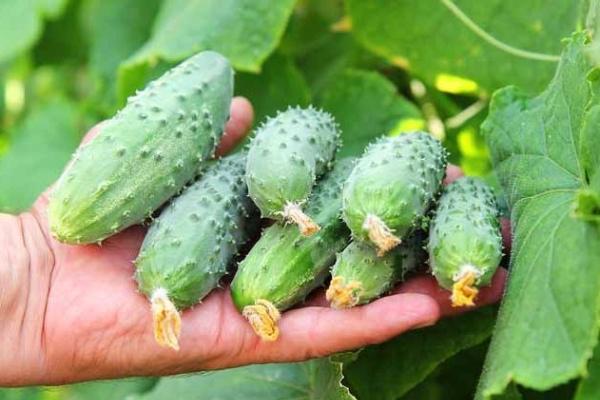
To make beautiful and delicious preserves, you need to choose the right vegetables. They should be:
- one size;
- without visible defects;
- a certain pickling variety;
- not sluggish.
Take a look Also
Vegetable preparation plays a crucial role in the canning process: wash them thoroughly, dry them with a clean towel, trim the ends on both sides, and lightly prick them with a toothpick. Before placing them in jars, it's a good idea to soak the vegetables in cold water for 4-5 hours. This ensures firmness and a pleasant crunch. If the vegetables are too large, it's recommended to use them for other purposes.
As a last resort, cucumbers are cut into several pieces, but you won’t get the same crunch as from smaller ones.
Preparing containers
Glass jars of any volume, from 0.5 to 3 liters or more, are suitable for containers. Wash them thoroughly with baking soda, after ensuring they are intact (no chips or cracks). Sterilize the prepared jars and lids and fill them with vegetables.
When preparing large quantities of pickles, an oak or plastic barrel is suitable. Thoroughly clean it with a soda solution and then rinse it with boiling water. Then, fill the wooden container with cold water and leave it for a month, after which the process is repeated. Before canning, rinse the barrel again with boiling water.
How to pickle cucumbers with apple cider vinegar at home
In today's technologically advanced society, many home cooks have forgotten the old recipes for preserving vegetables. They have been supplanted by newfangled preservation methods that use chemical vinegar as the primary preservative, while natural and nutritious methods are considered unreliable and ineffective. But this belief is misguided.
One of these methods for preparing cucumbers for the winter at home Preservation using apple cider vinegar is a must. Vegetables marinated with this preservative go well with any dish and are a delight for the whole family and guests.
Ingredients
- Cucumbers – 2.1 kilograms.
- Sweet bell pepper – 150 grams.
- Chili pepper – ½ piece.
- Garlic – 70 grams.
- Peppercorns – 6 pieces.
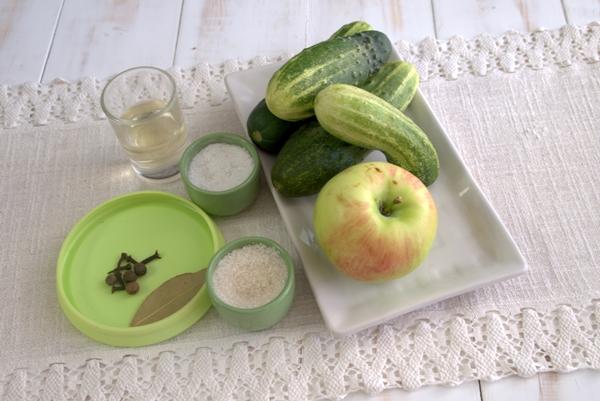
- Cloves – 4 pieces.
- Horseradish root – 1 piece.
- Horseradish leaves – 1 piece.
- Cherry and currant leaves – 3 pieces each.
- Dill.
- Bay leaf – 4 pieces.
- Sugar – 4 tablespoons.
- Salt – 1.5-2 tablespoons.
- Apple cider vinegar – 160 grams.
Cooking steps
- The jars are thoroughly washed, checked for integrity, and sterilized.
- Place pre-washed horseradish, cherry and currant leaves, and spices on the bottom.
- The garlic is peeled, washed and added to the other ingredients.
- The processed horseradish root is cut into rings and placed in a jar.
- The previously soaked cucumbers are washed thoroughly, the ends are cut off and they are pricked in several places with a fork or a wooden toothpick.
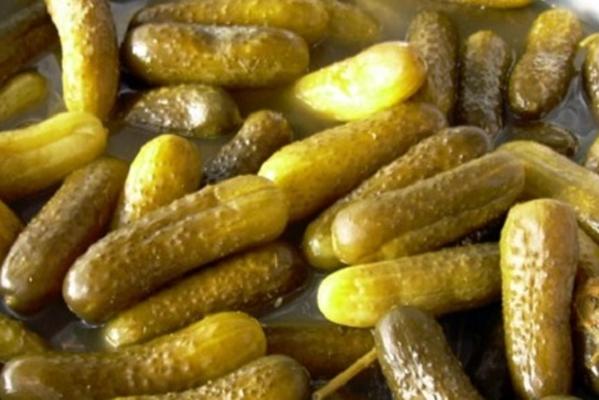
- Place on a clean towel and let the water drain.
- Large vegetables are cut into several pieces.
- The bell pepper is seeded and cut into slices.
- The vegetables are packed tightly into the jar, filling it completely. Adding chili pepper to the jar adds an extra touch of flavor.
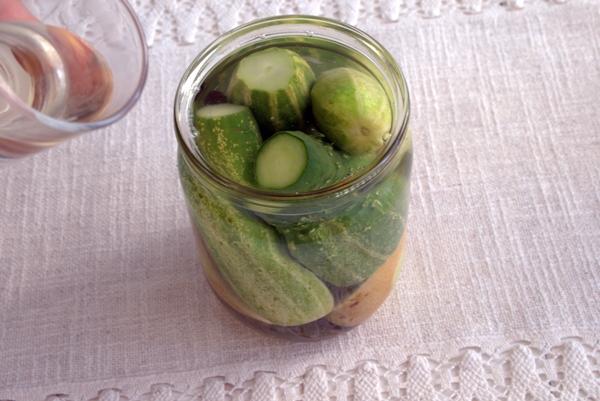
- The filled jar is filled with boiling water and allowed to cool completely.
- The cooled water is drained, and the contents of the jar are filled with a new portion of boiling water.
- After cooling, pour the water into a saucepan; add salt and sugar, bring to a boil, simmer for a few minutes, and add apple cider vinegar.
- The resulting marinade is poured into the jars, closed with sterilized lids, sealed and placed upside down under a warm blanket for several days.
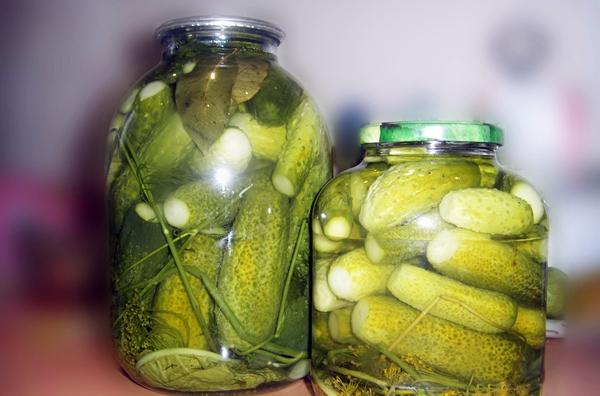
Canning is complete. After cooling, the jars are lowered into the cellar.
Please note! The suggested recipe is based on one liter of water. Therefore, before adding salt and sugar to the marinade, check the required amount of liquid.
Not only cucumbers, but other vegetables are also pickled this way. Vegetable platters are equally delicious.
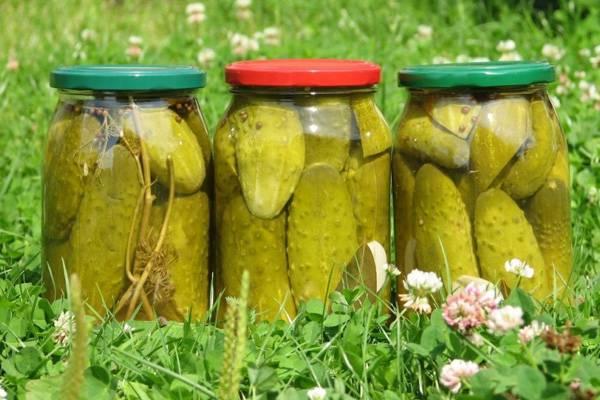
Tips for pickling cucumbers without sterilization
Pickling cucumbers without additional sterilization is one of the easiest and most popular ways to preserve vegetables for the winter. However, to ensure your pickles don't spoil, you need to follow certain rules:
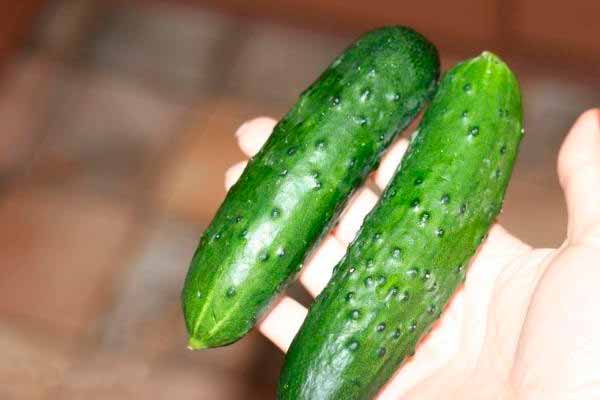
- cucumbers are selected from pickling varieties, young, with dark green skin and pimples;
- It is preferable to harvest on the day of preservation or the evening before;
- Before starting the process, vegetables are kept in cold water for at least 4 hours;
- the ingredients placed in the jar are washed thoroughly;
- pouring is done with boiling water;
- jars should be rolled up using clean, sterilized lids with a rubber sealing ring;
- After sealing, the finished preserves are slowly cooled to room temperature. A warm blanket or winter outerwear is used to create the necessary conditions.
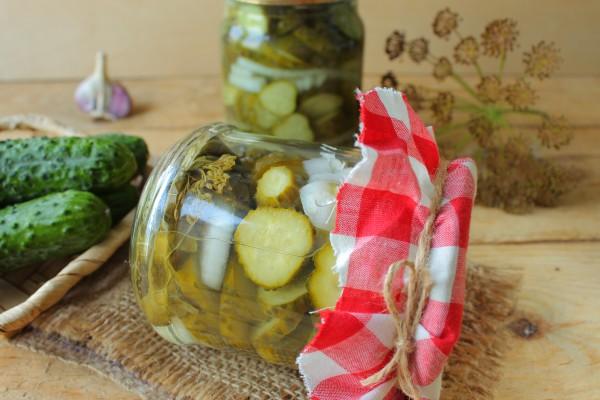
How long and how canned food be stored?
Properly following the recipe and adhering to all sanitary standards when preserving vegetables is half the battle. Proper storage is also crucial:
- The room in which the jars with preserves are stored must be dry, dark and ventilated.
- The air temperature should not exceed 15 degrees.
- The jars must remain dry.
- It is necessary to prevent deformation and corrosion of the covers.
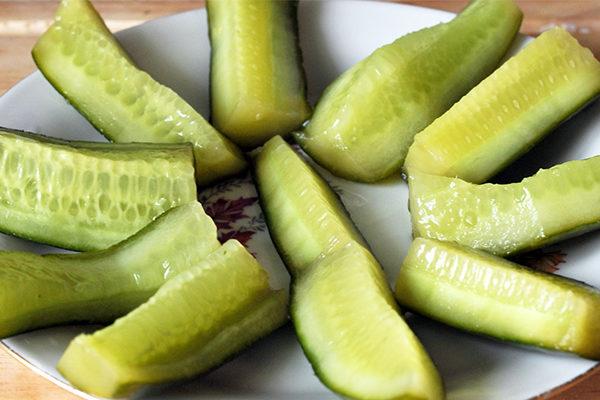
If stored properly, pickled cucumbers can be stored for no more than eighteen months, after which they lose their flavor.
Properly prepared and stored cucumbers will allow you to enjoy the fruits of nature and your own handiwork all year round.
Related posts:
 Recipes for pickling crispy cucumbers with and without aspirin, vinegar, and for the winter in jars
 33 of the best recipes for delicious cucumbers for the winter
 20 simple step-by-step recipes for pickling cucumbers for the winter
 Description of the best varieties of Chinese cucumbers, planting, growing and care
 How to prepare pickled cucumbers in adjika for the winter without sterilization and Caucasian style: recipes
 Description of unusual methods for planting and growing cucumbers
 TOP 14 recipes for pickling cucumbers so they're crispy
 TOP 30 best determinate cucumber varieties with descriptions