
Every family traditionally stocks up on fruits and vegetables for the cold season. However, few people consider preserving figs for the winter. This exotic fruit is imported from warmer climates. However, during the season, you can make a variety of healthy dishes from this fruit, saving you from overpaying for it later at the supermarket. Before starting, study the step-by-step instructions and prepare the necessary kitchenware and ingredients.
Useful properties of figs
This tropical fruit, brought to America only in the late 16th century, is not only delicious but also beneficial. Traditional recipes suggest using it for sore throats, coughs, gum disease, and cardiovascular problems. Figs are recommended for those watching their weight. Figs are also used to treat rheumatism, palpitations, and sleep disorders.
Selecting and preparing fruit
Typically, these exotic fruits are only available in supermarkets. It's important to pay attention to the freshness and softness of the figs. Old figs will be difficult to press, while young ones, on the other hand, will be soft when pressed with a finger.
At home, they examine the purchased fruits again and do not use any specimens with damage, dents, or black spots for preparation. The fruits are washed under cold running water and placed on a paper towel to remove excess moisture.

Delicious fig recipes for the winter
At home, figs are dried, used to make jam, liqueur, wine, juice, and other equally delicious preserves.
Dried fruit
There are several ways to preserve figs for the winter by drying them. First, decide what flavor you want the finished delicacy to have. If you want to use the figs as a sweet dessert with tea, try this: Bring 3 cups of water to a boil in an enamel bowl and add a cup of granulated sugar. Simmer the figs in the resulting syrup for about 7 minutes, then drain them in a colander to allow the excess liquid to drain. Then proceed to drying using your chosen method.

This can be done:
- In the sun.
- In the oven.
- In an electric dryer.
The water-dried figs are spread in an even layer on a wire rack, covered with cheesecloth to prevent insects from being attracted by the fig aroma, and placed in a sunny, well-ventilated area. Turn the figs regularly to ensure uniform drying.
You can speed up the process in the oven. Place the fruit on a rack, turn the oven to low power, and turn the fruit every 2-3 hours to ensure even drying.
If the process takes about 5 days outdoors, then in the oven this time is reduced by half.
An electric dehydrator is also used for winter storage. The fruits are cut lengthwise and placed on the appliance's trays. The drying process takes an average of 10 hours.
Freezing in the freezer
Storing fruit in the freezer is very convenient, as it doesn't lose nutrients and vitamins, as happens with cooking. That's why many home cooks want to know if figs can be frozen as well.
The process takes place in several stages:
- The washed and dried figs are cut into small pieces, laid out on a flat plate or tray and placed in the chamber for one hour.
- After this, take out the frozen fruits and pour them into plastic bags, then put them back.
Any variety of fig can be frozen this way. However, it's important to remember that the shelf life of such frozen figs is no more than one year. They are used for making compotes, kissels, and other drinks.

Fig jam
They make a fragrant jam from this exotic fruit. Several ingredients are prepared:
- 1 kg of fig fruits;
- 700 grams of granulated sugar;
- 350 ml of clean chilled water.
Pour the specified amount of water and sugar into an enamel container. Place over heat and, stirring constantly, bring to a boil. Add the figs to the syrup and simmer for 5 minutes. Cool the jam and repeat the process twice more. After the final simmering, pour into sterilized jars and seal with a key.

Compote
This exotic fruit makes a delicious compote. It can be drunk straight away or poured into jars and stored for the colder months.
To make this drink, you can use either fresh or dried fruit. You'll need just two ingredients:
- 150 grams of sugar;
- 300 grams of figs.
The quantity of ingredients is given for a 3-liter container.
Bring 2.5 liters of water to a boil in an enamel saucepan. Add sugar, stir until dissolved, and then add the figs. Simmer for no more than 10 minutes and pour into a sterile jar. Seal with metal lids and leave under a blanket or terry towel until completely cool.

Figs in sugar syrup
This dessert will become a favorite treat for both adult family members and children.
Prepare in advance:
- 900-1000 g granulated sugar;
- 1 kg of exotic fruit;
- 1 glass of cold boiled water.
Rinse the fruit under running water and let it dry. Cut off the stems and prick them several times with a fork. Pour water and sugar into a heavy-bottomed saucepan and heat until the sweetener is completely dissolved. Turn off the heat and let the syrup cool.

Next, the prepared fruits are placed in the syrup so that they are completely covered. Place over high heat and bring to a boil. The process then occurs in three stages:
- The first boil lasts about 8 minutes. Cover with cheesecloth, but make sure it doesn't touch the mixture.
- After 2-3 hours, boil the mixture a second time, lasting about 12-15 minutes. Let it steep again, this time for 6 hours.
- Put back on the fire and cook for 20-25 minutes.
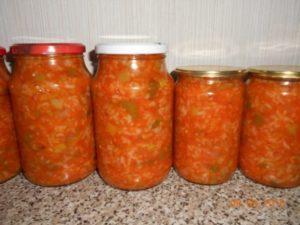
After this, the figs are first placed in prepared sterile containers, then poured with hot syrup. The containers are sealed and allowed to cool.
Unusual wine
Fig wine with added honey is famous for its original taste and aroma.

To prepare it you will need:
- 1 kg of fruit;
- 1.2 kg granulated sugar;
- 300 ml honey;
- 1 small orange;
- 6 liters of water;
- 1 package of wine yeast;
- 1 medium lemon.
The taste of the final drink depends on the correct implementation of the step-by-step instructions:
- Make a sweet syrup from 200 ml of boiling water and honey, skimming off the foam.
- After this mixture has cooled, pour it into a large glass container.
- Chop the figs, pour 1.5 liters of boiling water over them and leave to soften for 10 hours.
- After this time, drain the water and pour the fruit into the previously prepared syrup.
- Cut the orange and lemon and pour into the same glass container.
- Add the remaining water, yeast and sugar to the same bowl.
- Place the container in a warm place and leave for 4 days, stirring occasionally.
- Take gauze folded in several layers, strain the liquid and put it back into the bottle for 1.5 months, closing it with a water seal or a rubber glove.
- This drink is aged for a whole year, and is filtered every 2-3 months.
- Afterwards, it is bottled and stored in a cool place.

Liquor
This sweet alcoholic drink made from this exotic fruit is very rich and delicious.
For preparation take:
- 800 ml of water;
- 1 kg of fresh fruits;
- 1 kg of granulated sugar;
- 1 liter of alcohol.
The fruit is mashed, covered with water, and left to sit for several days. It is then strained through several layers of cheesecloth and squeezed into a separate container. Alcohol and sugar are added.
The drink should stand for several days, after which it is poured into glass bottles and put away for storage.

Fig jam
For the winter, you can make a fragrant and thick jam. It's easy to make. To make it, prepare the following ingredients:
- 3 kg of figs;
- 2500 grams of sugar;
- 1 medium lemon.
Cut the fruit into quarters and add the lemon juice. Sprinkle sugar over the mixture and let it simmer to release the juice. After 2 hours, return the saucepan to the heat, bring to a boil, and simmer, stirring, for about half an hour. Cool and puree in a blender. Return to the heat and simmer until the desired consistency is reached. Then, while hot, pour into half-liter jars and seal.

Fig and ginger jam
Adding ginger root will enhance the jam's antimicrobial and antiviral properties. You'll need:
- 2 small lemons;
- 750 grams of figs;
- 35 grams of ginger;
- 200 grams of brown granulated sugar;
- 7 grams of pectin;
- a sprig of rosemary.
First, blanch the lemons in boiling water for a few minutes, cut them into pieces, and remove the seeds. Cut each fig into quarters and remove the stems. Chop the ginger root and combine all the figs. Sprinkle with sugar and let them simmer for 20 minutes. Reduce heat to low and bring to a boil, then simmer, stirring occasionally, for about 20 minutes. Then add the pectin, stir, and simmer for another minute. Remove the rosemary sprig before placing in the jars.
Take a look Also

Fig and hazelnut treat
Jam with nuts is prepared according to a traditional recipe, only each fig is stuffed with hazelnut kernels that have been pre-fried in a frying pan.
Jam
To make jam, use the same jam recipe, but cook it over a fire until it reaches a thick consistency.
Pickled figs
Dried fruits are used for pickling. Ingredients:
- 1 glass of fruit;
- 1 glass of port wine;
- 1 teaspoon each of orange and lemon zest;
- a quarter cup of balsamic vinegar;
- 2 tablespoons of sugar;
- ground black pepper and salt;
- half a glass of crushed nuts.

Place the figs in a glass jar and pour in the specified amount of port wine. Add the zest and refrigerate. After 24 hours, pour the liquid from the jar into an enamel container. Add the seasonings, and after boiling, add the figs. Simmer over low heat for half an hour, and after cooling, store in the refrigerator.
Dried fruit
Cut the fruit in half and place it in an enamel bowl, sprinkling the layers with sugar. Refrigerate for 24 hours to infuse. Prepare a syrup from 300 ml of water and the same amount of granulated sugar. Drop the fruit one by one into the boiling liquid, holding it there for no more than a minute. Next, spread the figs on the tray of an electric dehydrator and turn on the appropriate setting.

Juice
Extracting natural juice from these fruits is quite difficult. Most often, figs are made into syrup by boiling the fruit with sugar and water and pouring it into small glass containers.
Rules for storing blanks
Certain rules will help preserve your preserves. The temperature in the room where you store your preserves should not exceed 15 degrees Celsius. The dried fruit is kept in a dry pantry where there is no access to sunlight.
Related posts:
 How to make fig jam for the winter, recipes with lemon, orange, and walnuts
 Description and characteristics of tomato varieties Fig pink, red and yellow, yield and cultivation
 Description of varieties and beneficial properties of fig peach, cultivation technology
 How to properly store peaches at home for the winter
 27 Best Homemade Pear Jam Recipes for the Winter
 17 Best Homemade Peach Preserves for Winter
 The best grape varieties for growing in the Urals, planting and care rules in summer
 How to store apricots at home: rules and best practices