
- Description and Features
- Appearance
- Compound
- Beneficial properties
- History of origin
- Growing regions
- Review and characteristics of the best varieties
- Saturn
- Nikitsky
- Vladimir
- Columnar
- Belmondo
- UFO-3
- Sweet Cap
- How to plant correctly
- Site selection and preparation
- Soil requirements
- How to choose and prepare a seedling correctly
- Planting diagram
- Recommended timeframes
- Spring planting
- Autumn
- Care instructions
- Watering
- Top dressing
- Trimming
- Sanitary
- Formative
- Preventive spraying
- Mulching
- Preparing for winter
- Diseases and pests
- Powdery mildew
- Gray rot
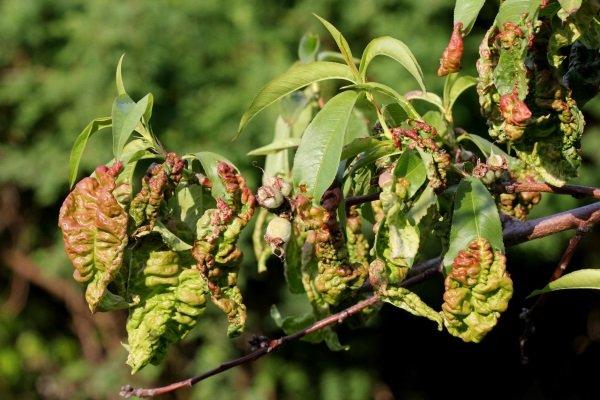
- Leaf curl
- Coccomycosis
- Hollow spot
- Aphid
- Weevils
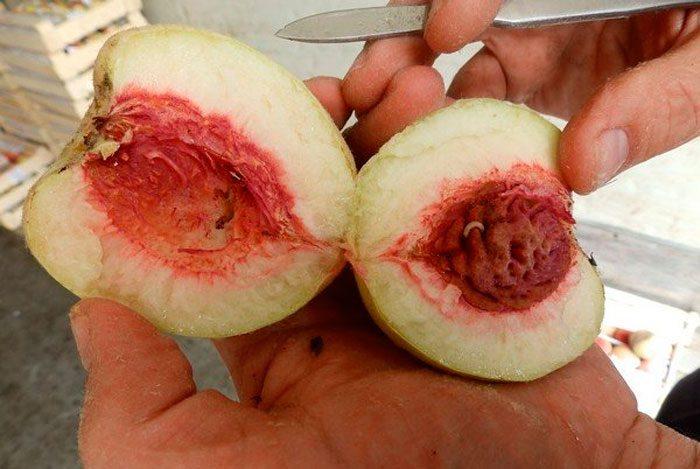
- Oriental codling moth
- Fruit moth
- Peculiarities of growing from seed
- Harvesting and storage
- Uses of fruits
- Fresh food
- In cooking
- Drying
- Freezing
- Conservation
- In cosmetology
- Tips and advice from experienced gardeners
Summer finally brings the long-awaited fruit season. Peaches are among the most popular. But the sweetest varieties are considered to be fig peaches. Unlike their regular counterparts, these varieties are not as juicy and soft, but they are much sweeter in taste.
Description and Features
Many people believe that the fig peach is a hybrid of a peach and a fig. But this is not true. It is exactly the same peach as a nectarine, just a different variety. It developed naturally, without human intervention.
Appearance
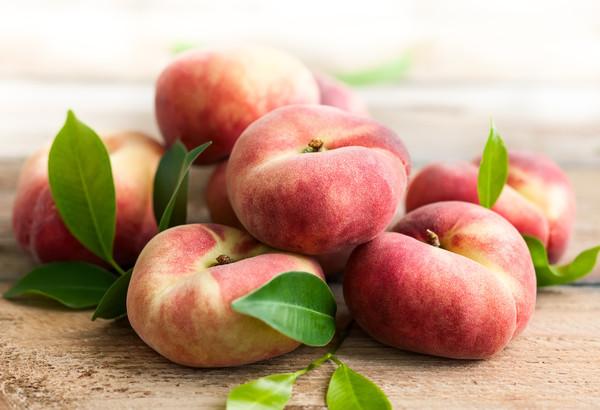
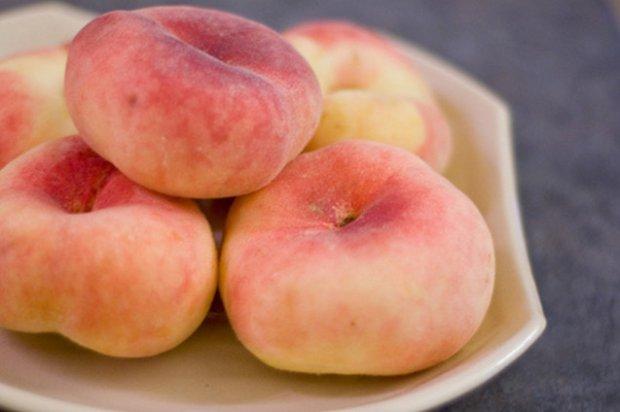
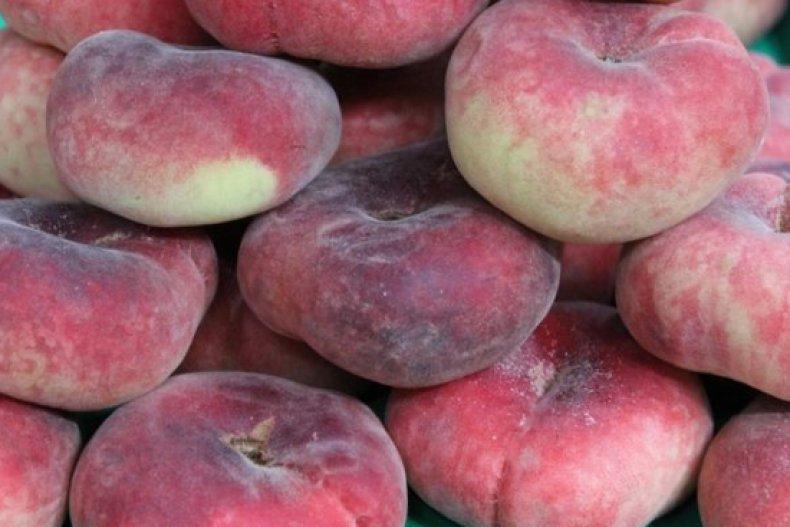
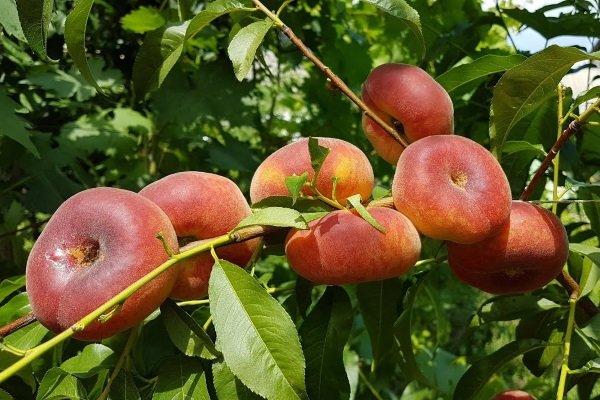
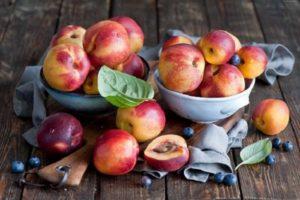
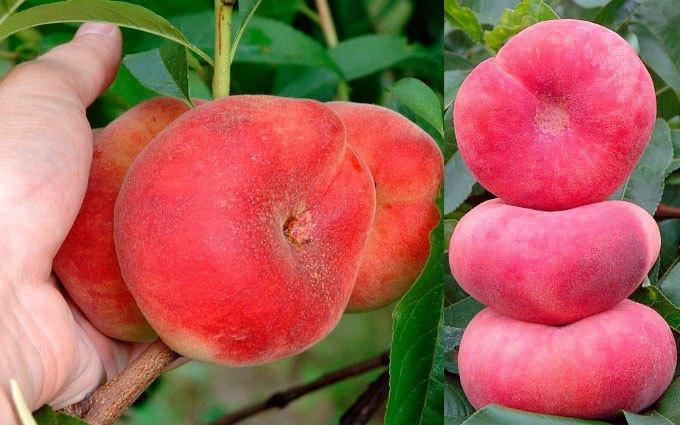
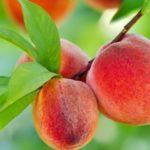
The fig peach resembles a dried fig in appearance, similarly flattened at the top and bottom. Unlike regular varieties, the fruits of this variety are smaller. The flesh is firmer, less juicy, but much sweeter. The skin is yellow-pink and fuzzy. The pit is small.
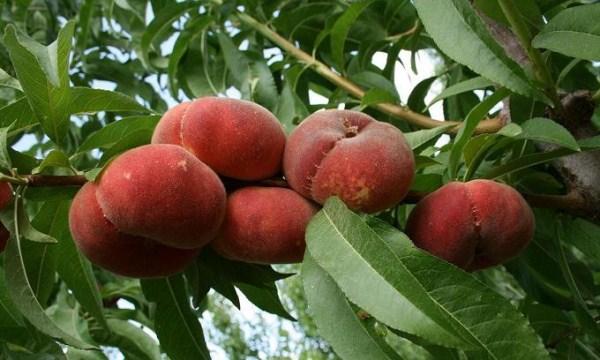
The trees are tall, reaching up to 5 m in height. The crown is quite spreading, with little new growth each year. The foliage is lanceolate, with the upper leaflet being dark green and the lower leaflet a grayish tint. The inflorescences resemble rose hips, only smaller. The petals are light pink.
Compound
Peaches contain a large number of useful vitamins and minerals.
Chemical composition of the fruit:
- B vitamins.
- Vitamins A, C, PP, E.
- Iodine.
- Sulfur.
- Chlorine.
- Magnesium.
- Sodium.
- Phosphorus.
- Copper.
- Iron.
- Nickel.
- Fluorine.
- Zinc.
Thanks to this composition, fruits are very beneficial for the human body.
Beneficial properties
Useful properties of fig peach:
- Has a positive effect on the functioning of the gastrointestinal tract.
- Increases immunity.
- It has a beneficial effect on the nervous system.
- Replenishes vitamin deficiency.
- Promotes normalization of metabolism.
- Improves the functioning of the cardiovascular system.
- Has a positive effect on the appearance of hair and skin.
The beneficial properties of the fruit are due to the fact that the pulp contains many valuable substances.
History of origin
The first fig peach trees were discovered in 1820. This variety belongs to the group of northern Chinese peaches. In the 16th century, the trees were brought to Europe. And in the late 16th century, the plants were brought to the southern regions of Russia.
Growing regions
The fig peach is common in Western China and some regions of the Asian republics. This variety grows primarily in southern regions. In Russia, this includes Crimea and the Krasnodar region. Although the trees are quite frost-resistant, they are rarely found in northern latitudes.
Review and characteristics of the best varieties
Before planting a peach, you need to decide on the variety. There are many fig peach hybrids with different characteristics.
Saturn
The tree is medium-sized, reaching a height of 3 to 4 meters. The crown is spreading. Fruits are borne singly on the tree; ripe fruits weigh between 65 and 95 grams. The skin is reddish-yellow, with a beautiful blush. The flesh is orange, fibrous, and sweet.
Nikitsky
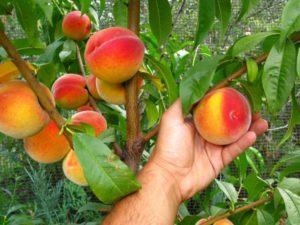
A large-fruited variety, the fruit weighs 115 to 125 g when fully ripe. The skin is yellow with a scarlet blush, without pubescence. The lateral suture is clearly visible. The flesh is sweet, fibrous, and streaked with reddish veins. This is an early variety with a high yield.
Vladimir
A medium-sized tree, up to 4 m in height. The maximum fruit weight is 140 g. The skin is beige with a pale scarlet blush. The flesh is sweet.
Columnar
Fruit weight ranges from 150 to 210 g. The flesh is soft, making them difficult to transport. A distinctive feature of columnar varieties is their tree—a long, branchless stem.
Belmondo
The fruits are large, weighing up to 145 g. The harvest ripens by August. The flesh is firm, yet juicy and sweet.
UFO-3
The tree is medium-sized, reaching a height of 2 to 2.5 m. The flesh is streaked with pink veins. Frost resistance is poor.
Sweet Cap
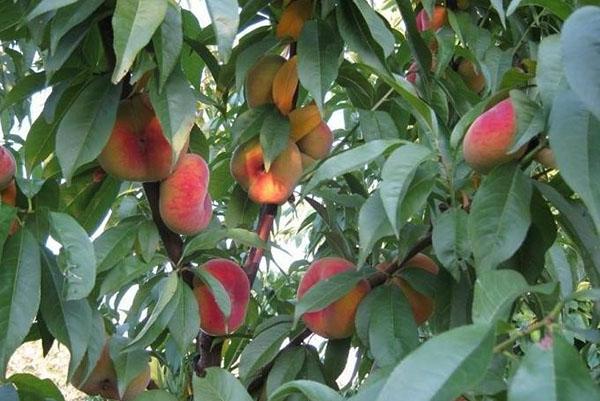
Peaches ripen evenly on the tree. The average fruit weight is 140-165 g. The skin is burgundy, and the flesh is sweet and sour.
How to plant correctly
The technology for planting a fig peach tree is not much different from planting any other fruit tree.
Site selection and preparation
The fig peach prefers to grow in open, sunny locations. The key is to ensure the tree receives full sun for most of the day.
It is preferable that the tree is also protected from cold winds.
The soil for planting peach seedlings is prepared in the fall. The soil is dug over and all weeds are removed. The soil is then mixed with well-rotted manure or complex mineral fertilizer.
Soil requirements
When choosing a planting site, avoid low-lying areas and swampy areas. Also, avoid locations where water accumulates in the spring. Black soil or loamy soil is preferred. Sandy soil is not suitable for planting. Fertile and well-drained soil is best.
How to choose and prepare a seedling correctly
When purchasing a seedling, to determine whether it's healthy, pinch off a small piece of bark and check the color of the wood underneath. If it's green, the seedling is healthy.
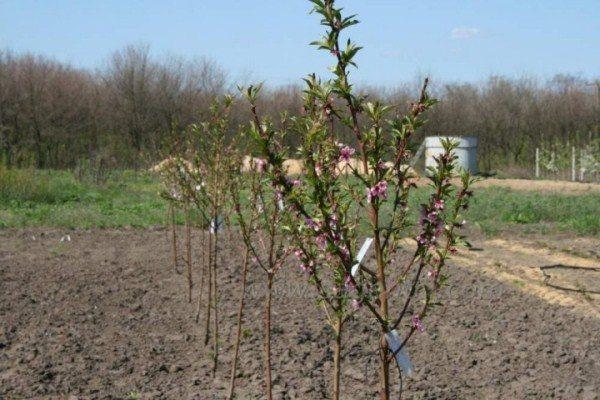
Before planting, you can disinfect the root system in a weak solution of potassium permanganate. Before planting, dip the rhizome in a liquid clay solution and plant the tree immediately.
Planting diagram
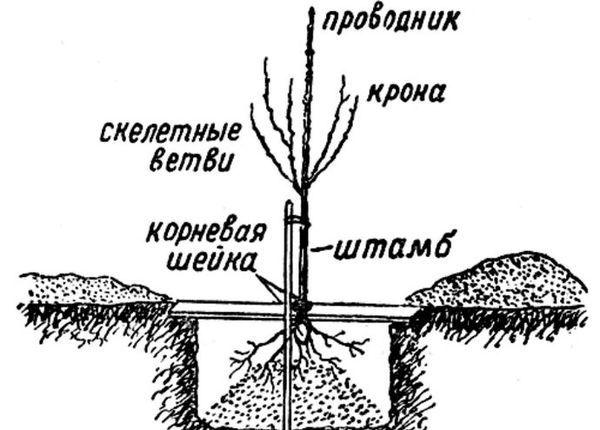
If several peach trees are to be grown in the same area, leave at least 5 meters between the seedlings. Avoid placing tall trees nearby that provide shade. Also, avoid planting seedlings in areas previously occupied by strawberries, melons, or nightshades. It's recommended to wait at least 4 years before planting.
Recommended timeframes
Peaches can be planted twice a year - in spring or autumn.
Spring planting
Spring is the preferred time for planting peach seedlings. This timing is chosen because peach trees are a southern crop, and the seedlings can only establish themselves over the summer. In spring, trees are planted as soon as the soil warms to a depth of 15 cm and the weather warms up.
Autumn
In autumn, peach trees can only be planted in southern regions. In central and northern regions, autumn planting may result in the tree not surviving the winter and freezing.
Care instructions
In order to get a good harvest, you must not forget about caring for peach trees.
Watering
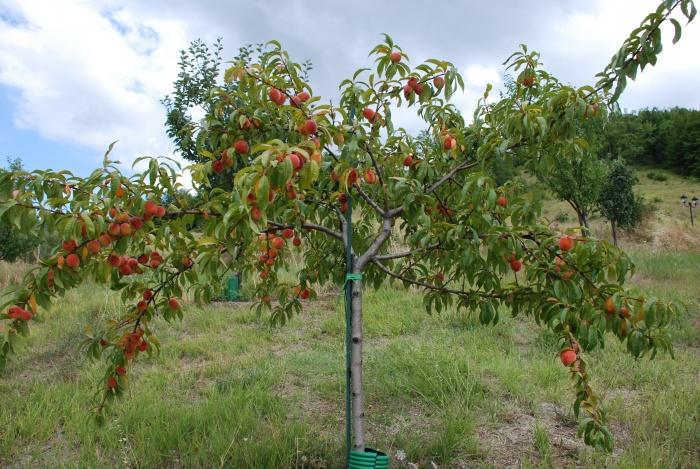
Peach trees are watered using furrows. Young trees require one furrow, while mature trees require at least three. The furrows should be at least 10 cm deep and 30 cm wide. If spring rainfall is insufficient, additional watering is required. Irrigation begins 10 days before flowering. Watering is stopped two weeks before the expected harvest date.
Top dressing
Fertilizing begins in the spring. During this period, nitrogen-containing fertilizers and ammonium nitrate are added to the soil.
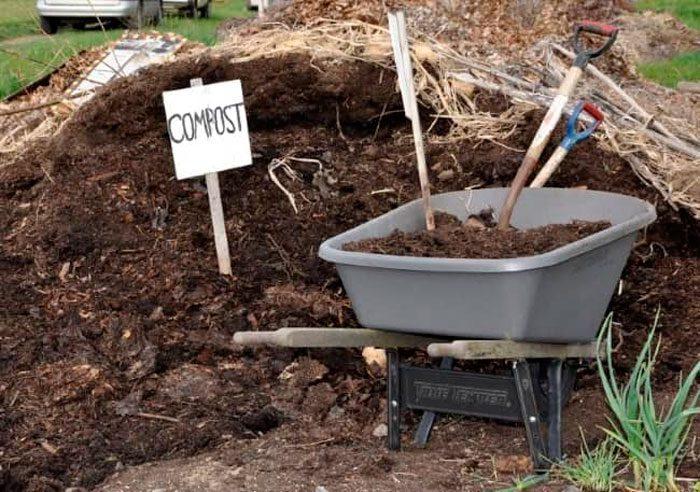
During the fruit set period, potassium and phosphorus are added to the soil. Fertilizing is stopped as autumn approaches. Organic fertilizers are added to the soil once every three years.
Trimming
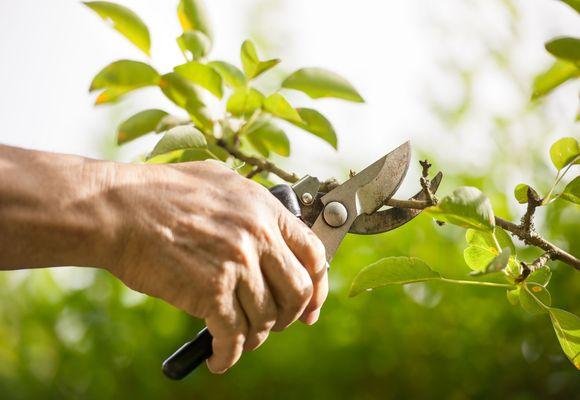
When growing peach trees, one must not forget about pruning.
Take a look Also
Sanitary
Peach trees undergo sanitary pruning in the fall. During this pruning, dry, broken, and damaged branches are removed. The cut areas are treated with garden pitch.
Formative
Peach tree training begins at two years of age. In the first year, two or three of the strongest branches are left. The following year, several of the healthiest branches are also left on each of these branches. By the fifth year, the crown will be fully formed. A central conductor is not identified; the crown is shaped like a shrub.
Preventive spraying
Spring treatment helps kill pests that overwinter in the bark and soil. The tree is first sprayed before bud break. Bordeaux mixture or copper sulfate are used for this.
Mulching
Mulching prevents pests from overwintering in the soil. Furthermore, the mulch layer prevents weeds from growing and keeps the soil moist. The mulch layer should be at least 15 cm thick. Straw, sawdust, and peat are good options.
Preparing for winter
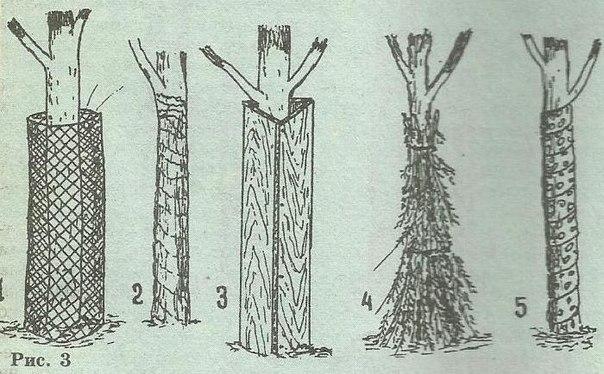
Preparing the fig peach for winter This is necessary if the peach tree grows in cold climates. The soil around the trunk is covered with a layer of spruce branches. The lower part of the trunk is wrapped in burlap.
Diseases and pests
When growing a peach tree, you often have to deal with pests and diseases.
Powdery mildew
Affected shoots are pruned in the spring, and the area around the trunk is dug over. Trees are sprayed with Topaz, Skor, and Topsin M. In the fall, leaves are raked, and the soil is re-dug.
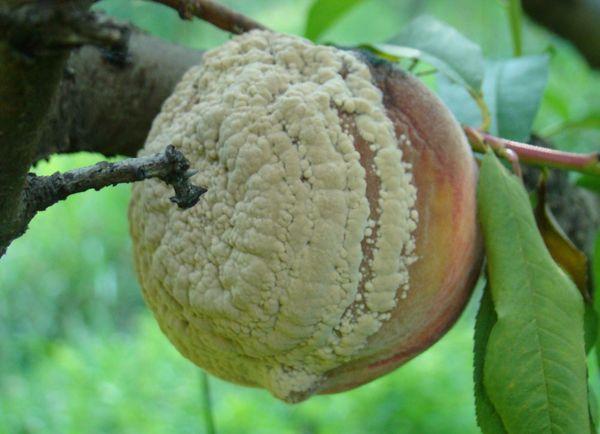
Gray rot
Damaged branches are burned, followed by rejuvenating pruning. During flowering, plants are sprayed with Bordeaux mixture, and during fruit formation, with copper oxychloride. Four treatments are performed, 20 days apart.
Leaf curl
Diseased shoots are pruned and destroyed. During flowering, trees are sprayed with a mixture of copper sulfate and lime three times at two-week intervals.
Coccomycosis
To prevent coccomycosis, treat trees with fungicides. Bordeaux mixture or Abiga Peak are also suitable. During bud formation, spray with Horus.
Hollow spot
Diseased branches are pruned, the cut areas are treated with a copper sulfate solution, and then coated with oil paint. During bud swelling, the plant is treated with copper oxychloride. Repeat spraying before and after flowering.
Aphid
Chamomile or wormwood decoctions, or a solution of laundry soap and ash, are effective against aphids. Spraying with Bordeaux mixture, Actofit, and Thiophos is effective.
Weevils
Products such as Fufanon, Mospilan, Alator, and Kemifos are suitable for controlling weevils. Alternatively, an infusion of chamomile or tomato tops can be helpful.
Oriental codling moth
For treatment, use products such as Karbofos, Trichlor, Rovikurt, and Karbofos. Treatments are carried out in early spring, two weeks after flowering and 30 days before harvest.
Fruit moth
Trees are treated with Nitrafen before bud break. During bud break, they can be treated with Zolon or Karbofos. In summer, Typhos or Metathion are effective.
Peculiarities of growing from seed
A tree grown from a seed retains all the characteristics of the parent plant. Growing a peach from a seed is difficult, but possible.
How to grow a peach:
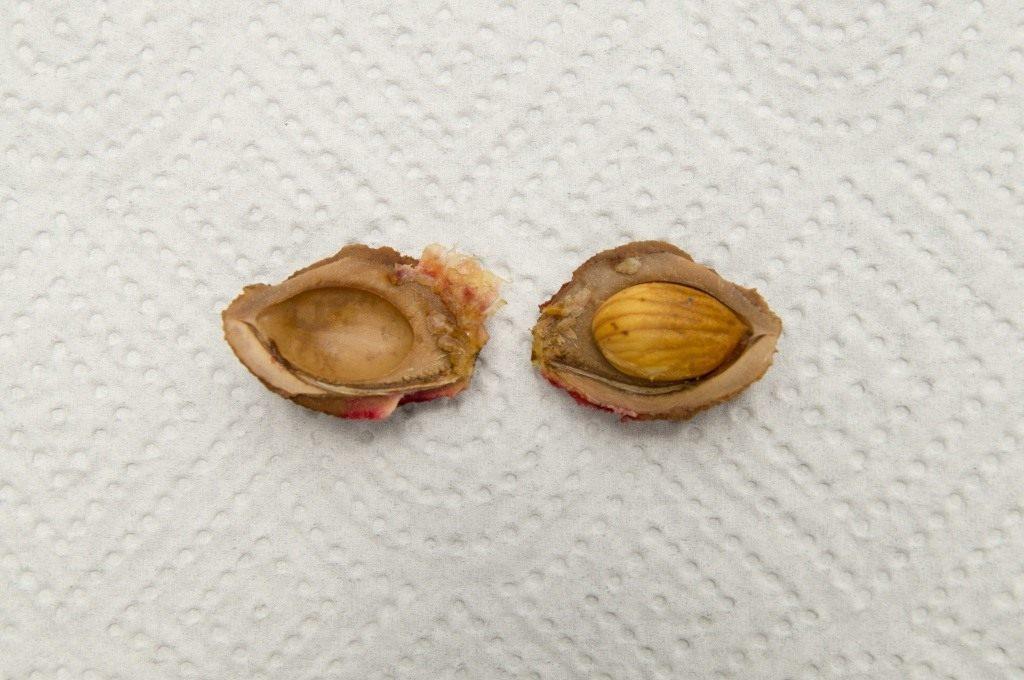
- The seed shell is split, the pit is placed in damp gauze and left until it swells.
- The seed is planted in the soil at home and covered with cling film.
- After some time it should sprout.
- When this happens, the film is removed.
- The peach tree first develops a root system, and then a tree grows.
In 2-3 months, the seedling will reach 0.5 m in height. The tree should be planted in open ground in the spring, one year after planting the seed.
Harvesting and storage
Harvest times vary depending on the variety. The fruits should be picked as soon as they turn pink and the flesh is soft to the touch.
If you plan to store the harvest for a long time, it is better to pick the fruits while they are still unripe so that they ripen during storage.
Store the harvested fruit in a cool place away from direct sunlight. It's best to refrigerate the fruit.
Take a look Also

Uses of fruits
The peach fruit has a wide range of uses. It's used not only in cooking but also in cosmetics. Its high nutritional content makes it so prized.
Fresh food
Fig peaches are primarily eaten fresh for their sweet flavor. Unlike most varieties, they have a higher sugar content. In cooking and preserves, regular varieties are more commonly used.
In cooking
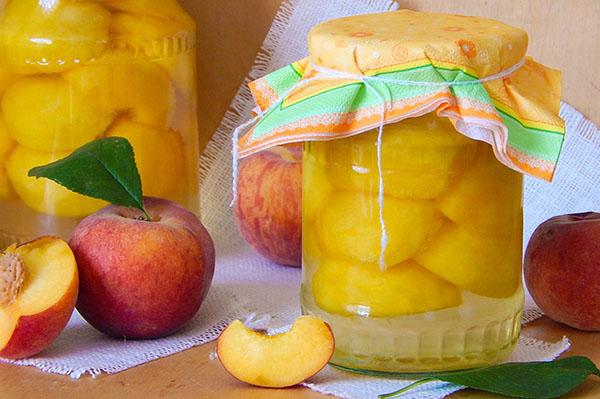
Although the fig peach is primarily used for food, it is also suitable for culinary purposes. For example, the fruit makes delicious compotes, jams, and baked goods. It can also be canned fresh.
Drying
One way to prepare figs peaches for the winter — dry them. The peaches are washed and laid out on newspaper or a towel to dry. Then the peaches are cut into slices. There are two ways to dry them: naturally in the sun or in the oven.
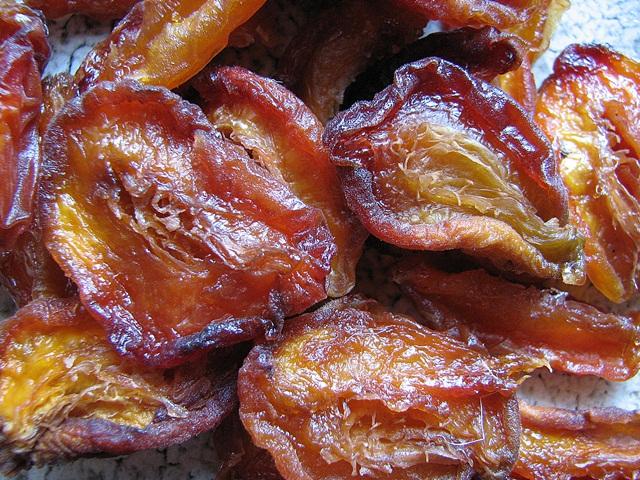
The first method involves laying the peaches out in the sun and stirring them regularly to ensure they dry evenly.
If an oven is used for drying, it is preheated to 70 degrees.
The slices are then spread out on a baking sheet and dried in an open oven at 60 degrees Celsius (140 degrees Fahrenheit). The mixture is stirred periodically. Drying takes approximately 6-8 hours.
Freezing
Another option is to freeze peaches. You can also cut the fruit into slices and place them in containers or bags. Then, place them in the freezer.
Conservation
To prepare the preserves you will need:
- 2 kg of fig peaches.
- 350 g granulated sugar.
- 30 g citric acid.
- Filtered water.
Cooking process:
- Peaches are cut crosswise and the two halves are twisted. This method quickly separates the flesh from the pit.
- Place water on the fire and add sugar and citric acid.
- Boil the syrup for 20 minutes.
- The mixture is transferred into pre-sterilized jars, filled with syrup and sealed.
- When the jars have cooled, they can be lowered into the basement.
In cosmetology
Peach pulp and pits are often used in cosmetics. For example, the pulp can be used to make a moisturizing face mask. The pits can be used to make a scrub. To do this, crack the pit to extract the seed. Grind a few pits in a blender and mix with sour cream. Use as a regular scrub.
Tips and advice from experienced gardeners
Tips for growing a tree:
- The main danger for the hybrid is gray mold, so it is necessary to take preventive measures against this disease in advance.
- Fig peaches are distinguished by good frost resistance and can be grown even in regions with a moderately cold climate.
- When choosing a planting location, consider where the tree will receive the most sun. To ensure an early harvest, the plant should be exposed to sunlight for most of the day.
- To prevent the tree from getting sick and to ensure a good harvest, it is essential to apply mineral and organic fertilizers several times during the season.
If you follow all the recommendations for growing a peach tree, you shouldn’t have any problems with it or with the yield.
Related posts:
 How to treat peach leaf curl, control methods, and treatment guidelines
 Description and characteristics of the 45 best types of peaches, growing rules
 How to properly grow a peach tree from a seed at home, planting and care
 Rules for propagating peaches by cuttings, timing, and care
 How to treat peach trees for aphids and the best methods for pest control
 Timing and methods of grafting a peach tree, rules of procedure
 The best peach varieties for growing in the Moscow region, planting and care
 Characteristics and description of the Golden Jubilee peach variety, planting and care