
- Advantages and disadvantages of the propagation method
- Construction of a special greenhouse
- How to properly prepare planting material
- In summer
- In winter
- Landing
- How to prepare a cutting
- How to plant
- Aftercare
- Recommended timeframes
- Rules for caring for seedlings
- Watering
- Top dressing
- Weeding and loosening
- Prevention of diseases and pests
- Recommendations for choosing a variety
- How to propagate by air layering
- Tips from experienced gardeners
Only experienced gardeners dare to grow a peach tree from cuttings. Most try to purchase a seedling of the desired variety from a nursery. If friends or neighbors have good, fruitful peach trees, you can try growing your own. Let's look at how to properly propagate a peach tree from green cuttings and get a harvest in the shortest possible time.
Advantages and disadvantages of the propagation method
Peaches are propagated in a variety of ways—by seeds, cuttings, and grafted seedlings. Growing from cuttings has the following advantages:
- Using a variety that grows and produces fruit in the conditions of a given region, that is, adapted to the climatic features of the area.
- Green cuttings are in the active stage, regenerating, quickly growing roots and taking root.
- Fruiting occurs in 2-3 years.
- Reduced costs and time for grafting and subsequent cultivation.
In most cases, cuttings begin to bear fruit earlier. If the crown dies, shoots emerge from the root, retaining the varietal characteristics.
A disadvantage of propagating from green shoots is the increased demands on growing conditions. Temperature, soil, and air humidity must be maintained within certain ranges; otherwise, rooting will not occur, and the cuttings will die. Proper separation of the cuttings, as well as maintaining the required light and oxygen levels, are also essential.
Young seedlings enter winter without large, mature roots, so they require special shelter and protection from freezing.
Construction of a special greenhouse
Green cuttings are rooted in special containers or greenhouses. In open ground, a hole 70-80 centimeters deep is dug. To prepare the pit for planting:
- the bottom is covered with crushed stone, broken stones, bricks 15-20 centimeters high;
- cover the bottom layer with loose manure of the same height;
- pour a layer of brushwood 5 centimeters high;
- on top there is a 10-centimeter layer of fertile soil with the addition of ash;
- all layers are poured with a weak solution of potassium permanganate;
- a layer of clean coarse sand is added on top.
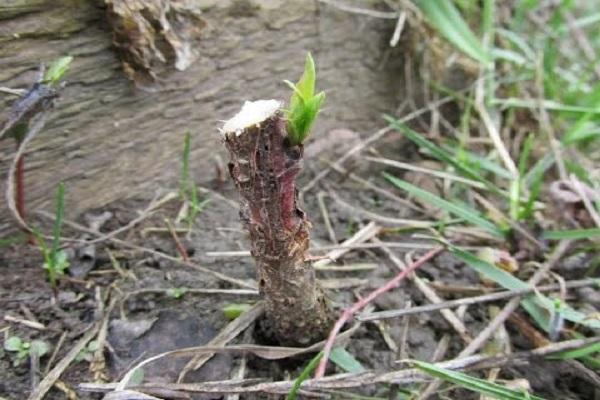
To create a greenhouse for peaches, use plastic covers 60-100 centimeters high. Humidity should be maintained close to 100% and the temperature above 20°C. If the temperature is too high, rooting will be poor, so the greenhouse needs to be ventilated. To ensure oxygen access, remove the cover during warmer hours of the day.
Peach cuttings are also rooted in pots filled with fertile soil and covered with coarse sand. The seedling is then covered with a jar to create a greenhouse effect.
Constant high humidity and warmth ensure rapid root growth.
How to properly prepare planting material
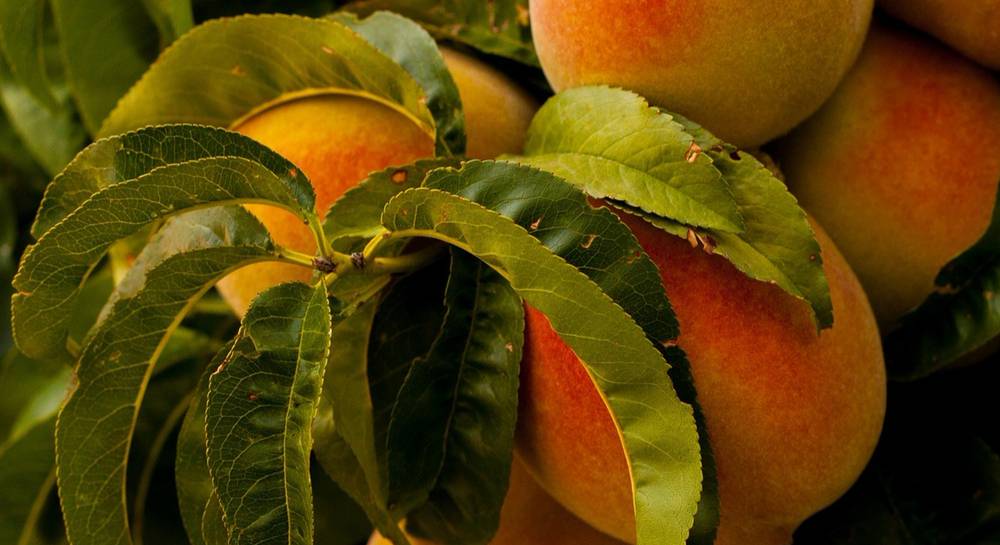
The key to successfully rooting a peach tree is choosing the right planting material. Cuttings are taken from young, fruit-bearing trees. The best time in summer is morning or evening, when the sun is low or on cloudy days.
Take a look Also

In summer
When harvesting planting material in summer, green shoots are selected from the lower part of the crown, starting from the tops of the branches. The shoots are 6-10 centimeters long, each with 2-3 internodes and several healthy, whole leaves. The top of the peach shoot is cut straight, while the bottom is cut at an angle.
In winter
When harvesting peach cuttings for winter, they are taken before the first frost. Branches from the lower part of the crown and the lower part of the shoot are selected. Young, flexible branches, whose lower parts are already beginning to harden, are suitable for cuttings. The peach cuttings are buried 4-5 centimeters in sand. The sand is well moistened.
Note: Vegetative propagation of peach by cuttings is based on the shoot's ability to regenerate – to grow roots and continue active growth.
Landing
The peach cutting should be planted quickly, while it still has turgor. The leaves on the cutting should be trimmed back by half to two-thirds.
How to prepare a cutting
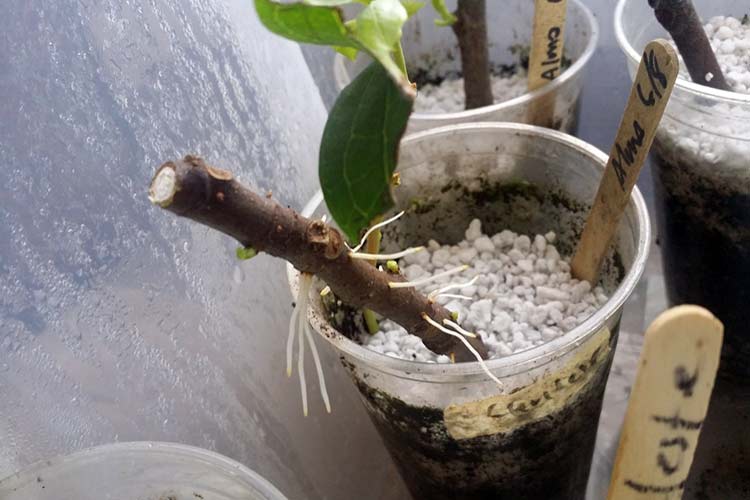
To speed up rooting, cuttings are treated with growth stimulants. To do this, dilute Heteroauxin or Kornevin according to the instructions and soak the cuttings in the solution for the recommended time.
How to plant
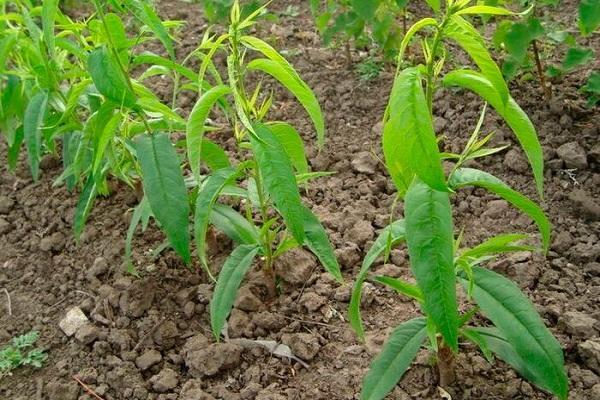
Peach cuttings are planted in rows in the greenhouse, 8-10 centimeters apart, 1 centimeter deep. The sand around them is firmly compacted to prevent the branches from falling over and to keep them upright.
When planting in separate containers, the requirements are the same - a centimeter deepening, tightly compacting the sand.
Aftercare
Peach cuttings require constant moisture, temperature, and light. The following conditions must be met:
- temperature regime – 20-25 °;
- irrigation 4-5 times a day;
- access to sunlight – the greenhouse film or jar on the container must allow sunlight to pass through, be clean and transparent;
- regular ventilation - the air temperature should not be low.
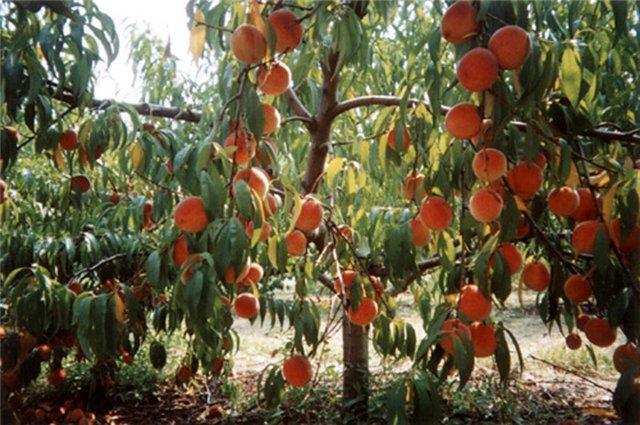
After rooting, the seedling can be transferred from the greenhouse into the ground, carefully protecting the area so as not to damage the weak plant.
Recommended timeframes
The planted cutting is carefully covered with cloth and soil for the winter, or transferred to the basement of a greenhouse in a large container. The seedling is transplanted to its permanent location after a year. Planting is done in the spring, when the temperature has risen to 15°C, or in the fall, when the heat has subsided but frost is still 3-4 weeks away.
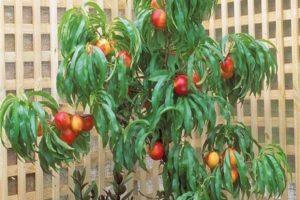
Rules for caring for seedlings
Peaches are grown in a well-lit area without stagnant water. This heat-loving plant dislikes drafts and morning fog.
Watering
Seedlings are watered depending on weather conditions. The following are considered average values:
- early varieties – 2-3 waterings per season;
- late – 5-6 times.

If there's insufficient snow, water for the first time in May; if there's sufficient moisture, water in June. Add 2-5 buckets of water at a time, depending on the size of the peach tree.
Pre-winter watering increases resistance to frost and is carried out by wetting the soil to a depth of 60-70 centimeters.
Top dressing
Fertilizing the soil increases the seedling's resistance to diseases and pests, and accelerates growth and development. In organically rich soils, manure is added every 2-3 years; in poor soils, it is fertilized annually in the fall to ensure the soil decomposes over the winter.
In the spring, before bud growth, the tree is treated with a 7% urea solution. Foliar feeding is also used: the crown is sprayed with prepared mixtures containing ammonium nitrate, potassium chloride, manganese, and ammonium sulfate. Inorganic fertilizers such as calcium chloride and superphosphate are applied before winter. Fertilize annually.
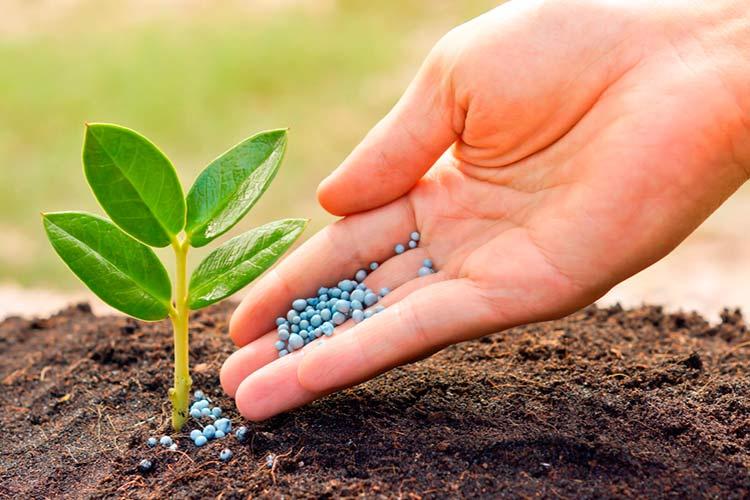
Important: with frequent watering, the quantity and volume of fertilizers should be increased, as water washes out nutrients.
Weeding and loosening
In summer, weed and loosen the soil regularly. Weeds and surface crust prevent oxygen from reaching the roots and slow down growth. Weeds are removed not only from the root zone but also around the tree. After each watering and after the soil dries, loosen it deeply, being careful not to damage the roots.
Prevention of diseases and pests
The most dangerous and common diseases of peach seedlings are powdery mildew, clasterosporium, and leaf curl. To combat fungal diseases, use:
- Horus;
- Fitosporin M;
- copper sulfate;
- Bordeaux mixture;
- iron sulfate;
- Strobe.
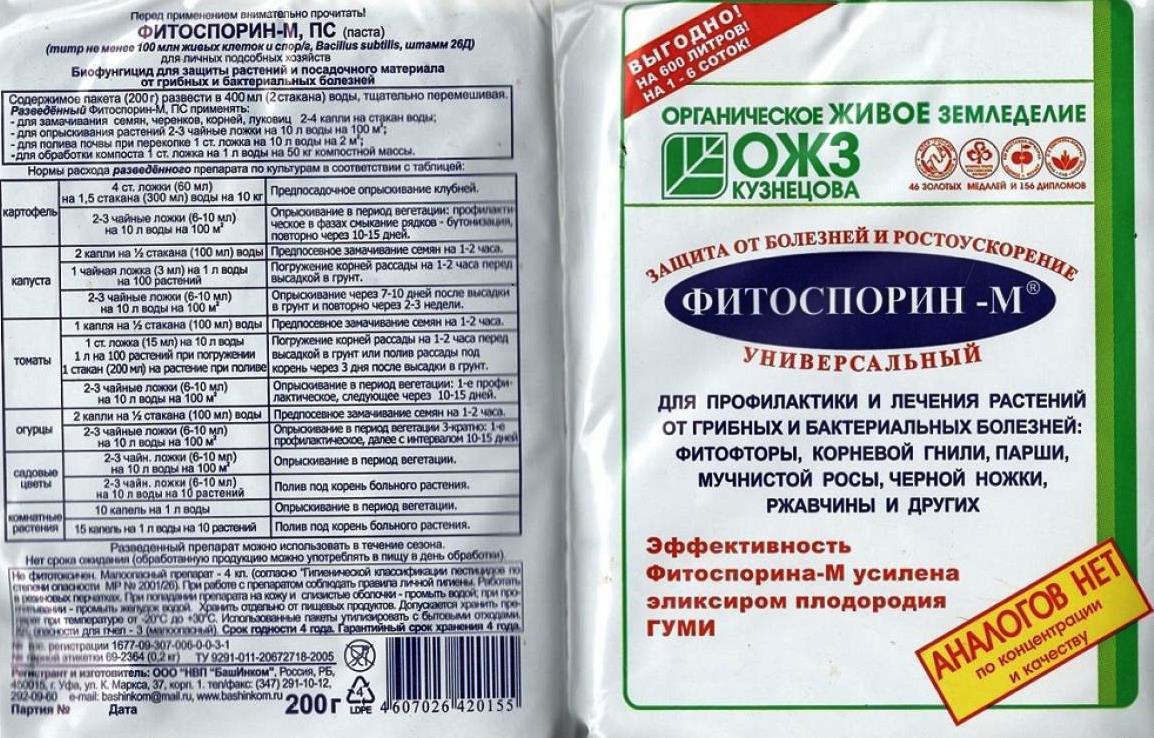
To combat pests, insecticides such as Decis and Fitoverm are used. Peach seedlings typically suffer less from pest infestations than from diseases.
Recommendations for choosing a variety
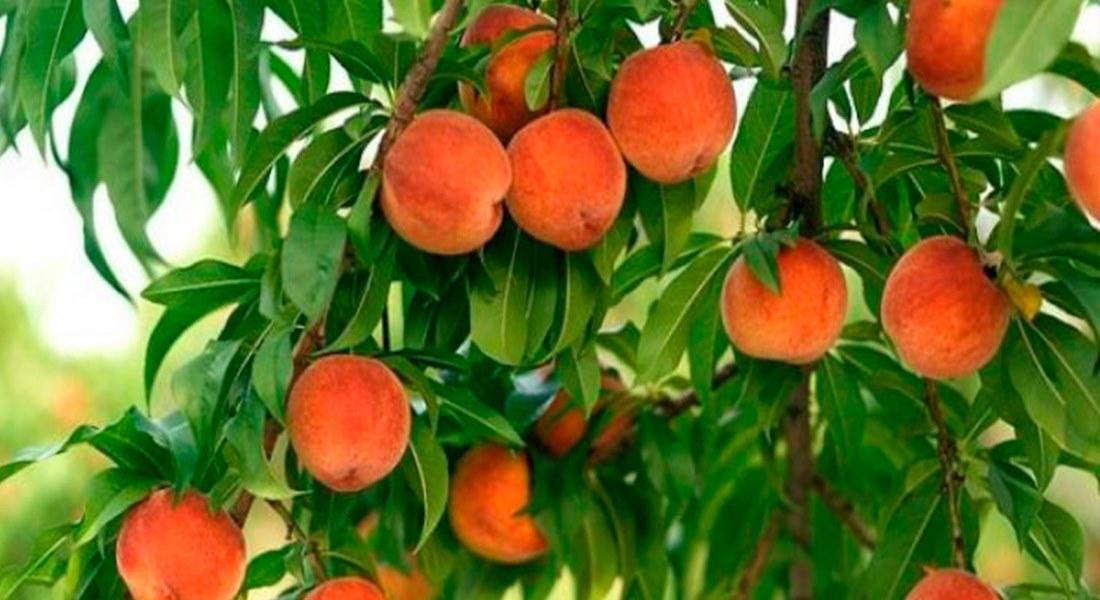
Breeders have developed many varieties of peaches, differing in ripening time, color, flavor, and skin texture. The best varieties are:
- early - Redhaven, Collins, Kyiv early;
- mid-season – Druzhba, Ambassador of Peace, Soviet;
- late ones – Kremlin, Jaminat, Golden Moscow.
Late-ripening varieties ripen only in the southern regions; early and mid-season varieties are best for the central region. Domestic varieties are distinguished by their frost resistance and resistance to common diseases and pests. Popular varieties in the central region include Bely Lebed, Sibiryak, and Dneprovsky.
How to propagate by air layering
Without cutting the cutting from the branch, you can propagate a peach tree using air layering. For this, select a young branch—2-3 years old. This process coincides with the beginning of sap flow—late March to June, depending on the region.
Take a look Also
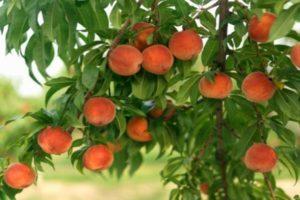
On the selected branch, remove the bark in a circle, forming a ring 1-1.5 centimeters in diameter. Above this, make a couple of longitudinal cuts, each as deep as the tip of a knife (0.5 millimeters). Place a cut plastic bottle upside down on the branch. The ring containing the cut bark should be positioned at the bottom of the bottle.
Fill the bottle with fertile soil, securing the bottom to prevent soil from spilling out. Cover the top with mulch. Check the soil regularly for moisture and water. In late summer or September, cut the branch from the tree below the bottle, transplant the rooted shoot into prepared soil, and remove the bottle without disturbing the root ball. Seal the wound with pitch.
Tips from experienced gardeners
Peaches are becoming increasingly popular among gardeners, and they're grown in various regions. Here are some tips from experienced gardeners:
- When growing peaches from cuttings, it is important to strictly adhere to the conditions - temperature, humidity, oxygen access, otherwise rooting will not occur.
- When choosing a variety, it is better to focus on zoned species.
- A dense crown is one of the main problems with peach trees. The tree needs regular pruning to create a cup-shaped crown. Many people remove the central trunk, leaving the side branches in a cup-shaped form.
- Mulching the soil in the trunk circle helps protect the tree from fungal diseases.
- Spring treatment with urea prevents many diseases.
- The easiest way to propagate your own tree is by air layering.
For hot regions, autumn is considered the best time to plant peach trees, as the seedlings root more easily in cooler climates. For colder areas, spring is best, allowing the young tree to develop roots over the summer and survive the winter stronger.
When choosing the method and time for planting a peach, consider the best varieties for the region and the climate. Propagating by cuttings can yield a peach harvest in 2-3 years, provided you choose the right planting material, maintain the correct growing conditions, and diligently care for the young plant.
Related posts:
 Description of varieties and beneficial properties of fig peach, cultivation technology
 How to treat peach leaf curl, control methods, and treatment guidelines
 How to propagate grapes in summer using green cuttings at home
 Timing and methods of grafting a peach tree, rules of procedure
 Timing and rules for peach pruning, formation scheme after harvesting
 Methods for planting and propagating cherries at home
 How to propagate an apple tree using cuttings in summer and without grafting, rooting methods
 13 Best Peach Varieties for Central Russia, Planting and Care