
- Where does nectarine grow?
- Growing conditions
- Climate indicators
- Required soil composition
- Favorable and unfavorable conditions
- Features of planting in open ground
- Suitable timing
- In the fall
- In the spring
- Preparing the site and planting hole
- Selecting a seedling
- Seedling planting technology
- Caring for the crop
- Irrigation
- Fertilization
- Treatment against diseases and pests
- Pruning and crown shaping
- Shelter for the winter
- Methods of tree propagation
- Seeds
- Cuttings
- Graft
- Nectarine varieties
- Early
- Mid-season
- Late ripening
Beginning gardeners interested in this exotic fruit often ask how to grow nectarines. The plant has been cultivated throughout Europe since the 20th century. Currently, there are many varieties of nectarines, suitable for cultivation in various regions. The plant is easy to care for and tolerates low temperatures well. At the end of the season, it produces a bountiful harvest.
Where does nectarine grow?
The first mention of the nectarine was in China in the 14th century. It has been cultivated and grown for 2,000 years. In Europe, the nectarine gained popularity in the early 20th century after the development of large-fruited varieties. Currently, the fruit is grown commercially in Cyprus, Tunisia, Italy, and Greece.
Regionalized varieties are used for growing the plant in the Moscow region and Siberia. These varieties are intended for cultivation in central Russia and in the north.
Growing conditions
Like other plants, nectarines produce their highest yields under specific conditions. To obtain a large quantity of fruit, it's important to follow proper planting practices.
Climate indicators
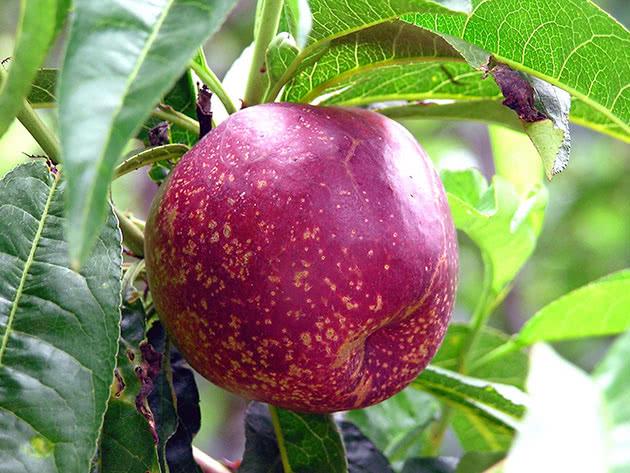
The tree is frost-hardy, tolerating temperatures below 32°C. However, young trees almost die at -2°C. Fruit ripening takes up to 150 days. Therefore, it is recommended to grow this fruiting tree in warm regions with long summers. In the north, the tree will delight with abundant flowering, but the fruit will not ripen in time.
Required soil composition
Nectarines prefer sandy loam and loamy soils. These are the most suitable for growing the crop. They retain adequate moisture at the roots and prevent rot. The soil must also contain sufficient nutrients and be neutral and acidic. In other types of soil, the tree will become diseased and slowly die.
Favorable and unfavorable conditions
Suitable conditions for planting and cultivating nectarines in the garden are:
- sunlight at least 8 hours a day;
- summer lasting 150 days;
- the distance between trees is 2.5 m;
- loamy or clayey soils;
- in case of frequent flooding, a drainage layer is laid;
- Mandatory vaccination is carried out in the spring.
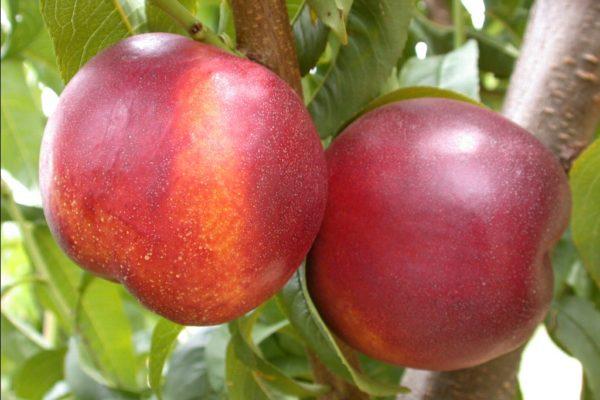
Unfavorable conditions for growing nectarines include:
- short summer;
- planting in shady areas;
- insufficient space between seedlings;
- clayey and sandy soils;
- frequent rains;
- growing next to plums, cherries, sea buckthorn, cherries, nuts.
Important! Choosing the right location is the key to successful cultivation and a bountiful harvest.
Features of planting in open ground
Each region has its own planting time. Furthermore, it's important to follow proper planting techniques and prepare the site and location for the nectarine tree in advance.
Suitable timing
Depending on the growing region, the plant can be planted in autumn or spring.
In the fall
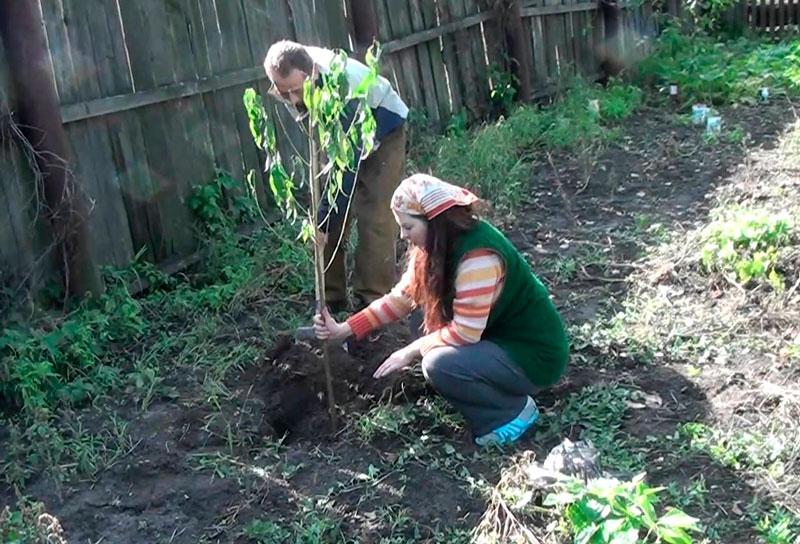
In the south, seedlings are planted in the ground in the fall. Over the winter, the nectarine tree gains strength, and by early spring, it begins to bud and bloom. The earlier the fruit sets, the sooner it will ripen.
In the spring
Spring planting is suitable for all growing regions. However, it's especially suitable for northern and southern regions. A young tree has time to adapt to climate conditions during the spring and summer. If planted in winter, there's a high risk of death.
Preparing the site and planting hole
Before planting, select a suitable site. It should be well-lit and free of unfavorable neighbors, fences, railings, and other structures that create permanent shade. Clear the site of weeds and rocks. Next, dig a hole 70 x 70 cm in diameter and 70 cm deep. Mix the excavated soil with 10 kg of compost. Add superphosphate. Fill the hole halfway with the resulting mixture and leave it for two weeks.
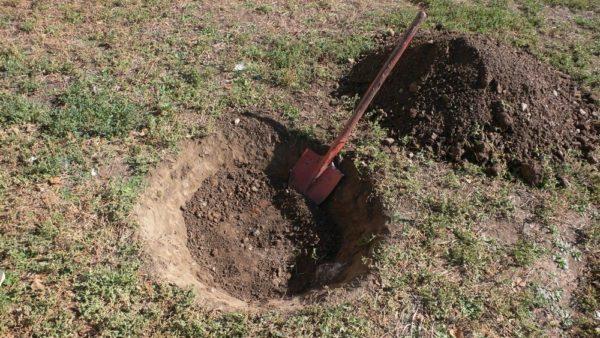 Important! When planting nectarines in spring, prepare the hole in the fall.
Take a look Also
Selecting a seedling
Young trees are purchased from agricultural nurseries. It's best to buy nectarines when they're one year old; this is when the plant has the best chance of survival. The trunk and branches of the seedling should be free of mechanical damage, black spots, or root rot.
Seedling planting technology
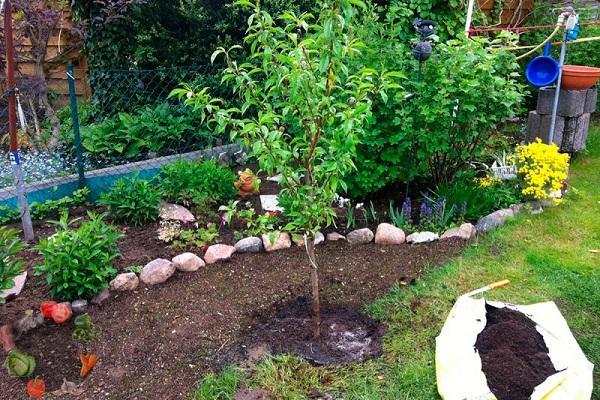
Nectarine is transferred to the soil according to a specific algorithm:
- A 1.5-meter long stick is driven into the hole to protect the seedling from adverse conditions.
- The young plant is placed in the hole.
- Carefully straighten the roots.
- The tree is covered with soil in layers, compacting each layer. This is done to prevent the formation of voids under the soil near the roots, which can facilitate infection.
- Nectarine is watered with 50-60 liters of water.
- Hill up the tree with dry soil to a height of 20 cm.
- They tie the seedling to a stick.
Caring for the crop
To get a high yield and enjoy the beautiful bloom of the nectarine tree, you need to properly care for the tree.
Irrigation
The first watering is done at planting, using about 5-6 buckets of water. The next watering is during budding, then during flowering and fruit set. During this period, the amount of water is increased to 70 liters. Then, a break is required until the fruit develops a pit. Failure to do so will result in cracking, deteriorating both the quality and appearance of the fruit.
Fertilization
Nectarine trees are fertilized 2-3 times per season. The optimal composition is:
- aqueous extract of superphosphate 150 g;
- ammonium sulfate 80 g;
- potassium chloride 60 g;
- borax 10 g;
- manganese 15 g.
The list indicates maximum application rates. The amounts of components may vary by 10-20 g. All components are mixed and sprayed onto the foliage. This type of fertilizer is called foliar application. The substances penetrate the plants through the stomata of the leaves, taking effect more quickly.
It's also a good idea to treat the nectarine tree's trunk area with urea. This will not only enrich the tree with beneficial minerals but also rid it of pests that overwinter in the roots and under the bark.
Important! If buds have formed on the tree, apply urea in the fall, after the leaves have fallen.
The plant is fed with organic fertilizer once every two years. If manure or compost is used as mulch, no organic fertilizer is needed. The nectarine tree will receive sufficient nutrients from the mulch.
The first foliar application is done before bud formation, the second during flowering, and the third during fruit formation. Superphosphate and compost added at planting will provide sufficient nutrition for 5-6 years.
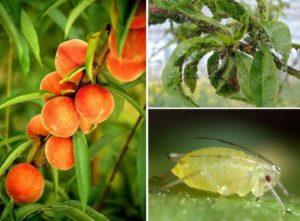
Treatment against diseases and pests
To ensure good fruit production and continued health, nectarine trees are treated each season to prevent fungal diseases and pests. The following products are used for this purpose:
- urea;
- "Colicarbacin";
- "Kuprozan";
- Karbofos.
Spraying is carried out several times per season. The first treatment is done before budding, the second during flowering. The tree is then inspected; if it is healthy, there is no need to repeat the spraying. If signs of fungal diseases or pest infestation appear, the products are applied again.
Important! All chemical treatments must be stopped 20 days before harvest.
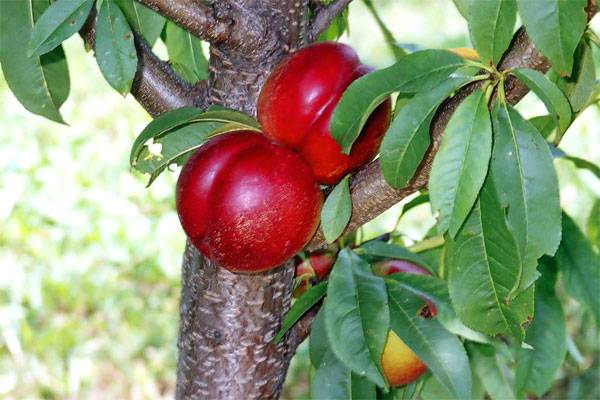
Pruning and crown shaping
It's a known fact that nectarines only produce fruit on one-year-old shoots. This must be taken into account when shaping the tree's crown and performing sanitary pruning. During the first 5-6 years of growth, gardeners begin shaping the crown in early spring. From a one-year-old tree, select two main branches, shorten them by 10 cm, and prune the remaining branches. In subsequent seasons, the number of main branches is increased by 2-3.
The central shoot, which extends directly from the trunk, should be 20 cm taller than the others. For easier harvesting, the nectarine crown is shaped into a bowl. The tree's maximum height should be 2.5 meters. After this point, no further pruning is required.
Summer pruning is not performed. After harvesting, dry and damaged shoots are removed. Overcrowded areas are also thinned out.
Shelter for the winter
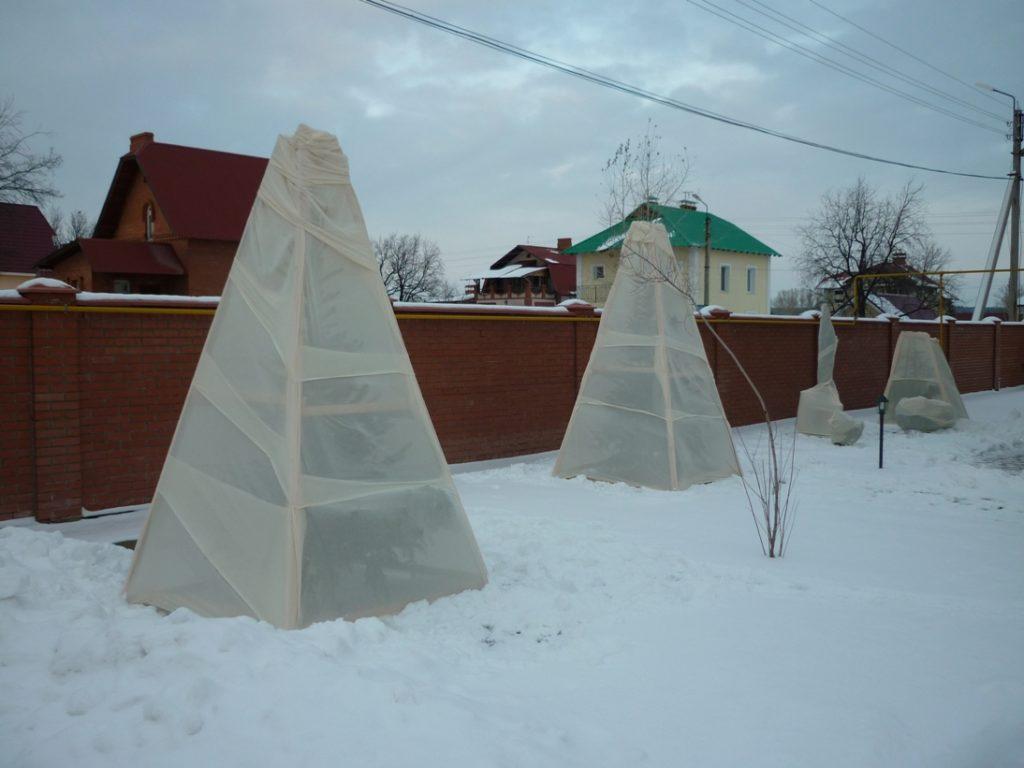
Nectarines are characterized by high frost resistance. However, this ability peaks in the fifth year of growth. Until then, it is recommended to protect the plant from winter frosts. To do this, follow these steps:
- Three tall sticks are driven in next to the seedling.
- The tree, capturing the sticks, is covered with breathable insulation.
- Then they tie it to the bottom of the trunk with a rope so that the structure is not carried away by the wind.
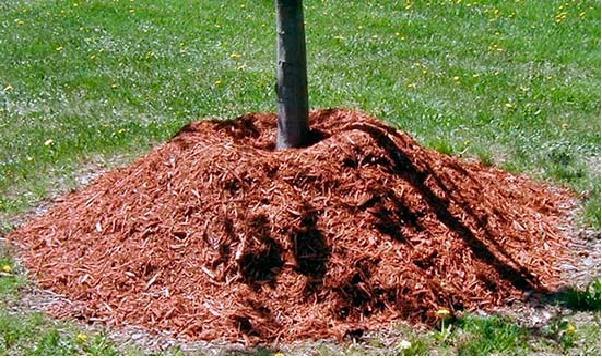
The tree trunk area is also mulched for the winter. The following materials are used for this:
- straw;
- wood sawdust;
- humus;
- manure once every 2 years;
- chopped grass.
Mulch should be applied in dry weather. If it has recently rained, postpone covering the tree for 1-2 days to allow the soil to dry out. Failure to do so increases the risk of root rot, which will eventually lead to the tree's death.
Important! Mulching not only provides frost protection but also helps preserve nutrients and moisture at the plant's roots.
Methods of tree propagation
Nectarine is propagated in three ways:
- by cuttings;
- seeds;
- vaccination.
Each process has its own characteristics and a specific technique that must be followed to achieve a good result.
Seeds
This is one of the simplest methods of nectarine propagation. However, not all seeds germinate. After harvesting, the firmest and largest fruits are selected and left to ripen. When the skin becomes thin, the pits are removed. Then, follow these steps:
- The drupe is soaked in warm water for 2-3 days, this will help the seeds germinate.
- The temperature of the liquid should be 50-60 °C.
- The water is changed twice a day, in the morning and at night.
- Then the seed material is extracted and dried for 3 days.
- The seeds are extracted from the pit.
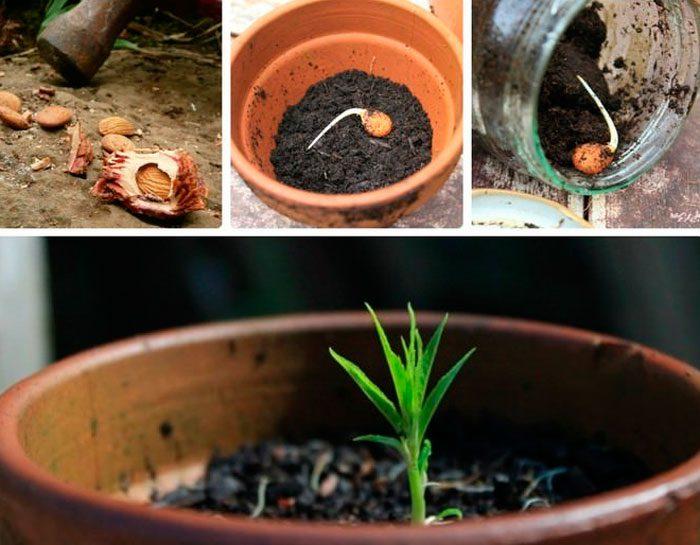
The planting procedure has its own specifics. First, you need to select a suitable site with good lighting and suitable soil. Next, perform the following steps:
- They dig a trench 1 m long and 25 cm deep.
- Fill it halfway with humus.
- Pour water over it and leave for 1 hour to soak in.
- Place the seeds in the hole at intervals of 30 cm.
- They bury it in the ground.
- Cover the planting with any mulch on top.
- After 2-3 days, water with a humus solution.
Important! Seeds can be planted at any time: spring, fall, or summer. Over the winter, weak seeds will die, leaving only the strongest ones.
Cuttings
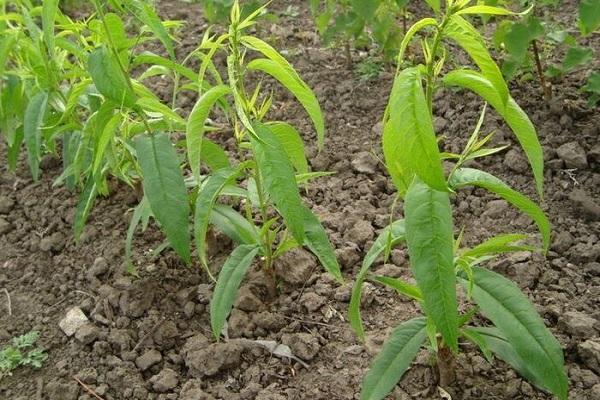
After pruning, the remaining shoots can be used for propagating nectarines. They should be no thicker than 10 mm. Each cutting is shortened to 15 cm. The shoots can be planted in spring or fall. To do this:
- Young shoots are treated with a solution of "Kornevin" to accelerate the formation of roots.
- Then they are planted in the ground in a suitable area.
- Cover with a transparent container, creating a mini-greenhouse.
- Leave the seedlings for 2-3 weeks.
- Check for the presence of roots.
- If roots start to grow, then continue growing the plants.
- If the bottom of the cutting turns black, remove it.
Graft
This is a quick method for propagating nectarines, and it's often successful. The scion is grafted onto a peach or almond tree using budding. Certain rules and conditions must be observed:
- The thickness of the rootstock cutting should be more than 8 mm in diameter.
- The bark at the graft site on the mother tree is thin, smooth, and elastic.
- The procedure is carried out during the period of active movement of sap along the trunk.
- Only well-sharpened and sterile instruments are used.
Nectarine grafting is carried out according to a specific algorithm:
- Cuttings are harvested in the morning; their length should be at least 25 cm.
- The side shoots and leaves are cut off.
- They are lowered into the water.
- The branches are wiped with a damp cloth to remove dust and dirt.
- A 12 mm long transverse cut is made on the cutting.
- Then such an incision is made above the kidney.
- With a smooth movement, cut the bark from one notch to the next.
- A 2.5 cm long cut is made on the mother tree, being careful not to damage the bark and trunk of the tree.
- Then the cutting is applied to the tree, joining their exposed areas.
- Next, the attached shield is wrapped with polyethylene film.
- Leave for 2 weeks.
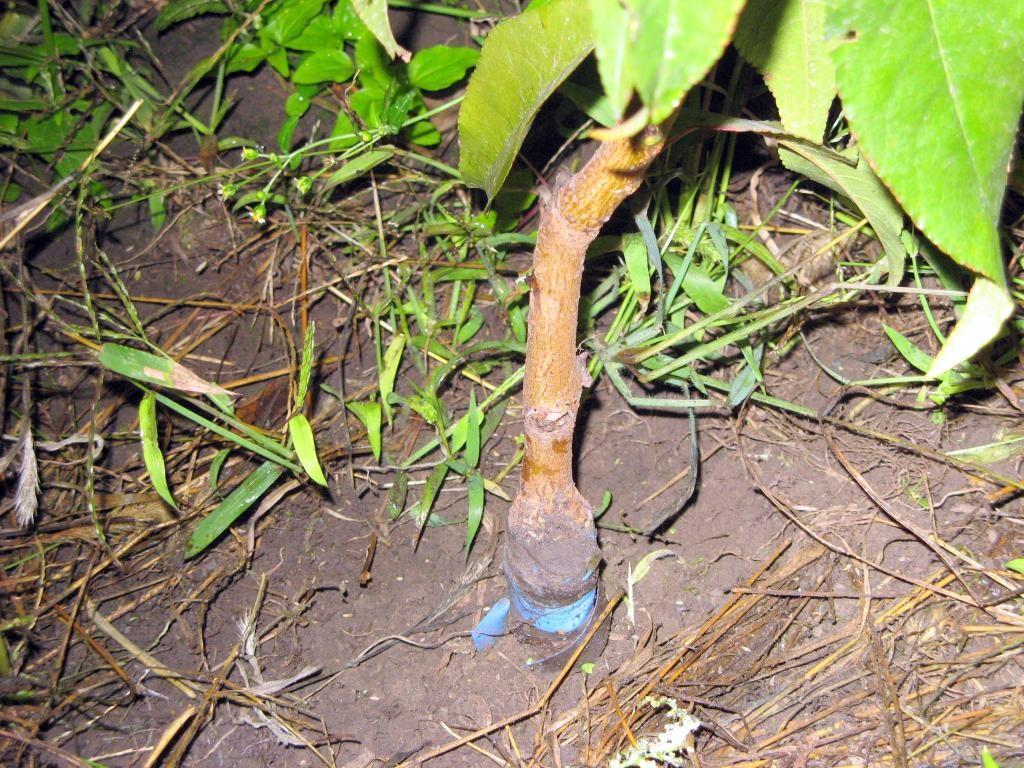 Important! After the grafting period has passed, the scion should fall off with a light touch. This indicates the procedure was successful.
Nectarine varieties
Nectarines have been cultivated for many decades. Breeders around the world have worked to develop new varieties and species. Each region has strived to create a tree that can bear fruit vigorously in all climates. Early, mid-season, and late-season varieties have been developed. This diversity allows the fruit to be cultivated in all climate zones.
Early
Suitable for regions with short summers, the most popular varieties include:
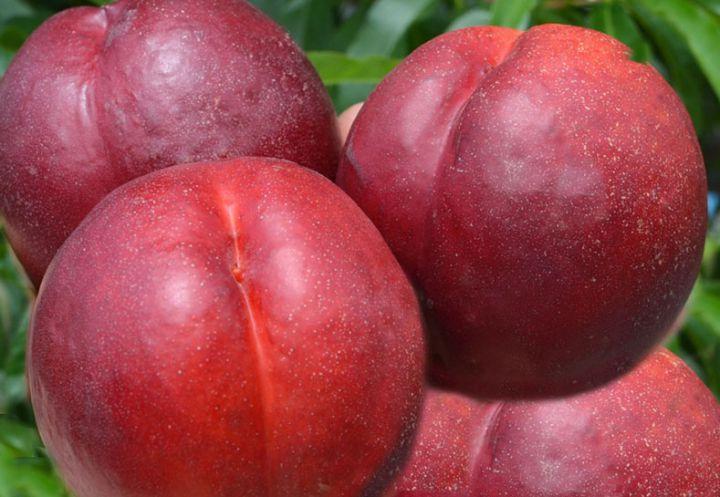
- Fleming Fury – developed by American breeders, the fruit is medium-sized, with yellow, juicy flesh. Ripens in 90 days.
- Caldesi – developed by Italian scientists, this variety is considered a high-yielding variety. The fruits are medium-sized, with soft yellow flesh. The skin is yellow-green with a bright crimson blush.
- Rebus 028 is one of the best nectarine varieties developed in Italy. It is characterized by high yields and resistance to frost and disease. The nectarines are large and yellow with a burgundy blush. The flesh is firm, yellow, and juicy.
- The Big Top nectarine is the work of American scientists. The fruit is large, with firm, yellow flesh that turns red near the pit, which is difficult to remove. The skin is a bright burgundy color.
- Ruby 4 – suitable for commercial cultivation and easy to transport. The fruits are large, covered with a dense, shiny red skin. Inside, the nectarine is firm and yellow, with a pleasant, slightly tart flavor.
Mid-season
Nectarine varieties ripen in 110-120 days. Suitable for cultivation in temperate and southern regions. The most popular varieties are:
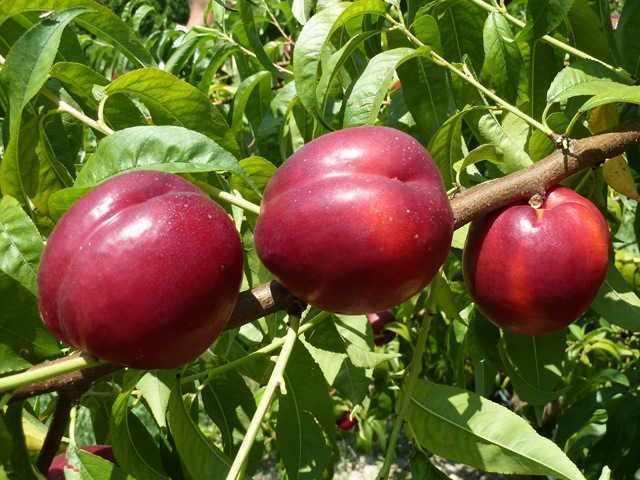
- Ishunsky is a development of Ukrainian scientists. The fruits are medium-sized, covered with a burgundy blush. When cut, the fruits are yellow-orange with red veins. The taste is good.
- Vang-3 is a variety characterized by high resistance to frost, disease, and pests, and good yields. The nectarines are large, suitable for commercial cultivation. The skin is thin, firm, and bright red. The flesh is yellow, sweet, and firm, with a pink tint.
- Harko is a nectarine developed in Canada. It produces a high yield and is resistant to most diseases and frost. The fruits are small, with a yellow-green skin covered in a burgundy layer. The flesh is firm and yellow. The pit is easily removed.
- Alitop is the result of Italian selection. It is characterized by a high yield thanks to its large fruits. The nectarines are covered with yellow skin with a bright burgundy blush spreading almost entirely over the surface. Inside, the fruits are yellow, soft, juicy, and sweet.
- Stark Red Gold – a variety developed by American scientists. The fruits are large, with red skin and juicy yellow flesh. The pit is easily separated, with a red halo around it.
Late ripening
These nectarine varieties have good shelf life and transportability. They are grown in the south, as the ripening period is up to 150 days. Consequently, the growing season should be at least as long. The most popular varieties include:
- September Queen – the pit separates easily from the fruit. The flesh is light yellow, almost beige, firm, and juicy. Nectarines taste sweet and sour. The skin is yellow-green, with a characteristic carmine blush.
- The Yevpatoriya nectarine variety doesn't require pollinators, which is an advantage. It was bred by Russian scientists and is intended for cultivation in southern regions. It produces medium-sized fruits with a thin, dense yellow skin, partially covered with red spots. The flesh is yellow and juicy.
- Poseidon is a Russian variety. The nectarines are small, yellow with a few red veins. The flesh is firm and light yellow, and the pit is easily removed.
- Sweet Lady is one of the varieties that produces the largest fruit. It was bred in Italy. It is resistant to most diseases and winter-hardy. The fruit has yellow skin and an unevenly distributed blush. When cut, the nectarine is yellow with red speckles.
- Harblaze – the pit separates easily from the flesh. It's a dessert nectarine variety. The fruits are medium-sized and bright burgundy.
Related posts:
 Description and characteristics of the 20 best nectarine varieties, planting and care
 How to grow a nectarine from a seed at home: planting and care
 Top 7 Easy Nectarine Jam Recipes for Winter
 Descriptions of the 20 best cherry varieties for the Moscow region, their planting and care
 How to plant walnuts, care for them, and grow them at home
 Description and cultivation of the 15 best cherry plum varieties for the Moscow region, planting and care rules
 Description and characteristics of the 27 best plum varieties for the Urals, planting and care
 The best eggplant varieties for growing in a polycarbonate greenhouse: planting and care