
- Description and Features
- Key Features of Redhaven
- Fruit
- Bloom
- Frost resistance
- Productivity
- Pros and cons of the variety
- How to plant correctly
- Selection and preparation of planting material
- Recommendations for choosing planting dates
- Requirements for the location
- How to prepare the soil and site
- Planting diagram
- Pollinators
- Golden Jubilee
- A gift from Kyiv
- Ambassador of Peace
- In memory of Shevchenko
- Care instructions
- Trimming
- Sanitary
- Rejuvenating
- Fruit rationing
- Formation
- Cup-shaped crown
- Palmetto crown
- Watering mode
- Weeding and loosening
- Top dressing
- In the spring
- In summer
- In the fall
- Preparing for winter
- Mulching and care of the tree trunk circle
- Diseases and pests
- Leaf curl
- Fruit rot
- Moniliosis
- Weevil
- Oriental codling moth
- Aphid
- Harvesting and storage
- Methods of reproduction
- Tips from experienced gardeners
The Redhaven peach is a popular choice among many gardeners. This variety boasts consistent and high yields, and its fruits have excellent flavor. To ensure successful cultivation, it requires comprehensive and high-quality care. This includes timely watering, fertilization, and pruning.
Description and Features
The Redhaven variety translates as "red hill." It is also often called Early Redhaven. This American-bred variety was developed in 1940. In a short period of time, the plant gained immense popularity.
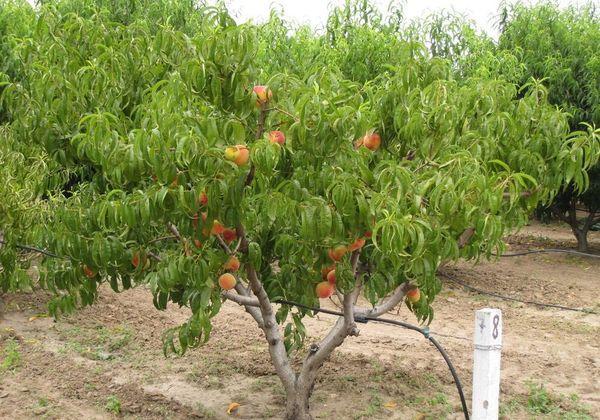
This variety grows to a height of 5 meters. It is characterized by a spherical crown with a sparse number of leaves. These are quite large, reaching 15 centimeters.
Key Features of Redhaven
The Redhaven peach has many distinctive characteristics, making it a popular choice for many gardeners.
Fruit
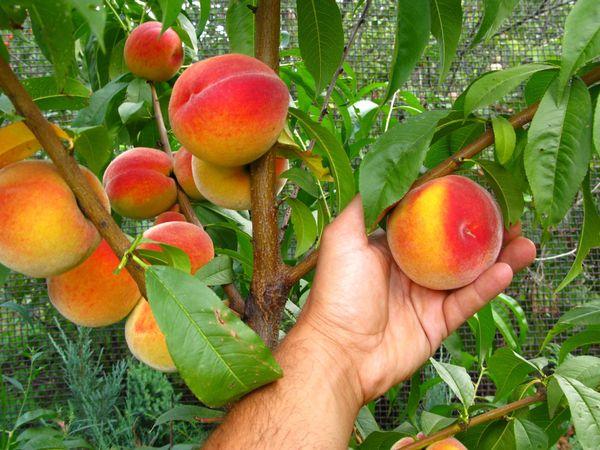
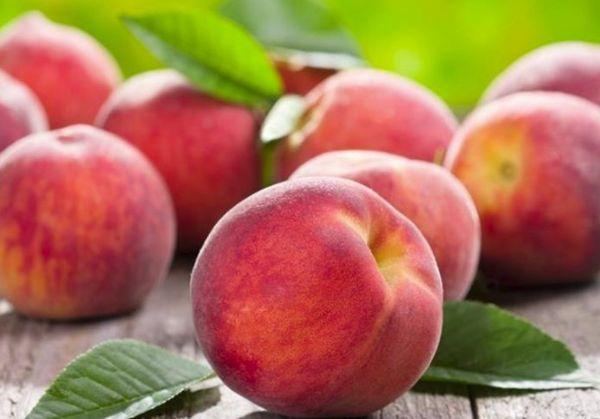
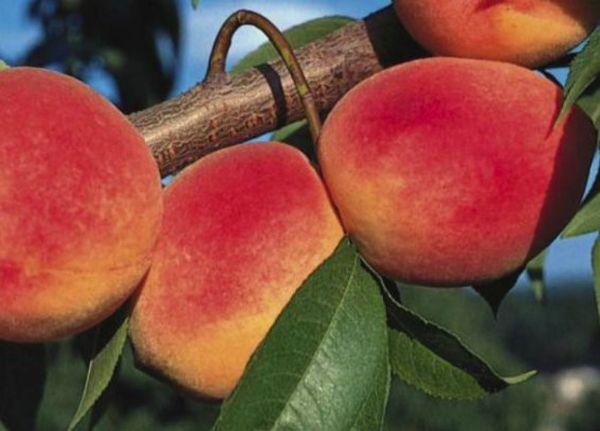
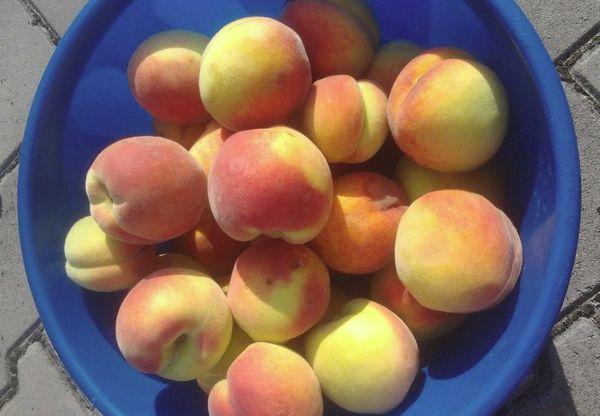
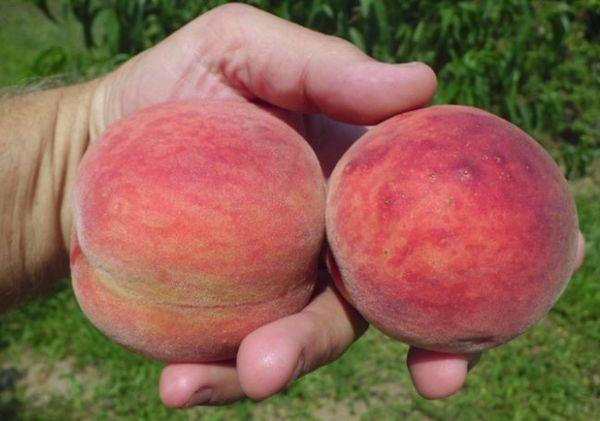
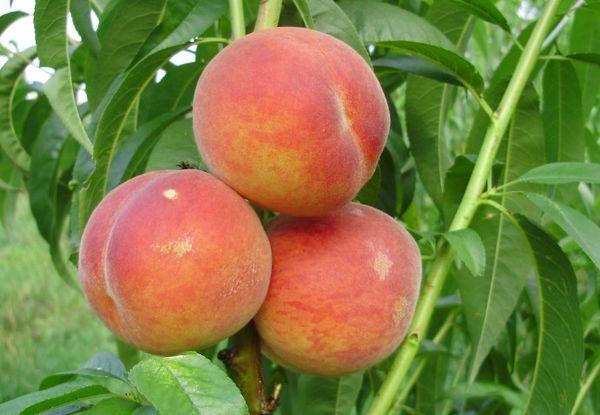
The fruits are nearly round and weigh 120-200 grams. Their outer skin is thick, making them suitable for long-distance transport. The skin is yellow with a red blush. Inside, there's light orange flesh with pink veins.
Peaches are characterized by excellent flavor. On a tasting scale, the fruit was awarded a 4.9 out of 5. The pit separates easily from the flesh.
Bloom
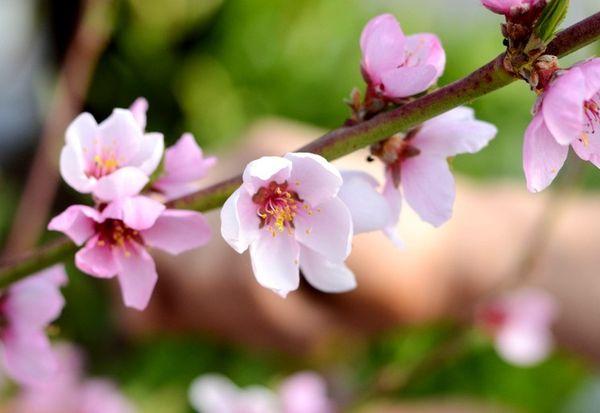
The flowers are medium-sized and bell-shaped. They are characterized by a light pink color. The petals are oval and wonderfully fragrant. The plant blooms for two weeks.
Frost resistance
The tree is characterized by good frost resistance. It can withstand temperatures down to -25 degrees Celsius. The plant is also resistant to recurrent frosts.
Productivity
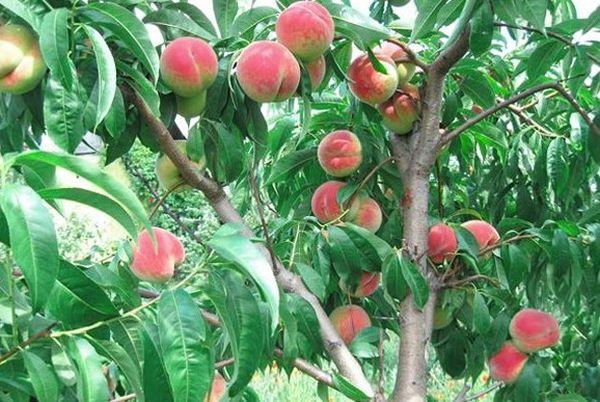
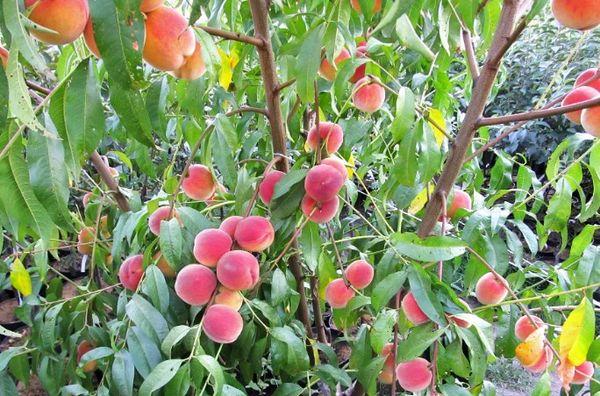
The plant is characterized by good yields. A 10-year-old tree produces 35-50 kilograms of fruit. Older plants can yield 100 kilograms.
Pros and cons of the variety
The key advantages of culture include the following:
- great taste;
- good appearance;
- high yield;
- early fruit bearing;
- high frost resistance in the growing region;
- resistance to recurrent frosts;
- excellent transportability.
However, the plant also has certain disadvantages:
- susceptibility to curl;
- the need for crop yield regulation.
How to plant correctly
To obtain a strong and viable plant, it is recommended to carry out planting work correctly.
Selection and preparation of planting material
Seedlings should be purchased from local nurseries. These plants are adapted to the region's climate. Specialists perform initial pruning, which increases their survival rate. It's best to choose seedlings that are one year old. Before planting, soak them in water or a growth stimulant.
Take a look Also

Recommendations for choosing planting dates
It is recommended to plant the plant in mid- to late April. By this time, the soil has warmed up sufficiently, and nighttime temperatures are at least 10-15 degrees Celsius.
Requirements for the location
Peach trees should be planted in a level area, preferably on a south-facing site. The location should also be well-lit. Shade will prevent the plant from producing generative buds. Furthermore, the fruit may be small and sour.
Peach trees don't tolerate drafts or strong gusts of wind well. Therefore, it's best to plant the tree in a sheltered location.
When choosing a site, keep in mind that the plant will form a crown up to 10 meters in size. Therefore, it is recommended to provide it with sufficient space.
The tree does not grow well in low-lying areas where meltwater and rainwater accumulate. It will not thrive in swampy areas. It should also not be planted in acidic soil.
How to prepare the soil and site
It's recommended to prepare the planting hole well in advance. This is best done in the fall. If this isn't possible, dig the hole two weeks before planting.
Add 50 grams of potassium chloride and superphosphate to fertile soil. It's also worth adding 300-500 grams of wood ash. If you plan to plant a peach tree in poor or sandy soil, add 5-8 kilograms of organic fertilizer.
Planting diagram
When landing, you should do the following:
- Dig a hole 1 meter in diameter and 70 centimeters deep.
- It is necessary to maintain a distance of at least 3-4 meters between seedlings or other trees.
- Place a 1 meter high stake at the bottom of the hole.
- Straighten the roots of the plant.
- Sprinkle with soil.
- Water with 30-40 liters of water.
- Apply a mulch layer of grass or sawdust. The layer should be 10-15 centimeters thick.
- Tie the tree to the support.
- Make pruning depending on the desired crown type.
Pollinators
This peach variety has dioecious flowers. The plant is considered self-fertile and can produce fruit even without pollinators. However, to increase productivity, gardeners recommend planting several varieties.
Golden Jubilee
This plant grows to a height of 2-2.5 meters. It produces delicious yellow-pink fruits that ripen in late July or early August. The plant is resistant to various diseases.
A gift from Kyiv
This mid-early variety is easy to care for. It is characterized by uniform ripening and excellent frost resistance. The fruits are creamy yellow and weigh 150 grams.
Ambassador of Peace
This is one of the highest-quality varieties, characterized by large fruits weighing 150-200 grams. They ripen in early August. The plant produces an excellent harvest and is resistant to powdery mildew.
In memory of Shevchenko
This medium-sized tree produces oval fruits that are slightly compressed at the sides. They weigh 70-100 grams and are cream-colored. Inside is white, juicy flesh. The harvest ripens in mid-August.
Care instructions
The crop requires high-quality and comprehensive care. This will ensure a bountiful harvest.
Trimming
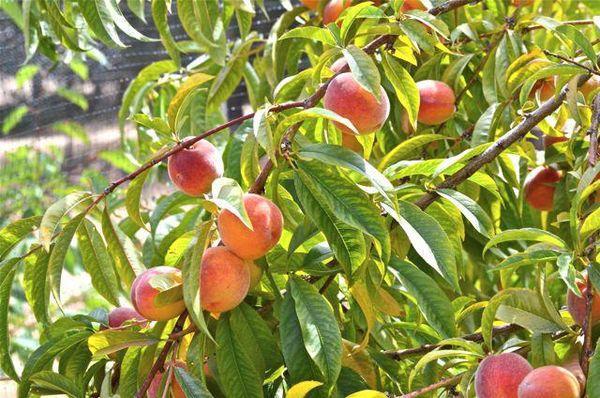
This variety grows quickly. Branches grow 30-40 centimeters each year. A mature plant can form a crown up to 10 meters in diameter. Therefore, it requires annual pruning.
Sanitary
During this type of pruning, it is recommended to remove damaged and frozen shoots. Long branches where fungi accumulate are also shortened by 10-15 centimeters.
Rejuvenating
This type of pruning is necessary when there are a large number of frozen buds or severe infestations. In this case, branches should be cut back completely or shortened by two-thirds of their length.
Fruit rationing
If there are large numbers of fruits, thinning is necessary. First of all, it's important to remove any fruits that are touching each other. This will prevent rot.
Formation
Formative pruning depends on the desired crown shape. There are several options, each with its own unique characteristics.
Cup-shaped crown
To do this, do the following:
- When planting, leave 3-4 side branches. The rest are cut off completely.
- In the 2nd year of life, pinch off the central stem.
- In the 3rd year, shorten the long side branches by a third.
- From the 4th to the 5th year, cut off branches that are directed inward into the crown or grow horizontally.
- During spring pruning, maintain the cup-shaped contours and continue to prune the side branches.
Palmetto crown
To form this type of crown, it is recommended to do the following:
- When planting, trim the central stem back to 70-80 centimeters from the ground. Trim the side branches back to the ring.
- In the first or second year, begin forming the first crown layer. To do this, select 5-6 strong, one-year-old shoots and leave two branches growing freely, 5-10 centimeters apart. These branches are comparable in length to the main stem. Tie three or four side shoots to the trunk at a 45-degree angle. Leave them until the end of the growing season.
- In the third year, cut the tied branches back to the ring. Shorten the central conductor by 5-10 centimeters.
- In the same way, form 3 levels of the crown.
This method helps to form the crown earlier and increase the harvest by approximately 1.5-2 times.
Watering mode
This peach tree requires moderate soil moisture. Typically, it only needs one watering per month. This is especially important before flowering and during fruit formation. Rainfall should also be taken into account.
Weeding and loosening
After watering, be sure to loosen the soil. This procedure helps provide oxygen to the root system. Timely weed removal is also crucial.
Top dressing
This peach variety requires regular fertilization to ensure its normal development.
In the spring
Before sap flow, the tree is sprayed with a 7% urea solution. Use 2-3 liters of the solution per tree. In early spring, after the leaves have formed, 70 grams of ammonium nitrate should be incorporated into the soil. Adding 50 grams of urea is also recommended.
In summer
In summer, it's worth adding 100-150 grams of superphosphate to the soil. You can also use 50-60 grams of ammonium nitrate. This should be done before watering.
In the fall
After harvesting, 40 grams of superphosphate is added to the soil. It's also worth adding 50 grams of calcium chloride. Every 2-3 years, it's recommended to add 5-8 kilograms of organic matter.
Preparing for winter
Despite its high frost resistance, the tree requires preparation for winter. In the fall, dig up the soil and add 45 liters of water. When snow falls, create a 30-centimeter-high snowdrift around the tree.
Mulching and care of the tree trunk circle
To ensure the plant's normal development, it's important to provide adequate care for the trunk area. Mulching the soil is recommended for this purpose. This helps reduce water evaporation. Sawdust, peat, and compost are used for this purpose.
Diseases and pests
Sometimes the crop faces attacks from dangerous pests and the development of fungal infections.
Leaf curl
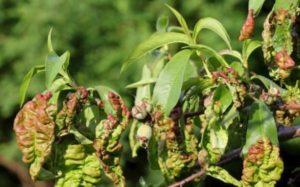
This is a fungal disease that causes wounds, gum, and swelling on the leaves. To combat this, the plant should be treated with copper sulfate. Horus is also used. After flowering, Polycarbocin is used.
Fruit rot
This disease damages harvested fruit. To combat the infection, systemic fungicides are recommended.
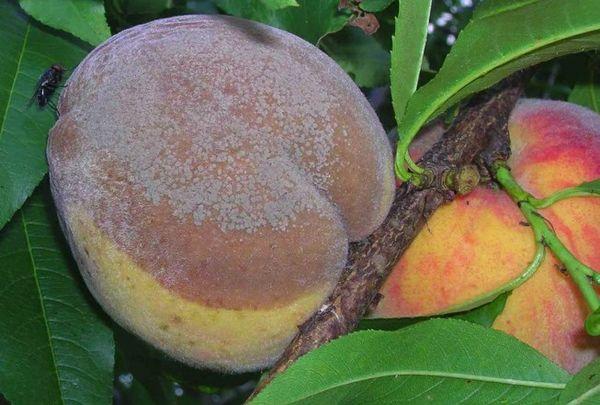
Moniliosis
This disease is characterized by foliar lesions, dry ovaries, and spotted fruit. Before and after flowering, the crop should be treated with Nitrafen.
Weevil
The female of this beetle lays eggs in peach blossoms. These eggs infect the fruit, leading to rot. Often, due to weevil activity, the ovaries dry out and fall off. During the growing season, the tree requires treatment with Decis or Fitoverm.
Oriental codling moth
This pest is a small gray butterfly that attacks the fruit and branches of the tree. In summer, a pine concentrate can help control it. In spring, before buds appear, and in autumn, after the leaves have fallen, chemicals such as Metaphos or Karbofos can be used.
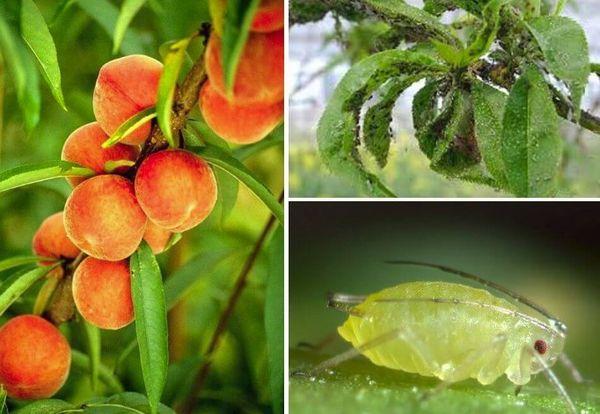
Aphid
These small insects attack the green parts of the tree. Decis or Inta-Vir can help combat the problem.
Harvesting and storage
The first harvest can be obtained within 2-3 years after planting. The firm fruits withstand transportation well. However, in this case, it is advisable to harvest them a few days earlier.
Ripe peaches can be stored for 3-4 days at room temperature. They can be kept in the refrigerator for up to a week.
Methods of reproduction
This crop can be propagated in a variety of ways. Experienced gardeners use the following methods:
- seeds;
- air layering;
- by cuttings;
- vaccination.
Tips from experienced gardeners
To achieve success in growing the crop, it is worth following these rules:
- choose the seedling wisely and carry out planting work;
- water the plant on time;
- apply fertilizers depending on seasonal factors;
- trim the crop;
- provide protection against parasites and diseases.
The Redhaven peach is a popular crop that produces a bountiful harvest and delicious fruit. This is why many gardeners grow this variety in their gardens.
Related posts:
 Description and characteristics of the 45 best types of peaches, growing rules
 Methods for planting and propagating cherries at home
 Peach tree care and agricultural secrets, pest control
 Timing and methods of grafting a peach tree, rules of procedure
 The best grape varieties for growing in the Urals, planting and care rules in summer
 Timing and rules for peach pruning, formation scheme after harvesting
 Growing and caring for hazelnuts in open ground, rules for planting hazelnuts
 How to properly grow a peach tree from a seed at home, planting and care