
- Features of the region
- The best varieties
- Morettini's favorite
- Greensboro
- Redhaven
- Early Kyiv
- Collins
- Early champion
- Juicy
- Golden Jubilee
- White swan
- Cardinal
- Kremlin
- Golden Moscow
- Siberian
- Features of cultivation and care in open ground
- Recommendations for choosing deadlines
- Requirements for the location
- Predecessors and neighbors
- How to select and prepare planting material
- How to plant
- Formation
- Watering
- Top dressing
- Preparing for winter
- Graft
- Diseases and pests
- Fruit rot
- Powdery mildew
- Moniliosis
- Clusterosporiasis
- Aphid
- Ticks
- Fruit moth
- Weevils
- Oriental codling moth
- Tips and recommendations for choosing a variety
Growing peaches in the Moscow region has its own unique challenges. To achieve success, it's crucial to select the right variety. It should be resilient to low winter temperatures and recurrent frosts. Equally important is planting timing and proper care.
Features of the region
The Moscow region enjoys a temperate climate, characterized by mild winters and humid summers. Choosing the right peach variety is relatively easy. However, it's important to consider the rootstock type and the ripening period.
Early varieties grow well in the region. Mid-season varieties are also acceptable. They should be frost-hardy. To avoid making a mistake in choosing a plant, it's best to purchase trees from specialized nurseries that sell regionally approved varieties.
The best varieties
There are many varieties of the crop that are characterized by resistance to winter frosts and spring temperature fluctuations.
Morettini's favorite
This variety is characterized by early ripening. The tree has a broad crown. The fruits are medium-sized, weighing 95 grams. They are oval in shape and have a yellowish skin. The flesh has a distinct aroma.
Greensboro
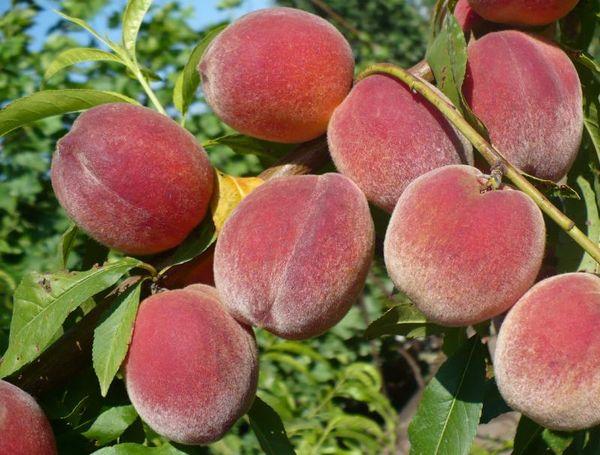
It produces large fruits. The plant is resistant to low temperatures and diseases. However, the fruits are difficult to transport. The fruits are green-yellow in color and have a beautiful blush. They weigh 160 grams. The pulp is juicy and contains fiber.
Redhaven
This variety produces large fruits. It is characterized by high yields and excellent flavor. Peaches weigh up to 150 grams. They have a thick skin, and the flesh inside is firm. In favorable seasons, a tree can yield up to 100 kilograms of fruit. The plant tolerates frosts well.
Early Kyiv
This variety is characterized by excellent tolerance to low temperatures. It easily tolerates fungal diseases, but does not tolerate excessive soil moisture. The fruits are medium-sized, weighing 80-100 grams. They are characterized by a pale yellow hue and a pink blush. The flesh is juicy and sweet.
Collins
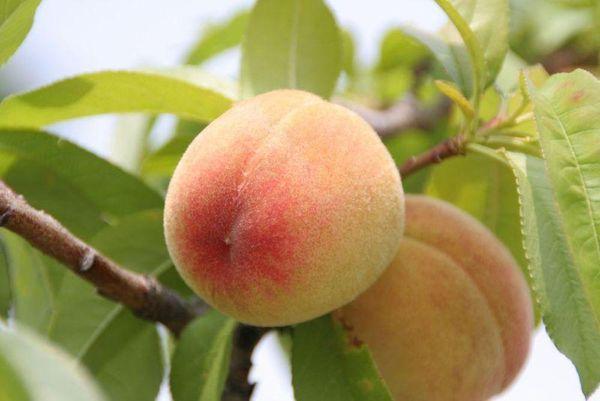
This variety is considered self-fertile and is grown as a mid-early variety. It was developed by American breeders, but is now successfully grown in the Moscow region. Peaches reach 150 grams in weight and have a sweet, slightly tart flavor. Ripe fruits have a reddish-yellow hue and small spots. Harvesting should be done promptly to avoid the risk of branch breakage. The fruits do not ripen immediately.
An adult plant produces up to 50 kilograms of fruit.
It is characterized by frost resistance. The tree requires timely irrigation, fertilization, and pruning.
Take a look Also
Early champion
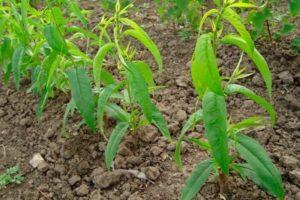
The tree is considered tall and spreading. It is characterized by a dense crown. Each mature bush can yield up to 70 kilograms of fruit. The tree bears fruit regularly. Peaches weigh up to 160 grams. When ripe, they turn a green-cream hue and develop a blush. The fruit is high in sugar and acids.
Juicy
This tree is considered self-fertile and self-pollinating. It has a wide crown. Each fruit weighs 200 grams. The fruits are oval in shape and green-cream in color. The flesh has a distinct aroma and sweet flavor. The tree is resistant to fungal infections. The variety is considered frost-hardy. A mature plant can yield up to 70 kilograms of fruit.
Golden Jubilee
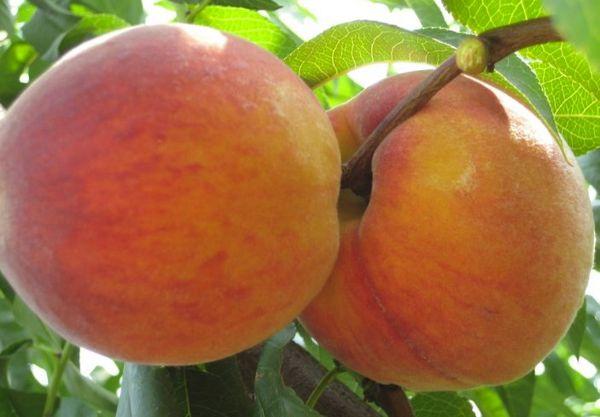
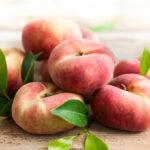
This variety was bred by American scientists. However, it can also be grown in the Moscow region. The peaches are round and slightly flattened on the sides. When ripe, they turn yellow and develop a noticeable blush. This self-fertile variety is characterized by a distinct aroma and excellent flavor.
White swan
This mid-early variety tolerates dry weather well. It is characterized by a compact crown. The fruits weigh 150 grams and are suitable for transportation and short-term storage. Each tree produces 60 kilograms of sweet fruit.
Cardinal
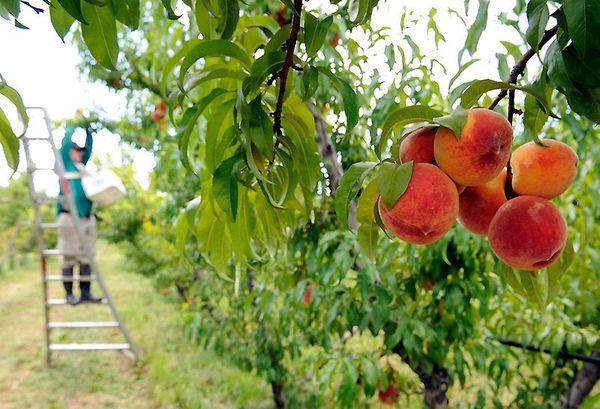
This plant is characterized by large fruits covered with a slight blush. The tree requires fertilization and regular watering. Otherwise, the plant is considered undemanding. It is highly resistant to frost and powdery mildew.
Kremlin
This variety is characterized by a high level of adaptability. The plant can withstand severe frosts. The fruits have a sweet and sour taste and are medium in size. The tree does not tolerate excess moisture well. This peach is resistant to common diseases.
Golden Moscow
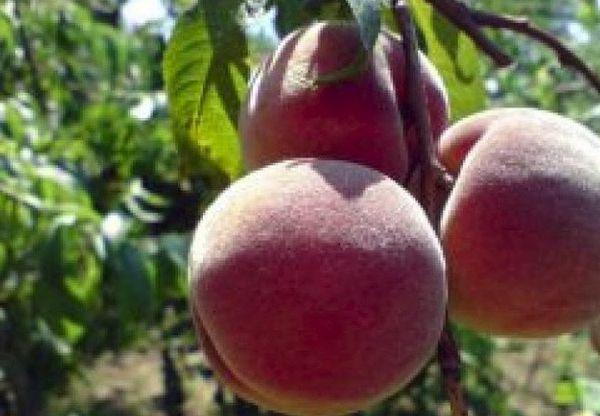
This is one of the most common mid-season varieties. The plant produces fairly large peaches, covered in a pleasant fuzz and containing golden flesh. Each tree produces up to 50 kilograms of peaches per season.
Siberian
This variety ripens in early August and produces an excellent harvest. A single plant can yield up to 50 kilograms of fruit. It bears fruit every three years. It produces round, lemon-colored fruits with a beautiful blush and weighs 140 grams. This variety easily tolerates temperatures down to -20 degrees Celsius.
Features of cultivation and care in open ground
To achieve success in growing peaches, it is necessary to follow basic agricultural practices.
Recommendations for choosing deadlines
In this region, peach trees should be planted in the spring. This is especially true for bare-root seedlings.
Requirements for the location
To grow a peach tree, choose a site that receives full sun and is protected from drafts and wind.
Predecessors and neighbors
Peach trees should not be planted in areas previously occupied by strawberries, tomatoes, or clover. It is also not recommended to grow the crop after alfalfa. Avoid growing the plant in areas where cherry, apple, or pear trees are growing.
How to select and prepare planting material
For growing in the Moscow region, it's best to choose peach varieties bred by local scientists. Regionalized varieties are also suitable. Seedlings should be purchased from local nurseries. It's best to choose plants that are 1-2 years old.
A tree 1.2 meters tall is suitable for planting. The main trunk should be 1.5 centimeters thick. It is important that the plant's buds are fully formed and the crown includes four branches. The roots of the seedling should not show any external damage or signs of disease. Before planting, soak the plant in a growth stimulant.
How to plant
Before planting the tree in the soil, thoroughly dig the soil in the selected area and remove weed roots. If the soil is very poor, it is recommended to apply fertilizer beforehand. High acidity should be neutralized with wood ash. Dolomite flour is also used. Saplings should be spaced in a 4x3 meter or 4x4 meter pattern.
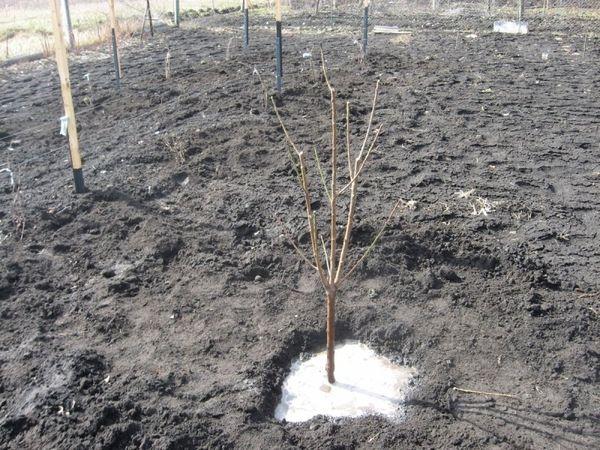
A planting hole should be 60 centimeters deep and at least 50 centimeters in diameter. In fertile soil, a hole measuring 70 x 70 centimeters should be dug. Pour a bucket of water into the hole. Once the moisture has been absorbed, place the seedling in the hole and carefully spread the roots. Add nutrient-rich substrate on top, compact it, and water thoroughly.
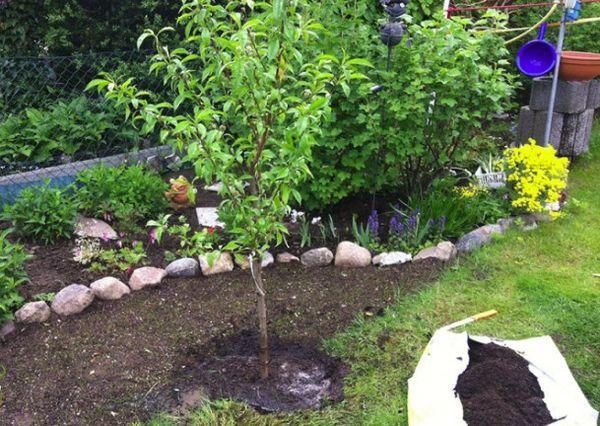
The soil around the tree trunk should be covered with a layer of mulch. Peat, humus, and pine needles are recommended for this purpose. Shredded tree bark is also suitable.
Formation
Trees should be trained immediately after planting. The top of the tree should be trimmed back to a height of 50 centimeters above the ground. Mature trees require sanitary pruning, removing broken and frozen branches.
Formative pruning should be done in the fall. This is the time to remove overgrown branches. A 10-year-old peach tree requires rejuvenation treatment.
Watering
In hot weather, the tree needs watering. A mature tree requires 45 liters of water.
Top dressing
In spring, it's best to use fertilizers high in nitrogen. This promotes foliage growth. In summer and fall, use fertilizers containing potassium and phosphorus.
Preparing for winter
In the Moscow region, plants require careful preparation for winter. After the leaves fall, trees should be earthed up. Once the soil has settled, it's recommended to insulate them with spruce branches. Sawdust or leaves should not be used for this purpose, as they accumulate moisture and breed pests.
Graft
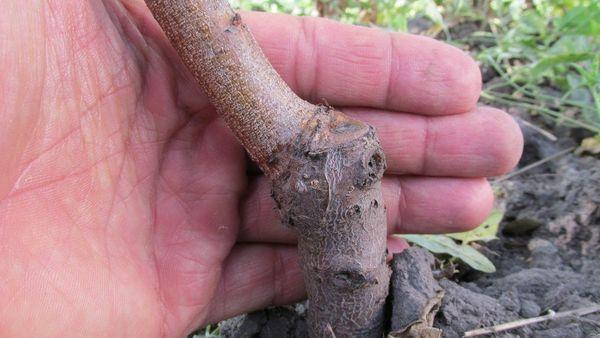
To graft a peach tree, it's important to select a high-quality rootstock. Healthy, self-fertile apricot saplings are used for this purpose. Winter-hardy plum varieties are considered an equally good solution. Cuttings are taken in early June. This method relies on the plant's ability to regenerate.
Diseases and pests
Growing peaches can pose various challenges. One of them is the risk of disease or pest infestation.
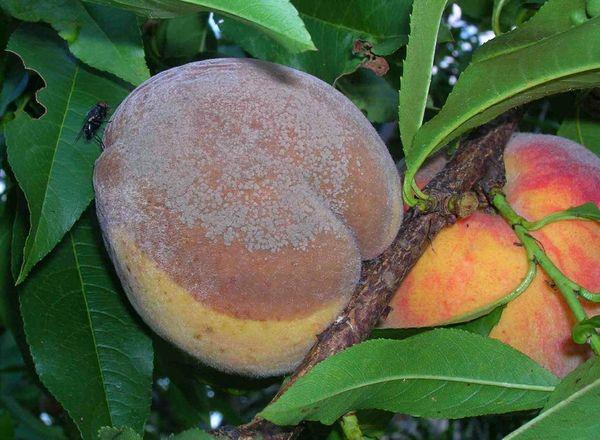
Fruit rot
This disease is accompanied by a significant reduction in yield. Fruit becomes covered with numerous grayish-colored cushions. Treatment with Topsin M or Teldor can help prevent this. This should be done before flowering and during fruit development.
Powdery mildew
This is one of the most dangerous diseases. It affects shoots, leaves, and fruits, which become covered with a coating. Topsin or Topaz can help combat this problem. These products are used at the end of flowering.
Moniliosis
The disease occurs in spring during flowering. It is spread by harmful insects. To prevent its development, trees are treated with Horus, Topaz, and Topsin.
Clusterosporiasis
This dangerous disease affects all above-ground parts of the plant—leaves, shoots, and flowers. Before the sap begins to flow, all affected parts of the tree should be cut off. The cut areas should be treated with a lime solution, supplemented with copper or iron sulfate.
Aphid
These insects attack the undersides of leaves. At the first sign of infestation, the plant is treated with strong insecticides.
Ticks
These small insects attack the tree's bark and weaken it. Acaricides can help combat this problem.
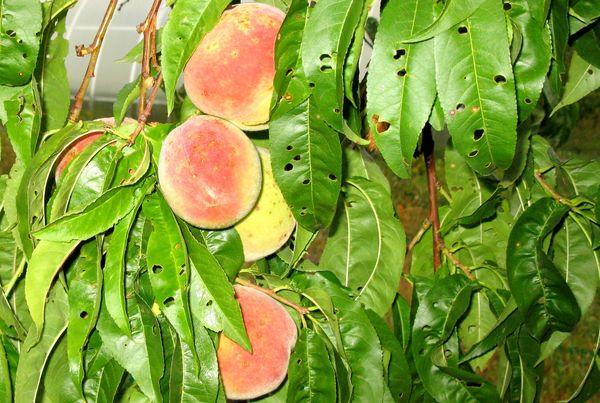
Fruit moth
This is a small, dark-gray butterfly. Its caterpillars attack buds and young shoots. Pruning affected shoots helps prevent this. It's also a good idea to loosen the soil under the crown.
Weevils
These beetles attack buds, flowers, and buds. To avoid problems, treat the tree with chemicals before bud swelling.
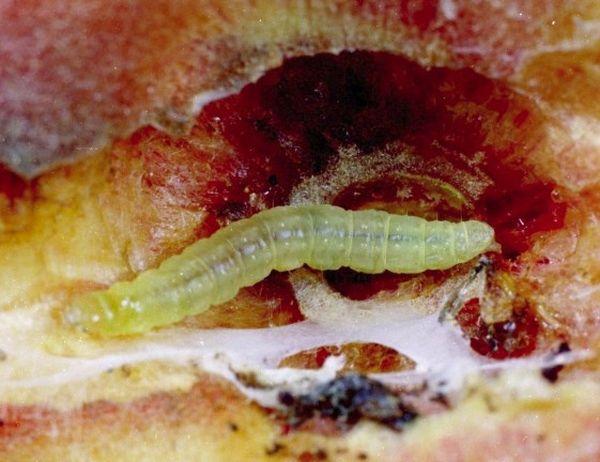
Oriental codling moth
These are small butterflies whose caterpillars attack shoots and ovaries. To avoid such problems, it's important to apply insecticides promptly.
Tips and recommendations for choosing a variety
To successfully grow peaches in the Moscow region, it's important to choose the right variety. It must meet the following requirements:
- frost resistance;
- resistance to spring temperature drops;
- immunity to diseases.
Peaches are quite suitable for cultivation in the Moscow region. To achieve success, it's important to choose the right variety and provide the crop with proper care.
Related posts:
 Descriptions of the 20 best cherry varieties for the Moscow region, their planting and care
 Description and cultivation of the 15 best cherry plum varieties for the Moscow region, planting and care rules
 Description and characteristics of the 27 best plum varieties for the Urals, planting and care
 Methods for planting and propagating cherries at home
 The best grape varieties for growing in the Urals, planting and care rules in summer
 How to plant walnuts, care for them, and grow them at home
 Peach tree care and agricultural secrets, pest control
 Description of the 25 best cherry varieties for the Urals and Siberia, planting and care in open ground