
- Characteristics and description of the variety
- Bushes
- Fruit
- Varieties
- Pink
- Red
- Yellow
- Advantages and disadvantages of the variety
- Growing rules
- Sowing seeds
- Caring for seedlings
- Plants in a greenhouse
- Fertilization
- Caring for tomatoes
- Watering
- Illumination
- Top dressing
- Pest and disease control
- Productivity
- Collection and storage
- Gardeners' reviews
The diversity of varieties allows gardeners to choose varieties that fully satisfy their family's needs. Fig tomatoes are popular among fruit lovers, both fresh and canned. Once planted, gardeners will never stop growing them.
Characteristics and description of the variety
Using this information will help gardeners avoid missing important steps when growing this variety. Fig was developed relatively recently, in 2012, by the manufacturer "Gavrish."
Bushes
The plant type is indeterminate. Height reaches 2.5 m. The root system develops well, especially if provided with the necessary conditions.
To increase fruit size and overall yield, it is recommended to limit growth. In open ground, at a height of 1.8 m, and in protected ground, at a height of 2 m, the growing point should be pinched.Compliance with agricultural technology requirements will help to obtain a high yield.
Fruit
Since the Fig variety has three varieties, the fruit shapes vary slightly. The color of the ripe fruit is also a distinctive feature.
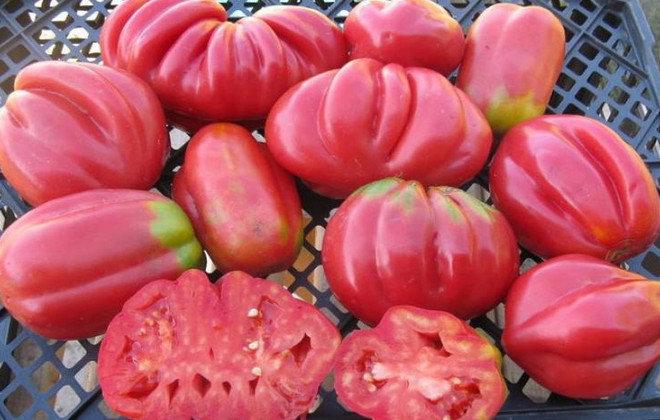
Tomatoes have excellent flavor characteristics and are used for fresh consumption and for various winter preserves.
Varieties
Gardeners have three varieties of Fig tomatoes to choose from. Distinguishing features include slight differences in fruit size, skin color, and flesh color.
Pink
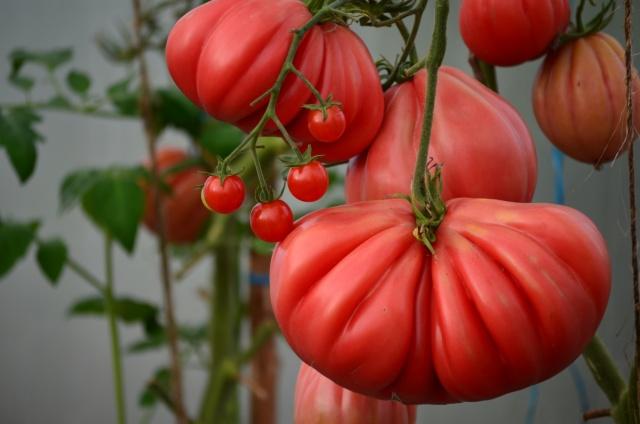
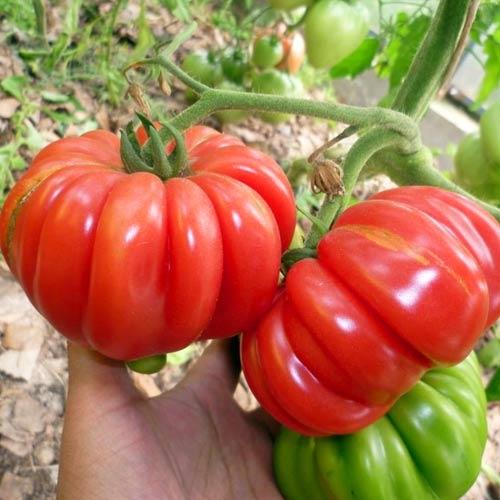
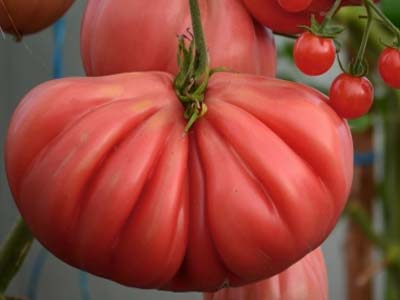
If left unchecked, the plants reach a height of 3 meters. The fruit is unusually shaped, vaguely reminiscent of a true fig. The tomatoes are ribbed, with a pinkish skin.
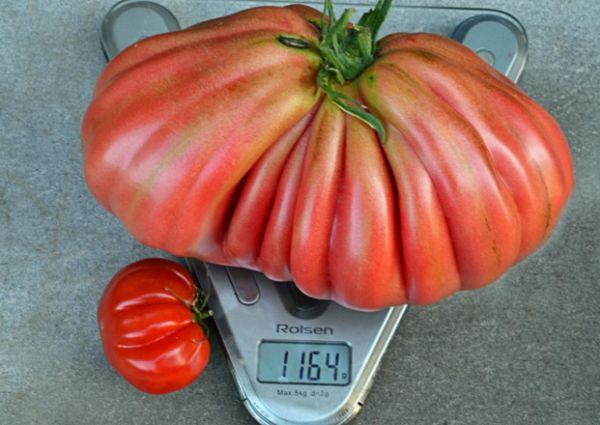
A single cluster can produce up to 5 tomatoes. Their weight varies depending on care, with the average being 250-450 g. However, gardeners report that in some cases, they can reach over 1 kg. Therefore, the yield is 5-7 kg per bush.
The taste characteristics are excellent, there is no acidity, a soft fruity taste prevails.
Red
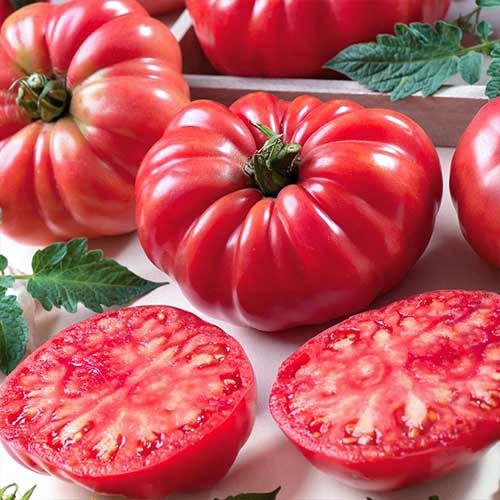
Another variety of tomato is the Fig. The plants are tall, reaching a maximum height of 2 m. The pronounced ribbing of the fruit makes it resemble a fig. Red tomatoes reach 350-400 g. The fruit tastes fleshy, sweet, and not sour. With proper planting and care, 1 m2 yields 12 kg of vegetables.

Yellow
A recently bred fig, this variety is a determinate variety. Its maximum height is 100 cm. Yellow tomatoes grow up to 250 g. Ribbing is less pronounced than in other fig varieties. The flesh is sweet and tender, with no noticeable acidity. Yield per 1 m2 7-9 kg.
Advantages and disadvantages of the variety
Fig tomatoes have both positive and negative qualities. You can only truly appreciate the variety once the bush is in your garden.
Pros:
- High yield volume.
- The fruits have a sweet taste.
- The pulp is sugary, there is no acid.
- Picked tomatoes ripen indoors, but this does not affect their taste.
Cons:
- Low cold tolerance.
- Demandingness to formation.
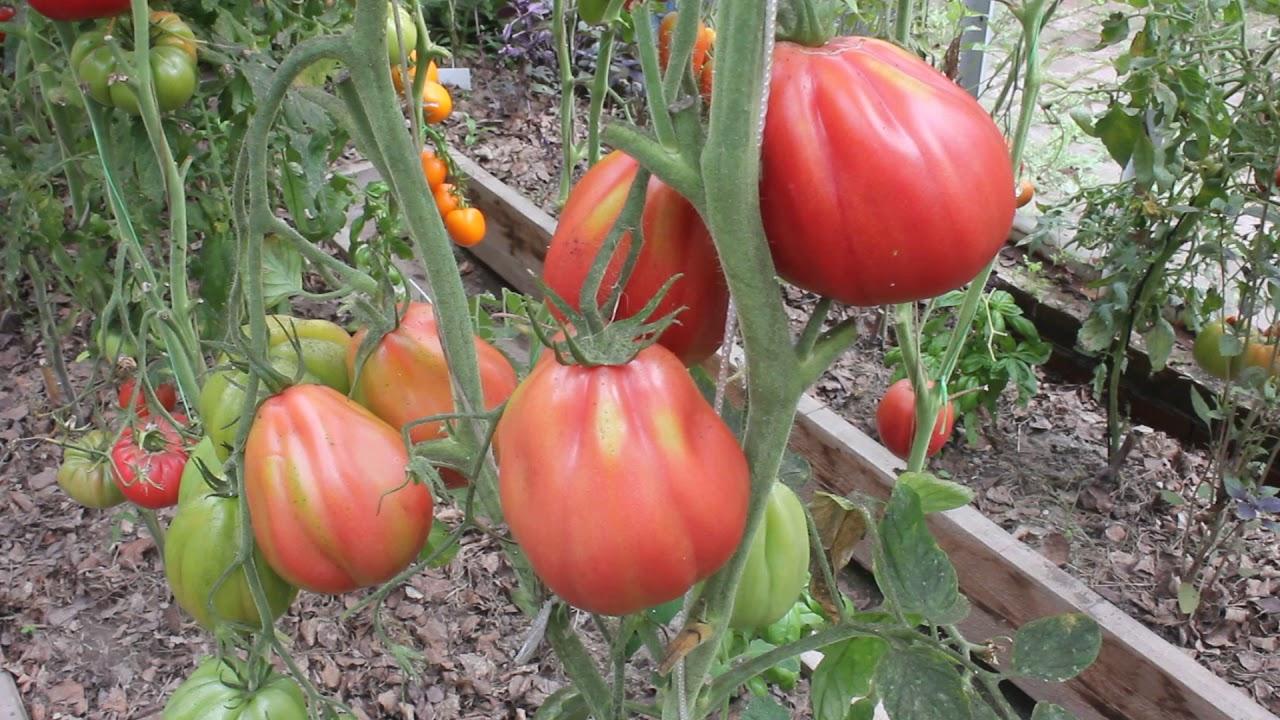
The Fig series of tomatoes is perfect for true gourmets and those who grow vegetables for fresh consumption.
Growing rules
By following planting and growing guidelines, gardeners will ultimately receive a rich harvest of delicious fruits.
Sowing seeds
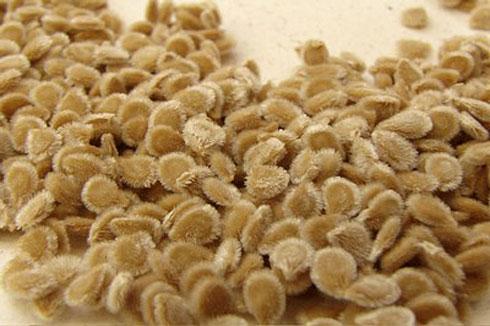
Vegetable growers obtain their own planting material, as figs are not hybrids. Some prefer to buy seeds from the store. Before planting, the planting material must be prepared. To disinfect, they are immersed in a weak solution of potassium permanganate for 30 minutes. Then, the seeds are removed and dried.
Before planting, soak the seeds in a growth stimulator for 1-1.5 hours. Then, dry them and sow them in prepared containers. You can purchase the soil for the seedlings from a store or prepare it yourself.
To do this, mix:
- 1 part turf soil;
- 2 parts humus;
- 1 part river sand.
Before planting, the soil is watered with warm water containing potassium permanganate.The seeds are planted 2-3 cm deep, with furrows spaced 5 cm apart. After planting, they are covered with plastic wrap and placed in a warm place until sprouts appear.
Caring for seedlings
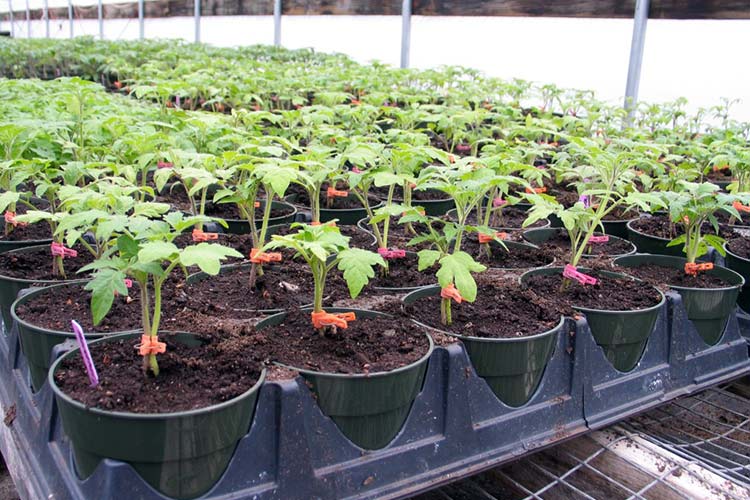
Plants require attention, as tomatoes are planted early, requiring supplemental lighting. The seedlings require 14 hours of sunlight per day. If necessary, install special lamps. Water as the top layer dries. Avoid overwatering or overdrying the soil. Loosening the soil around the plantings is recommended to ensure oxygen reaches the roots.
Plants in a greenhouse
Plants are transferred to the greenhouse once they reach 35 cm in height, when the tomatoes have developed 6-7 true leaves. Planting distance depends on the variety. Tall varieties are planted 0.5 m apart, while low-growing varieties are spaced 40 m apart.
It is essential to install support structures to which the grown plants will subsequently be tied.
Water with warm water. To retain moisture, gardeners recommend mulching the soil around the bushes.
Fertilization
Apply complex or organic fertilizers. It's important to use moderation; overfed plants will produce green mass instead of flower clusters.
Caring for tomatoes
Once the plants are moved to a permanent location, they require some care.
Watering
In a greenhouse or open ground, water plants once a week. It's important to monitor soil moisture. It shouldn't be too wet or too dry. Plants require special attention during the fruiting stage. Water more generously at that time.
Illumination
Tomatoes need to be grown in a sunny location, as figs require a lot of light. When grown indoors, supplemental lighting is provided. In southern regions, plants don't need additional light; daylight is sufficient.
Top dressing
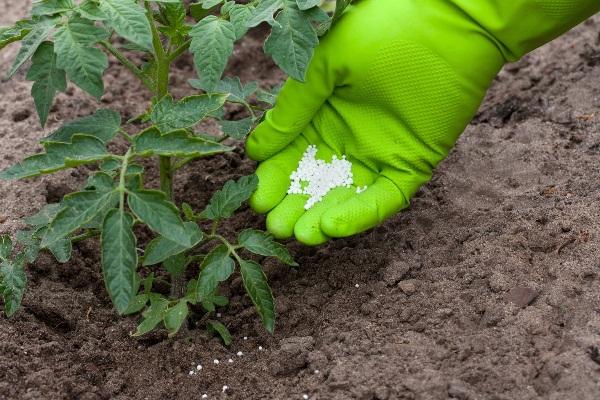
After transplanting to their permanent location, the plants need to be fertilized with mullein. Dilute at a ratio of 1:10. Water the bushes at the roots. Then alternate with complex mineral fertilizers. Plants require attention during:
- flowering;
- ovary formation;
- beginning of fruiting.
You cannot add too much mineral and organic fertilizer, otherwise the plant will stop producing fruit.
Pest and disease control
It's better to take preventative measures early than to treat plants later. Follow proper agricultural practices and crop rotation. If signs of disease appear, the affected plant should be immediately uprooted and burned outside the plot.
Preventative treatment against diseases is carried out in advance. If chemicals are used, they should be applied before flowering. Afterwards, only traditional methods of control are used.
Productivity
The average yield of Fig tomatoes is 6-9 kg, depending on the variety the yield varies.
Collection and storage
The fruits are harvested unripe. They store well and ripen indoors. This doesn't affect the taste.
Gardeners' reviews
Positive reviews are more effective than even the most successful advertising. Before planting, gardeners seek out comments from those who have already grown a particular variety. They draw conclusions based on the information they receive.
- Lyudmila: "I grow this variety in my garden. The difficulty in caring for it is the height of the plants. The special thing about Fig tomatoes is that the fruits are picked unripe. This way, they store better."
- Tatyana: "I make ketchup and sauces from tomatoes. They taste great. They're easy to grow."
Fig tomatoes are large-fruited, so they are grown only for processing or fresh consumption. This variety is becoming more popular year after year.
Related posts:
 14 Best Fig Recipes for Winter Preserves
 How to make fig jam for the winter, recipes with lemon, orange, and walnuts
 Description of the best varieties of black tomatoes for open ground and greenhouses
 Description of the best tomato varieties for open ground in the central zone
 The best tomato varieties for growing in the Leningrad region for greenhouses and open ground
 Description of the best tomato varieties for open ground and greenhouses in the Krasnodar region
 Description and characteristics of the sweetest tomato varieties for greenhouses and open ground
 What varieties of tomatoes are best to plant in a polycarbonate greenhouse?