
The La-la-fa cluster tomato, whose characteristics and description indicate it can be grown in greenhouses and open ground, is characterized by a medium ripening period. These versatile tomatoes are suitable for both canning and fresh consumption.
Advantages of a hybrid
The Lyalyafa F1 tomato is a first-generation hybrid. It is suitable for cultivation in both protected and open ground conditions. This tomato variety is not included in the State Register of Breeding Achievements.
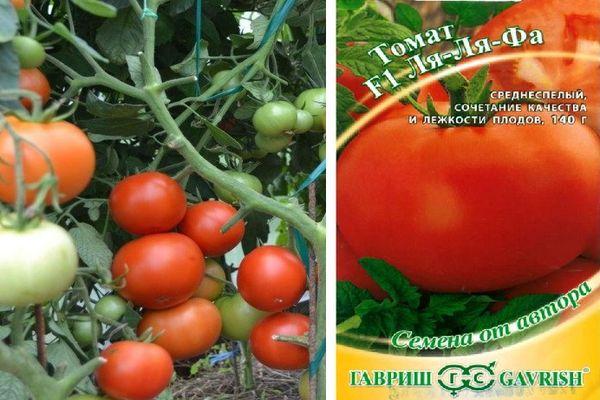
This early-ripening plant begins bearing fruit 100-105 days after germination. The bushes are determinate, medium-sized, and reach a height of 150 cm. The stems have difficulty supporting the weight of ripening tomatoes, so it is recommended to tie the bushes to a trellis or support.
The inflorescences are simple and strong, with 4-6 fruits ripening per cluster, weighing almost one kilogram. The first flower stalk appears at the level of the 7th or 8th leaf, with the remaining stalks forming at intervals of 1-2 leaves.
High yields are achieved by training the plant into 2-3 stems. With proper cultivation practices, up to 3-4 kg of fruit can be harvested per bush, and up to 20 kg per square meter.
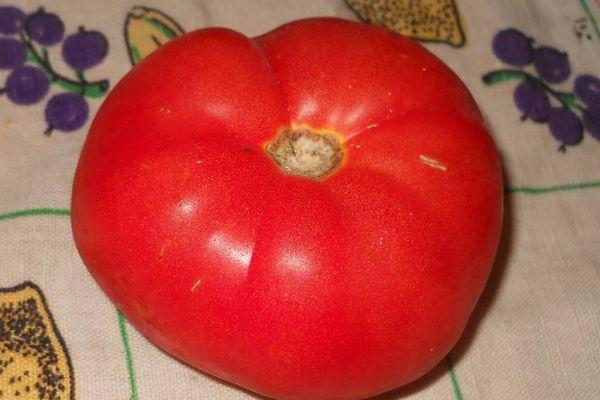
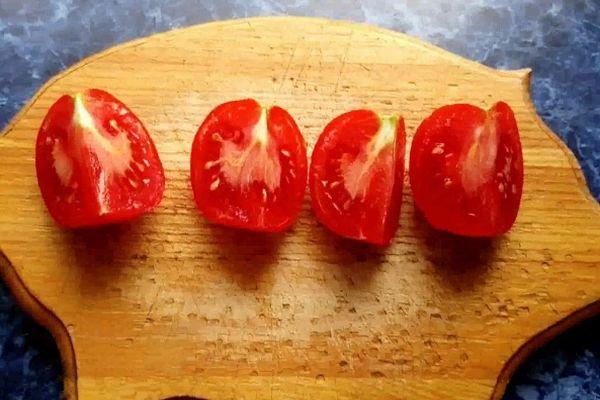
Lyalyafa tomatoes are flat and round, with a smooth, glossy surface. They turn red when ripe. The flesh is firm, without any air pockets. They have a distinct aroma. They do not crack during ripening. Fruits weigh 120-150 g.
The La-la-fa tomato variety is characterized by excellent flavor for a hybrid. In cooking, these tomatoes are used fresh, in salads, pasta, and juice. Their thick skin helps them retain their shape during cooking.
The fruits have high commercial quality and withstand long-distance transportation well. The harvested crop retains its flavor and appearance for a long period.
The description of the hybrid is associated with high resistance to damage by the tobacco mosaic virus, fusarium, cladosporiosis, and blossom-end rot.
Agricultural technology for tomato cultivation
Sow seeds for seedlings in early March, 60-65 days before the expected planting date. To do this, fill the containers with potting mix or substrate, compact it lightly, and make furrows 1 cm deep.
Before planting, do not soak the seeds; instead, generously moisten the soil with warm water using a spray bottle. After planting, cover the container with glass or plastic wrap until the sprouts emerge.
For best seed germination, maintain a temperature of 28°C. After 7 days, seedlings will emerge uniformly, and when two true leaves form on the plant, transplant them into separate containers.

To obtain high-quality seedlings, you must follow the care rules:
- periodically moisten the soil;
- apply complex mineral fertilizers;
- maintain a stable temperature;
- loosen the soil;
- ensure optimal illumination.
The bushes are transferred to a permanent location with 6-7 formed leaves and the first flower cluster. Before planting, the seedlings are hardened off for 7-10 days by taking them outside and constantly increasing the time spent there from 30 minutes to several hours.
When planting in the ground, space 4 plants per square meter. It is recommended to plant tomatoes in rows with 50 cm between plants. Choose sunny sites for tomatoes.
Care for the crop includes timely watering. To ensure even moisture distribution and prevent the surface soil from drying out, mulch with non-woven black fiber.
Using organic materials (hay, straw, leaves) as mulch provides additional nutrition for plants. This practice also limits weed growth.
Feedback from vegetable growers indicates high yields when applying mineral and organic fertilizers at different stages of plant development.
During the growing season, bushes require removal of excess shoots. To prevent the development of various diseases, the bushes are treated with Bordeaux mixture as a preventative measure.
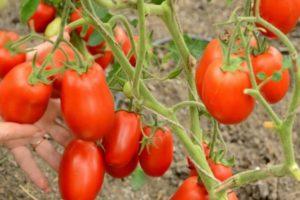
This hybrid, whose name evokes musical notes, will delight you with a bountiful harvest when properly cared for. One of the best tomatoes, it adapts well to growing conditions.
Related posts:
 Description of the best varieties of black tomatoes for open ground and greenhouses
 The best eggplant varieties for growing in a polycarbonate greenhouse: planting and care
 How to propagate and grow peas, cultivation technology, and care in open ground
 Step-by-step technology for growing tomatoes on the balcony, the best varieties with descriptions
 TOP 17 recipes for pickled sweet tomatoes for the winter
 How to properly plant peas in a greenhouse and open ground
 Delicious recipes for canned tomatoes with honey for the winter, preparation steps
 What varieties of tomatoes are best to plant in a polycarbonate greenhouse?