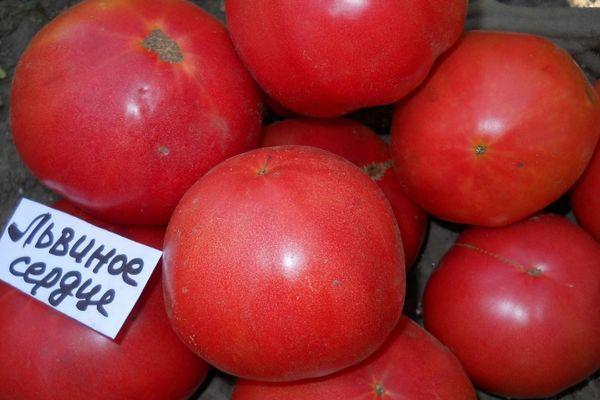
The Lion Heart F1 tomato is one of the most common varieties, boasting excellent flavor, good yield, and resistance to many diseases. This variety can be grown both in greenhouses and outdoors—the choice of location depends on the regional climate. The tomato gets its name from its appearance: the lion has a heart-shaped form, similar to the shape of the fruit itself.
What is Lionheart tomato?
Before choosing a variety to grow, carefully study its description and characteristics. Lionheart is an indeterminate, early-ripening plant. The first harvest can be collected within 100 days after the first shoots emerge.
Cultivation is done using seedlings. Seedlings should be transplanted to a permanent location in open ground 1.5 months after sowing the seeds in individual containers. During this time, it's important to monitor the soil temperature—it should reach 15–16ºC at a depth of 19 cm.
If you want to grow Lionheart tomatoes in a greenhouse, plant the seedlings in early April. If you plan to plant them outdoors, do so in mid- to late May.
The variety is resistant to a number of common diseases, including:
- verticillium wilt;
- fusarium;
- late blight.
Reviews from gardeners indicate that the fruits of this variety are well suited for fresh consumption.
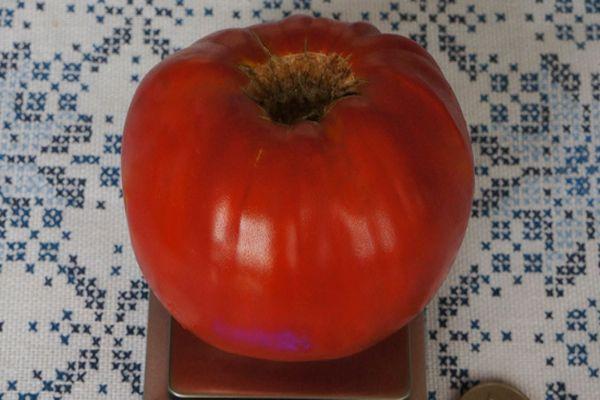
The main characteristics of the fruits include the following:
- large dimensions: 1 fruit can reach a weight of 300 g;
- the bush grows to a maximum height of 140 cm; there are not many leaves;
- It is recommended to form bushes into 2 stems;
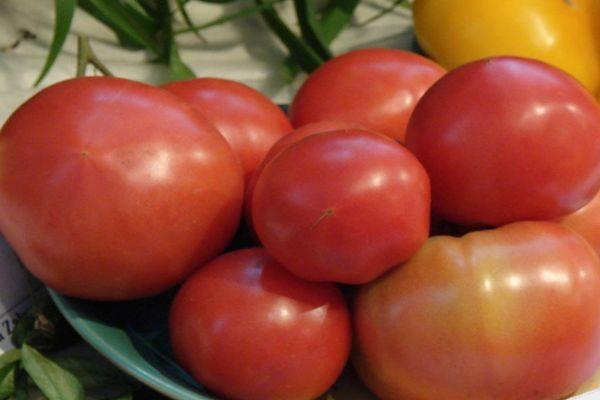
- the shape of the fruit is round, slightly flattened on the sides; the skin is smooth; the color is rich dark red;
- the pulp of the fruit is meaty and has a good taste;
- Bushes from 1 m² can bring a summer resident up to 19 kg of ripe fruits.

How to Grow Tomatoes
Once the tomatoes have been planted in their final location, they need to be cared for. The Lionheart variety requires a fair amount of attention from the grower. However, the result will be a bountiful harvest of delicious tomatoes.
It's important to tie up the bushes in a timely manner. Wind and the heavy weight of the fruit can cause the bushes to bend or break. A two-meter-high support should be placed near the bushes to anchor the shoots. The bushes should be spaced 0.5 meters apart.
Experts recommend covering the top layer of soil with mulch. This will help retain moisture longer. The beds where tomatoes will grow should be fertilized with a special mixture of humus and wood ash.
Farmers also need to ensure timely irrigation, pollination, and pruning of the bushes. And, of course, don't forget to fertilize the plants with mineral fertilizers.
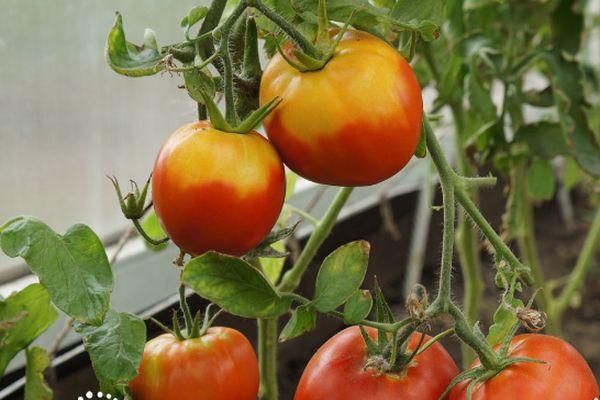
If you decide to plant outdoors, first make sure the last frost has passed. Typically, this occurs in the second week of June. Remember that it's not recommended to plant tomatoes in the same spot for several years. Make sure that there are no trees or bushes near the intended planting site and that the area is well lit.
Related posts:
 Description of the Ox Heart tomato variety, cultivation and care features
 Characteristics and description of the Bull's Heart tomato variety, yield and cultivation
 Description of the Beauty's Heart tomato and cultivation of the variety
 Description of the best varieties of black tomatoes for open ground and greenhouses
 Description and characteristics of the Bull's Heart cherry variety, planting and care
 Description of the Loving Heart Red tomato and its varieties
 Which tomato varieties are best for open ground?
 Description of the Buffalo Heart tomato and its cultivation in open ground