
Cauliflower is ideal for making preserves preparations. It has unusual, dense, crispy heads of cabbage that do not lose their shape during pickling. Preparation pickled cauliflower with beets This dish won't pose any difficulties, even for an inexperienced cook. Everyone in the family will love this bright, juicy, and aromatic preparation; it will brighten up the holiday table and surprise guests with its piquant flavor.
General information
Eating this vegetable means you don't have to worry about your figure. It's easily digestible, contains only 30 kilocalories per 100 grams, and contains a wealth of beneficial nutrients.
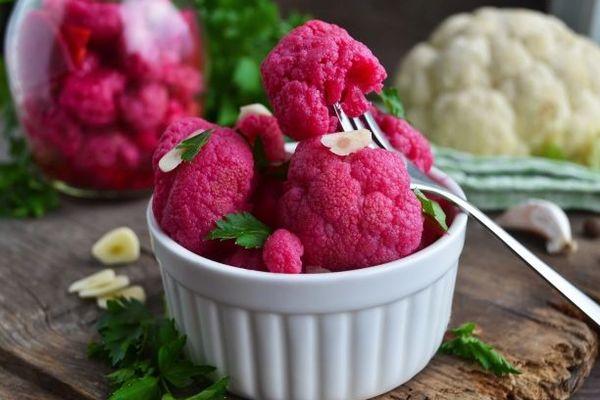
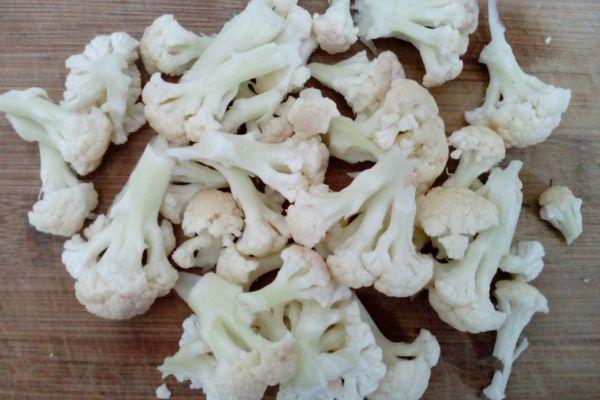
For a more flavorful appetizer, it's best to choose young heads of cabbage with small florets. Before cooking, separate them into individual pieces, and be sure to remove any remaining leaves. Blanching for 2 minutes is sufficient.
Beets add a pleasant color to this preparation. Therefore, it's recommended to choose dark varieties. The most suitable ones are Bordeaux, Detroit, and Cylindra.
The beets are cut into small strips and mixed with prepared cabbage or immediately boiled with the future brine.
Selecting and preparing beets and cauliflower
Choose healthy, clean, and not overripe heads. This is indicated by a uniform white or yellowish hue with no spots. It's quite rare to find a variety of cabbage with bright green florets.
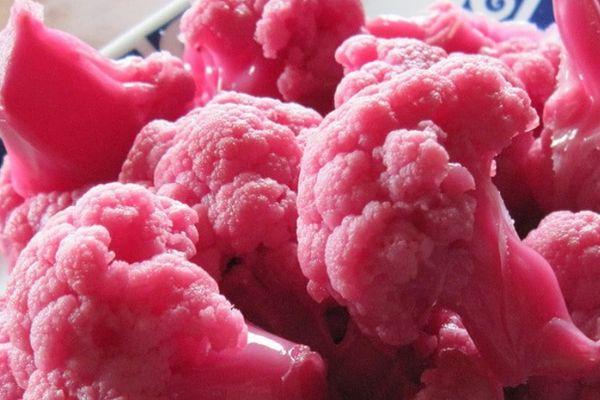
Another important sign of a vegetable suitable for pickling is firm, tightly packed florets. It's also important to pay attention to the weight of the head; it should be appropriate for the size of the cabbage head.
After all, light weight clearly indicates the use of chemicals during the growing process to accelerate the ripening of the vegetable. Therefore, you shouldn't expect it to be healthy or juicy.
The leaves between the inflorescences are a good indicator of the excellent juiciness of the cabbage, because the leaves protect it from drying out.
Before preparing the appetizer, the forks are rinsed under running water. Then the florets are sorted, separated, and the roots are trimmed. Some housewives prepare corollas with several large florets, which are separated only before eating.
Methods for preparing pickled cauliflower with beets
There are so many different recipes for making amazing appetizers that choosing just one can be difficult.
Classic recipe
Ingredients:
- cabbage - 1 kg;
- beetroot - 1 pc.;
- garlic - 3 heads;
- salt - 150 g;
- sugar - 80 g;
- vinegar - 400 ml;
- citric acid - 20 g;
- oil - 200 ml;
- parsley - 1 bunch;
- black pepper.
Pour water into a saucepan, add citric acid, and add the florets. Once the water and cauliflower begin to boil, continue simmering over low heat for 3 minutes. This step is necessary because the vegetables darken during cooking.
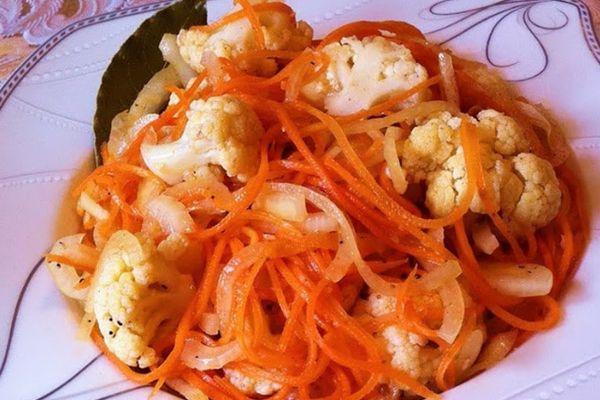
The beets are washed, peeled, and cut into small slices.
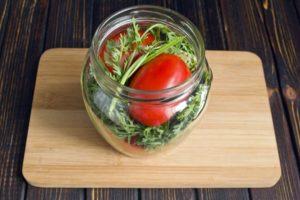
Place the garlic, parsley, beets, and boiled florets into the prepared container. Gently compact the contents. Once the container is filled, pour in the brine and cover for half an hour.
Next, add sugar, pepper, and salt to the jars. After another half hour, drain all the liquid, bring to a boil, and then pour back into the jars. Add oil and vinegar to the contents. Seal the jars tightly.
With carrots
Necessary components:
- cabbage - 1 kg;
- carrots - 2 pcs.;
- beetroot - 1 pc.;
- basil - 60 g;
- salt - 100 g;
- sugar - 80 g;
- garlic - 3 pcs.;
- vinegar - 200 ml;
- dill, pepper.
For this preserve, only sweet varieties of vegetables are used. The prepared florets are poured into a container of water. Grated carrots, pepper, salt, and sugar are added.
Bring the brine to a boil and continue cooking for another 10 minutes. Garlic and herbs are placed in the jars.
Add the beets to the brine. After 10 minutes, pour the contents from the pan into jars. Let the pickled mixture steep for a few minutes, then add vinegar and salt. Then, screw the lids tightly on the jars and shake well. Let the pickled mixture cool for about 24 hours, then transfer it to storage.
In Georgian
Making this appetizer yourself isn't difficult. To get started, you'll need the following ingredients:
- cauliflower - 1 kg;
- beetroot - 350 g;
- garlic - 1 clove per jar;
- pepper - 10 mountains;
- salt - 1.5 tbsp;
- sugar - 1 tbsp;
- vinegar - 4 tbsp;
- oil - 3 tbsp;
- parsley - half a bunch;
- hot water - 1.5 l;
- citric acid - 0.5 tsp.
Pour hot water into the pan, add lemon juice and cabbage, and place on a burner at low heat to simmer for about 3 minutes after boiling. Vegetables must be blanched, otherwise the visual appeal of the future snack will be lost.
Take a look Also
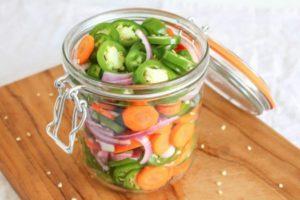
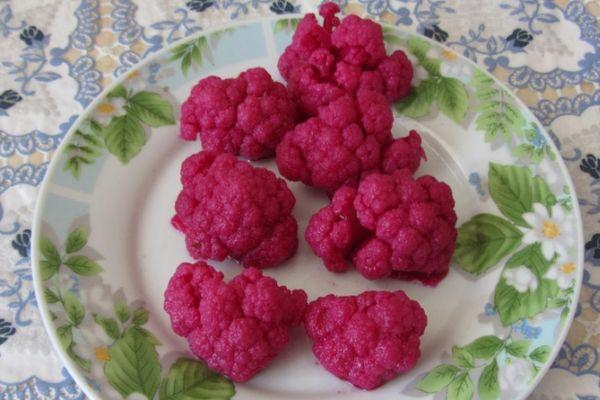
The beets are peeled, washed, and cut into half-circles. They are then placed in jars along with parsley and chopped garlic. Once the cabbage has been blanched, the still-warm florets are placed in the jars and compacted. More beets are added on top, filling the jars to the brim.
Boil 1.5 liters of water in a saucepan and pour it into the container with the preserves. Cover and let sit for no more than 20 minutes. If you overdo it, the preserves will ferment.
Next, pour the spices and sugar into the pan. Drain the hot water from the jars. Place the liquid on the stove and bring to a boil. Then remove from the heat and add vinegar and oil.
The finished brine is poured back into the containers with the ingredients, which are hermetically sealed with lids.
With garlic
Ingredients:
- cabbage - 4 kg;
- beets - 1 kg;
- garlic - 1 pc.;
- salt, sugar, vinegar - 8 tbsp each;
- bay leaf - 8 pcs.;
- chili pepper and peas - to taste;
- dill - 1 umbrella per jar;
- water - 5 l.
The cabbage is separated, the beets are peeled and cut.
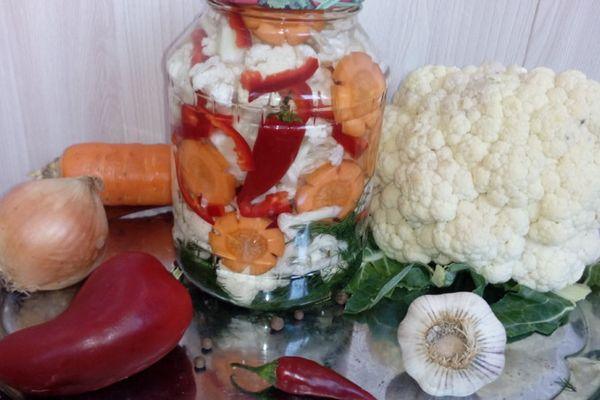
Layer beets and cabbage in 3-liter jars, adding bay leaves, dill, pepper, and garlic. Then layer the vegetables and seasonings again.
Boil 5 liters of water, add salt, sugar, and vinegar. Pour the liquid into the jars containing the snack. Next, place the jars in a container of heated water to sterilize for 20 minutes. Screw the lids tightly onto the jars.
In Korean
Ingredients:
- cauliflower - 1 kg;
- carrots - 1 pc.;
- garlic - 3 cloves;
- sugar - 130 g;
- salt - 1 tbsp;
- coriander - 1 tsp;
- water - 0.7 l;
- sunflower oil - 40 ml;
- vinegar - 50 ml;
- pepper - 1 tsp.
The cabbage is separated and blanched for 5 minutes. The carrots are grated, and the vegetables are mixed.
Pour water into a saucepan, add oil, salt, and vinegar, and boil for 3 minutes. Then add all the spices, vegetables, and garlic. Cool the mixture and store in a cool place. For best marinating, it is recommended to marinate the cabbage for at least 6 hours.
Without sterilization
You need to purchase the following ingredients:
- cauliflower - 2 kg;
- laurel - 3 leaves;
- bell pepper - 2 pcs.;
- chili - 1 pc.;
- carrots - 200 g;
- salt and sugar - 4 tbsp each;
- vinegar - 50 ml;
- water.
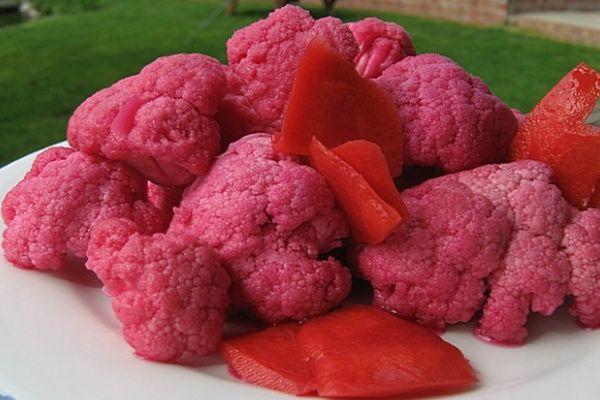
Blanch the florets, drain in a colander, and let cool. Peel, wash, and chop the bell pepper, carrot, and chili.
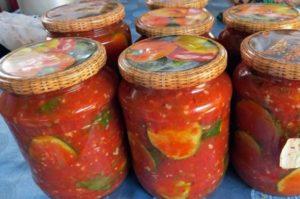
Pour 1 liter of water into a saucepan, bring to a boil, and add sugar and salt. Cook the solution for 5 minutes, then add vinegar.
Take the washed jars, add bay leaves, two types of pepper, carrots, and florets, and pour in the hot brine. Seal the jars, turn them upside down, and let them cool.
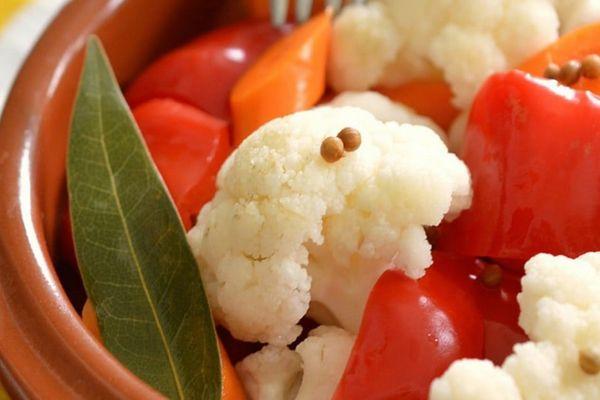
With bell pepper
Ingredients:
- Cabbage - 1 kg;
- red bell pepper - 1 pc.;
- celery - 1 stalk;
- carrot - 1 pc.;
- garlic - 4 cloves;
- vinegar - 100 ml;
- salt - 2.5 tbsp;
- sugar - 3 tbsp;
- peppercorns - 5-6 pcs.;
- cloves - 2 pcs.;
- olive oil - 50 ml;
- water - 1 l;
- bay leaf.
First, make the brine. Pour water into a saucepan and place it on the stove. As soon as it starts to boil, add the spices, olive oil, and vinegar. Then add the cauliflower florets, boil for two minutes, and then turn off the heat.
Add the chopped vegetables to the marinade, cover with a lid, and let cool. Refrigerate the mixture for 24 hours. A delicious and flavorful appetizer is ready.
Storage Features
The location for storing the jars of cabbage should be chosen so that the air temperature does not drop below freezing. Glazed loggias are considered an excellent location for this.
If the cabbage is constantly exposed to freezing and thawing, it loses its nutrients and vitamins. Therefore, it's not recommended to transport jars of snacks from cold to warm places and back. It's best to only take as much cabbage as you plan to eat at one time.
Most housewives store their jars in the refrigerator. The temperature there is ideal for preserving pickles. The only drawback is that you won't be able to fit all the jars if you've prepared a large amount of product.
Related posts:
 TOP 40 New Year's 2020 Meat Recipes Using Pork, Beef, Chicken, and Lamb
 TOP 40 Hot Dish Recipes for New Year 2020: What to Cook
 Top 40 DIY New Year's Baking Recipes for 2020
 Quick Korean-style pickled cabbage recipes for the winter with beets and ginger
 Quick recipes for pickled cabbage and beets for the winter, with and without vinegar
 24 Best Recipes for Preserving Beets for the Winter
 27 of the most delicious eggplant appetizer recipes for the winter
 The best eggplant lecho recipes for the winter, with and without sterilization.