
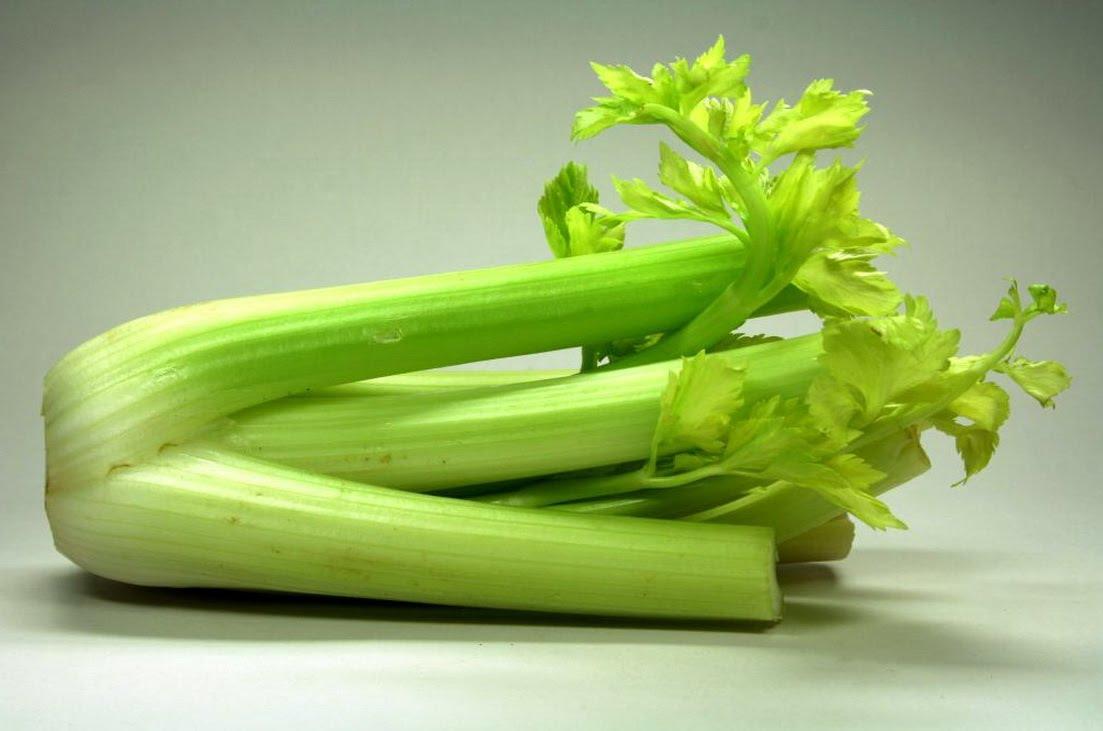
This herbaceous plant of the Apiaceae family, thanks to its wide range of beneficial substances and distinctive spicy flavor, occupies a leading position in cosmetology, pharmaceuticals, and cooking. Therefore, preserving celery for the winter allows lovers of this piquant and vitamin-rich herb to enjoy it year-round, both as a versatile addition to various vegetable dishes and as a seasoning for a variety of meat dishes.
Benefits of celery
Just 9 centuries ago, this fragrant herb, whose relatives include carrots, cilantro, and parsley, was used only for the preparation of medicinal decoctions and preparations, but now the product is widely used in the culinary field.
In addition, any part of celery is literally saturated with useful substances in the form of:
- all kinds of amino acids;
- essential oils;
- a whole range of vitamins.
The herb's mineral content includes phosphorus, magnesium, calcium, sodium, and iron. 100 grams of green celery stalks contain only 13 calories, while the root contains 42.
With regular use of celery:
- the pressure is decreasing;
- the immune system is strengthened;
- the removal of waste and toxins occurs;
- the state of the nervous system is normalized;
- metabolic processes are improved.
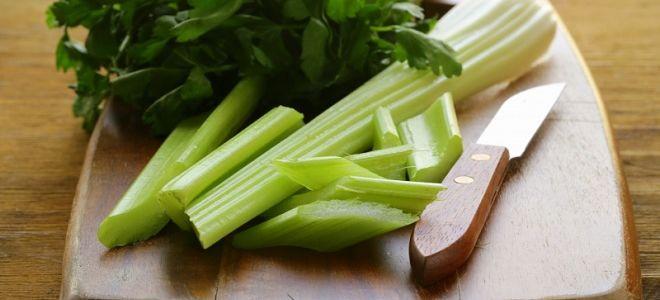
In addition, the herbal culture prevents excess gas formation in the intestinal tract, promotes the production of gastric juice and normalizes the body's water-salt balance.
Regular consumption of this vegetable by men leads to a clear increase in potency.
Also, acting as a strong antioxidant, celery prevents cell aging in older people.
And other essential oils present in the culture:
- have a positive effect on the skin;
- help improve appetite;
- participate in the restoration of vision.
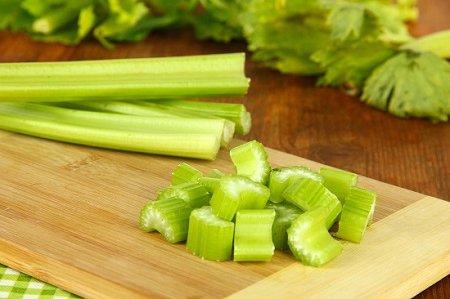
Medicinal products containing celery relieve pain, promote wound healing, alleviate hives, and combat insomnia. This savory vegetable also plays an active role in weight loss and enhancing libido in women.
Differences between stalked and leaf celery
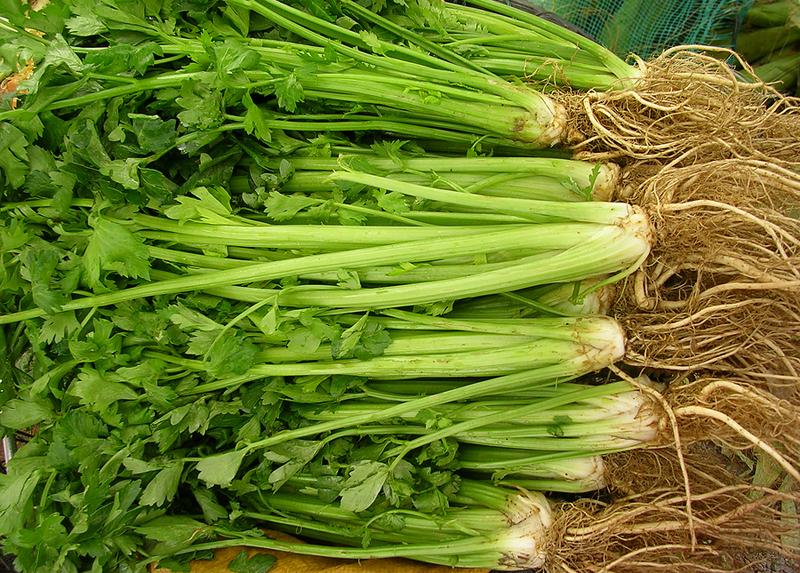
This umbelliferous plant, captivating numerous culinary experts with its spicy aroma and unforgettable flavor, is served both raw, for example, in salads, and as a variety of accompaniments to various dishes. Moreover, all available parts of the plant are used in various culinary recipes. Celery is divided into root, petiole, and leaf varieties. The root variety is represented by the fleshy root, widely used in cooking.
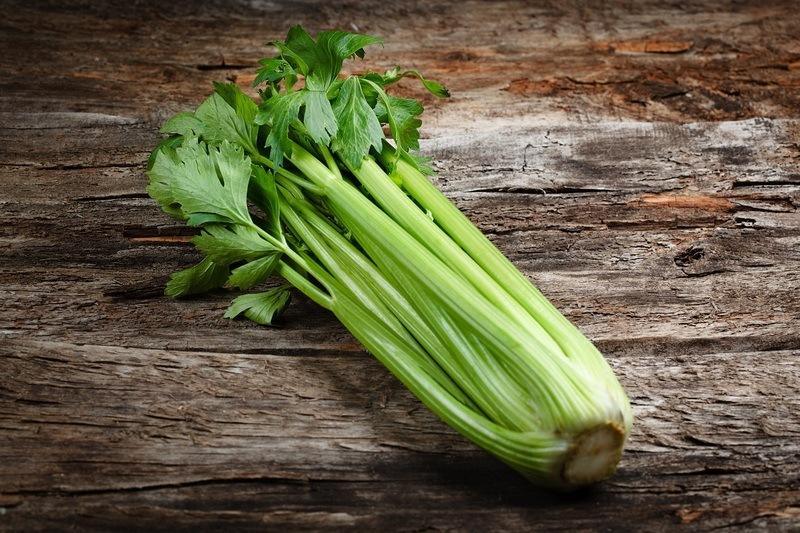
The petiolate variety, a biennial plant, produces a rosette of green leaves and a root from which the petioles emerge. During the first year of celery's life, the green parts are harvested, and the seeds are used the following season.
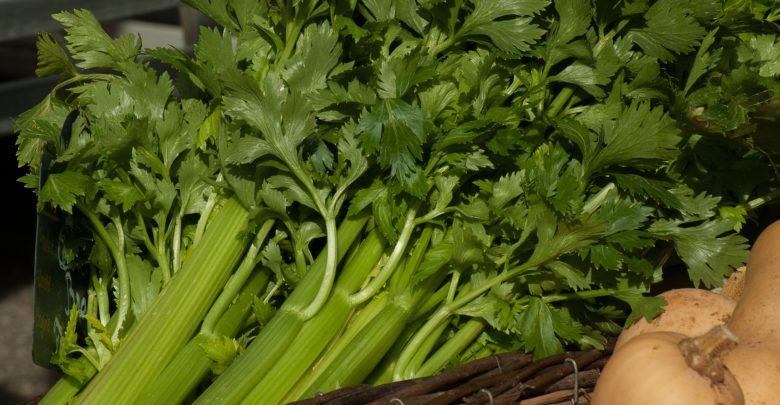
The plant's dense stem is covered with developing, soft-green leaves. The petioles themselves emerge from the root of the vegetable. Small, whitish inflorescences, appearing by the end of August, begin to form into umbels. As they mature, capsules appear on the plant, containing the seeds.
Important! To prevent the petioles of this plant from developing a bitter taste, celery plants should be hilled up periodically.
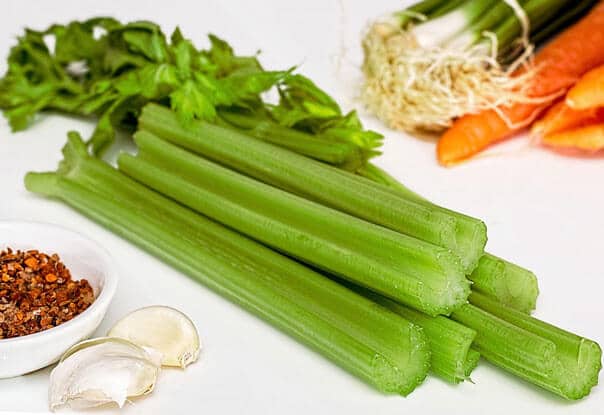
The stem of the plant is literally saturated with vitamins and essential oils. That's why using this variety in preserves—pickled, frozen, and dried—as well as in salads, mixed with carrots and dill, for example, or as an addition to soups and main courses, helps replenish the body's deficiencies in nutrients and vitamins during the winter.
This leafy variety of celery is planted in gardens and backyards to provide greenery throughout the summer. Although this variety lacks roots and petioles, its greenery delights gardeners even in the fall. The leaves of this type of celery contain significantly more nutrients than those of its relatives. This leafy herb is used as a seasoning for salads and baked goods.
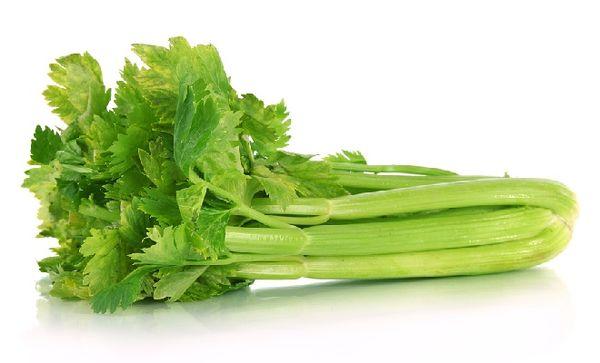
Prepare the main ingredients
Stalk celery is harvested beginning in the fall. During this period, the stalks contain the greatest amount of juice, rich in nutrients and microelements. The root variety, which is frost-resistant, is carefully removed from the ground with a pitchfork and stored in a cellar.
Take a look Also
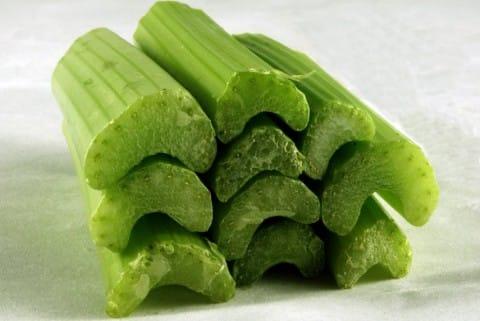
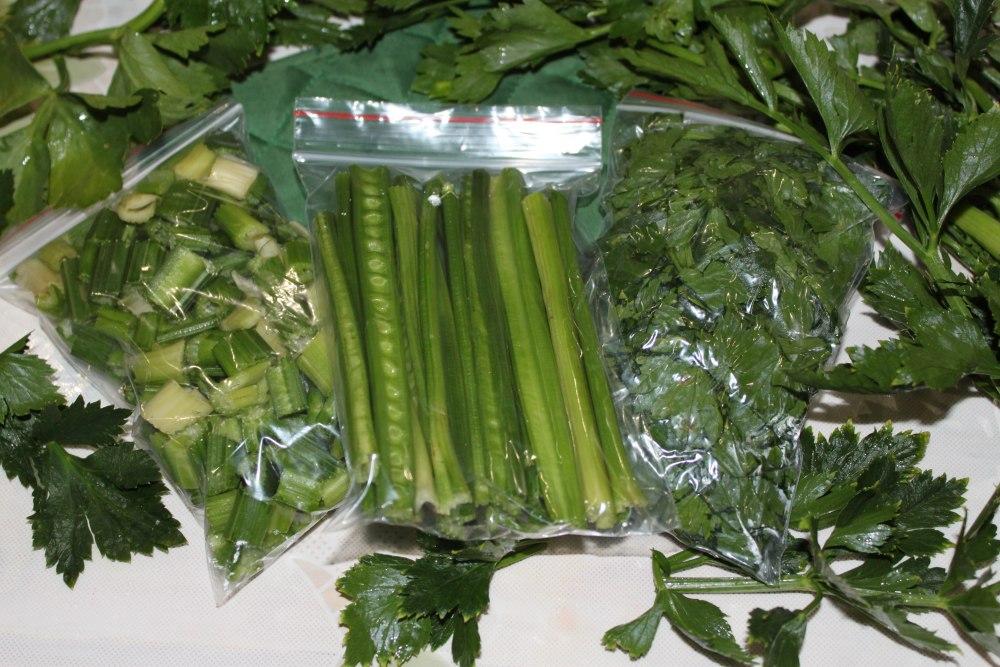
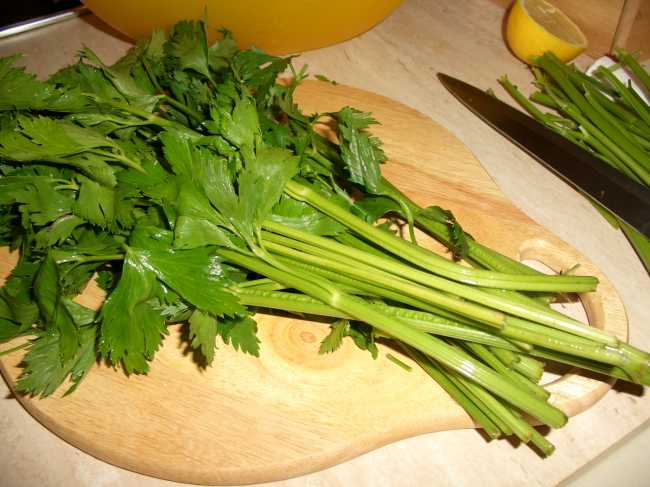
For the stem variety of the herb, the ripe and cut petioles are washed, damaged parts are removed, and dried. The petiole ingredient, packaged in a bag, keeps well in the refrigerator. Petioles prepared in this way are used throughout the winter in preparing a variety of dishes.
After harvesting, the leafy greens are laid out in bunches in shaded areas. Parchment paper is placed over the leaves to ensure proper drying, which takes about a month. The celery is then chopped and stored in a glass container.
Recipes for celery preserves
It's rare to find celery in supermarkets in winter—a fragrant and piquant herb with a unique composition. But experienced homemakers have learned to preserve celery leaves, stalks, and roots for the winter at home, preserving the essential oils, amino acids, and vitamins so essential to the human body.
This simple recipe will not only preserve the vitamins found in vegetables, but also allow you to quickly and easily prepare the seasoning.
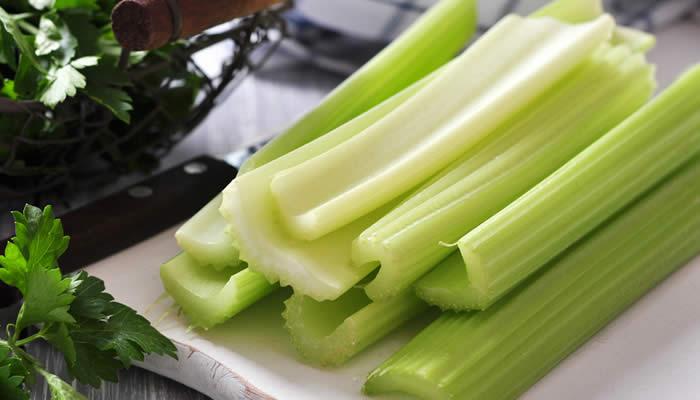
Ingredients:
- dill - a bunch;
- celery - bunch;
- parsley - a bunch;
- salt.
Preparation: Sort through the washed greens, removing any dry or damaged stems. Then finely chop each bunch with a knife, mix together, and grind with salt. Arrange the prepared mixture in glass jars with lids.
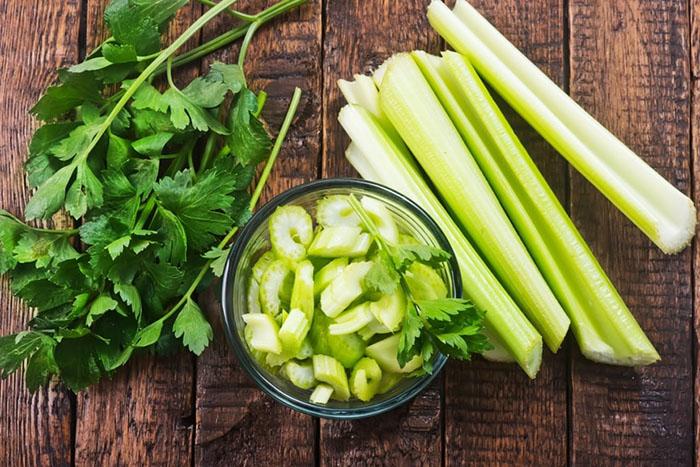
Those who love to eat well, and not just enjoy their food but also get their fill of vitamins for the winter, prepare a wide variety of vegetables, for example, to make a dressing for borscht or other soups.
Ingredients:
- carrots – 1 kilogram;
- tomatoes – 1 kilogram;
- onion (turnip) – 1 kilogram;
- celery - bunch;
- dill, parsley - a bunch;
- pepper – 350 grams.
Preparation: Wash and dry the herbs and tomatoes and chop them finely. Chop the remaining vegetables.
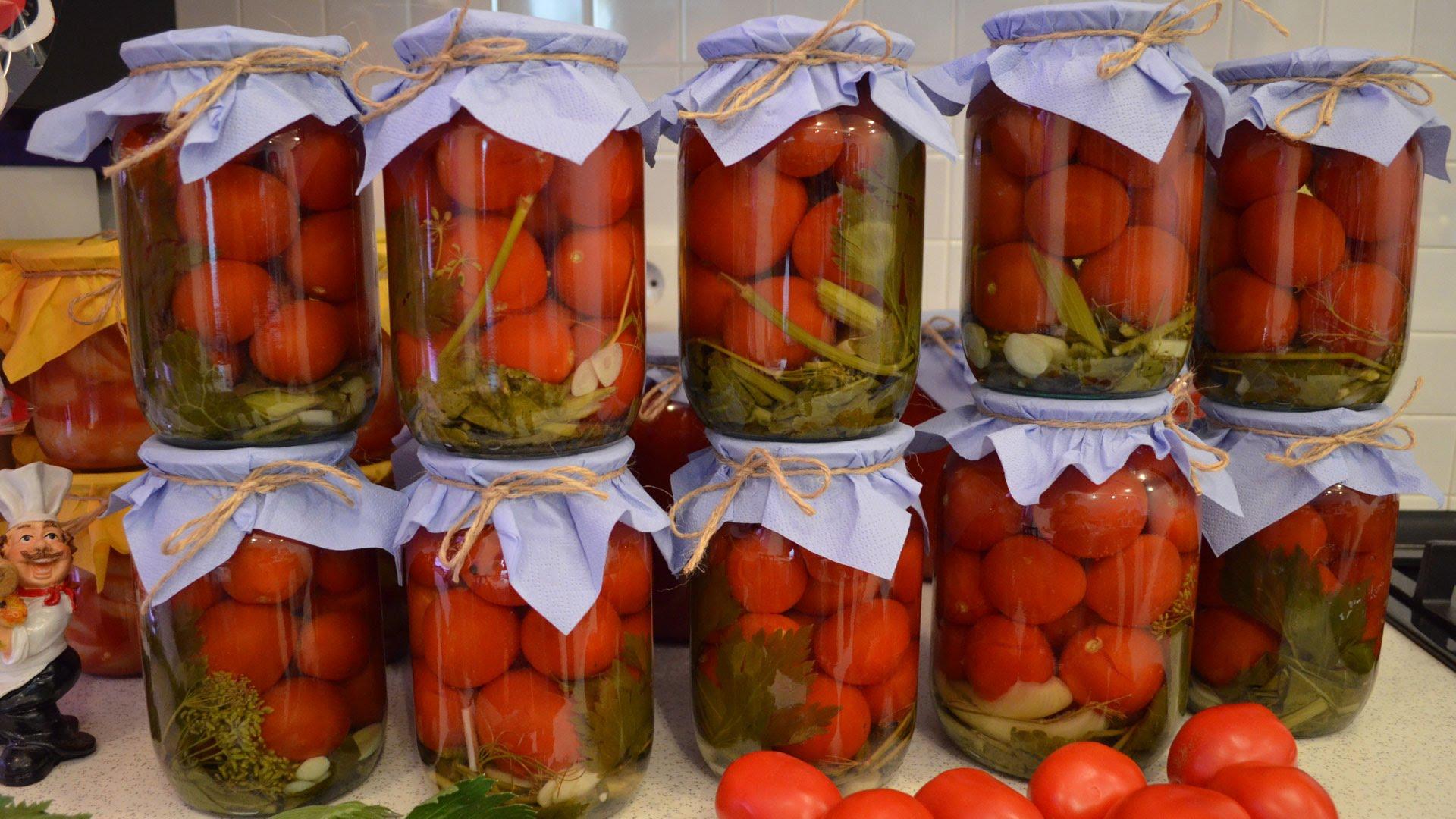
Important! The prepared mixture must be thoroughly mixed with salt. Divide the vegetable mixture into jars and refrigerate.
How to keep it fresh
Harvested vegetable parts will retain their nutritional value if stored in plastic bags in the refrigerator. For longer storage, store fresh herbs in sandy soil, packaged in plastic bags, somewhere in a cellar. The vegetable can be stored in a basement with significant humidity and a temperature of one degree Celsius. The tubers will also last until spring if laid out in rows in the cellar.
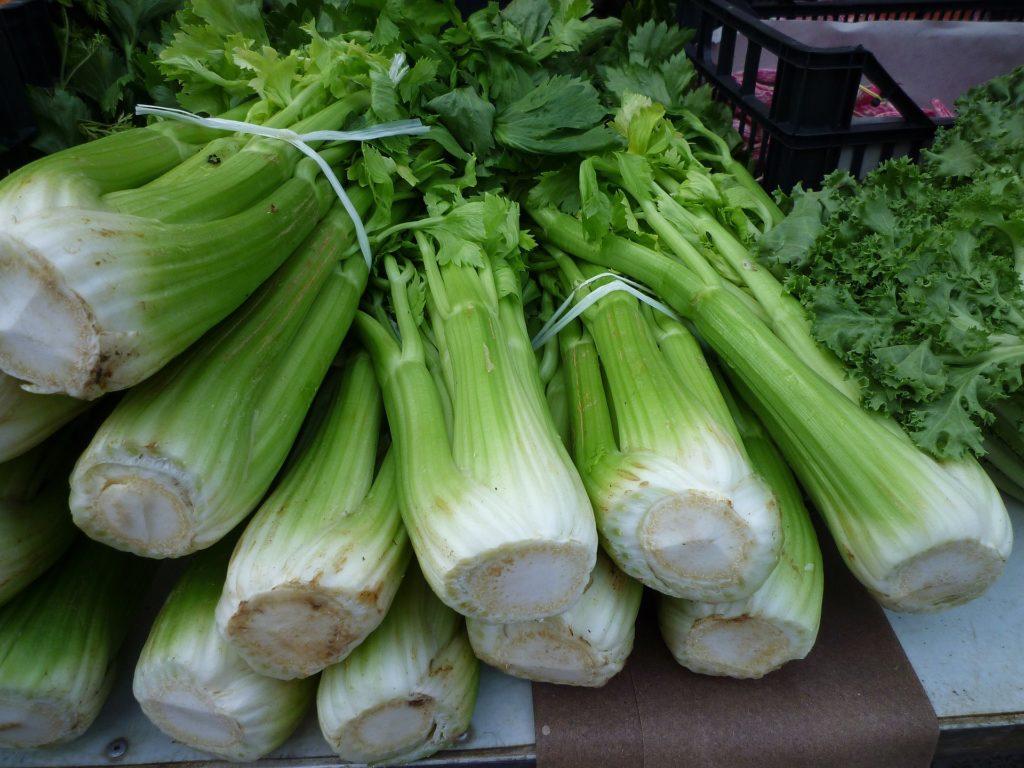
There are other storage methods for petiole and other types of celery:
- the green parts of the plants are salted, set aside for several days to infuse, packaged in glass containers and rolled up;
- The whole plant or its parts are frozen using special ice cube trays. In this form, celery preserves not only its spicy aroma but also its vitamins and amino acids;
- The leaves of the crop are packed into plastic molds and frozen in a refrigerator.
Important! Herbs wrapped in foil retain their original appearance for about 10 days. Celery wrapped in film begins to wilt after just three days.
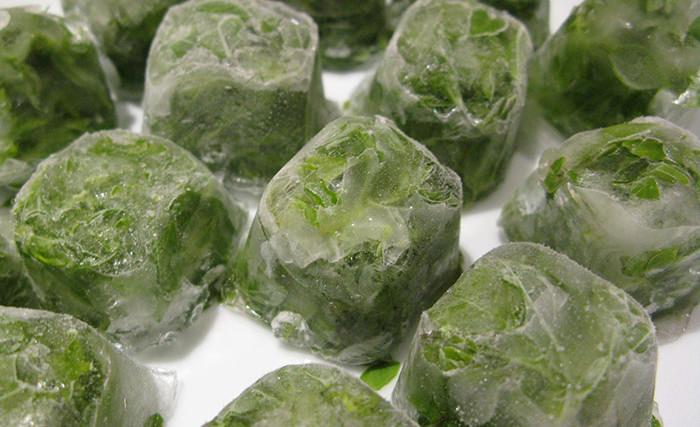
For example, a crop removed from the ground along with its root system and buried in sand somewhere in a basement will survive until spring.
Drying
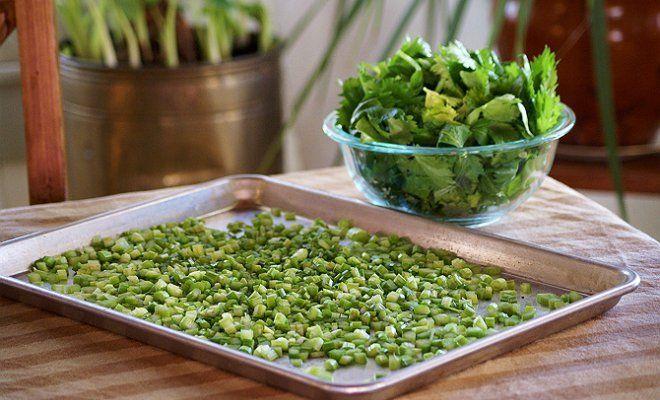
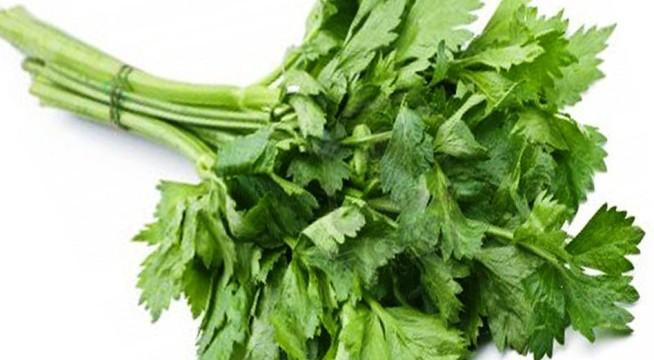
The leaves of this plant retain most of their essential oils, amino acids, and various microelements when prepared using the methods described below. The leaves are separated from the stems, tied into bunches, dried, and then hung against a wall in a well-ventilated area out of direct sunlight.
When placing celery leaves on any surface, cover them with paper. Naturally, drying time increases, but the beneficial properties of the fragrant herb are not lost. The dried leaves are then spread into containers.
Freezing
Because this aromatic plant is literally laced with unique ingredients, its use in winter is so popular. Freezing is one of the easiest ways to preserve the plant. Celery, or rather its leaves, are carefully arranged in molds, and then the plant parts are immersed in water. Petioles, packaged in containers and covered with liquid, can also be frozen.
Although true gourmets and experts in their field know that this method of freezing celery can lead to a partial loss of its properties.
Dry salting method
To make the vegetable look as if it was just picked from the garden, a special preparation method is used. Thoroughly washed and dried celery leaves are mixed with non-iodized salt and placed in a glass container. The green mass is lightly compacted, and after the juice has formed, it is sealed with lids and stored in a basement.
The dry salting method gives the product a special salty taste that goes well with any seasoning for salads, soups, and main courses.
Pickled root and petioles
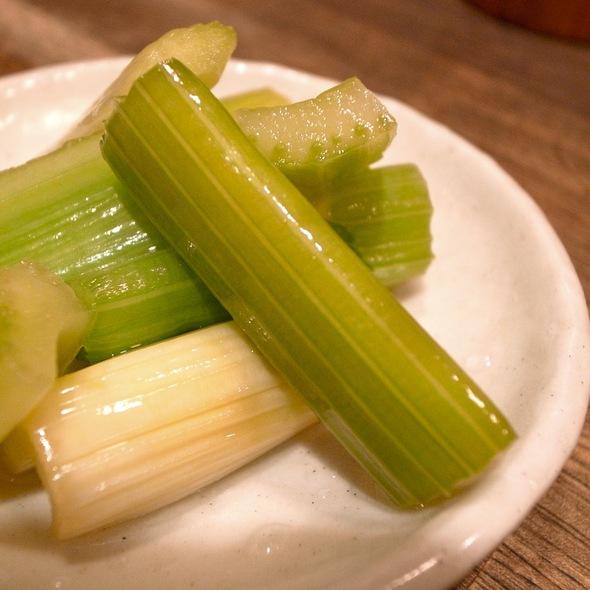
As mentioned above, the leaves and stems of the plant are not only dried but also frozen. This delicious pickled root pairs well with meat, fish, and potato dishes, preserving all the beneficial properties of the vegetable.
Ingredients:
- vegetable root - 1 kilogram;
- cumin and salt – 25 grams;
- granulated sugar – a tablespoon;
- butter – 100 grams;
- vinegar – 0.5 cups;
- soybeans – 0.5 cups;
- pepper (red) – to taste.
Preparation method: Peel the root portion of the vegetable, chop it, and then grate it. The resulting mixture is lightly squeezed to extract the juice.
Add all the spices, salt, and granulated sugar to the heated oil. Add vinegar and soy to the resulting homogeneous mixture. The slightly cooled mixture is added to the chopped celery root. The mixture is set aside for about 10-12 hours to infuse, then placed into jars and sealed with lids.
Also, a spicy preparation is prepared from the leafy part of the described plant.
Ingredients:
- garlic – 1 head;
- celery leaves;
- laurel.
For filling:
- sugar – 1 kilogram;
- salt – 1.5 tablespoons;
- water - a liter;
- vinegar – 200 milliliters.
Preparation method: Place garlic, bay leaves, and fragrant herb leaves in the bottom of glass jars. Bring the marinade to a boil and pour it into the jars containing the preserves. Sterilize the mixture in the jars for half an hour and seal with lids.
Marinated celery stalks are indispensable when served with meat dishes, various salad appetizers, and side dishes. Another recipe for a rather tasty and aromatic preparation, perfect for winter.
Ingredients:
- petioles and leaves of the vegetable – 0.5 kilograms;
- garlic - a head;
- hot pepper - pod;
- turnip (onion) – 2 roots;
- seasonings - an acquired taste;
- water – 0.5 liters;
- granulated sugar – 60 grams
- salt – 30 grams;
- vinegar – 100 milliliters.
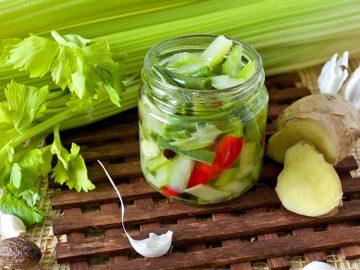
Preparation: Chop the stems of the plant into pieces. Peel the garlic and remove the cloves. Cut the seeded hot pepper into thin slices. Chop the onion into large rings.Place the plant leaves, garlic, and seasonings in the bottom of a glass container. Place the onion stalks, onion rings, and pepper on top. Fill the container with boiling water and set aside for 30 minutes.
The liquid is then poured into a container, salt and sugar are added, and the mixture is boiled for 2 minutes. Then vinegar is added. The vegetable mixture in the jars is filled with the filling, cooled, and sealed with lids.
Marinated with cucumbers and carrots
When added to vegetables and berries, this aromatic herb imparts a unique flavor and a distinctive piquancy. Moreover, this salad preparation, with a hint of oriental flair, can be made at home without much expense or effort.
Ingredients:
- vegetable stems – 1 kilogram;
- carrots – 800 grams;
- cucumbers – 0.5 kilograms;
- dill – 2 sprigs;
- water – 1.5 cups;
- vinegar – 0.5 cups;
- cloves – to taste;
- parsley;
- extra salt, non-iodized – a spoon;
- sugar - a teaspoon.
Preparation: Wash, peel, and chop the stems into several-centimeter-long pieces. Cut the cucumbers into thin rounds. Cut the carrots into strips. Place all ingredients in glass containers.

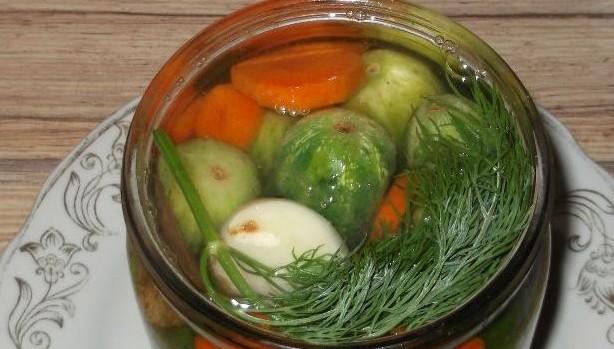
Add seasonings, granulated sugar, salt, and vinegar to a saucepan with water. After 20 minutes, pour the boiling mixture into the jars containing the vegetable mixture. Cover the jars with a paper towel and set aside for 24 hours to infuse.
Canned celery in tomato sauce
The petioles of this fragrant herb are very tasty when prepared for winter in tomato juice.
Ingredients:
- tomatoes – 1000 grams;
- stem part of the plant – 500 grams;
- greens – dill, parsley, leaves of the main plant;
- pepper;
- vinegar – 0.5 spoon;
- sugar - an acquired taste;
- extra salt, non-iodized – to taste.
Method of preparation: Ripe tomatoes are processed in a meat grinder. The tomato mixture is boiled for an hour. Add oil, finely chopped hot pepper, sugar, and salt to the resulting mixture. After 15 minutes, add the chopped stems, boil for another half hour, and then season with vinegar. The herbs, mixed with salt and mixed with the tomato mixture, are placed in jars and sealed.
How and where to store correctly
The roots and stems of this aromatic herb are rich in beneficial components, essential to the human body due to their deficiency during the winter. Each part of the plant retains its rare properties during storage:
- in the refrigerator;
- in the freezer;
- in dried form.
Herbs mixed with salt preserve the full range of vitamins and microelements. To prevent the herbs from wilting, at normal room temperatures, it's recommended to eat the green leaves or use them in cooking within a few days.
Vegetable roots, wrapped in film, will not rot for 30 days when stored in a room with a temperature of approximately 3 degrees Celsius. This part of the plant can be stored for up to six months if:
- its root part will be located in the basement or cellar;
- the plant will be packed in cellophane;
- Some of the aromatic herbs will be placed in boxes with sand.
To ensure the long-term preservation of the plant's root portion, some sorting is performed. Fruits are selected that are smooth, even, and free of any visible defects or cracks. A hollow sound, heard when tapped, indicates a hollow root. Such a root will not keep well.
For winter storage, the foliage portion of the plant, with vibrant green leaves and no wilted stems, is best. The stem and leaf varieties are washed, dried, and placed in foil in the refrigerator.
Celery root is finely chopped using a grater or blender, placed in bags, and stored in the freezer. The roots will not rot or dry out if stored in boxes filled with sand on a loggia or balcony. Celery, whether salted, pickled, or preserved in jars, will not spoil in basements, special pits, or in the refrigerator.
Proper drying of the plant's leaves and stems ensures the preservation of their beneficial components throughout the season. The vegetable retains its flavor, nutritional qualities, and aroma when frozen into pieces using special ice cube trays.
Despite the many health benefits this aromatic herb offers, celery isn't recommended for everyone. The vegetable is not recommended for consumption in the following situations:
- in case of kidney stone disease;
- with thrombophlebitis;
- in epilepsy;
- during pregnancy and lactation.
Basically, the fragrant herb is beneficial, helping to normalize weight, strengthen the nervous and immune systems, and restore lost appetite with its aroma and piquancy.
Related posts:
 Top 7 recipes for pickled tomatoes with celery and garlic for the winter
 The best eggplant varieties for growing in a polycarbonate greenhouse: planting and care
 TOP 40 New Year's 2020 Meat Recipes Using Pork, Beef, Chicken, and Lamb
 How to quickly prepare pickled eggplant in jars for the winter, the most delicious recipes and storage conditions for the preparations
 Causes and treatment of eggplant pests and diseases, how to combat them at home
 How to control carrot flies with medications and folk remedies
 Growing and caring for hazelnuts in open ground, rules for planting hazelnuts
 Top 40 DIY New Year's Baking Recipes for 2020