
- What are the benefits of dried apples?
- Which varieties can be dried and which cannot?
- Preparing apples for drying
- Fruit drying options
- Outdoors
- In the oven, on the stove, in the stove
- In an electric dryer
- In the microwave
- In a multicooker
- How can you tell if apples are dry or not?
- Where is the best place to store the finished product?
- In the basement
- At home
- Selecting containers
- Important rules and conditions for storing apples
- Shelf life of dried apples
- What to do if pests appear
- What to do if mold appears
- Using drying in winter
- Conclusion
Many gardeners grow apples in their gardens. It's no secret that keeping the fruit fresh until winter is challenging, so some opt to dry them. However, before doing so, it's important to understand how to dry apples at home to preserve their pleasant aroma and flavor.
What are the benefits of dried apples?
Dried fruits are considered quite healthy foods that can help treat many ailments. Therefore, some people choose to dry apples to help treat serious ailments. These dried fruits can help relieve the following conditions:
- oncological;
- cardiovascular;
- chronic;
- genitourinary.
Experts also recommend eating dried apple slices to cleanse the blood of cholesterol and promote bone growth. Some doctors recommend eating more dried fruit for people with osteoporosis.
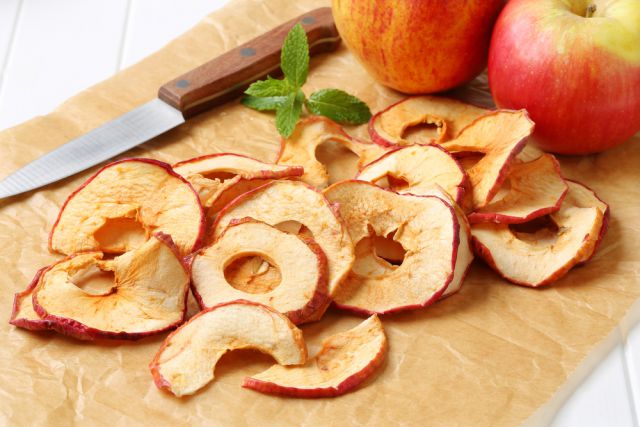
Which varieties can be dried and which cannot?
Not all apple varieties are suitable for further drying. Therefore, it's important to determine in advance which apple varieties can be dried for the winter. These include:
- White Naliv. This is a medium-sized apple tree, growing to five meters tall. The fruits are quite juicy and dry easily.
- Boletus. Those who want to dry summer apples can plant this variety. It's a high-yielding fruit that dries fairly quickly.
- Slavyanka. A Michurin variety with high yields, popular with gardeners. The apples have fine-grained, juicy flesh that keeps well and dries well.
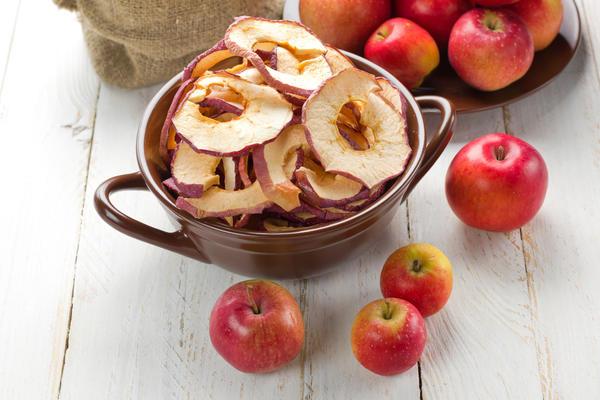
Preparing apples for drying
Before you start drying apples, you need to prepare them first.
The preparatory process is carried out in several stages:
- Selection. Before cutting the fruit, it is necessary to select fruits that have no damage on the surface.
- Washing. Selected apples are thoroughly washed in water to remove any impurities.
- Peeling. After washing, peel the fruit and remove the core and seeds.
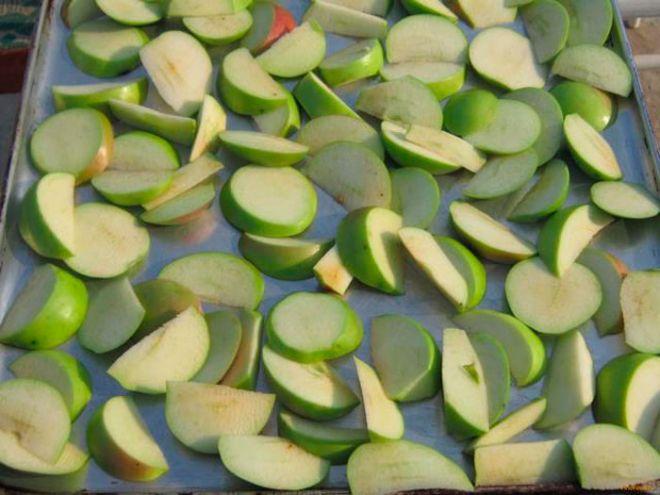
- Slicing. Peel and wash the apples and cut them into small wedges. Use a sharp kitchen knife to cut.
Take a look Also

Fruit drying options
There are five common methods for drying harvested apples.
Outdoors
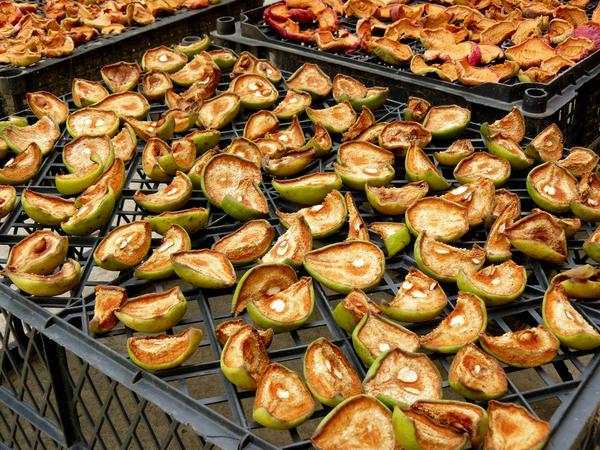
People living in summer cottages can dry fruit outside in the summer. This is the most common method for making dried fruit. Before drying, sliced apple rings are hung on a strong string and then exposed to the sun. They should hang in this position for at least a week. If the fruit isn't completely dry within this time, wait another 2-3 days.
Apples dried outside are transferred to a dark, cool room where they can be stored until winter.
In the oven, on the stove, in the stove
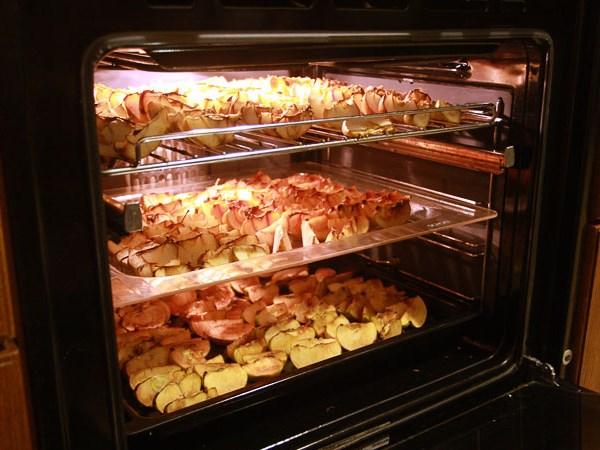
When you can't dry fruit outdoors, you can do so using a gas stove. Although it's easy to do, it's important to understand the basic guidelines for drying apples.
First, spread the sliced apples evenly on a baking sheet. Then preheat the oven to 80 degrees Celsius (175 degrees Fahrenheit) and place the apples in. After 3-4 hours, remove them and check to see if all the juice has evaporated. If not, return the baking sheet with the slices to the oven for another 20-30 minutes.
In an electric dryer
Many experts recommend drying apples in a special electric oven. This technique is considered universal, as it's suitable not only for fruits but also for mushrooms, vegetables, herbs, fish, and meat products.
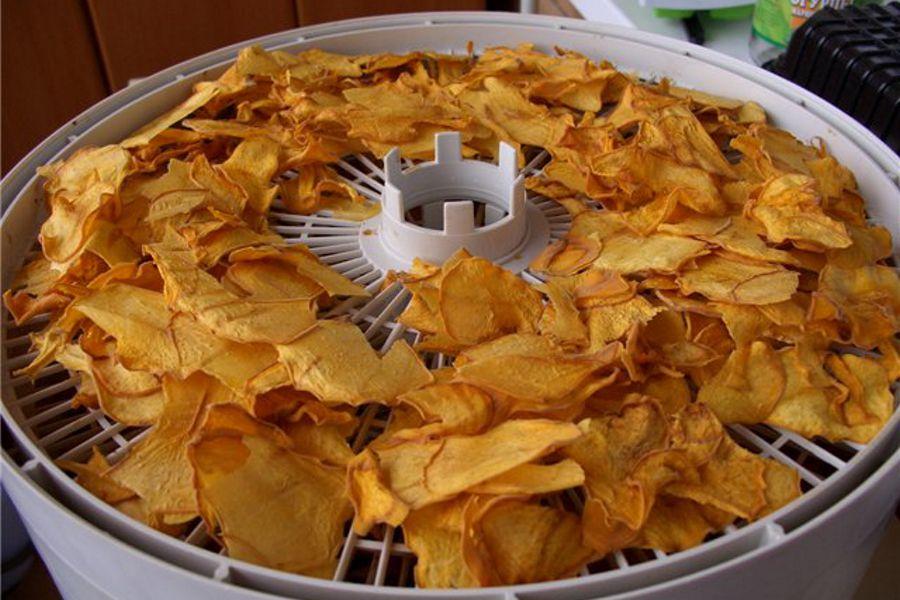
All cut fruit should be carefully placed in an electric dehydrator on a special tray. Then, turn on the dehydrator and set the operating mode to heat the air to 65-70 degrees Celsius. The apples are processed for five hours, after which they can be removed.
In the microwave
You can dry apples in a regular microwave oven, which is found in almost every home. Drying fruit this way preserves all the vitamins and nutrients.
Drying apples in the microwave is very simple. To do this, place the sliced fruit on a plate and place it in the microwave. Then set the timer on the control panel for 1.5 minutes and the power to 300 watts. Then repeat the process, but at a higher power setting of 30-50 watts.
In a multicooker
A simple slow cooker can help you quickly dry your harvest. This method involves two stages of drying apples. First, they are dried in the slow cooker at a temperature of 75-80 degrees Celsius (165-175 degrees Fahrenheit). This process lasts 2-3 hours. Then, select a different setting, which keeps the temperature below 60 degrees Celsius (140 degrees Fahrenheit). The sliced apples are then dried in this mode for another hour.
How can you tell if apples are dry or not?
People who haven't dried apples before don't know how to tell if they're dry enough. To do this, carefully inspect the skin. If it's not sticky, has darkened slightly, but still retains its elasticity, then the drying process is complete. To check, press your finger on one of the dried apples. A fully dried apple shouldn't crush when pressed.
Under-dried fruits have a moist surface from which juices ooze. They are also softer and much more elastic.
Where is the best place to store the finished product?
To keep dried fruits fresh longer, you need to familiarize yourself with the storage requirements.
In the basement
People living in private homes most often store dried apples in the basement. Basements with good ventilation are suitable for storage. If the cellar is too damp, it is not suitable for long-term storage of dried fruit, as they will quickly spoil in such conditions. In the basement, dried apple slices should be hung on a rope to prevent them from rotting and to ensure adequate ventilation.
At home
Many people need to store dried fruit indoors for long periods. They shouldn't be kept near radiators or any other power sources, as this will cause them to spoil quickly. Also, don't store dried fruit on the balcony in winter, where humidity is high. The ideal storage location is a dark room with a temperature of 18-20 degrees Celsius.
Selecting containers
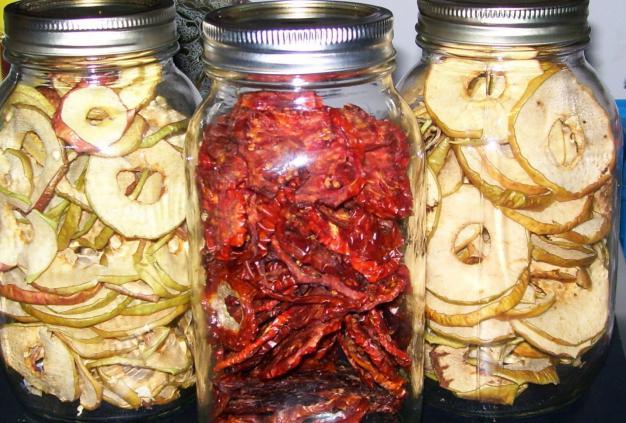
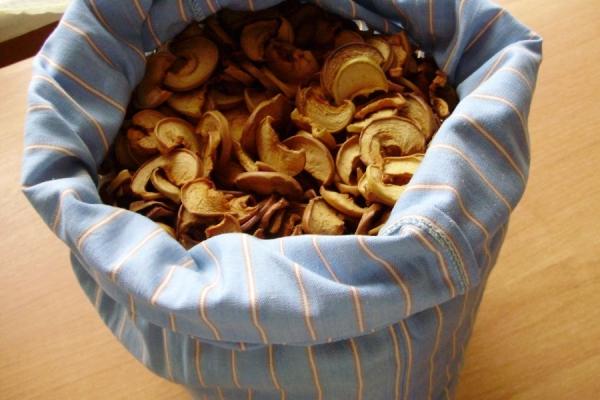
Choosing the right container for storing dried fruit is crucial. Avoid storing dried apples in plastic bags or bags for long periods of time. These bags prevent oxygen from reaching the fruit, causing it to gradually spoil. The best containers for dried fruit are considered to be thick fabric bags, which allow oxygen to pass through and reliably protect the product from insects.
Important rules and conditions for storing apples
To preserve dried fruit, you need to know how to store it properly. Experienced gardeners recommend maintaining proper temperature control, as the shelf life of the fruit depends on temperature. They should be kept at room temperature, between 16 and 20 degrees Celsius.
Too high or too low humidity levels can cause dried apples to spoil. Also, the room containing dried fruit should have a moderate level of humidity.
Shelf life of dried apples
The average shelf life of dried apples is three and a half years. During this time, the dried fruit should be checked regularly. A visual inspection is mandatory to promptly identify spoiled apples and discard them.

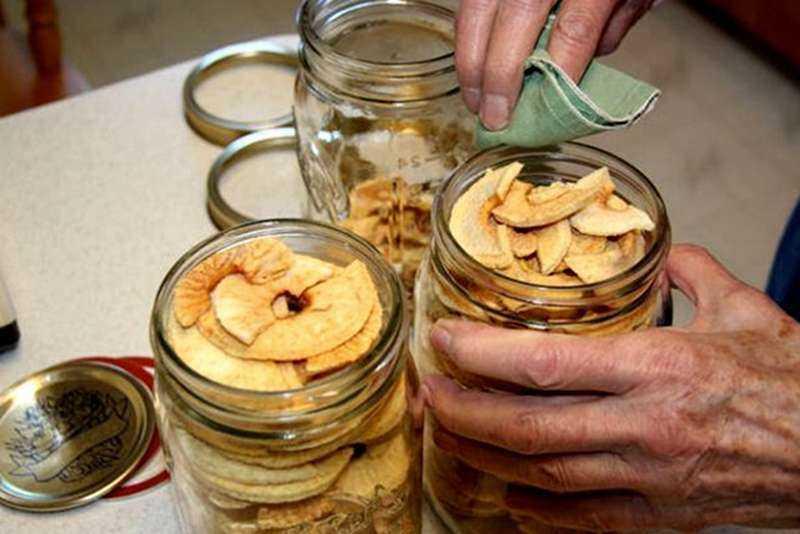
Some fruit varieties have a shelf life of less than three years. For example, summer varieties spoil more quickly and, when dried, last only a year and a half.
What to do if pests appear
If dried fruit is stored improperly, it can become infested with moths and other dangerous insects, which can ruin the entire product. If pests appear, they must be removed immediately. First, carefully inspect the dried fruit and remove any eggs that have been laid on its surface. Then, bake the dried fruit in the oven for 40-45 minutes at 70-75 degrees Celsius.
What to do if mold appears
If dried fruit is stored for a long time in high-humidity areas, mold may develop. To preserve the apples, rinse them under running water and dry them again in the oven. If this is not done, the dried fruits will become completely covered in mold and rot.
Using drying in winter
Dried apples can be eaten, but they can also be used to make jam and compotes. They are also often added to fruit pies and apple puddings. Dried apples are also perfect for fruit salads with apricots, bananas, oranges, and other fruits.
Conclusion
Many people who harvest apples in the summer want to preserve them until winter. To preserve them, they dry the harvested apples. However, before doing so, it's important to familiarize yourself with common methods for preparing dried fruit, as well as the specifics of storing them in an apartment or cellar.
Related posts:
 TOP 10 recipes for drying pears at home in the oven or electric dehydrator for the winter
 Top 10 Best Traditional Christmas Cake Recipes
 How to properly store dried apricots at home, the best places and methods
 How to properly store peaches at home for the winter
 How to store apricots at home: rules and best practices
 Recipes for clear ranetki jam in syrup for the winter, with and without water, in a slow cooker and on the stovetop
 27 Best Homemade Apple Jam Recipes for the Winter
 The best recipes for drying apples for the winter at home, and which fruits to choose