Cloudberries, or Berendey's berries, grow everywhere, but few people preserve them for future use. This may be because the berries are quite small and have a distinctly tart flavor. Meanwhile, a couple of jars of cloudberry jam or preserves can and should be preserved for the winter. Not only are these preserves surprisingly aromatic and delicious, they're also healthy, especially during cold and flu season.
What is cloudberry and what are its benefits?
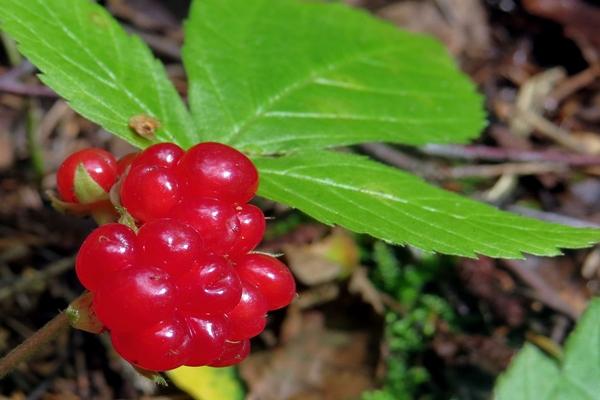
The cloudberry, also known as the northern pomegranate, is a low-growing plant with small red or orange fruits. The berry itself consists of several juicy pods with large seeds. It has a very juicy, slightly tart taste.
The berries are rich in vitamin C, phytoncides, and tocopherol. Infusions and fruit drinks have diaphoretic and antipyretic properties and are recommended for anemia. Fresh fruit juice helps strengthen blood vessel walls and remove cholesterol from the body.
Harvesting and preparation of crops
The harvest begins in late July and continues through early September. It grows in the coniferous and deciduous forests of European Russia and Siberia. Cloudberry thrives in sunny clearings, and bushes bearing red berries can be seen along forest paths.
Berries should be picked in the morning, after the dew has dried. It's best to use plastic buckets or any other containers with a hard bottom to prevent the berries from getting bruised. Be prepared to spend a lot of time picking cloudberries for jam.
Before canning, the berries are sorted, unripe ones are removed, and the sepals are torn off. Then they are washed with water.
What containers are recommended for canning?
Avoid using plastic containers. Firstly, plastic is not an environmentally friendly material, and secondly, it can release hazardous substances when heated. Furthermore, such containers cannot be sterilized.
Take a look Also

Glass jars with a capacity of 0.5-1 liter are suitable for jam. For preserves or jelly, it's better to choose smaller containers so that the contents can be eaten in one go.
Important: Containers must be sterilized in a hot oven or over steam before use. Pour the jam into hot jars for storage.
Jars of prepared cloudberry jam can be left over the winter without sterilization. If you're storing the jam in the refrigerator, you can use metal screw-on lids.
How to preserve berries for the winter: the best jam recipes
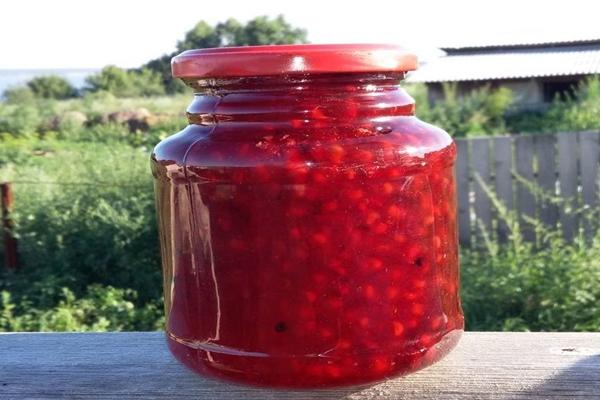
These healthy fruits are dried, frozen, and juiced. The jam, delicious on its own, can be used as a filling for baked goods or as a base for sweet sauces. Below are simple recipes any home cook can make. And the results will delight your family all winter long.
Recipe with seeds
The easiest way to preserve all the beneficial properties of berries for the winter is to make five-minute jam. For every kilogram of berries, use five cups of sugar and two cups of water. Make a syrup from the water and sugar. Then, add the berries and simmer, skimming off any foam, for five minutes. Set aside to cool completely, about a few hours. Repeat this process twice more. Pour the finished jam into hot jars and seal.
Seedless option
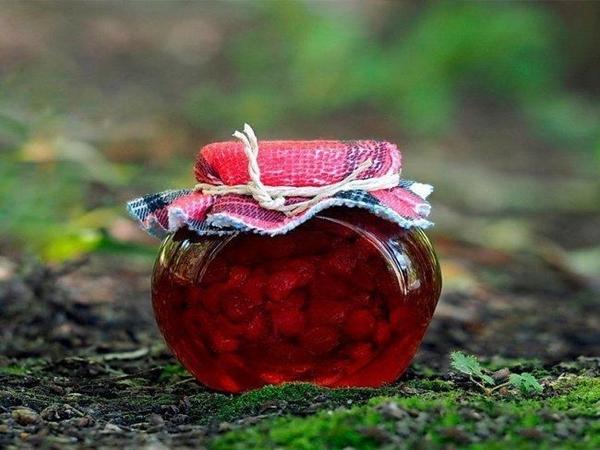
The taste is more delicate. Cloudberries are quite small, so the only way to remove the seeds is to mash them with a fork first and then press them through a coarse sieve. In this case, there's no need to cook the syrup. Sprinkle the resulting mixture with sugar at a rate of 1.5 kilograms per 1 kilogram of cloudberries.
Let it sit for 10-12 hours. Simmer over low heat, skimming off any foam. Once the syrup thickens and becomes viscous, the cloudberry jam is ready for the winter.
Berry jam and jelly
For one 0.5 liter jar of finished product you will need:
- cloudberries – 4 cups;
- sugar – 3 cups.
Take a look Also

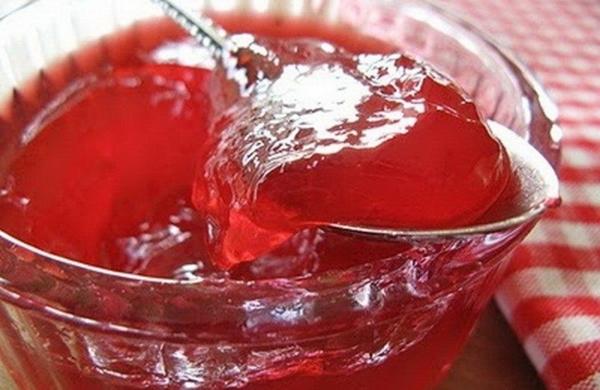
Place the prepared berries in a container, add a glass of water, and simmer for about 5 minutes. As soon as the berries begin to burst, remove from the heat and strain through a sieve. Add sugar to the resulting puree and simmer over low heat for 10 minutes. Don't cover with a lid, as this will allow the moisture to evaporate faster. Pour the finished jelly into jars and let it cool completely.
If the jelly turns out a bit runny, don’t worry; it will thicken after cooling.
Berry jam
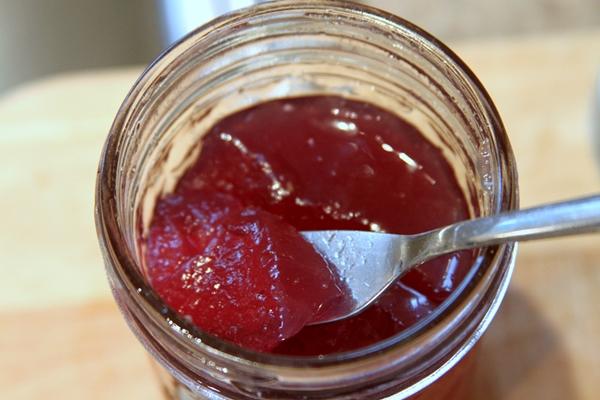
For 1 kilogram of cloudberries, you'll need the same amount of sugar. Place the cloudberries in a saucepan and add 2 cups of water. Bring to a boil. Strain the hot mixture through a sieve. Then add sugar and cook until thickened (you can do this in several batches). Pour the prepared jam into hot jars. For additional sterilization, wrap the jars in an old blanket or throw.
Expiration date and storage features
It's best to store cloudberry jam in a cool, dark place. For example, on the bottom shelf of the refrigerator or on an insulated balcony. If this isn't possible, you can store the jars in a cupboard or boxes away from the radiator.
Jam with seeds can be stored in the refrigerator for up to a year, and in a warm place for up to six months. Seedless jam, as well as jellies and preserves, can be stored for up to three years if the jars have metal lids. An opened jar can be stored in the refrigerator for up to three weeks.
Candied jam can be saved by simply boiling it again with a small amount of water. However, any jam that develops mold on the surface is best discarded immediately.
Related posts:
 Simple step-by-step recipes for making lingonberry jam for the winter
 How to sterilize jam jars in the microwave: methods and rules
 15 simple recipes for making blueberry jam at home with apple and lemon in a slow cooker
 Simple recipes for making cherry plum jam with and without pits for the winter
 TOP 10 recipes for jam from garden and wild strawberries for the winter, in a slow cooker and on the stovetop
 27 Best Homemade Pear Jam Recipes for the Winter
 14 Best Step-by-Step Recipes for Making Apricot Jam for the Winter
 23 of the most delicious orange jam recipes for the winter