
The Harlequin f1 tomato was developed by Russian breeders. This plant is primarily grown in greenhouses. This variety is an early-ripening tomato. To decide whether or not to grow this variety, you need to know its description and characteristics.
Description of Harlequin tomatoes
Characteristics of the Harlequin f1 variety:
- Harlequin tomatoes are a hybrid variety;
- the plant is intended for growing in small farms and summer cottages;
- Tomatoes are grown in film shelters in spring and summer;
- Tomatoes tolerate well the climate of Moldova, Ukraine and warm regions of the Russian Federation;
- After the seedlings appear, you can harvest the crop in 3 months;
- From the moment of planting seedlings until the fruits appear, it takes about 112 days.
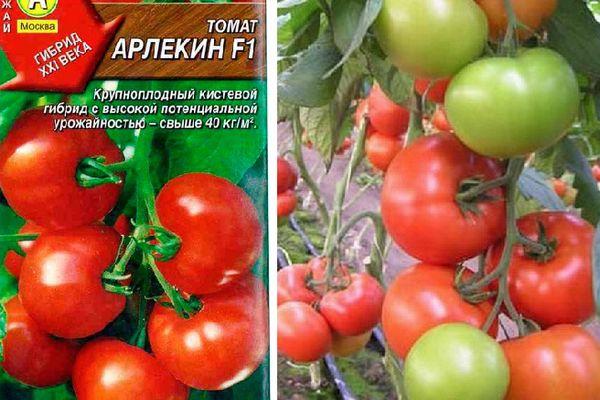
Harlequin is a determinate variety. The plant grows to medium height. The stems have a small number of leaves, which are small and dark green. The bushes form into 1-2 stems. The plant height is 120-150 cm. The first ovary appears above the 7th-8th leaf. Subsequent inflorescences form 1-2 leaves later. A single cluster of tomatoes can produce up to 9 ripe tomatoes. The fruits are round, slightly flattened at the top and bottom.

The fruit is ribbed at the top and has juicy, dense flesh. Unripe tomatoes are green. Ripe tomatoes are bright red. Each tomato weighs 150 g and has excellent flavor. In one season, gardeners can harvest up to 10.7 kg per square meter of soil.
When grown with proper agronomic practices, this variety yields up to 42 kg per square meter of soil. Care includes fertilizing the soil with mineral and organic fertilizers, loosening the soil, infrequent but intensive watering, and weed control.
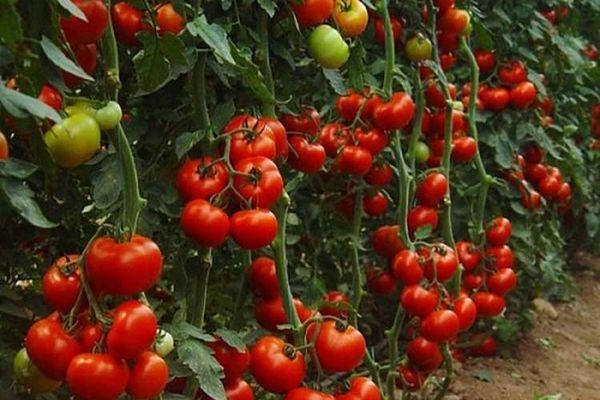
Tomatoes are resistant to diseases such as late blight, fusarium, and other fungal diseases. These tomatoes are versatile in their uses: they can be eaten raw, used in salads, pickled, salted, juiced, gravy, sauces, seasonings, and used in various hot dishes. Tomatoes can be pickled, canned, fried, boiled, and stewed.


Reviews from gardeners who have grown this variety are positive. They note that the fruits ripen early and the yield is high. The fruits are quite large, and the flowers appear even in poor weather.
Gardeners note that seeds should be sown for seedlings at the end of March. After 1-2 leaves have formed, the stems are pricked out. The seedlings are removed from the main container and planted in peat pots.
Once the seedlings have grown, they are transplanted under plastic film. This occurs in mid-May. Tomatoes can be transplanted into open ground in early June. At this time, the seedlings should have 5-7 leaves. The seedlings take 60-65 days to mature.
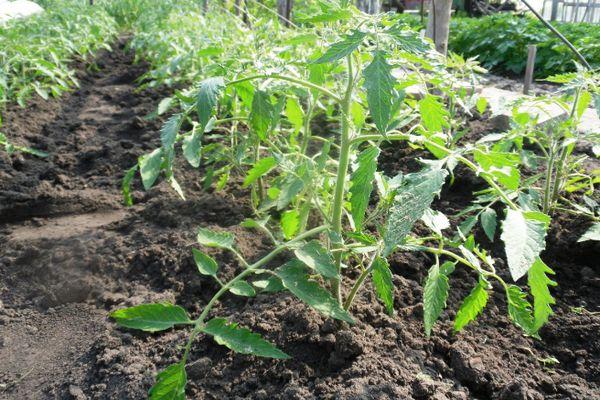
According to vegetable growers' recommendations, plants should be planted in the ground using a 50x40 cm pattern. Up to 9 bushes are planted per 1 m² of soil. Harlequin tomatoes can be planted in special shelters made by stretching film over arches, or in regular greenhouses. Plants can only be planted in open beds in warm climates. When growing, the beds should receive ample sunlight. Tomatoes can be grown in areas previously occupied by cucumbers, carrots, cabbage, or dill.
Related posts:
 Description of the best varieties of black tomatoes for open ground and greenhouses
 16 Best Quick Pickled Tomato Recipes for the Winter
 TOP 17 recipes for pickled sweet tomatoes for the winter
 The 14 Best Tomato and Aspirin Recipes for a 3-liter Jar for the Winter
 Description of the best tomato varieties for open ground in the central zone
 How to make marinated tomatoes in jars for the winter using a Bulgarian recipe
 15 simple recipes for pickling tomatoes in jars for the winter
 Delicious recipes for canned tomatoes with honey for the winter, preparation steps