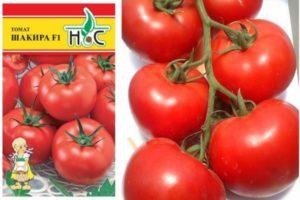
The Buratino tomato is a variety bred by the Crimean Experimental Breeding Station of the All-Russian Research Institute of Plant Growing. In 1999, it was included in the Russian Federation State Register. This variety got its name from the unusual shape of its ripe tomatoes, which resemble the nose of the famous cartoon character.
Features of the variety
The official variety description states that the plant is suitable for both open-field and greenhouse cultivation. This tomato is mid-early in maturity. It grows as spreading, determinate bushes. Mature plants average 0.6 to 0.8 m in length. The bushes have moderate foliage.
The leaves are medium-sized, regular in shape, and dark green. The inflorescence is simple. The first inflorescence is initiated above the 6th or 7th leaf, with subsequent inflorescences occurring every 1-2 leaves. The peduncle is not articulated.
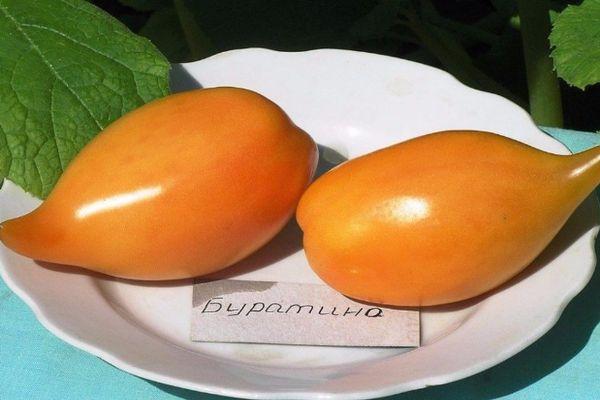
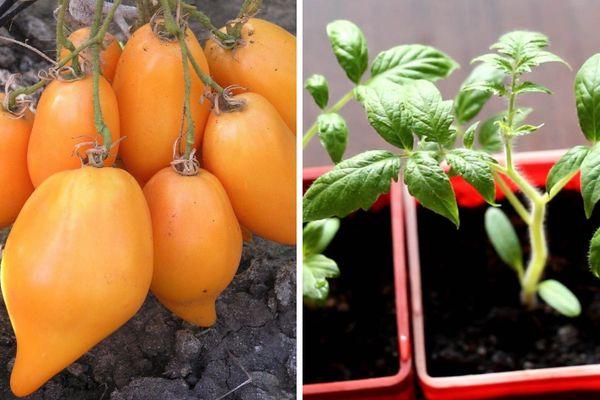
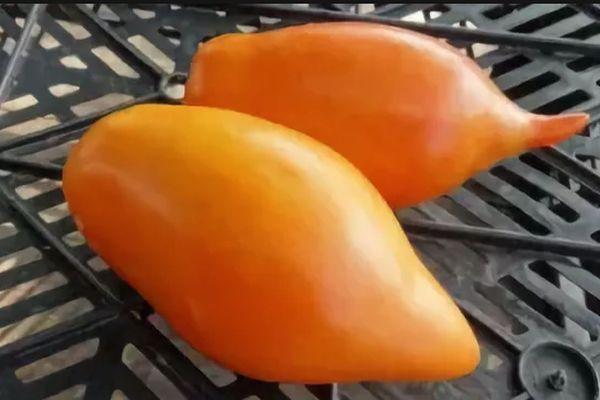
Buratino tomato fruits are elongated, cylindrical, and have a long beak. Each fruit weighs on average 80-90 g. The surface is smooth. Unripe tomatoes are light green, while ripe tomatoes are red. There are 2-3 nests.
Ripe Buratino tomatoes have a sweet, slightly tart flavor. They don't crack during ripening and have firm skin. They are suitable for both fresh eating and canning. Buratino tomatoes are considered a mid-season variety. Their yield averages 6 kg per square meter.
Plants of this variety thrive in hot and dry climates. They are highly resistant to verticillium wilt, macrosporiosis, and other parasitic diseases. In temperate climates, the Buratino tomato is suitable for outdoor planting.
In cold northern regions, this variety is best grown indoors. It's well-suited for preserving whole fruits, both at home and on an industrial scale. Its excellent taste and resistance to drought and many diseases have earned the Buratino variety extremely positive reviews.

Growing technology
Recommendations for planting seedlings:
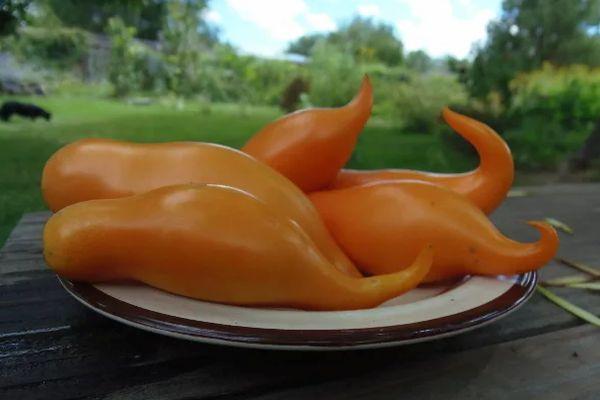
- Sowing seeds for seedlings is carried out 55-60 days before the expected planting in the ground.
- Before planting, soak Buratino tomato seeds in a growth stimulant. Zircon is an example of such a stimulant. To prepare the solution, dissolve 3-4 drops of the product in 300 ml of water. Soak the seeds for 10-18 hours.
- Seeds are planted to a depth of no more than 3 cm.
- Watering is done with water at room temperature (22-25 °C).
- In the greenhouse, the air temperature should remain above 25°C for the first few weeks. After 20 days, the temperature gradually decreases to 18–20°C.
- If the plant is planted in open ground, wood ash and a small amount of complex fertilizers (30 g per 1 m²) are added to the holes.
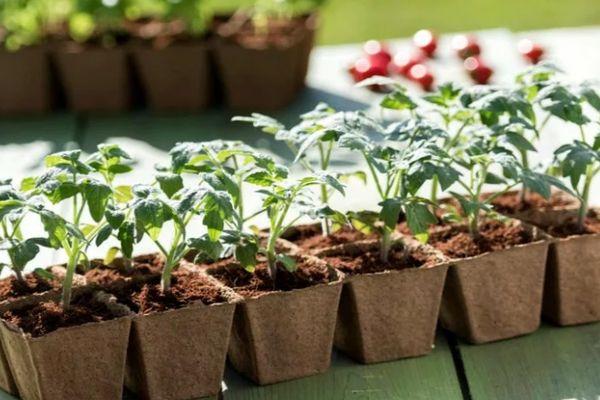
Recommendations for caring for tomatoes
Once the plant is planted in the ground, it should be watered once every seven days. If the weather is hot and dry, the frequency of watering can be increased.
In most cases, bushes don't require support. However, if the Buratino tomato variety has produced a large number of fruits, it's worth adding additional support to prevent the plant from breaking under its own weight.
To increase foliage, nitrogen-based fertilizers are recommended. During flowering and tomato formation, phosphorus and potassium fertilizers should be added to the soil.
It is imperative to weed the beds and loosen the soil. But this must be done carefully so as not to damage the roots of the bushes.
It's important to inspect your plants daily. Early detection of diseases or pests will help preserve future harvests.
Related posts:
 The best grape varieties for growing in the Urals, planting and care rules in summer
 Descriptions of the 20 best cherry varieties for the Moscow region, their planting and care
 80 Best Eggplant Varieties for Different Regions with Descriptions and Characteristics
 How to propagate and grow peas, cultivation technology, and care in open ground
 Description of varieties of sowing peas and cultivation, to which family they belong
 Description of the 90 best varieties of beans for open ground with names
 Description of the best pepper varieties for greenhouses and open ground in 2025
 Description of the best potato varieties of domestic and foreign selection
Take a look Also