
The Valentina tomato is resistant to many diseases. It's easy to care for, so even a novice gardener can grow it and reap a bountiful harvest. Valentina tomatoes are recommended for outdoor cultivation in southern Russia. In the vast expanses of Siberia and central Russia, greenhouses and hotbeds are required. Growing the Valentina tomato shouldn't pose any problems; this plant is adapted to survive in any weather conditions.
Some information about tomato
The characteristics and description of the variety are as follows:
- Valentina produces its first harvest 90-100 days after planting the seedlings.
- This tomato variety grows no more than 0.6 m tall, so the plant doesn't need to be tied to supports or trellises and doesn't require pruning. Removing side shoots is rare.
- The stems have a small number of leaves, and the inflorescences have a simple structure.
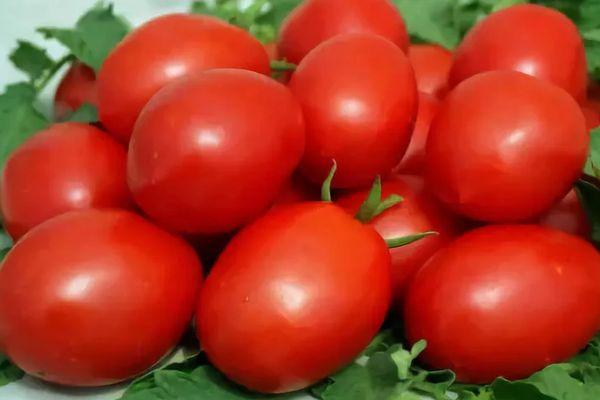
- Description of the fruits: they hang in clusters, the berries are small in weight, a large number of fruits weighing up to 90 g grow on the bush, the berries are similar in shape to an elongated egg, and have a color from orange to red.
- The fruit's flesh is fleshy and the skin is smooth. A major advantage of this tomato is its resistance to cracking, which allows it to be transported over long distances.
Reviews from farmers who have fallen in love with this variety indicate that if all breeder recommendations were followed when growing the tomato, the plant yielded a decent harvest. The tomato's resistance to fungal and bacterial infections minimizes losses. The plant yields 3.5-4 kg of fruit per bush.
Beginner gardeners and those who haven't planted this variety before should know that to get a good harvest in central Russia or northern regions, seedlings, not seeds, are planted in a greenhouse or hotbed. To grow Valentina, new seeds must be purchased each year.

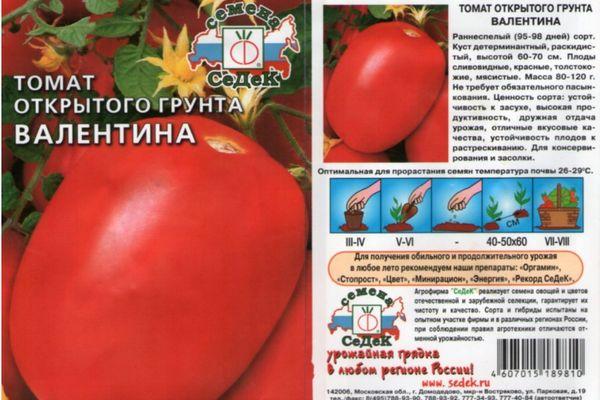
This tomato variety is eaten fresh, and is used to make juice, paste, and ketchup. It is recommended to preserve whole Valentina tomatoes for the winter. Some people dry them.
Growing seedlings yourself
It's recommended to purchase seeds from specialty stores. They are treated with a weak solution of potassium permanganate to boost the immunity of the future seedlings, then sown in trays with soil. You can use ready-made tomato soil or mix your own garden soil with peat, sand, and manure. Sow the seeds to a depth of 15 mm, then cover the trays with plastic wrap or glass.
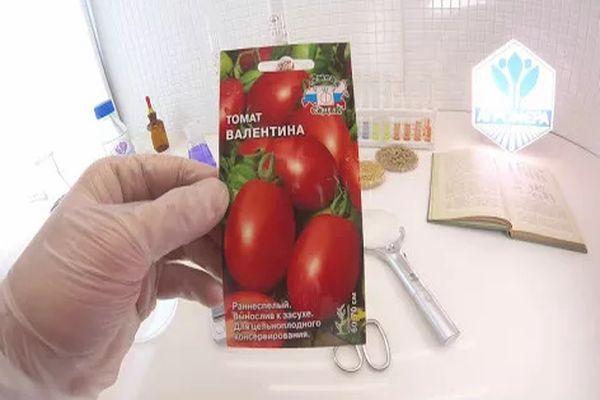
Once the seedlings emerge, transplant them into individual pots 8.0 to 10 cm in diameter. Place the containers under fluorescent lights. Fertilize with organic fertilizer. Compost, humus, or manure can be used. Water the seedlings with a watering can once or twice a week. Excessive humidity can damage young plants.
It is recommended to plant plants with intact, strong roots and stems in a greenhouse or open area. Before transferring the bushes to their permanent soil, they should be hardened off. The soil in the beds should be thoroughly loosened and amended with peat, manure, and sand. The planting pattern is 0.5 x 0.5 m. Two to five plants can be planted per square meter.
Caring for tomatoes in the garden
For normal growth, the bushes require adequate watering. This procedure is carried out 1-3 times every 6-9 days. Use warm water for this. Watering is done early in the morning, before the sun rises.
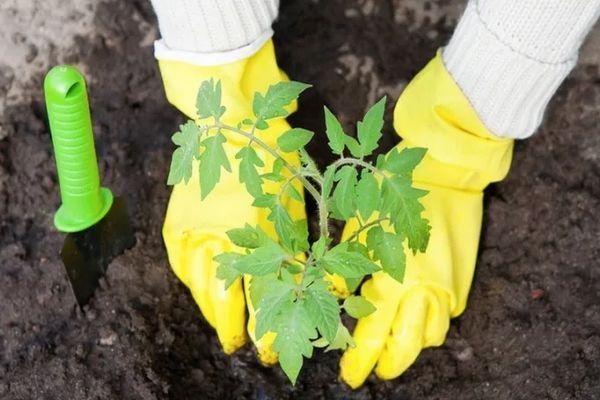
If tomato plants are planted in open beds, it is recommended to cover the seedlings with plastic film for the first 10-15 days. This will protect them from sudden temperature changes.
When growing plants in a greenhouse or hotbed, gardeners must monitor soil moisture and the temperature inside. Ventilation of the greenhouse is necessary from time to time.
Most often, Valentina does not require removal of stepsons, but sometimes the need for this operation arises. To eliminate excess shoots, it is recommended to remove all lateral shoots and lightly pinch the top of the bush.

To ensure healthy plant development, fertilize the plants three times per season. The first application of fertilizer is made when transplanting the seedlings to their permanent soil. Then, during flowering, the bushes are fed with potassium nitrate, nitrogen, and organic matter. After the first fruits develop, additional fertilizer is applied with complex mixtures. With timely loosening of the beds and weeding, the farmer will reap a good harvest.
Related posts:
 When and how to properly transplant tomato seedlings, the best days in 2025
 The best grape varieties for growing in the Urals, planting and care rules in summer
 Description of the best varieties of black tomatoes for open ground and greenhouses
 The best eggplant varieties for growing in a polycarbonate greenhouse: planting and care
 Methods for planting and propagating cherries at home
 Favorable planting days for tomatoes in March 2025, when is the best time to sow
 Characteristics and description of the Sprut tomato variety, yield and cultivation
 Description of varieties of sowing peas and cultivation, to which family they belong