
The hybrid tomato Kasatik f1 appeared on the domestic market two years ago. This variety was developed by the Russian breeding company Gavrish. For many years, the company has been developing unique tomato varieties that withstand the challenging climatic and weather conditions of our country.
Kasatik f1 was bred using tomatoes that are the most popular among farmers and consumers. The plant thrives equally well in open ground, hotbeds, and greenhouses.
Kasatik f1 tomatoes are characterized by stable and uniform ripening throughout the growing season. The high yield is a worthy reward for the time and effort invested in the plant.
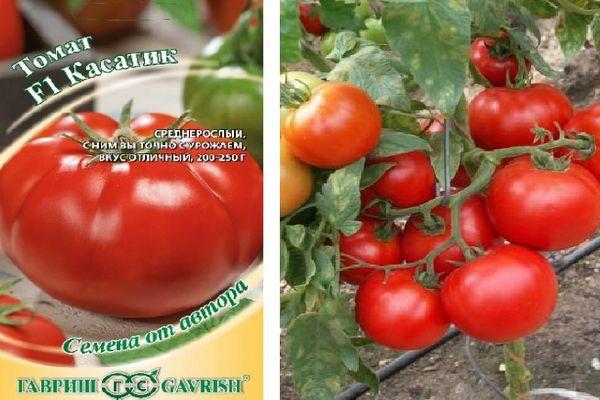
General characteristics of tomato
Breeders have strived to incorporate into Kasatika f1 the qualities that gardeners use to select tomatoes. This includes the high yield of this garden crop. With minimal care, it yields 18-20 kg per square meter. These yields not only feed a large family but also allow for a good profit from selling surplus produce. Feedback from farmers indicates that growing this variety can yield a good profit from market sales.
Mature bushes reach a medium height of 110–130 cm. Plants can even be grown in small greenhouses with good air circulation. The stems and branches are strong and thick, gray-green in color. Staking is necessary when the fruit begins to ripen. The leaves are rich green and medium in size.
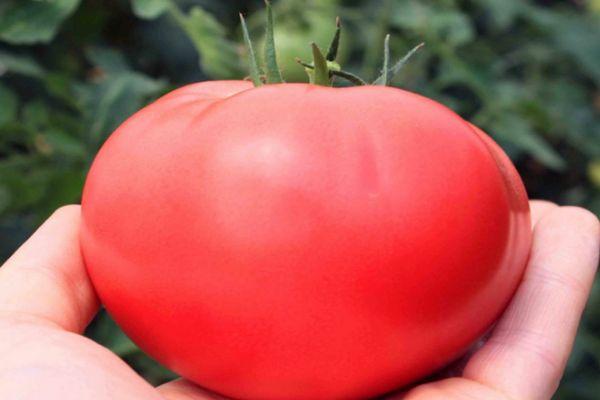
The fruits are bright red and spherical. Fully ripened tomatoes weigh 220–250 g. The flesh is firm and juicy, with a distinct tomato flavor. The skin is thin and dense, resistant to cracking when dropped or pressed. The fruits are served raw, used in salads, preserves, and hot dishes. After defrosting and cooking, the tomatoes retain their integrity.
Take a look Also

The seeds are packaged in a paper bag. The hybrid's full beneficial properties are only apparent during the first season. The seeds of ripened fruits are separated into the varieties used in Iris breeding. The manufacturer does not recommend using them for harvesting and subsequent planting.
Pros and cons of hybrid varieties
Kasatik tomatoes are very popular among gardeners.
People value this variety primarily for the following properties:
- Excellent taste.
- Resistance to infectious diseases. Plants are immune to diseases such as spotting, crown rot, verticillium wilt, and cladosporiosis.
- Versatility. Ripe tomatoes can be eaten fresh, boiled, fried, or canned.
- Attractive appearance. The fruits are distinguished by their rich color, size, and regular shape.
- Predictability of harvest and ripening time. Berries are evenly distributed along the bush. There is no need to add supports as they ripen.
- Satisfactory shelf life. With careful transportation and proper storage, ripe tomatoes retain their quality for two months.
A disadvantage of tomatoes is their difficulty in care. In this regard, plants require strict adherence to the manufacturer's recommendations.
Growing tomatoes
Fruiting in open ground should begin in early June, when the weather becomes consistently warm. Seedlings can be planted in heated greenhouses in late April. Seed maturation takes 85-90 days. After removing them from their packaging, they should be disinfected and hardened in the cold. This process should be carried out in stages, gradually increasing the time spent in the cold.
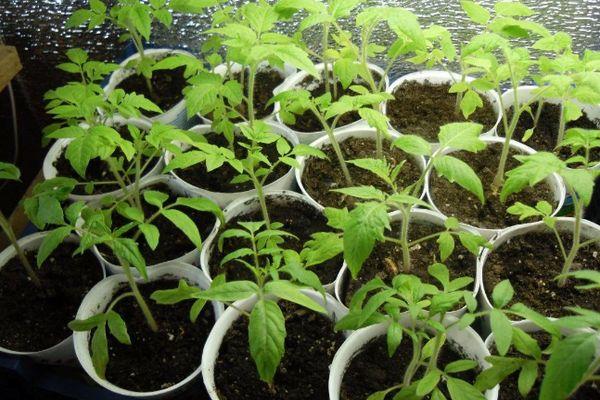
The seeds are planted in fertilized soil to a depth of 2 cm. The incubator is constantly watered. Initially, the seedlings require light and a constant temperature. Pricking out occurs after two true leaves have formed. Transplanting into the soil should be done carefully to avoid damaging the root system. The manufacturer recommends a 40x60 cm pattern.


The bushes should be watered daily after sunset with warm, settled water. Fertilizer should be applied in liquid form at least once a week. The bush grows rapidly until inflorescences form, after which stem development stops and fruit set begins. At this time, support should be installed. A single sturdy pole, 150 cm high, is sufficient. Individual branches bearing fruit can then be tied to it. The plant bears fruit until the end of summer. When frost is forecast, the fruit should be harvested.
Related posts:
 Description of the best varieties of black tomatoes for open ground and greenhouses
 TOP 17 recipes for pickled sweet tomatoes for the winter
 Delicious recipes for canned tomatoes with honey for the winter, preparation steps
 Recipes for amazing tomatoes in jelly for the winter, with and without sterilization, you'll lick your fingers
 What varieties of tomatoes are best to plant in a polycarbonate greenhouse?
 Recipes for pickled tomatoes in apple juice for the winter – finger-licking good
 Description of the best Dutch tomato varieties for greenhouses and open ground
 How to make marinated tomatoes in jars for the winter using a Bulgarian recipe