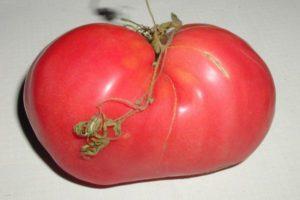
The Marmeladny tomato is an early, low-growing variety. Its fruits have a distinctive appearance and excellent taste. This variety has become very popular among gardeners.
What is a Marmalade tomato?
Characteristics and description of the variety:
- Tomato is a representative of the determinate plant species.
- The bushes have a small number of branches.
- Ovaries are formed after 1-2 leaves.
- After the formation of 4-6 ovaries, stem growth stops.
- The plant reaches a height of 70-80 cm.
- Although the tomato is considered a standard variety, in greenhouses the bush can grow up to 1.5 m in height.

Let's look at the characteristics of the fruits:
- Tomatoes have an unusual color.
- The fruits are of standard size and have a marketable appearance.
- Tomatoes have excellent taste.
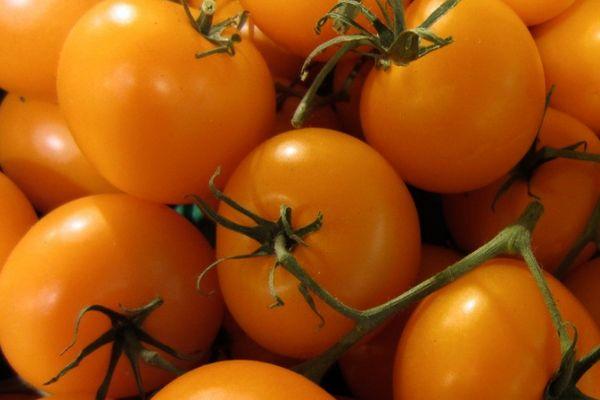
- The color of tomatoes is yellow-orange, similar to orange.
- The weight of 1 tomato is 100 g. It has a round shape.
- Tomatoes on the branches ripen simultaneously; several ripe fruits of the same size can be picked from the bush at once.
The yield per plant is approximately 4 kg. The fruits are sweet in taste, slightly reminiscent of marmalade. The skin is firm and resistant to cracking. The flesh is juicy and fleshy. The fruits have a small number of seeds. Tomatoes are versatile in their uses. Homemakers eat them fresh or slice them into salads. These marmalades make a beautiful addition to any table. The fruits are also used to make tomato juice, puree, sauces, pastes, and garnishes for hot dishes. Tomatoes can also be canned.
The advantage of this variety is its resistance to diseases such as late blight and powdery mildew. The plant is cold-hardy and can produce flowers and fruit even in poor weather.
How are tomatoes grown?
This variety is easy to care for. It can be planted outdoors, but greenhouse conditions are more favorable. The plant requires shaping by removing side shoots. The branches should be tied to a support or trellis. If gardeners follow all the care instructions, they can reap an early harvest with good-quality fruit. Before planting the seedlings outdoors, prepare the soil.

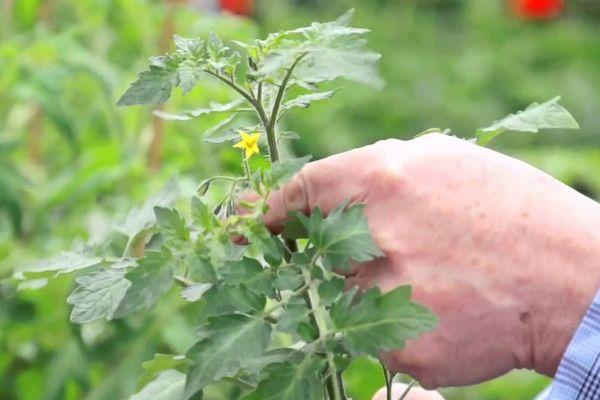
A few days before planting the seedlings, thoroughly water the area where the tomatoes will grow. In open beds, cover the soil with plastic after watering to allow it to warm up. The day before planting, loosen the soil and weed. The seedlings can be transplanted into the open ground in the last ten days of April. Plant the bushes in a staggered pattern. Prepare the holes beforehand.
Add 0.5 liters of water to each hole, plant the seedlings with the treated roots, and then water again. When watering, avoid getting water on the leaves and stems of the plant. If transplanting the seedlings in mid-April, cover the area with agrofibre to strengthen and strengthen the seedlings.
Vegetable growers believe that low-growing bushes don't need to be trained or supported. However, in practice, these measures help improve the quality of the fruit.
Pinching out side shoots from plants can speed up harvesting by approximately two weeks. Removing side shoots allows for better airflow to the plant branches. Lower leaves should also be removed. This will help protect the plant from various diseases.
If the plant bushes are strong, then usually 4 stepsons are left. If too many extra shoots are left on a weak plant, a large number of very small, unripe fruits will grow.
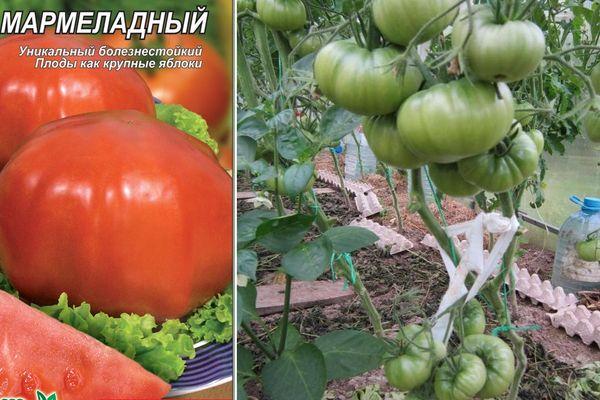
Any tomato variety, even low-growing ones, needs to be tied to a support structure. This will make it easier to cultivate the beds, loosen the soil, apply fertilizer, and water. This will prevent the branches from bending directly toward the ground. Properly installing trellises to support all the bushes will give the plot a well-groomed appearance, and each tomato can be easily picked straight from the bush.
Gardeners' reviews of this variety are generally positive. Everyone who has planted this tomato has grown an excellent harvest in any season. Vegetable growers also note the fruit's good transportability and ability to be stored for long periods in a cool place.
Related posts:
 Description of the best varieties of black tomatoes for open ground and greenhouses
 11 Best Recipes for Preserving Tomato Slices for Winter
 Delicious recipes for canned tomatoes with honey for the winter, preparation steps
 TOP 17 recipes for pickled sweet tomatoes for the winter
 Recipes for amazing tomatoes in jelly for the winter, with and without sterilization, you'll lick your fingers
 15 simple recipes for pickling tomatoes in jars for the winter
 How to grow cherry tomatoes on a balcony: suitable varieties and planting and care guidelines
 The 14 Best Tomato and Aspirin Recipes for a 3-liter Jar for the Winter