
A prominent example of a high-yielding tomato variety is the Katyusha F1. It is a first-generation hybrid, highly resistant to various fungi and viruses, and tolerates cold and short-term drought well. Moreover, the plant always produces a bountiful harvest.
This nightshade species has many advantages. But to grow it and obtain abundant, delicious fruit, you need to understand the specifics of its cultivation.
Growing Katyusha tomatoes is simple and even a beginner can handle it. The key is to complete the process within the allotted timeframe and follow the manufacturer's recommendations.

Characteristics of the variety
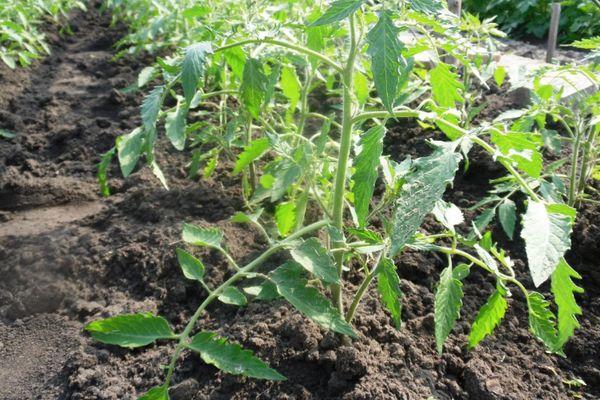
The Katyusha tomato variety is a determinate variety. Mature bushes reach a maximum height of 90 cm. The plant's root system is well developed and extends several meters into the ground. This ensures that the plant is always supplied with nutrients and beneficial microelements.
The strong, sturdy trunk contains numerous stems densely filled with dark green foliage. Despite the bush's short stature, some gardeners recommend pruning and side-shooting. Additionally, if necessary, tie the fruit-bearing branches to supports.
The Katyusha tomato is an early variety. Its growing season lasts 65-75 days from sowing. It is grown in various regions. The key is to find the right method and technique for each. The Katyusha tomato variety grows well both in greenhouses and hotbeds, as well as in open garden beds.
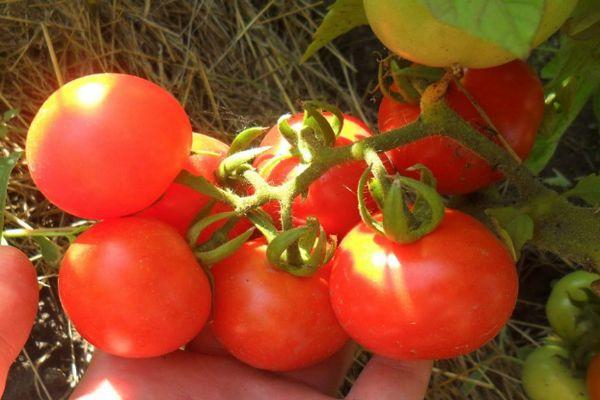
The tomato plant has a simple inflorescence. The first ovary appears after the 5th or 6th leaflet, and subsequently after 2 leaves. A single cluster can produce 6 to 9 tomatoes.
This variety of nightshade has strong immunity to many fungi and pests. Thanks to its early maturation, the bush is resistant to tobacco mosaic and late blight.
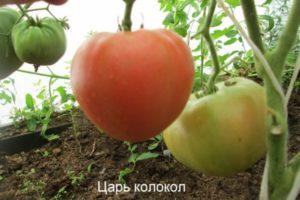
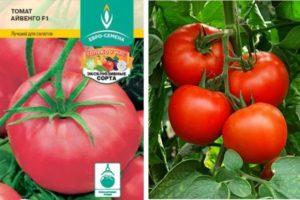
The fruits of the Katyusha variety have the following description:
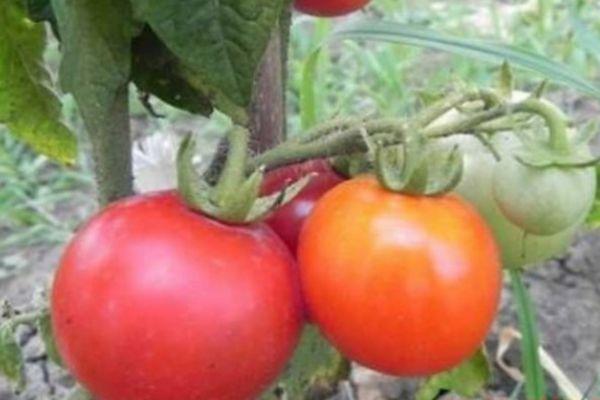
- Tomatoes are round and regular in shape.
- The color is rich red, without inclusions or yellow spots.
- The skin of the fruit is dense and smooth, almost waxy. This density prevents the tomatoes from cracking and allows them to be stored for a long time.
- The Katyusha variety has a high yield. When grown properly, up to 7 kg of fruit can be harvested per square meter.
- These tomatoes have excellent flavor. They offer a balanced balance of sweetness and tartness, with a hint of spice. Katyusha tomatoes are ideal for making tomato juice, ketchup, paste, lecho, and for fresh consumption.
Many farmers grow this variety for commercial use. The tomatoes can be stored for long periods and transported over long distances without losing their marketable appearance.
Agricultural technology rules
To grow the Katyusha variety from seeds, you need to properly organize the seedling planting process. When purchasing seeds, pay attention to the information provided by the manufacturer on the packaging. It provides general characteristics and a description of the variety, as well as the timing of sowing the seeds for seedlings, the age at which they should be transplanted, and the time for planting them in the garden.
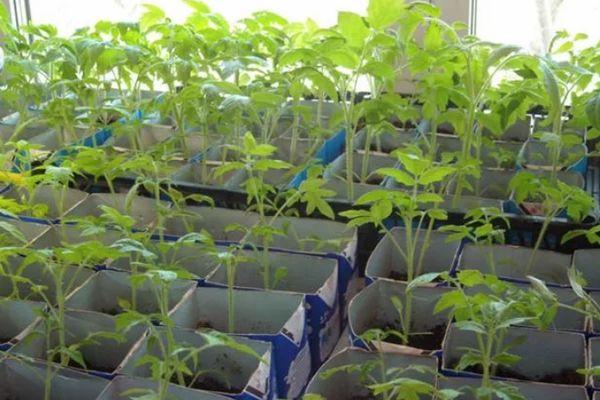
Recommendations that will help you grow a strong, vigorous plant that produces a good harvest without any problems:
- First, you need to prepare a special container in the form of a box or container for seedlings.
- Then the soil is mixed. It consists of peat, sand, and turf. Sometimes, humus is used instead of peat.
- Before planting, seeds are treated with a weak manganese solution and a growth activator. This will disinfect them from fungi and stimulate root development.
- A small amount of soil is poured into the containers and holes no more than 2 cm deep are made in it. The seeds are placed in these holes and covered with soil.
- Watering should be done immediately after planting, using only warm, settled water. The soil will settle slightly due to moisture, so add a little more soil to the container immediately.
- The seedlings are kept under plastic wrap until the first shoots emerge. Then, the box is opened and moved to a brighter location. The room temperature should be at least 22°C.
- As soon as the sprouts have two leaves, you can begin transplanting. Plants are placed in peat pots or disposable cups.
- Seedlings need to be "hardened off" before planting. To do this, take them outside for 2-3 hours. This should be done 1-2 weeks before planting outdoors.
- Before planting, the beds are thoroughly dug and loosened. The holes are spaced 50 cm apart, with 60 cm between rows.
- Katyusha tomatoes prefer alkaline soil. If the soil is highly acidic, it should be neutralized using specialized soil conditioners.
- After planting the seedlings, the holes are mulched and watered with settled water.
- After 10 days, the bushes are fed with mineral fertilizers. Tomatoes respond well to nitrogen, potassium, and phosphorus fertilizers.
- Despite the Katyusha variety's hardiness and resistance to various fungi, many gardeners recommend preventative spraying. This can be done before the fruit appears on the cluster. The use of chemicals during the ripening period of tomatoes is strictly prohibited.
The presented agricultural techniques are not new. They include a number of standard procedures suitable for virtually all varieties of nightshade vegetables.
The Katyusha tomato variety receives nothing but positive reviews from gardeners. It is successfully grown by farmers for sale, gardeners, and amateur gardeners. It is prized for its excellent taste, abundant yield, hardiness, and resistance to weather changes.
Related posts:
 Description and characteristics of the best seeds of pea varieties and types
 The best grape varieties for growing in the Urals, planting and care rules in summer
 80 Best Eggplant Varieties for Different Regions with Descriptions and Characteristics
 The best eggplant varieties for growing in a polycarbonate greenhouse: planting and care
 The ripening time of grape vines by variety, how to speed up the process, and what to treat the plant with
 Description of the Velika grape variety, cultivation and care tips
 Description of the best potato varieties of domestic and foreign selection
 How to propagate and grow peas, cultivation technology, and care in open ground