
The Dutch hybrid tomato Ivanhoe is deservedly popular among Russian gardeners. This variety boasts numerous positive characteristics, appreciated by both farmers and consumers. This tomato is recommended for growing in plastic greenhouses and glass or polycarbonate greenhouses. It's worth knowing about the characteristics of the Ivanhoe variety, its advantages and disadvantages.
Main characteristics of tomato
Ivanhoe F1 tomatoes are an early-ripening, high-yielding first-generation hybrid. This variety grows tall and spreading, reaching up to 180 cm in greenhouse conditions. The plant stems are strong and flexible, with wide, deep-growing roots. The medium-dense foliage provides good protection for the fruit from precipitation and direct sunlight. The leaves are small, dense, and dark green.
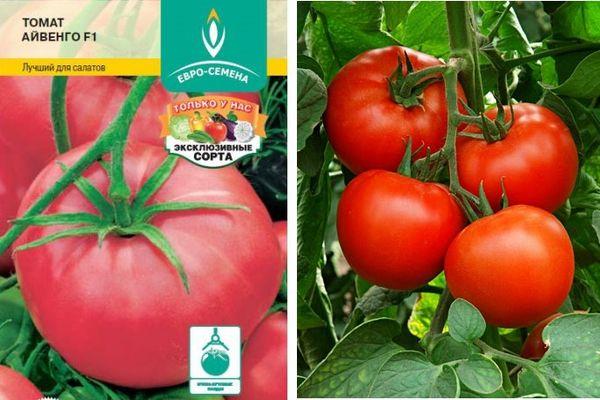
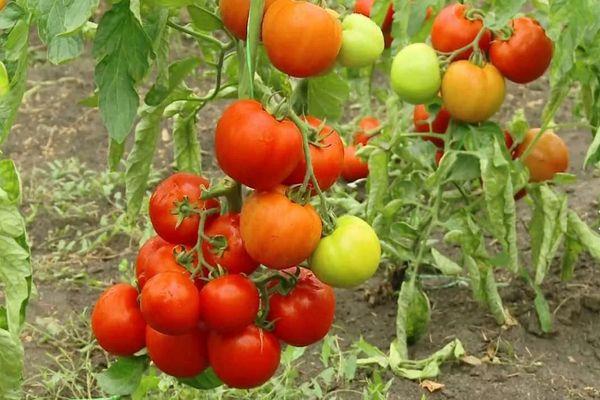
Tomatoes ripen in large clusters of 5-7 tomatoes. A single Ivanhoe variety bush can produce up to 6 clusters at a time.
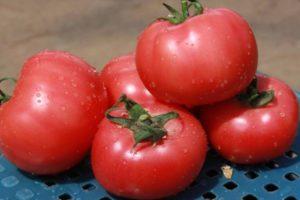
The fruit's color changes from light green to dark red as it ripens. The average tomato weighs 150-160 g. The tomatoes are round and slightly elongated. The color is uniform, with no green spots at the base of the stem. The skin is firm and glossy, and can withstand light impacts and falls from a short distance. The flesh is juicy, sweet, and moderately firm. The flavor is distinctly tomato-like, sweet and slightly tart.
The Ivanhoe variety produces a fairly high yield. Under favorable weather conditions and with proper care, it yields 10-12 kg per square meter. Harvested tomatoes are suitable for transportation and long-term storage. This characteristic is often taken into account by farm owners and gardeners who grow Ivanhoe for sale.
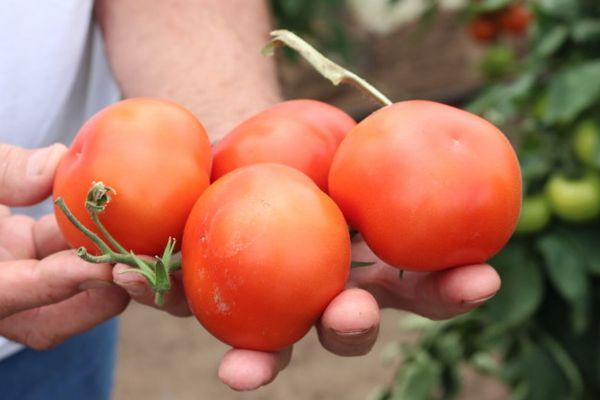
The fruits are versatile in culinary terms. Consumer reviews indicate that tomatoes are eaten fresh, making delicious juices, ketchups, lecho, and salads. Tomatoes are also canned in glass jars and marinated in plastic and wooden barrels.
Take a look Also
Advantages and disadvantages of the variety
The description given by the manufacturer fully corresponds to the actual characteristics of the tomato.
Its advantages include the following qualities:
- early and almost simultaneous ripening of berries;
- high yields throughout the gardening season;
- excellent taste, culinary versatility;
- unpretentiousness to weather conditions, tolerance of direct sunlight;
- resistance to pests, fungal and infectious diseases;
- ease of growing and care.
As for the disadvantages, they can be considered more of a challenge: during the seedling growth period, a specific temperature and water regime must be maintained. The plants require support, as the weight of the fruit can cause them to bend and fall to the ground.
Features of cultivation
The seeds don't require any pre-treatment, as this has already been done at the factory. However, hardening off is essential, as the viability and productivity of the plants depend on it. Before sowing, fertile soil must be prepared. You can buy ready-made tablets or make your own mixture. It is made from humus, old manure, and peat. The seeds are planted 5-8 mm deep and lightly covered with soil. Watering is done with a sprayer to prevent the seeds from being washed away.
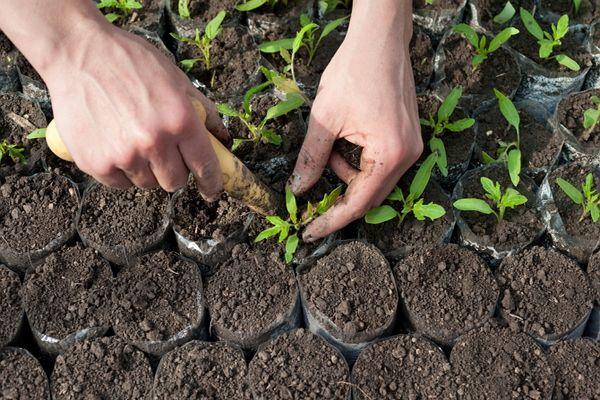
It takes 55-60 days for the seedlings to fully develop. They can be planted in a greenhouse once several primary leaves and one inflorescence have formed. Before transplanting, the seedlings should be brought outdoors. This is done first during the day, then hardened off in the evening.
The soil for the seedlings is prepared in a special way: the holes are filled with disinfected sand, ash, charcoal, and a humus mixture. The soil around the holes is treated for pests.
The seedlings are planted at a distance of 40-50 cm between bushes and 80-100 cm between beds. Staking tools should be provided immediately to avoid damaging mature plants. Fruiting begins 98-105 days after the seeds are placed in the soil.
Caring for tomatoes is simple and requires little effort. Here's how:
- weeding;
- manual collection of pests from fruits and leaves;
- periodic thinning of foliage to improve ventilation and lighting;
- regular watering with warm and settled water, preferably in the evening;
- applying fertilizers at least twice a month, alternating their types;
- Spraying plants with insecticides against birds and insects.
Following these rules and maintaining optimal humidity in the greenhouse will allow you to get fresh tomatoes as early as the beginning of summer.
Related posts:
 80 Best Eggplant Varieties for Different Regions with Descriptions and Characteristics
 Description of the best varieties of black tomatoes for open ground and greenhouses
 The best grape varieties for growing in the Urals, planting and care rules in summer
 Characteristics and description of pepper-shaped tomato varieties, yield and cultivation
 What varieties of tomatoes are best to plant in a polycarbonate greenhouse?
 Description of the 23 best pear varieties for the middle zone, planting and care rules
 Description of the best tomato varieties for open ground and greenhouses in the Krasnodar region
 The best eggplant varieties for growing in a polycarbonate greenhouse: planting and care