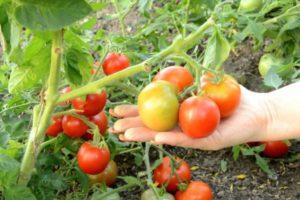
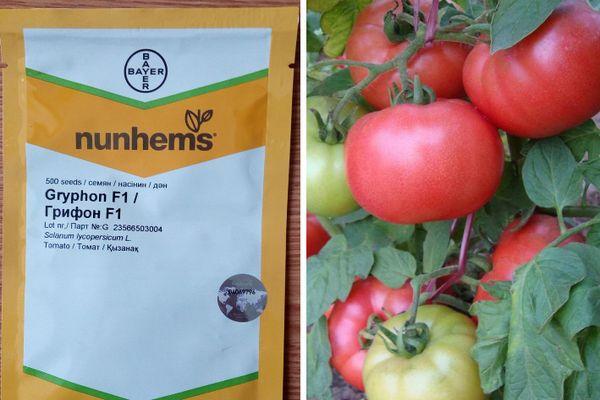
The Griffon f1 tomato, described below, was developed by breeders for greenhouse cultivation. It was registered in the Russian State Register of Hybrids in 2010. This tomato has good transportability, allowing the harvest to be transported over long distances. This variety can be stored for 10-20 days after harvest. It is recommended for fresh consumption and salads.
Briefly about the plant being described
The characteristics of the Griffin variety are as follows:
- This tomato is an early-ripening variety. From planting the seedlings to harvest, it takes no more than 60 days. When sown directly into the ground, the first fruits can take up to 90-110 days.
- The plant's trunk is robust, with few internodes; it can quickly recover from damage. This type of tomato has a strong, well-developed root system.
- The bush reaches a height of 1.2–1.5 m. It requires removal of side shoots and tying to supports.
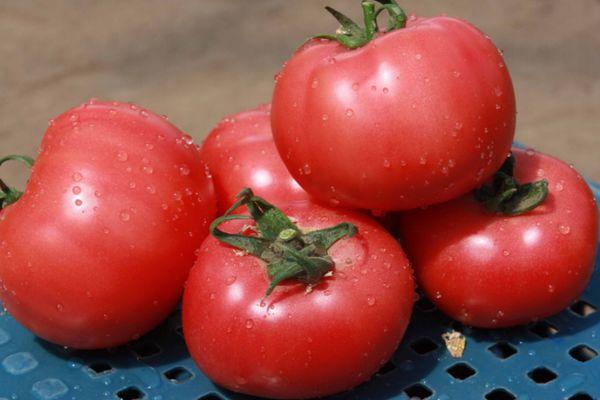
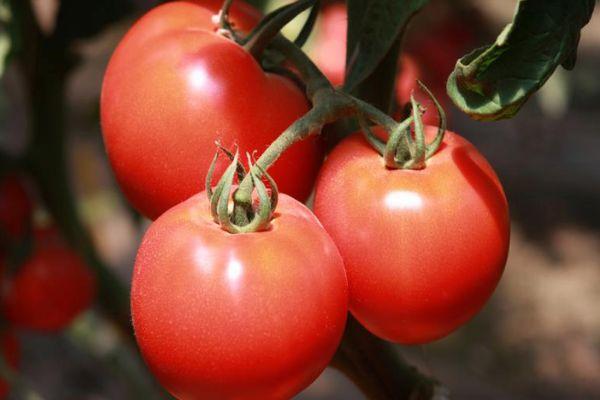
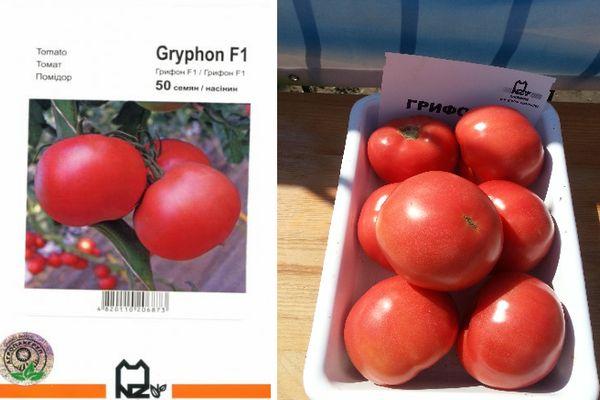
- The fruit is pink. It sets fruit well even in poor climate conditions. The average weight of a single tomato ranges from 200 to 250 g.
- The shape of the fruit resembles a slightly flattened sphere.
- The tomatoes have no colored spots near the stem. Their flesh is quite dense, with six or more seed chambers.
Farmer reviews indicate that this plant is best grown in plastic greenhouses with spring and fall rotations. This tomato variety is undemanding regarding growing conditions, but it's best not to experiment with this aspect of the plant, as you could lose the entire harvest.
Gardeners point out the variety's good resistance to diseases such as verticillium wilt, tobacco mosaic virus, and fusarium.
The plant grows well in any soil and under a variety of light conditions. Fruits appear almost simultaneously, allowing for a quick harvest.
Growing the described tomato
This variety is a hybrid, so independently obtaining viable seeds is difficult. Gardeners who want to grow this plant will need to purchase seeds from a specialist store.
After purchasing, all seeds should be treated with potassium permanganate or aloe juice. This will protect the plant from fungal diseases and improve its immunity. The seeds are then sown in soil pre-fertilized with manure, peat, or nitrogen fertilizer. Although this plant can grow in poor soil, it is better to plant seedlings in well-fertilized soil. In soils with low levels of mineral fertilizer, yield losses can reach up to 50%.
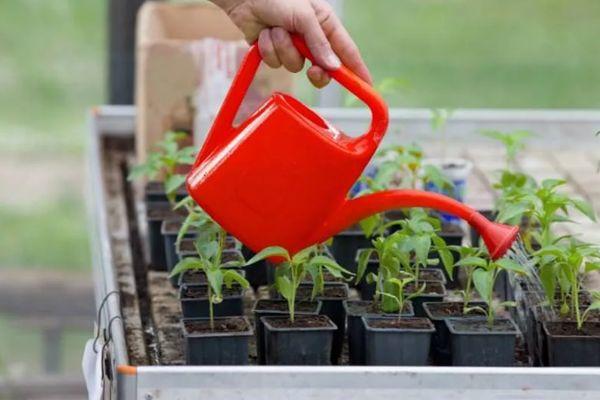
When the first leaves appear on the sprouts, they are pricked out.
Plant the seedlings so that there are 2-3 plants per square meter. If planted too densely, the bushes will shade each other, resulting in a loss of approximately 30% of the yield.
Water late in the evening with warm water. The amount of liquid should be adjusted so that excess moisture does not accumulate under the stems.
Tomatoes should be fertilized again when fruit sets. This is done using complex mixtures containing phosphorus and potassium. Weeding and loosening the soil should be done regularly. This supports the plant's immunity and enables it to resist viral infections.
Tomato plant leaves should be treated with special solutions to prevent the development of late blight. Fitosporin is a good product for this purpose.
If garden pests (such as Colorado potato beetles, aphids, or caterpillars) have infested tomato leaves, it's recommended to kill them with chemical solutions, which can be purchased at the store. If these solutions aren't available, you can use traditional methods to kill harmful insects.
Related posts:
 The best eggplant varieties for growing in a polycarbonate greenhouse: planting and care
 Planting and caring for arugula in open ground, description of the best varieties and their cultivation
 Description and rules for growing Solaris grapes
 Rules for growing tomatoes in open ground, choosing a variety, planting and care
 Methods for planting and propagating cherries at home
 How to prune grapes step by step for beginners
 The benefits and contraindications of lentils for the human body
 Growing and caring for hazelnuts in open ground, rules for planting hazelnuts