
Sweet tomato lovers will love this Chinese tomato Pink. This variety belongs to the group of pink-fruited tomatoes, which are characterized by excellent taste.
Plant characteristics
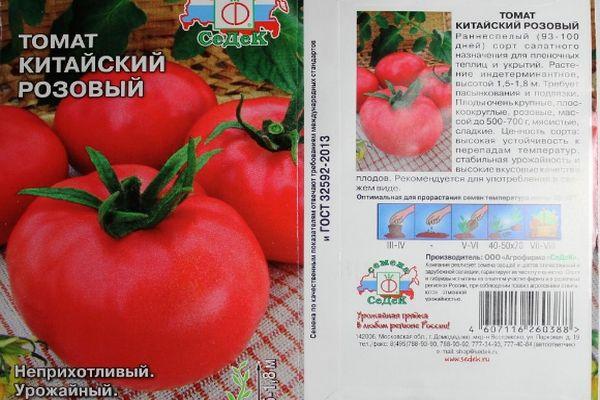
The bush is semi-determinate, with the main stem capable of unlimited growth, reaching a height of 1.5–2 m. The plant is vigorous and well-foliated, with well-developed branching. When growing, it is recommended to train the tomato into two stems for a higher yield per unit area.
Chinese Pink tomatoes need to be tied to a support. To prevent the bush from becoming too dense, it is necessary to pinch off the side shoots. When tomatoes are trained into 1-2 stems and tied to a support, remove the lower leaves as the flower clusters develop. This will ensure that nutrients reach the fruits, resulting in better fruit development and faster ripening.
Chinese Pink is considered an early-ripening variety. The first fruits can be obtained approximately 100 days after sowing the seeds for seedlings. When grown indoors, fresh tomatoes can be harvested as early as mid- to late June.
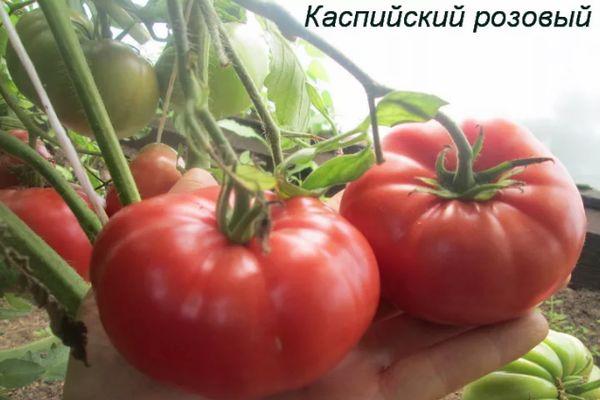
The Chinese Pink tomato variety is suitable for outdoor cultivation in central Russia and in the more challenging conditions of the Urals and Siberia. This characteristic is based on the plant's tolerance to temperature fluctuations and high resistance to fungal diseases. Even in unfavorable growing conditions, gardeners can reap a good harvest. Tomatoes can be harvested unripe, as they ripen well in a warm room.
This variety is highly productive. A single bush can yield up to 10 kg of fruit per season. The tomatoes set fruit and grow throughout the summer, right up until the first frost.
Specific characteristics of the fruit variety
The Chinese Pink tomato is a large-fruited variety. The average fruit weight is 400-500 g, but the lower clusters can produce truly giant tomatoes weighing up to 700-800 g. The variety description describes the fruit as round, with slight ribbing near the stem.


The skin and flesh are a deep pink. When grown outdoors, a greenish spot may develop around the stem. In a well-heated and well-lit area, as well as in a greenhouse, tomatoes are usually uniformly colored.
The variety's primary use is as a salad crop. Chinese Pink tomatoes have tender flesh and thin skin. In years with excessive rainfall, the tomatoes may crack, which adversely affects ripening. However, under favorable conditions or in a greenhouse, the entire harvest can be preserved.
A drawback of this variety is the poor shelf life of ripe tomatoes. Therefore, after harvesting, the crop must be processed quickly. Thanks to their sweet taste and high sugar content, Chinese pink tomatoes can be used to make excellent sauces, juices, and lecho. Children especially enjoy fresh tomatoes.
Whole Chinese Pink tomatoes should not be preserved. Even small tomatoes from the latest harvest can burst and fall apart during pickling or salting. However, fleshy tomatoes are excellent for canned salads. To ensure the slices or rounds retain their shape, choose firm, not-quite-ripe tomatoes.
Growing requirements
Sow the seeds at least two months before planting them in their permanent location. In this case, the first harvest can be expected approximately 30 days after planting the tomatoes in the ground or greenhouse.
Sowing is carried out using standard technology:
- Spread the seeds over the surface of the soil.
- Cover them with a thin layer of soil (no more than 0.5 cm).
- Cover the container with glass or film and leave in a warm place until the seeds germinate.
Picking according to the 7x7 cm pattern is done after 2-3 true leaves have formed on the plant.
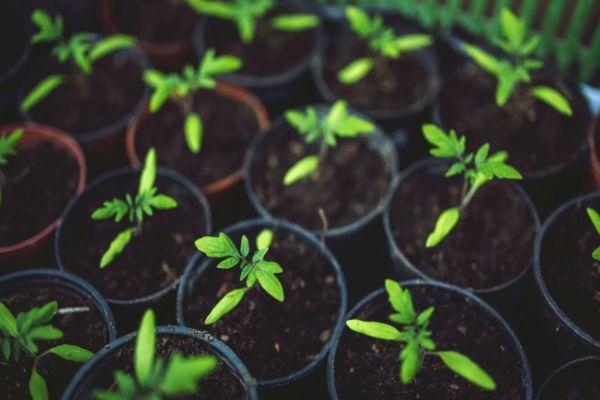
To ensure good plant growth, apply a mineral complex fertilizer for tomatoes after planting. Repeat the application every two weeks and twice more throughout the season.
Tomatoes should be watered especially carefully. They can tolerate slightly dry soil, so they don't need frequent watering. Large-fruited and sweet varieties, including Chinese Pink, may suffer from a loss of flavor due to excess soil moisture.
Reviews from many gardeners indicate that when grown in a rainy summer, tomatoes become watery. To avoid this, watering is done when the soil dries out to a depth of about 4 cm.
Take a look Also

To grow large tomatoes, remove some of the ovaries from the cluster, closer to its top. No more than five fruits should be left on the branch. This method produces beautiful, large tomatoes weighing up to 800 g each.
Related posts:
 Description and characteristics of the Chinese Snake cucumber variety, cultivation and care
 Description and characteristics of Chinese tomato varieties, yield and cultivation
 Description and cultivation of Chinese garlic, cultivation and care
 Description of the best varieties of black tomatoes for open ground and greenhouses
 Description of the best varieties of Chinese cucumbers, planting, growing and care
 Description and characteristics of the Pink Giant tomato variety, yield and cultivation
 Description and characteristics of the Pink Elephant tomato variety, yield and cultivation
 Description of the Pink Souvenir tomato variety, cultivation and care features