
Tomatoes are a fairly common crop, offering consumers a wide selection of varieties with varying ripening times, fruit color, and weight. The Volgogradsky Skorospel'nyy 323 tomato is very popular with gardeners, and its many positive qualities have long earned it a leading position in the market.
Description of the variety
Based on its ripening time, this variety is early-ripening, with the first fruits harvested in 100-110 days. It is suitable for growing in a greenhouse or outdoors. The bushes are compact, do not take up much space, and are suitable for dense planting. Volgogradets tomatoes are suitable for beginning gardeners, as they are easy to care for.
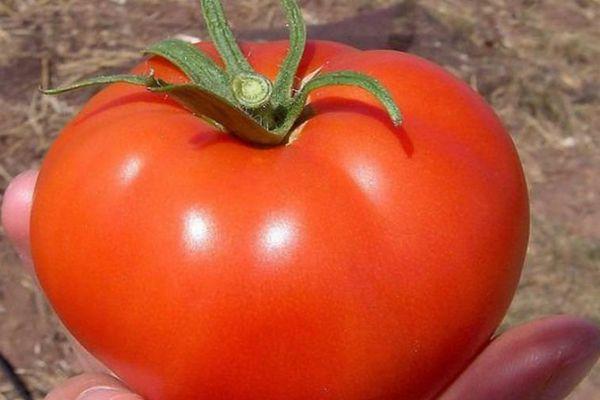
Description:
- variety - early;
- type - determinant;
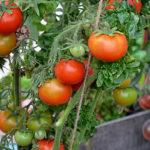
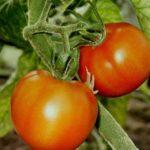
- fruits are round, slightly flattened;
- fruit weight - 80-100 g;
- plant height - 18-45 cm;
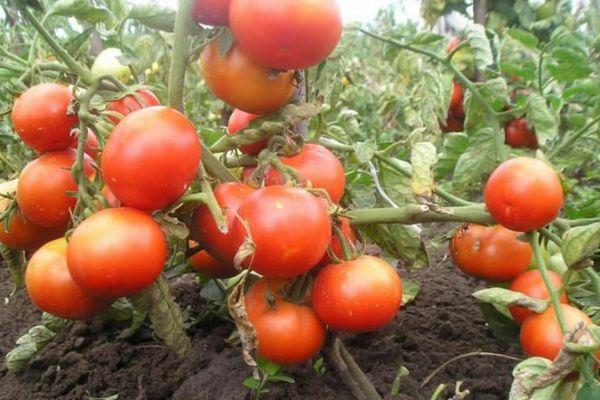
- there are 5-9 fruits in a brush;
- yield - up to 5 kg from one bush.
The plants have a well-developed root system; the bushes don't penetrate deeply into the soil, but they grow vigorously. The leaves are medium-sized, dark green, and wrinkled.
Tomatoes are low-growing and do not require staking.
Varieties of the variety include pink Volgograd tomatoes, the ripening period of which is observed as early as the 85th-90th day.
Growing
A good harvest requires proper soil preparation and subsequent care. However, the Volgogradsky 323 tomato variety is quite easy to grow, making it a good choice for beginning gardeners and those who don't have frequent access to their garden.
This tomato variety grows in any soil, but prefers loamy and sandy soils. It's best grown in areas previously planted with cucumbers, carrots, cabbage, zucchini, and legumes.
Seedling beds are prepared in the fall. The soil is dug over, then humus and mineral additives are added. In the spring, when the snow has melted, the soil is harrowed and fertilized with ammonium nitrate.
If planting is done in a partially heated greenhouse, seeds are sown in February. In plastic greenhouses, planting is done in late March. The seedlings will then be ready by May.
The seeds are planted at a depth of 1.5 cm, with a distance of 2 cm between furrows. The soil is then watered and covered with plastic wrap until the first shoots appear.
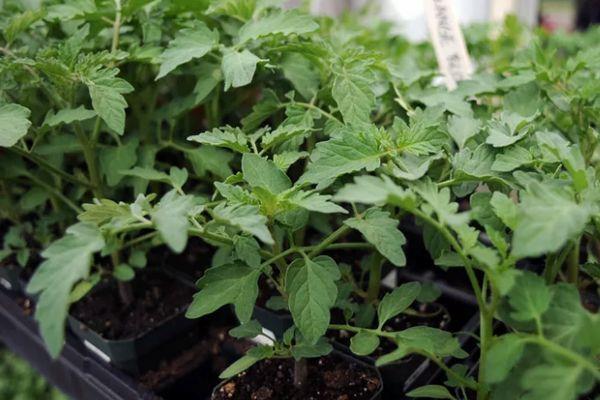
After several true leaves emerge, the plant is transplanted into individual cups or boxes. This process strengthens the root system. It's important to maintain an optimal ambient temperature of 16°C at night and 22°C to 23°C during the day. This plant thrives on heat, so it requires ample sunlight and avoids drafts.
Planting in a permanent location is carried out after the danger of night frost has passed. To stimulate foliar growth during the first phase of development, the plant requires nitrogen fertilizers. Once flowering and fruiting begin, tomatoes require phosphorus and potassium fertilizers.
Seedlings are planted 60 days after germination. Space the seedlings 40 cm apart, and the holes should be wide and deep. The plants are buried to the level of their true leaves, preferably leaving a depression around them to allow for easy watering.
Care Features
The plant is easy to care for, but to obtain a stable and good harvest, it is important to follow some recommendations:
- Moderate watering - daily watering can cause fungal diseases, so the plant is preferably watered once every 10 days.
- If a seedling breaks, you can remove the bad roots and place the plant in a container of water for 2-3 days. After that, replant it in its permanent location.
- If there's insufficient light or the container is too small, seedlings may begin to stretch. To prevent this, transplant them to their permanent location.
Tomatoes require regular weeding and moderate loosening. Watering them daily is not recommended; once or twice every two weeks is sufficient. In hot weather, the frequency of watering should be increased accordingly. When watering the plant, avoid splashing water on the leaves. This can lead to the development of fungi and rot.
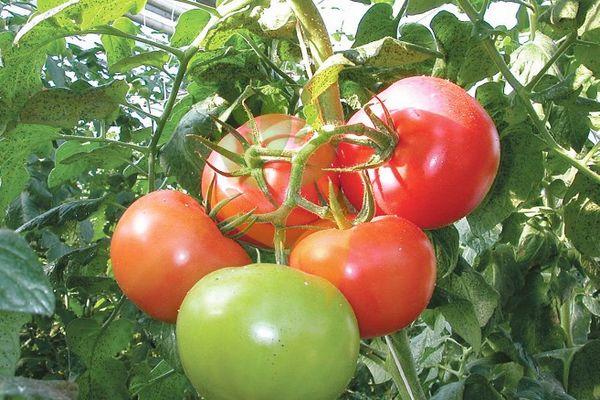
Tomatoes of this variety don't require pinching, as the plant develops properly without any unnecessary intervention. Therefore, the decision whether to pinch out the side-sons is ultimately up to the gardener.
During hot weather, bushes should be protected from the scorching sun. This can be done in the following ways:
- Cover the beds with grass leaves. Small seedlings can be covered with weed leaves, making sure to cover every root.
- Use a special material. You can use agrotex, which is placed over regular pegs.
- Use available tools. A piece of cloth or a sheet can create shade, thereby protecting the bushes from the hot sun.
Over time, tomatoes will get used to natural light, so you can safely remove all the equipment.
Advantages and disadvantages
Tomatoes are prized for their high, consistent yield and good quality. The fruits are versatile and can be eaten fresh, pickled, preserved, made into pastes, and juices.
Positive qualities:
- an early maturing variety, which allows you to harvest just 3 months after planting the seeds;
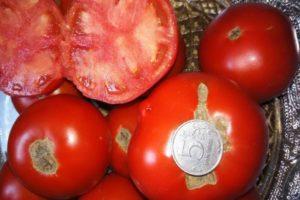
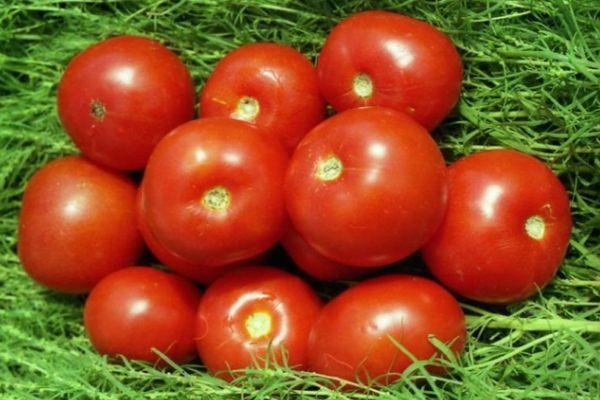
- dense, shiny skin is not prone to cracking;
- the pulp is of medium density, juicy and fleshy;
- varietal breeding, therefore the fruits are not subject to rotting, have increased resistance to diseases and fungi;
- Excellent presentation, the fruits are identical and ripen almost simultaneously.
Tomatoes taste sweet, with a pleasant slight sourness, and contain many vitamins.
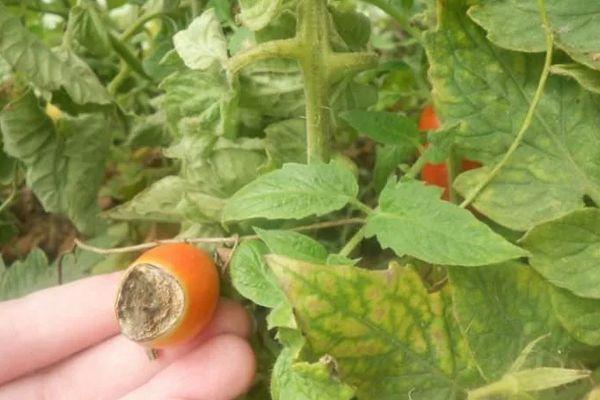
Gardeners note that the plant's intolerance to hot weather is a drawback. If measures are not taken to protect the bushes, the number of ovaries drops significantly, and the plant can also become diseased.
Pests and diseases
The plant seeds are pre-vaccinated against a variety of diseases. As a preventative measure, to prevent the development of diseases and fungi, the seeds are disinfected. Various chemicals are used for this purpose. A solution of potassium permanganate is also suitable.
If rot or infestation is detected, the affected areas are immediately removed and burned. To prevent whitefly and tomato mite attacks, the bushes are treated with insecticides a month before fruiting. When growing in a greenhouse, regular ventilation is important.
Harvesting and storage
Tomatoes are harvested as they ripen. You can also pick unripe, brown tomatoes, which will ripen in a bright location. It's not advisable to pick green tomatoes, as their flavor declines significantly even after ripening.
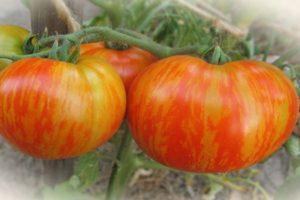
Volgograd tomatoes are ideal for growing commercially. The fruits are easy to transport and have a long shelf life. Their high dry matter content allows them to be used for further processing and various preserves.
Gardeners' reviews
Gardeners note that the variety's characteristics are accurate, which is why it enjoys such popularity. Many have repeatedly experienced the tomato's excellent qualities, praising its superb taste, high yield, and ease of care.
Reviews indicate that the seedlings always thrive, which is particularly encouraging. The taste is unrivaled, and the fruits have a shelf life of at least 40 days. This variety produces a good harvest, making it sufficient for both fresh consumption and winter preservation.
Easy care and excellent taste make this variety suitable for personal consumption or commercial use. These tomatoes have been a favorite among gardeners for many years. Volgograd tomatoes are proven and in demand, as evidenced by numerous positive reviews and recommendations from garden owners.
Related posts:
 What varieties of tomatoes are best to plant in a polycarbonate greenhouse?
 The best grape varieties for growing in the Urals, planting and care rules in summer
 Description of the best varieties of black tomatoes for open ground and greenhouses
 Which tomato varieties are best for open ground?
 The best eggplant varieties for growing in a polycarbonate greenhouse: planting and care
 Description and cultivation of the 15 best cherry plum varieties for the Moscow region, planting and care rules
 Description of the best tomato varieties for open ground in the central zone
 The best tomato varieties for growing in the Leningrad region for greenhouses and open ground
This tomato is very juicy and resistant to most diseases, so there's no need to treat it with any special products. To speed up growth, I recommend using onlyBioGrow".