The Fat Boatswain tomato is a hybrid variety developed by Siberian breeders that has quickly taken root in many gardens and dachas. This mid-season, easy-to-grow tomato grows well not only outdoors but also in greenhouses, and has good resistance to diseases common to the nightshade family.
Description of tomato
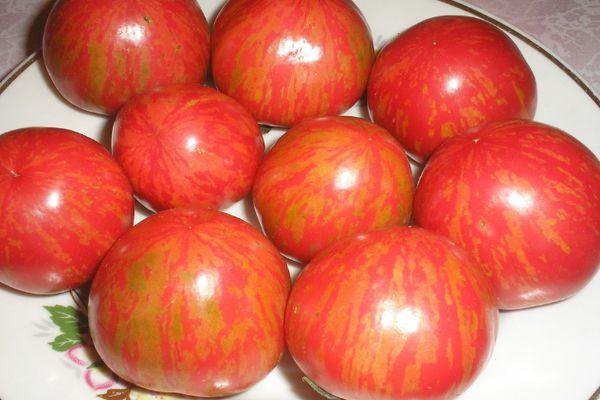
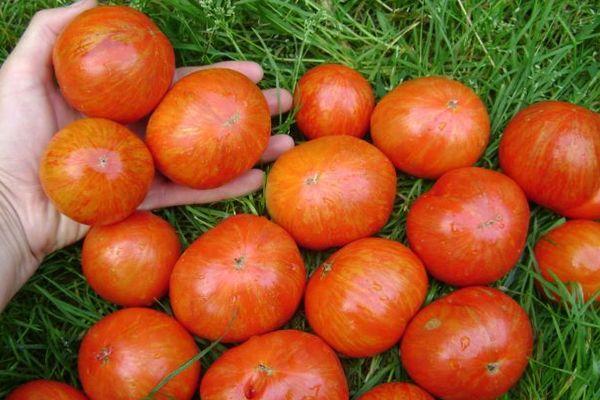
The fruits of the Fat Boatswain tomato are yellow-green when ripe. Once fully ripe, the color changes to red, with orange or golden veins. The bushes of this variety have strong stems, but they are not strong enough to support the weight of the ripening fruits. Therefore, they require support during the developmental stage.
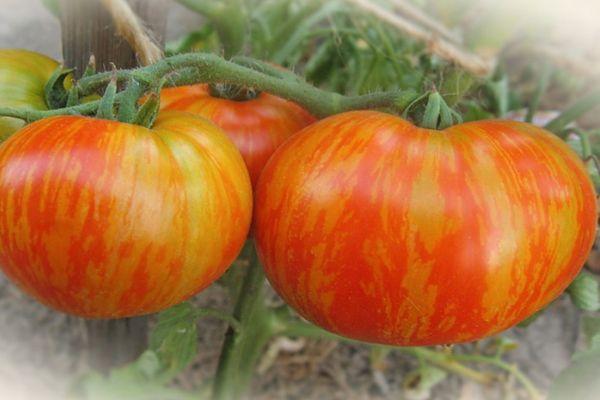
The leaves are medium-sized and green. Mature fruits are round with a smooth surface, weighing 150-180 g. Ripening occurs 60-75 days after planting the seedlings in open ground. Harvesting can be done once a week, and fallen green fruits ripen perfectly at room temperature. This variety has a sweet and sour flavor and is ideal for salads and canning.
Characteristics of fruits
The main advantages of this tomato include:
- Unpretentiousness to weather conditions, since the tomato ripens well even in cloudy weather.
- Resistance to diseases that affect other tomato varieties.
- High quality fruits.
- Good yield.
The Fat Boatswain tomato's shortcomings are minimal, as breeders have focused on incorporating only the positive qualities of other varieties. Most gardeners have positive reviews of the Fat Boatswain tomato, making it a top choice for many vegetable growers.
Growing tomatoes from seeds
To ensure a good harvest at the end of the season, you need to prepare seeds that will grow into vigorous seedlings. March is considered the best time to plant seeds.

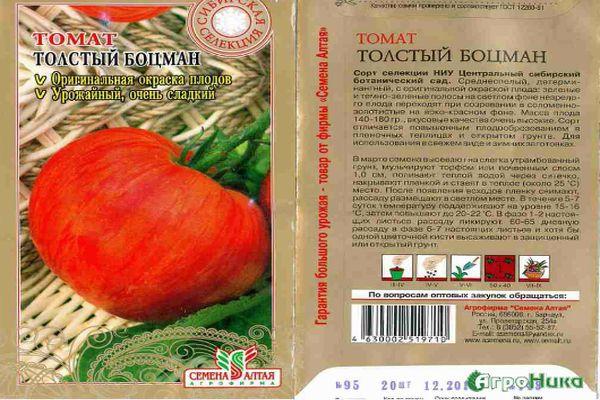
Before planting, treat the seeds with a weak solution of potassium permanganate. This will reduce the risk of diseases to which tomatoes are prone. Afterwards, rinse the seeds in warm water, place them on a damp cloth, and place them in a warm place.
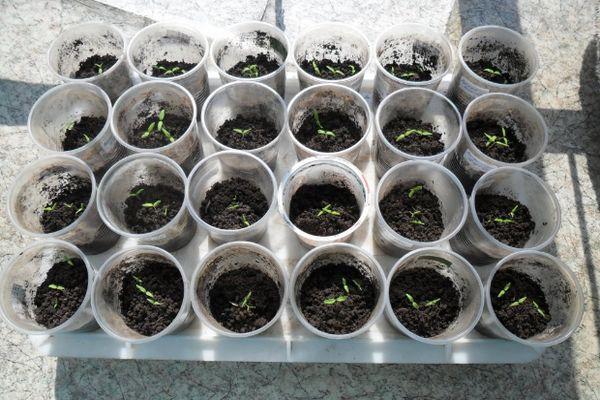
The seeds will remain there until the first sprouts appear. The soil for planting seedlings should be lightly compacted and mulched with peat or a layer of soil. The thickness of this layer should not exceed 1-2 cm.
After planting the seeds, the soil should be watered, covered with film and placed in a room with a temperature of up to +20…+25°C.
When the first shoots appear, remove the film and place the container in a well-lit area. After a few leaves emerge, the seedlings should be pricked out. They can be transplanted into open ground 60-70 days after sowing, when the seedlings have 5-7 leaves and one flower bud.
Transplanting seedlings into open ground
Preparing a plot for tomato planting should begin in the fall. It's best to choose a site where onions, radishes, cabbage, and other plants grow whose roots don't penetrate deep into the soil and deplete it.
In early spring, it is advisable to dig up the area where you will plant tomatoes and add fertilizer, such as superphosphate, ammonium nitrate, ammonium sulfate, or complex fertilizers (the exact description and dosage are indicated on the packaging) intended for tomatoes.
The grown seedlings will turn into strong bushes, which must be tied up, since when the fruit ripens, not every plant will be able to support the weight of the future harvest.
Related posts:
 80 Best Eggplant Varieties for Different Regions with Descriptions and Characteristics
 Description of the best varieties of black tomatoes for open ground and greenhouses
 How to properly plant peas in a greenhouse and open ground
 How to propagate and grow peas, cultivation technology, and care in open ground
 The best eggplant varieties for growing in a polycarbonate greenhouse: planting and care
 When and how to properly transplant tomato seedlings, the best days in 2025
 Description of the best, most productive and new varieties of cucumbers for 2025
 Description of varieties of sowing peas and cultivation, to which family they belong