
Developed by Russian geneticists, the Vazha Persona F1 tomato is designed for growing in high-humidity and unstable weather conditions. This variety is most popular in the Far East, where it has been officially registered.
Consumer reviews and gardeners' descriptions clearly indicate the high commercial quality of these tomatoes, their good yield, and the hardiness and viability of the plants. The plants produce equally well in greenhouses and open ground. They withstand cold cyclones and prolonged heat waves without significant damage.
Main characteristics of the variety
The bush's height is limited to 100-110 cm, and in greenhouses it can reach up to 150 cm. On the one hand, this is convenient for harvesting tomatoes, as you don't have to constantly bend over. On the other hand, growing tomatoes requires effort, time, and resources. Staking or tying the plants is essential.

The stem is strong and flexible, bending under weight and wind without breaking. The foliage is dense and dark green. The leaves are large and dense, providing excellent protection for the fruit from bright sunlight, hail, and falling debris.
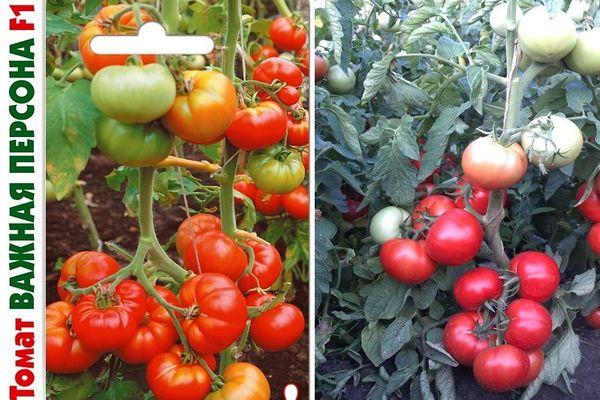
Tomatoes ripen in clusters of at least four fruits. On average, a single plant produces five clusters of five tomatoes each. The tomatoes are round, slightly flattened, with a slightly ribbed base and no green basal area. The skin is dense, matte, and red. The average fruit weight is 150 grams, but when grown in a greenhouse, some tomatoes can reach 200 grams.
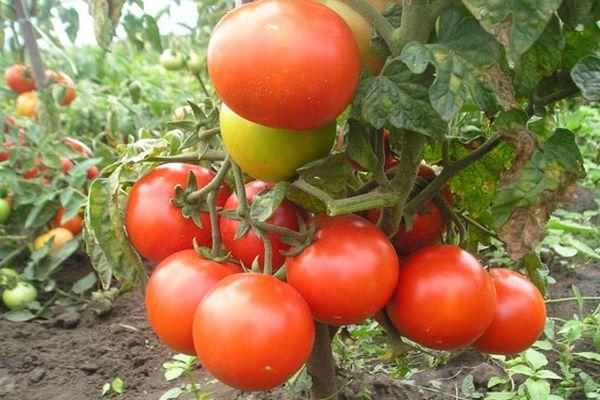
Thanks to its high dry matter content, the pulp breaks easily, without being too crushed or spattering. Gourmets have praised the flavor of the Vazha Persona tomato, noting its spicy aroma and distinctly sweet tomato flavor.
The variety's high yield is noteworthy. Under cover and with proper care, it can yield up to 28 kg per square meter. Ripening occurs evenly, significantly simplifying the gardener's work.
The versatile tomato is a major player. Its small size makes it convenient for slicing and salads. Tomatoes are canned in jars and barrels. Green and red tomatoes are equally successful. They make delicious juice, ketchup, and a variety of condiments. Ripe tomatoes withstand long-distance transportation and storage well.
Pros and cons of the variety
Farmers and gardeners note the high resistance of the Important Person tomato to almost all infectious and fungal diseases.
If the plant is grown properly, regularly watered and fed, it will successfully resist viruses:
- root and apical rot;
- bacterial spot;
- tobacco mosaic;
- Alternaria;
- fusarium;
- late blight.
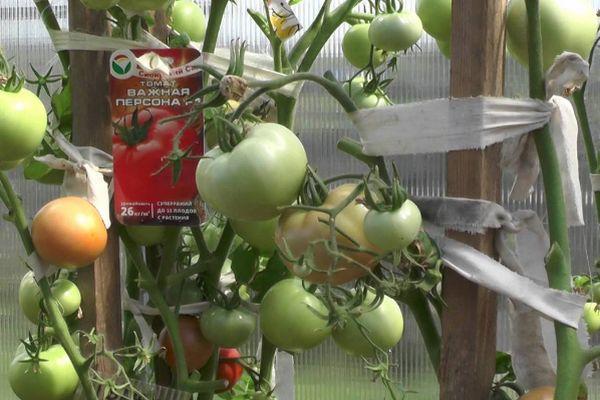
The variety's advantages don't end there. Gardeners have noted its excellent resistance to weather changes, sudden temperature and humidity fluctuations. They are especially pleased with the abundant harvest, which can be harvested throughout the summer and into the fall. Green and ripe tomatoes are also valued for their ability to retain their marketable quality for up to six months. To achieve this, they should be stored in dark, cool, well-ventilated areas.
Seedling preparation and care
The Vazha Persona F1 tomato variety is a low-temperature-resistant crop. Seeds can be sown in containers as early as the third week of March. A long-term weather forecast should be consulted. The soil in the containers should be made as fertile as possible by adding organic matter. Before planting, treat the seeds with an antiseptic.
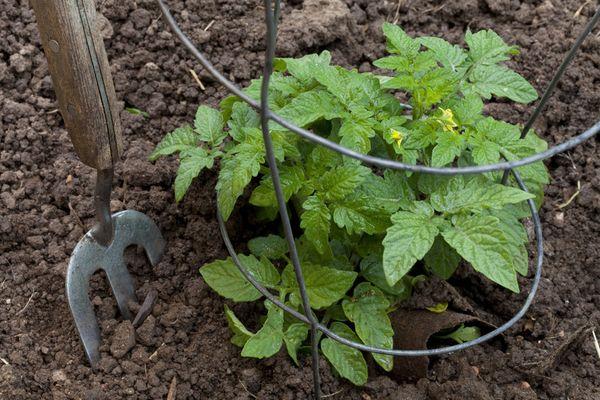
They are placed in small holes and covered with a layer of soil up to 1 cm thick. Watering is done with a spray bottle to ensure even distribution of moisture. Hardening off the seedlings should begin as soon as the first shoots appear. Each session should last no more than 2 hours. Before this, plants should not be watered.
The seedlings are ready for planting two months after sowing. They are planted in the ground in a 40x50 cm pattern, with 100 cm between rows.
The first fruits appear after a month. Caring for the plants is quite simple. They need to be watered regularly, increasing the amount during hot weather. To reduce water consumption and reduce maintenance time, it's advisable to install a drip irrigation system. For manual watering, apply water with a watering can at the roots.

Throughout the fruiting season, tomatoes require periodic feeding, alternating between organic, chemical, and combined fertilizers. According to agricultural practices, the soil should be loosened and mulched, and insecticides should be applied.
Related posts:
 Description of the best varieties of black tomatoes for open ground and greenhouses
 TOP 17 recipes for pickled sweet tomatoes for the winter
 Recipes for amazing tomatoes in jelly for the winter, with and without sterilization, you'll lick your fingers
 11 Best Recipes for Preserving Tomato Slices for Winter
 What varieties of tomatoes are best to plant in a polycarbonate greenhouse?
 The 14 Best Tomato and Aspirin Recipes for a 3-liter Jar for the Winter
 Delicious recipes for canned tomatoes with honey for the winter, preparation steps
 Description of the Velika grape variety, cultivation and care tips