
The early-ripening, compact, and aromatic Boni MM tomato is a favorite among Russian gardeners. It is grown outdoors in regions with warm or temperate climates. In northern regions, it is planted in greenhouses and under plastic covers. This successful domestically bred variety was included in the State Register in 2001. Some catalogs offer the tomato under the name Boni M.
Description of the variety
Boni MM tomatoes are determinate and grow to a height of 50–60 cm, stopping growth when the first inflorescence ripens. This characteristic allows for the cultivation of bushes between tall tomato varieties. The standard, upright plant forms strong stems with numerous corrugated, dark green leaves that do not separate the inflorescences.
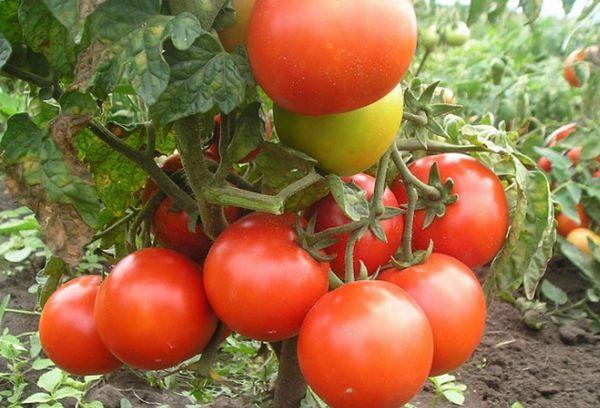
The articulated stalk produces red, flat-round, slightly ribbed fruits weighing 50–70 g, but can reach up to 100 g. The juicy, fleshy tomatoes have a distinctive, pure tomato flavor. One bush yields up to 2 kg, and a square meter of planting yields up to 7 kg.
Thanks to their elastic skin and dense pulp structure, picked tomatoes can be stored for some time and transported without damage.
Growing
Sowing of Boni MM tomatoes is carried out in March, the date varies depending on the climatic conditions of the growing region.
It's time to transplant seedlings when the first leaves appear. During this process, pinch off the central root to encourage the formation of lateral shoots. To prevent infection, it's recommended to use a powdered rooting stimulator, which will improve seedling survival.
At one month of age, seedlings begin to harden off—reduce the room temperature, place them in the shade, and move them to a ventilated greenhouse or balcony. It should take 55–60 days from sowing the seeds to planting the tomatoes.
After transplantation, plants need to be provided with good lighting, moist soil and an air temperature of 16–22 degrees Celsius.


Tomatoes of this variety are grown in a sunny and wind-exposed area, in loose, permeable soils with preliminary addition of nutrients. Organic fertilizer should be added in the fall.
The bushes are planted under film at intervals of 30 cm, the distance between rows is 50 cm. There are 8-9 plants per square meter.
It is not recommended to plant Boni MM on the north side of buildings or in the shade of fruit trees.
The shortened ripening period allows for sowing seeds directly into the garden bed after the soil has warmed. The variety is also suitable for growing in containers on a loggia or balcony.
Care Features
The description of agricultural practices includes:
- Water the seedlings frequently with settled water during the first week after planting. Then, moisten the soil every 2–3 days.
- Weeding as they grow.
- Twice a month the bushes are fed with complex fertilizers or herbal infusions, after which the soil surface is loosened.
- Mulching to retain moisture and protect fruits from contamination at the beginning of tomato growth.
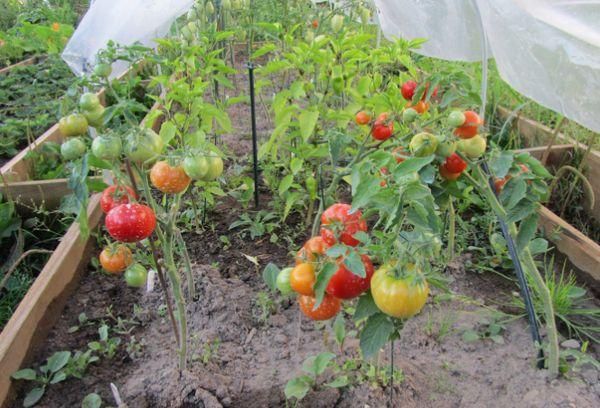
The yield of Boni MM will increase if you follow the advice of experienced vegetable growers:
- Heavy watering at the beginning of cultivation is accompanied by hilling. This technique stimulates the formation of new roots, strengthening the young plant.
- To prevent rotting of drooping brushes, the soil is covered with a thick layer of mulch.
- Removing leaves from the lower part of the trunk improves air flow to the roots and increases the supply of nutrients to the fruits.
- In order to obtain a larger quantity of tomatoes, and earlier than the stated period, the stem is split and a wooden stick is inserted into the resulting hole.
- The weight of the fruit will increase if the lower, small tomatoes are removed.
Advantages and disadvantages
The Boni MM tomato variety deserves the attention of a wide range of gardeners due to its many advantages:
- Ultra-early ripening. The first fruits are ready for consumption 85 days after germination.
- There is no need for pinching or staking. The exception is if the plant is overloaded with fruit.
- Resistance to temperature changes.
- Ripening is uniform. Plantings yield fruit within two weeks.
- Possibility of growing tomatoes in open ground.
- Easy to care for.
- Resistance to fungal diseases even in rainy weather.
- Marketable appearance and transportability.
Some of the disadvantages of the Boni MM variety include:
- negative attitude towards greenhouse conditions;
- Demanding of soil composition, intolerance to high acidity.
Pests and diseases
The Boni MM tomato variety's resistance to common diseases is explained by its early maturity. Pest season occurs later.
However, even a strong immune system can't always protect plants from disease. Slugs can damage tomato plants. Sometimes, mole crickets, caterpillars, butterflies, spider mites, and wireworms can also attack. This problem can be solved by preventatively treating the soil with special preparations.
Harvesting and storage
Growing Boni MM tomatoes is only half the battle; the key is to properly manage these early fruits. The seed producer markets these tomatoes as salad tomatoes, but consumers note their universal use.
In addition to fresh vegetable salads, soup dressings, and pizza, ripe and green tomatoes are pickled and preserved for the winter. They are especially good in all kinds of sauces and tomato juice.
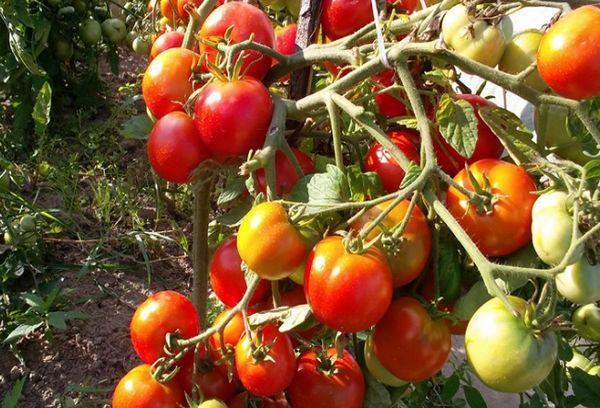
The fruits of this vegetable are tasty and nutritious: they contain minerals, vitamins, and acids. Traditional medicine recommends using Boni MM tomatoes to treat purulent wounds due to the presence of glycoalkaloids, an antibiotic.
If you choose the Boni MM tomato variety, you'll get a harvest of delicious tomatoes without much hassle. Its extremely early ripening period will appeal to farmers and anyone growing vegetables for commercial use.
Gardeners' reviews
Some reviews from those who planted Boni MM tomatoes:
Lyudmila Ivanovna:
"In southern climates, we can harvest Boni MM as early as mid-May, so I cover the bushes with plastic film. This is the third year we've had a consistent, super-early harvest from a dozen plants. To ensure larger tomatoes, I pinch off the ovaries."
Seraphim:
"I grow them in the garden beds, without cover. They're small tomatoes, but they're early and delicious. I use late varieties for preserves, eat these fresh, chop them into salads, and sometimes use them as a dressing for entrees."

Timur Noevich:
"I recommend it to those who don't have time to garden. The compact, low-growing Boni MM bush doesn't require pinching, and the fruits ripen quickly and evenly. I plant it in raised beds, covering it only when there's a risk of frost. The hot sun infuses the tomatoes with a delicious flavor."
Galya:
"The perfect variety for early fruiting. I couldn't wait for the first tomatoes until I found Boni. I've been planting them for years, and I'll keep planting them. By the start of the canning season, I already have several jars of pickled tomatoes (I was shocked by my guests at first). They're easy to care for, and use standard fertilizers."
Marina Igorevna:
"Last year, I planted Bonnie M for the first time. The bushes are low, don't need staking, and haven't had time to get sick, unlike other varieties. The tomatoes ripened first, and they were sweet. I tried to collect the seeds, but there weren't any inside. I'll have to buy some; I really liked this variety."
Related posts:
 Description of the best varieties of black tomatoes for open ground and greenhouses
 What varieties of tomatoes are best to plant in a polycarbonate greenhouse?
 Which tomato varieties are best for open ground?
 80 Best Eggplant Varieties for Different Regions with Descriptions and Characteristics
 Description and characteristics of the 60 best sea buckthorn varieties, how to choose depending on the region
 The best tomato varieties for growing in the Leningrad region for greenhouses and open ground
 Description of the 90 best varieties of beans for open ground with names
 What are standard tomatoes, description of varieties and cultivation