
- History of origin and general characteristics
- Varieties of the variety and their description
- Hybrid Tarasenko 1
- Hybrid Tarasenko 2
- Hybrid Tarasenko 3
- Hybrid Tarasenko 5
- Hybrid Tarasenko 6
- Hybrid Tarasenko 6
- Tarasenko Anniversary
- Advantages and disadvantages of tomatoes
- Resistance to diseases and pests
- How to grow a hybrid
- Choosing a container for growing
- Growing seedlings
- Transplantation into the ground
- Aftercare for Tarasenko tomatoes
- Watering and fertilizing
- Shaping and garter
- Pest and disease control
- Harvesting and storage
- Reviews from experienced gardeners
In regions where the climate is suitable for growing vegetables, landowners always plant tomatoes. The bright and beautiful fruits are eaten fresh, preserved, pickled, and used in cooking. Hybrids are resistant to adverse conditions. Tarasenko tomatoes are high-yielding, grow in greenhouses and in the field, and produce fruit right up until the first frost.
History of origin and general characteristics
Feodosiy Tarasenko, a physics teacher at a rural school, devoted his free time to growing and developing new vegetable varieties. Over the course of 30 years, this resident of the Sumy region, who had no training as an agronomist, developed approximately 50 hybrids of various crops and a whole series of Tarasenko tomatoes.
The teacher, who also worked as a vegetable grower, preferred to plant tall tomatoes and developed precisely these varieties. All these tomatoes are prized for their high yields, excellent flavor, and resistance to adverse conditions.
Varieties of the variety and their description
Feodosiy Tarasenko developed his own tomato growing technique that promotes long-term fruiting and increased productivity. Varieties bred in Ukraine thrive and delight gardeners in Karelia, Siberian gardeners, and farmers in southern Russia with their tomato harvests.
Hybrid Tarasenko 1
The first member of a series created by an amateur vegetable grower, this tomato is distinguished by its early ripening. Its bushy roots grow up to 2 meters tall. Its ribbed, creamy tomatoes boast a rich, classic color, weighing approximately 75 grams each, though larger specimens are also available. This variety was bred for greenhouse cultivation, where it delivers a high yield, but it does not tolerate temperature fluctuations and is demanding of light.
Hybrid Tarasenko 2
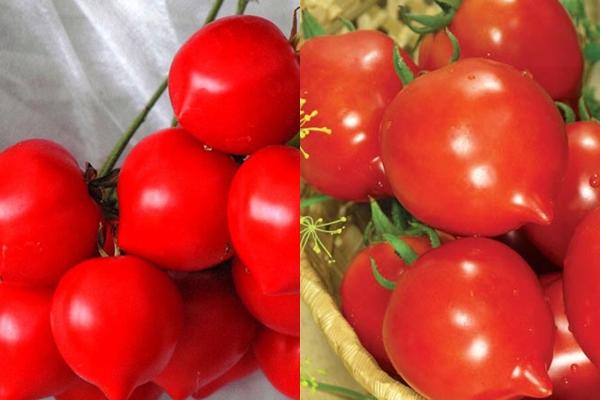
Many gardeners, having planted this tomato for a trial run, buy its seeds from kiosks every year for sowing, despite the fact that the bushes need to be tied like vines and side-shoots removed. A single plant cluster produces up to 40 tomatoes, weighing over 2 kg. The fruits are prized:
- for excellent taste;
- subtle aroma;
- original form;
- excellent keeping quality.
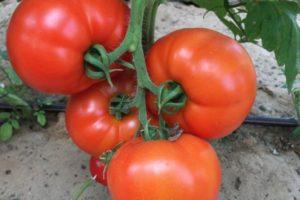
Round tomatoes have smooth skin and a cute little nose. They can be canned whole, weighing no more than 70 grams. After cooking, they don't burst and can hang on the vine for a long time without spoiling.
Hybrid Tarasenko 3
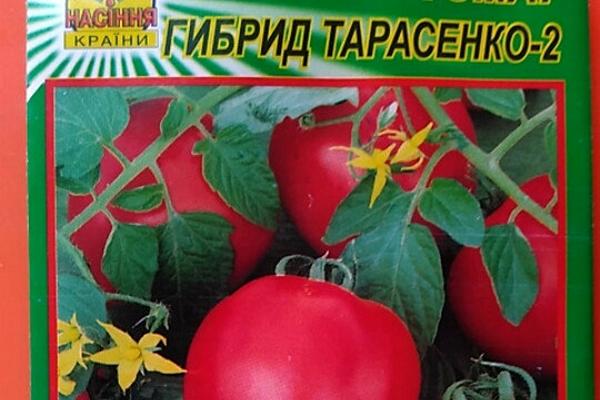
When properly trained, this tomato, which reaches a height of nearly one and a half meters, impresses with its enormous clusters containing numerous fruits weighing approximately 200 grams, ripening in the mid-season. The tomatoes have an interesting cube shape, a dense consistency, and a pulp free of air pockets. The fruits are fermented in barrels, canned, and used for juice. Even after heat treatment, they cut into even slices. The variety is immune to fungal infections and is not affected by viruses.
Hybrid Tarasenko 5
To create this mid-season tomato, Feodosiy Makarovich used the then-famous Raketa variety. Vigorous bushes, approximately 2.5 meters tall, produce clusters of beautiful, oblong tomatoes. The fruits, weighing approximately 100 grams, are harvested 108 days after planting.
Hybrid Tarasenko 6
This mid-early variety is prized for its resistance to fungal and bacterial infections and drought. In southern regions, it is grown without seedlings. The sturdy tomato plants are slightly taller than a meter, but this doesn't hinder excellent productivity. The bright red tomatoes weigh over 300 grams, have a round shape, have a long shelf life, and are undamaged during transportation.
Hybrid Tarasenko 6
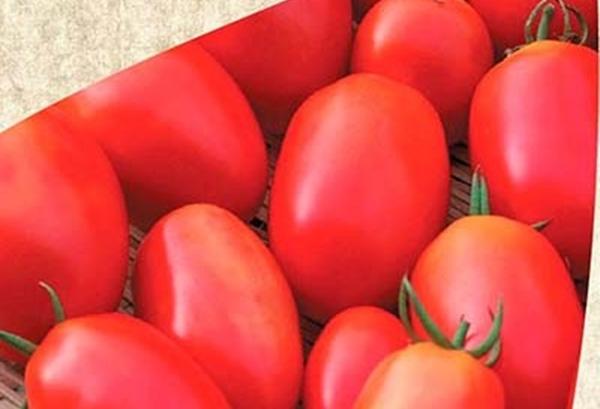
Determinate tomatoes don't grow vertically, but rather as bushes, which still need to be supported, as each cluster produces approximately 1 kg of fruit. Gardeners appreciate them for their authentic tomato flavor. They are disease-resistant and tolerate adverse conditions, producing large numbers of ovaries even in dry and hot weather. Interestingly, a single plant produces fruits of approximately the same weight, about 100 g, but varying in color and shape. Both pink and red tomatoes, elongated and round, are harvested from the same bush.
Tarasenko Anniversary
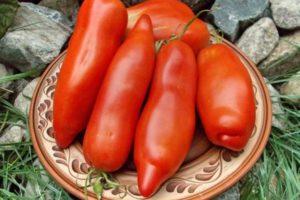
Feodosiy Makarovich began cultivating vegetable crops when he was already over 40. For his 75th birthday, he developed a unique tomato, whose powerful root grows outward rather than downward. The bush's sparsely leafy branches extend up to 3 meters. Five clusters with numerous flowers form on the main stem. A cluster of these fruits can weigh up to 5 kg. The large, heart-shaped tomatoes are prized for their juicy, sweet flesh and resistance to cracking. They ripen unevenly, ripen well indoors, and have a long shelf life.
Advantages and disadvantages of tomatoes
Amateur-created varieties have strong roots that require considerable space in a greenhouse or garden bed. Tall bushes need to be secured to a support and trained, with side shoots removed, but these shortcomings are more than offset by their advantages, which include:
- long fruiting period;
- excellent taste;
- versatility of use;
- resistance to adverse environments;
- high productivity.
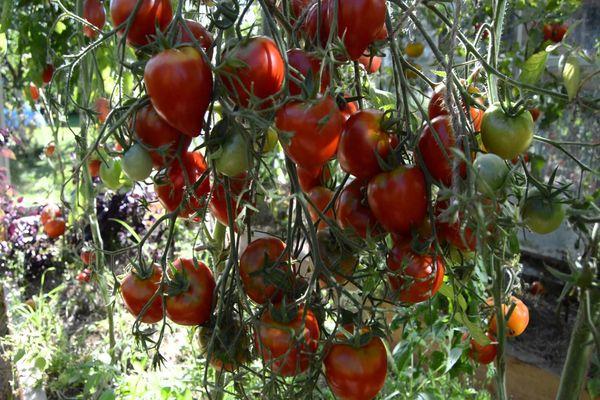
A single Tarasenko series tomato plant yields up to five buckets of tomatoes. The tomatoes have a long shelf life, are transported without damage, and remain on the vine without cracking until frost.
Resistance to diseases and pests
Gardeners who plant tomatoes in various climates have not complained about the Tarasenko series being susceptible to late blight, even though the fruits ripen late. The varieties were tested not in a laboratory, but in the field. The tomatoes created by the teacher are disease-resistant and not very attractive to pests.
How to grow a hybrid
The tomato cultivation technology developed by Feodosiy Makarovich involves the creation of a powerful root system, ensuring high productivity for all varieties.
Choosing a container for growing
The container for sowing seeds for seedlings should be quite wide. Fill it with fertile soil enriched with minerals. Tomato roots are already established at this stage of development.
Growing seedlings
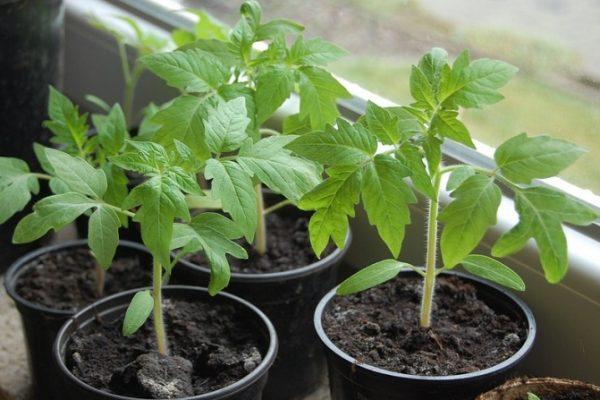
Tomato seeds are sown into the soil at a depth of 20 mm, spaced every 2 cm. After watering, the container is covered, leaving a hole for ventilation, and moved to a warm location. When the tomato plants have two leaves, they are pricked out.
Transplantation into the ground
Holes 0.5 m wide and 40 cm deep Tarasenko tomatoes The seeds are prepared in advance. They are dug in a staggered pattern. Two-month-old seedlings are spaced at intervals of one meter, leaving one and a half meters between rows. Two plants are grown in one hole.
Aftercare for Tarasenko tomatoes
To ensure tomatoes continue to grow and produce abundant fruit, they need to be properly cared for, and remember:
- Tie up.
- Pinch.
- Fertilize.
Tarasenko tomatoes require a lot of light; to prevent the bushes from becoming dark, all lower leaves are removed as soon as the fruit forms.
Watering and fertilizing
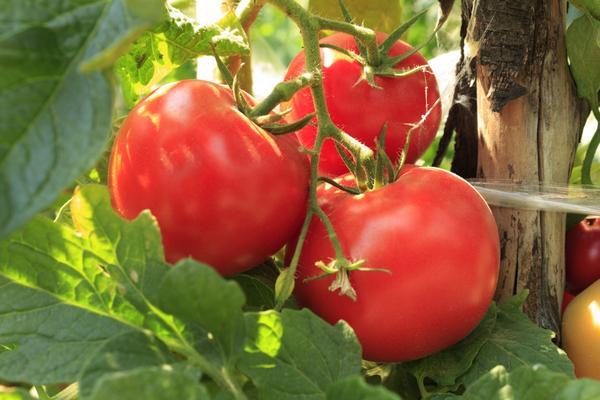
Tomatoes do not require frequent watering; the soil beneath them is thoroughly moistened only once every 10–14 days and thoroughly loosened to prevent crusting.
The bushes are fed:
- 2 weeks after transplantation;
- during ovary formation;
- before the fruits ripen.
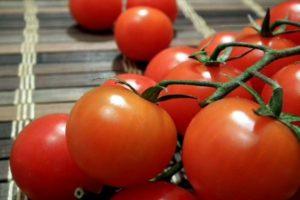
For fertilization, use organic matter and ready-made mineral tomato complexes. After applying them, pour a bucket of warm water over the soil, pull out weeds by the roots, and loosen the soil.

Shaping and garter
Tomato plants are secured to a support. To do this, stakes are driven in every 3 meters, wire is strung between them in rows, and the shoots are tied. Two tomato stems are left on the plants, and side shoots that have grown to 4 cm are removed. This should be done every 10 days, maximum.
When the height of the bush reaches 1.5 m, the top is pinched, and the brushes on which tomatoes were not formed are removed.
Pest and disease control
Feodosiy Tarasenko treated his tomatoes with Bordeaux mixture to prevent fungal and bacterial infections only when temperatures dropped and it rained. He dissolved 100 grams of lime and copper sulfate in a bucket of water.
Harvesting and storage
Most Tarasenko tomatoes ripen within three months of planting in a greenhouse or garden bed. In the fall, the fruits are picked even when not quite ripe; indoors, they ripen quickly. In a cool place, the tomatoes will not spoil until winter.
Reviews from experienced gardeners
Although about forty years have passed since Feodosiy Tarasenko created tomatoes, professional breeders have developed new varieties, and many gardeners enjoy his hybrids.
Tatyana Sergeevna, Ufa: "The Yubileiny Tarasenko tomato is truly excellent. I've been planting it in my garden since 1981, using my own seeds. Despite the thin skin, the tomatoes don't burst when pickled."
Vladimir Petrovich, Orsk: "I've been growing the Tarasenko 2 variety for five years now. I get up to two buckets of fruit per bush, and the tomatoes have never been affected by late blight, unlike other tomatoes I've planted before."
Related posts:
 Description of the best varieties of black tomatoes for open ground and greenhouses
 Description and characteristics of the Yubileiny Tarasenko tomato variety, yield
 Characteristics and description of the tomato Legend Tarasenko (multiflora)
 Which tomato varieties are best for open ground?
 16 Best Quick Pickled Tomato Recipes for the Winter
 TOP 17 recipes for pickled sweet tomatoes for the winter
 What varieties of tomatoes are best to plant in a polycarbonate greenhouse?
 15 simple recipes for pickling tomatoes in jars for the winter