
- Characteristics and description of the tomato Yubileiny Tarasenko
- Tomato yield
- Scope of application
- Resistance to diseases and pests
- Advantages and disadvantages
- Growing the variety
- Planting dates
- Selecting and preparing containers for growing
- Growing seedlings
- Transplantation into the ground
- How to care for tomatoes?
- Watering and fertilizing
- Pinching and shaping
- Diseases and pests
- Harvesting and storage
- Reviews from experienced gardeners
According to many gardeners, the Yubileiny Tarasenko tomato variety produces a consistent and abundant harvest. The fruits are prized for their excellent flavor and ease of care.
Characteristics and description of the tomato Yubileiny Tarasenko
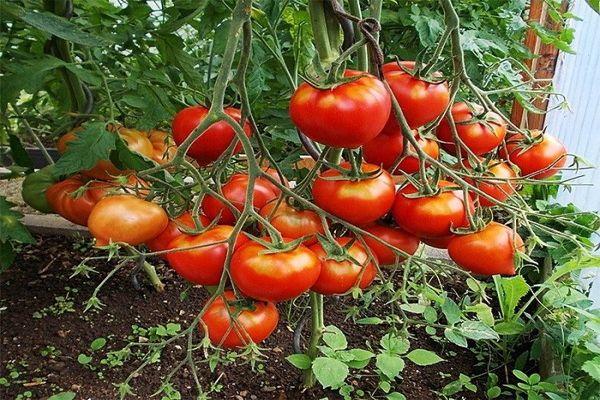
The Yubileyny Tarasenko variety was discovered through amateur breeding and inherited several characteristics from the Legend and San Morzano varieties. This variety is not officially included in the State Register of Tomatoes. Indeterminate plants reach a height of 2 meters and have a strong, robust stem. They have a moderate foliage cover, and the root system develops vigorously.
Tomato yield
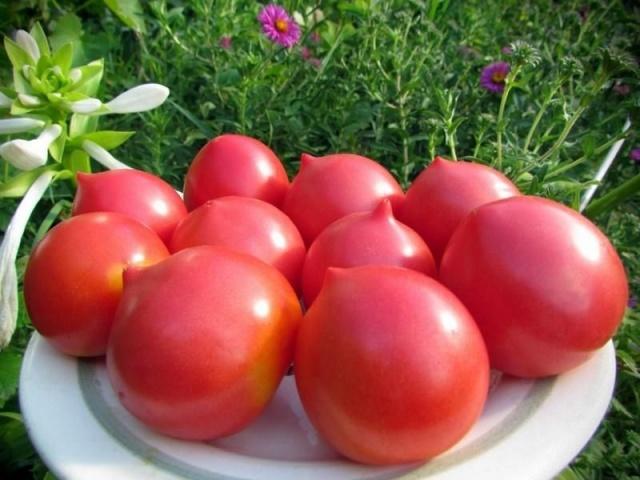
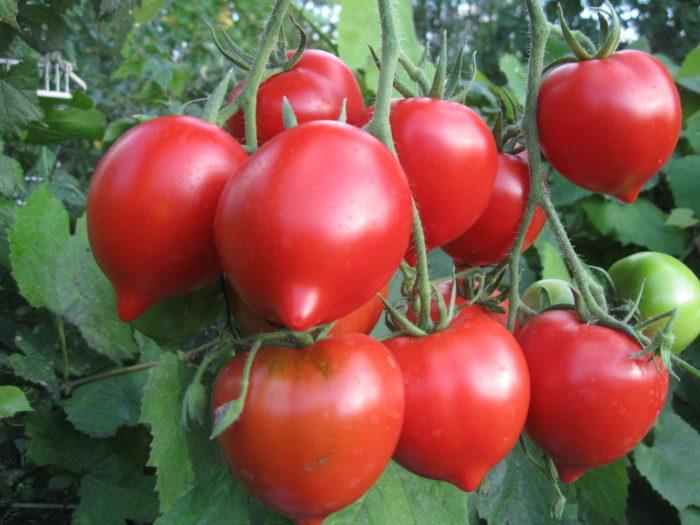
With proper agricultural practices and favorable climatic conditions, the yield per bush exceeds 8 kg. Each cluster produces up to 30 fruits. The average weight of tomatoes is 90-100 g. The vegetables on the lower clusters of plants are larger than those at the top.
Scope of application
Yubileiny Tarasenko tomatoes are considered a salad variety. Their flesh is aromatic, juicy, and highly flavorful. The harvest is suitable for fresh consumption, salads, and hot dishes. These tomatoes preserve well in canning and retain their shape when whole-fruit pickled. Due to their dense consistency, they are not recommended for juice production.
Resistance to diseases and pests
In practice, tomatoes exhibit increased resistance to late blight and brown spot. Resistance to other common diseases characteristic of the Solanaceae family is average.

Advantages and disadvantages
When choosing this variety, it's important to consider its pros and cons. Advantages include:
- consistently high yield;
- long-term storage without loss of original qualities;
- high taste characteristics;
- good transportability;
- resistance to pest damage.
The main drawback of this variety is its slow fruiting period. In most cases, the harvest must be done in several stages.
Growing the variety
Growing tomatoes requires taking into account a number of nuances and rules. To ensure a large harvest, pre-treat the seeds, select the appropriate seedling container, provide comprehensive care, and promptly transplant the seedlings into the open ground or greenhouse.
Planting dates
Seeds for seedlings are planted in mid-March to early April. Early sowing is necessary to ensure the seedlings reach the desired height by the time warm weather arrives. Seedlings typically grow in about 45-50 days.
Selecting and preparing containers for growing
You can sow seedlings in a common container with disinfected soil. The material of the container is not critical. Specialized soil with a low pH level can be purchased for planting tomatoes.
Growing seedlings
The seed material requires pre-treatment. To disinfect the seeds, place them in a cloth bag and immerse them in a weak solution of potassium permanganate for a few seconds.
If desired, you can additionally treat the seeds with preparations to stimulate development.
Plant at a depth of approximately 2 cm. Leave a 2-3 cm gap between seedlings. Immediately after sowing, water the soil surface with warm water and cover with plastic film or glass to create a greenhouse effect. The resulting moisture in the container ensures rapid and healthy growth of the seedlings. Remove the covering film once the majority of the seedlings have emerged.
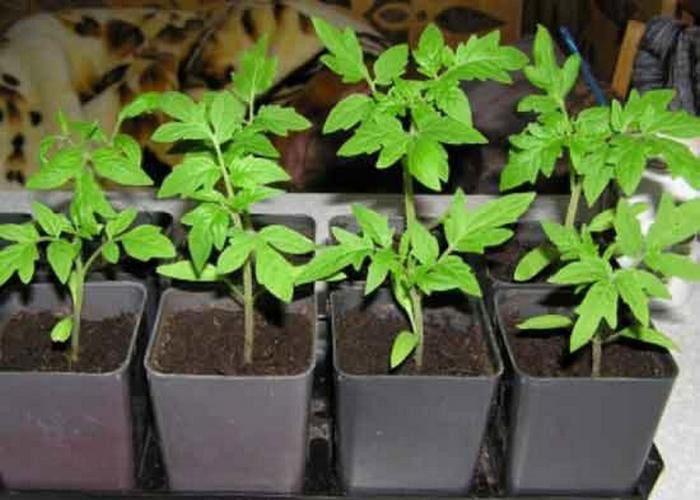
When the plants grow two leaves, they need to be moved to separate containers. This is necessary to strengthen the roots and allow them to develop freely. Containers with a capacity of 300 ml and holes in the bottom are suitable for transplanting.
Transplantation into the ground
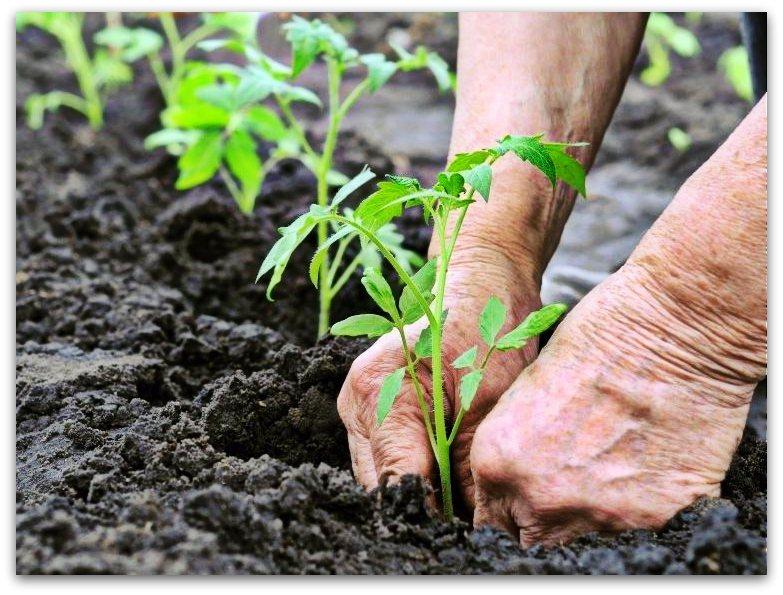
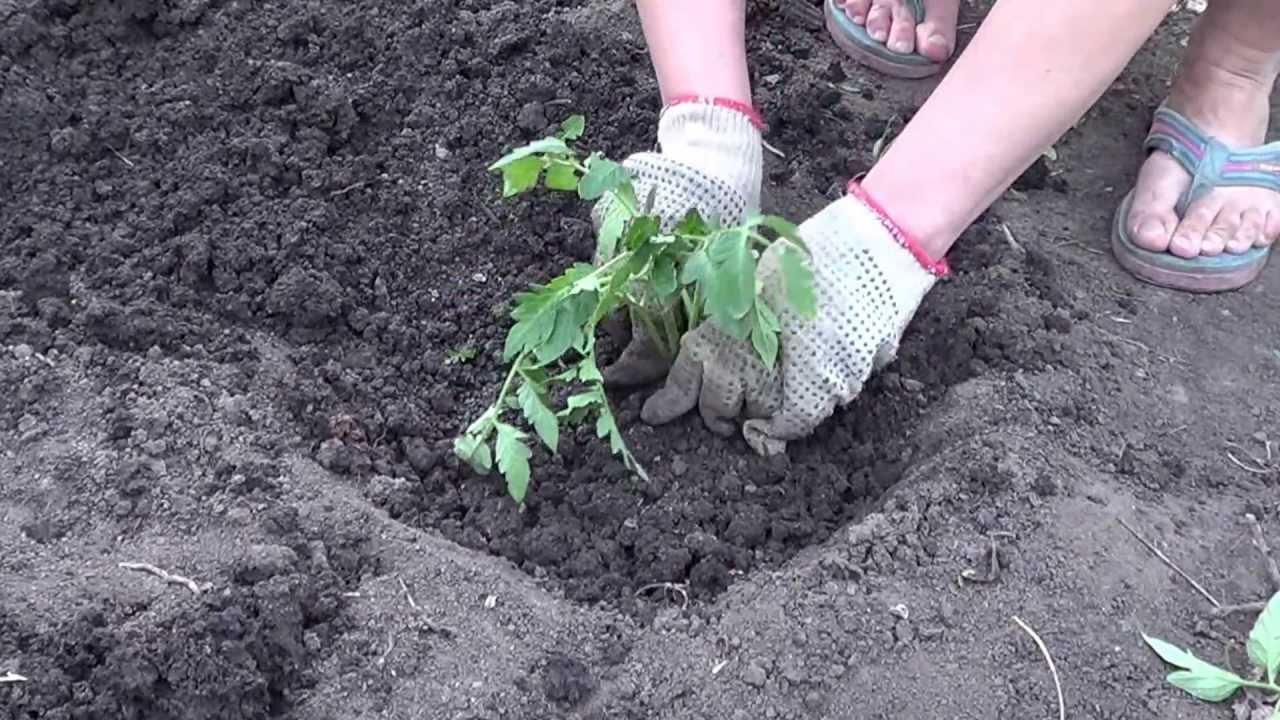
When the seedlings are about 50 days old and reach a height of at least 25 cm, they can be transplanted to their permanent location. Planting in a greenhouse is done two weeks earlier than in open ground. The soil in the beds or greenhouse is thoroughly disinfected, warmed, and enriched with nutrients high in phosphorus.
The seedlings are placed in holes dug at least 70 cm apart. The space between plants is necessary to allow for free root development. After transplanting the seedlings into the soil, water them thoroughly at the roots.
How to care for tomatoes?
To get a large harvest of the Yubileiny Tarasenko tomato variety, it's essential to provide consistent care for the plants. Standard farming practices are sufficient for this variety.
Watering and fertilizing
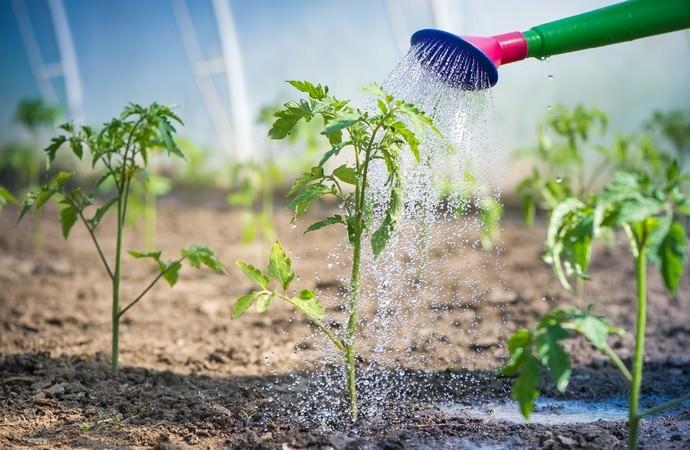
The first watering should be done immediately after planting, and then the seedlings are left for 7-10 days. Further watering is required as the soil dries out. Avoid overwatering, as too much liquid can cause root rot.
To promote active plant growth, apply fertilizer three times during the season: before transplanting the seedlings to their permanent location, during flowering, and 1-2 weeks before the planned harvest. Complex fertilizers containing nitrogen, phosphorus, and potassium are suitable for tomatoes.
Pinching and shaping
Due to the constant growth of lateral shoots, it is necessary to shape the plants and remove side shoots at least every 10 days. It is recommended to prune shoots up to 4 cm long to avoid damaging the plant. To prevent tomato stems from bending due to their height, secure them with supports.
Diseases and pests
Regular inspection of tomatoes helps detect disease or pest infestations early. Signs of damage to the fruit and green parts of the plant include dark and light spots, bruising of leaves and tomatoes, and rot. To combat infections and harmful insects, spray with fungicides and insecticides.
Harvesting and storage
Fully ripened tomatoes are carefully picked or cut from the bushes. Tomatoes ripen gradually, and harvesting takes 1-1.5 months. If you want to store the harvest for a long time, simply pack the fruit in plastic bags and refrigerate it, or place them in boxes and store them in a cool, dark place. The favorable temperature for storing the harvest is 10-12 degrees, the humidity level is 80-85%.
Reviews from experienced gardeners
Anna: "I hadn't encountered this variety before, but after reading reviews from people who had planted Yubileyny Tarasenko, I decided to give it a try. I was pleased and harvested 40 kg. A few bushes developed late blight, but treatment helped eliminate the problem."
Elena: "I've been growing this variety for several seasons now. I prefer it for its ease of care and consistent yield. The fruits don't always grow large, but they're good for canning."
Related posts:
 What is the best way to feed tomato seedlings to make them plump?
 What fertilizers and when to use for feeding tomatoes in a greenhouse
 Description and characteristics of the best indeterminate tomato varieties for greenhouses
 What is the best way to mulch tomatoes in open ground and greenhouses?
 How to choose the best tomato varieties for growing in Belarus
 What varieties of tomatoes are best to plant in a polycarbonate greenhouse?
 Description and characteristics of the best tomato varieties for outdoor cultivation in the Urals
 Description of the best tomato varieties for pickling and canning