
The Gilgal tomato is a first-generation hybrid. This variety is characterized by high yield, disease resistance, universal use, and excellent flavor.
Advantages of a hybrid
The indeterminate tomato variety Gilgal is included in the State Register of Breeding Achievements. This hybrid is suitable for cultivation under plastic covers, in greenhouses, and in open ground.
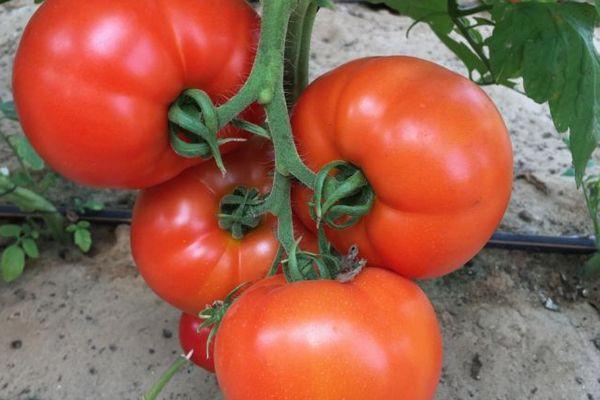
The mid-early Gilgal f1 tomato, belonging to the BIF group (large-fruited varieties), begins bearing fruit 110-115 days after germination. It is recommended to grow the plant with 1-2 stems. During the growing season, tall bushes require staking and removal of excess shoots. The leaves are medium-sized and rich green.
On vigorous plants with shortened internodes, the first inflorescence forms at the level of the 6th or 7th leaf. Subsequent flower stalks are formed at intervals of 2-3 leaves. The inflorescences are simple. Three to five fruits ripen per cluster.
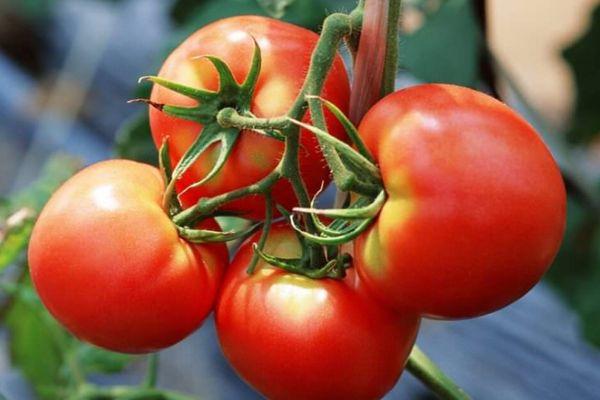
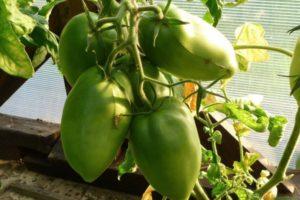
Unripe tomatoes are light green. When ripe, they turn a deep red.
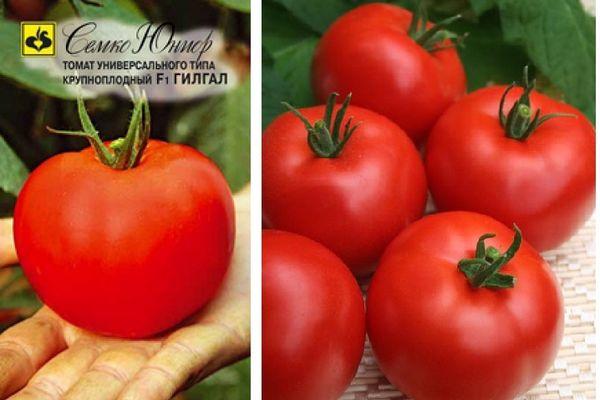
These tomatoes have dense, tender flesh and thin, flat, round skin with a slightly ribbed surface. When cut horizontally, they reveal numerous chambers containing seeds. They weigh 250-300 g.
Tomato yields in glass greenhouses reach 40 kg per square meter. When grown in film tunnels, over 15 kg of fruit can be harvested from a single plant.
The hybrid is resistant to tobacco mosaic virus and fungal diseases of nightshade crops. The characteristics and description of the variety indicate its suitability for long-distance transportation and long-term storage.
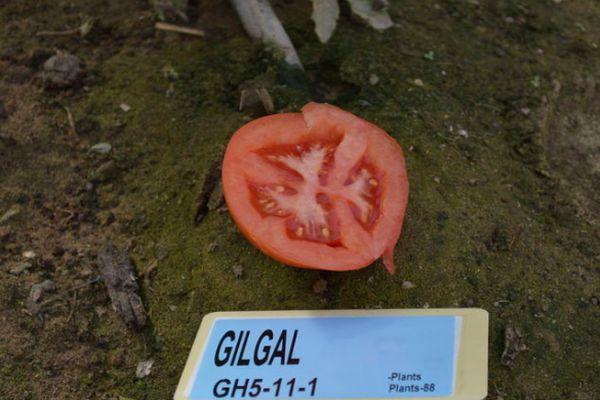
Vegetable growers' reviews attest to the excellent taste of ripe tomatoes. In cooking, the fruits are used for fresh consumption, processing, and canning.
Agricultural technology of cultivation
Seeds for seedlings are sown 60-65 days before the expected planting date. The seeds, treated with an aloe vera juice solution, are sown in containers with potting mix.

Before planting, fertilize the soil, making furrows 5 cm apart and 1 cm deep. Seeds are spaced 1 cm apart. To ensure uniform germination, the seedlings are watered with warm water, and the container is covered with plastic film to create a greenhouse effect.

After sowing, maintain a temperature of 24 to 26°C. Once sprouts appear, reduce the temperature to 18 to 20°C during the day and 15 to 16°C at night. After a week, maintain the temperature at 20 to 22°C.
When one or two true leaves have formed, transplant the plants into individual containers. Water the transplanted plants with warm water and move them to a shaded area for two days. After the first flower stalk appears, reduce the temperature to 18–20°C.
Seedlings can be grown without transplanting, sowing directly into peat pots with substrate. Watering should be reduced 10 days before planting, and the plants should be hardened off by lowering the temperature.

For planting tomatoes, the soil is prepared in the fall. The soil structure can be improved by adding peat, straw, and organic fertilizer. The formed seedlings are transplanted into the ground after the spring frosts have passed.
It is recommended to plant 3-4 bushes per square meter. Planting too densely creates shade, which can promote the development of fungal diseases.
Plant care involves regulating the temperature. The optimal difference between day and night temperatures should be between 6 and 8°C. If biomass growth slows, increase the night temperature.
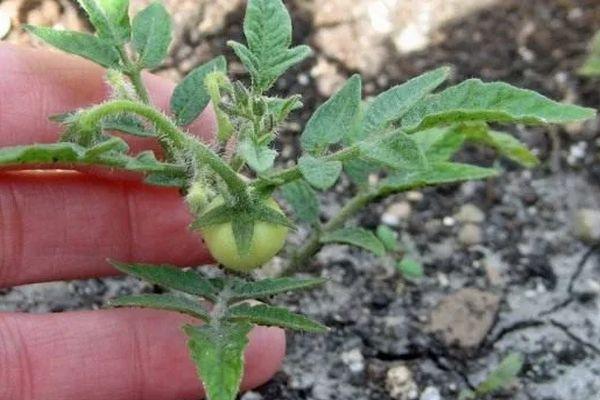
The plant is trained into 1-2 stems, removing all side shoots from the leaf axils. If the top is deformed or damaged, the last side shoot is substituted for the main shoot. When the plants reach a height of 2 m, the growing point is stopped.
Tall bushes require additional nutrition, so complex preparations containing potassium and phosphorus are added to the soil. Plant fertilization is carried out according to the mineral fertilizer manufacturer’s schedule.
The fertilizing system takes into account the soil composition, the crop's development stage, and weather conditions. To prevent blossom-end rot, which occurs due to calcium deficiency, foliar feeding with an aqueous solution of calcium nitrate is recommended.
For normal plant development, a controlled watering regime is necessary. Uniform moisture distribution can be ensured by mulching the soil with non-woven black fiber. Mulch ensures drip irrigation and prevents weed growth.
During the growing season, special attention is paid to hilling the plants and loosening the soil to stimulate the development of the root system.
Related posts:
 The best eggplant varieties for growing in a polycarbonate greenhouse: planting and care
 How to propagate and grow peas, cultivation technology, and care in open ground
 How to properly plant peas in a greenhouse and open ground
 Methods for planting and propagating cherries at home
 Description of varieties of sowing peas and cultivation, to which family they belong
 Descriptions of the 20 best cherry varieties for the Moscow region, their planting and care
 80 Best Eggplant Varieties for Different Regions with Descriptions and Characteristics
 Is it possible to soak treated cucumber seeds before planting and how to do it correctly?
The tomatoes grow to a medium size, and the bush is quite tall, so tying them up is essential. I also recommend using growth bioactivators. I only buy the product. BioGrow.