
The Sakharok tomato was included in the State Register of Breeding Achievements in 2015. Its red fruits are distinguished by their flavor and culinary versatility. This variety is popular among vegetable growers due to its high productivity and ease of care.
Benefits of Tomatoes
The Sakharok tomato is designed for indoor cultivation. It is grown in both private and commercial farms. The variety description indicates a mid-season ripening period. This tall, indeterminate bush reaches a height of 180 cm during the growing season.
The crop requires tying to a support and removing excess shoots. For increased yield, it is recommended to grow the plant in 1-2 stems. The tomato leaves are medium-sized and deep green. The plant forms a single inflorescence.
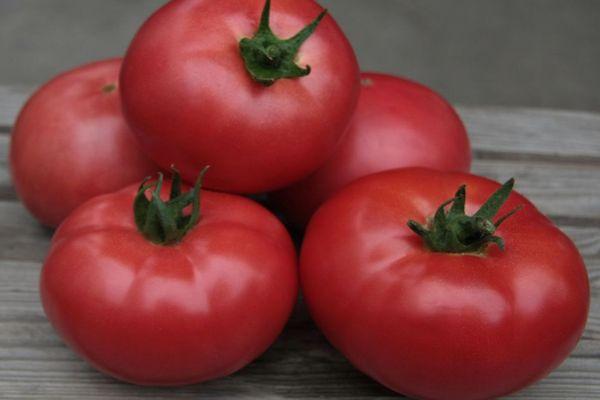
Vegetable growers' reviews indicate the variety's high productivity with adequate irrigation and fertilization. A single bush can yield up to 4 kg of fruit. The tomatoes are round, with noticeable ribbing near the stem.
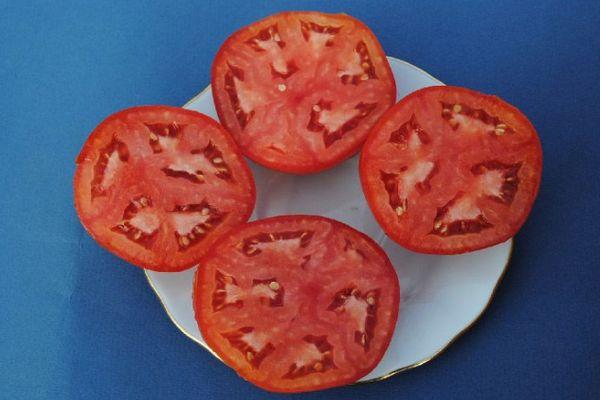
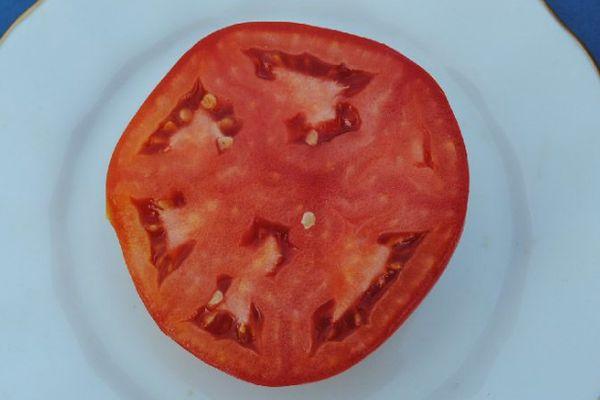
The fruit's flesh is fleshy, medium-dense, and has a sugary texture when cut. The tomatoes are sweet to the taste, and large chambers containing seeds are visible when cut horizontally.
At the technical ripeness stage, tomatoes acquire a deep red color. Fruit weight reaches 130-200 g, and some tomatoes can weigh up to 400 g.
In cooking, the fruits are used fresh, in salads, sauces, and ketchup. When canned, tomatoes retain their shape. The fruits are excellent for pickling.
Tomatoes can be stored for a certain period of time. The Sakharok variety is highly resistant to the tobacco mosaic virus.
A hybrid with a similar name
Tomato Sakharok F1 cherry type belongs to the first generation hybrids, characterized by an early ripening period.
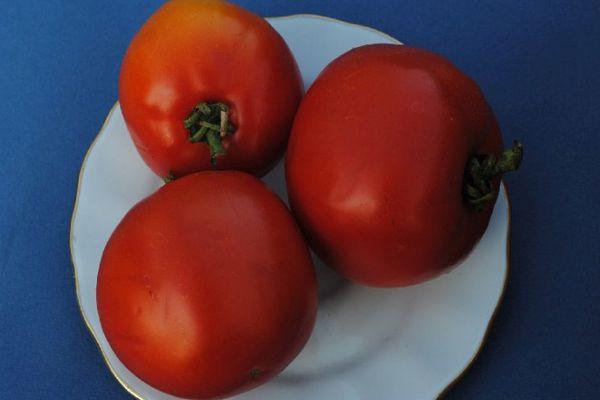
The determinate bush reaches a height of 40-50 cm during the growing season. Characteristics of the tomatoes indicate resistance to cracking. They weigh 25-30 g. The tomatoes are round, with dense skin, a glossy surface, and a sweet taste.

Tomatoes have a rich tomato flavor and contain trace elements and a range of vitamins. They are recommended as part of a healthy diet.
This variety is known for its abundant fruiting. During ripening, the tomato plants have an attractive appearance. The fruits are used fresh, processed, and canned in cooking.
Agricultural technology for tomato cultivation
The Sakharok tomato variety is grown with consideration for its biological properties. Seeds for seedlings are sown 60-65 days before the expected planting date.
To do this, fill the container with a specially prepared soil mixture or a ready-made substrate, which can be purchased at the store. Lightly compact the soil, water generously with warm water, and plant the seeds at a distance from each other.
Add a 1 cm layer of soil on top. You can mulch the seedlings with peat. Use a sieve to distribute the soil evenly. Then cover the container with plastic wrap or glass until the sprouts emerge.
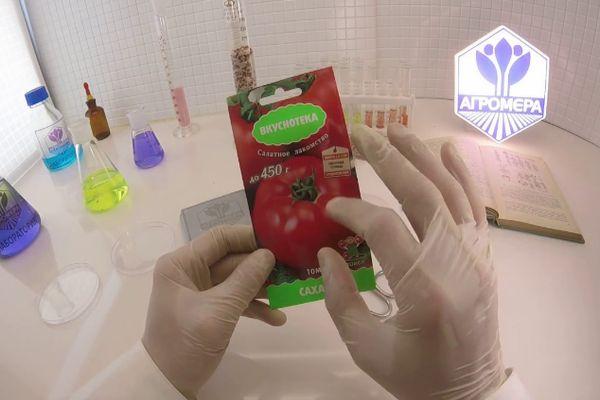
To ensure uniform germination, seeds are treated with an aqueous solution of potassium permanganate and a growth stimulant before planting. Maintaining optimal temperature and humidity is essential for the seedlings.
Normal seedling development requires light. To achieve this, transplant the seedlings to a windowsill, regularly rotating the container toward the sun's rays.
When two true leaves form, the seedlings are pricked out. This stimulates root development. The seedlings are transplanted to their permanent location when the first flower stalk appears.
It is recommended to plant 3 bushes per square meter, or up to 4 plants per stem when shaping them into a single plant. Caring for the plant requires a series of agricultural practices. The plants require maintained soil moisture, so timely watering is essential.
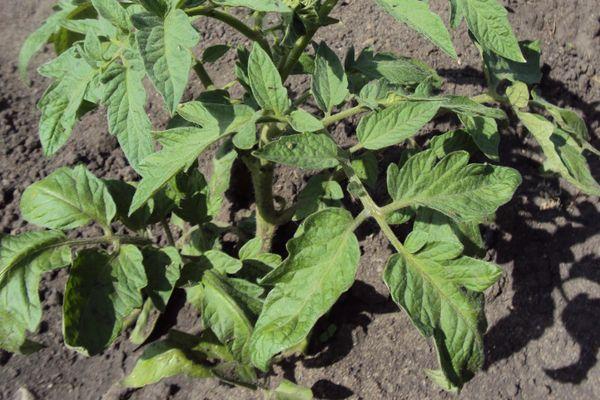
Experienced vegetable growers practice planting tomatoes without subsequent wateringTo achieve this, seedlings are grown in special polyethylene envelopes using a minimal amount of soil.
As a result, a long taproot develops, which develops when planted in a new location and allows the plant to independently find a source of moisture. It is important to follow proper cultivation practices to ensure the plant has time to adapt to the new conditions.
You can prevent water evaporation from the soil surface by mulching. Black non-woven fiber or organic materials (hay, straw, leaves, wood shavings) are used as mulch.

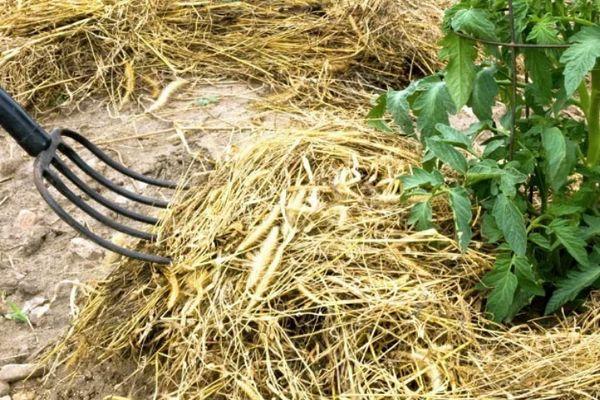
Mulching limits weed growth and allows air to reach the root system. When growing tomatoes indoors, a drip irrigation system is recommended.
This measure increases yields and reduces the risk of fungal diseases. To prevent fungal diseases and biological pests, the bushes and soil are treated with special preparations.
Related posts:
 13 Best Recipes for Preserving Tomatoes in Tomato Paste for the Winter
 TOP 19 step-by-step recipes for preparing tomatoes for the winter
 Description of the best varieties of black tomatoes for open ground and greenhouses
 The best eggplant varieties for growing in a polycarbonate greenhouse: planting and care
 TOP 8 best recipes for preparing celery for the winter at home and storing it
 Description of the best Dutch tomato varieties for greenhouses and open ground
 18 Best Tomato and Mustard Recipes for Winter
 TOP 17 recipes for pickled sweet tomatoes for the winter
It's best to grow this tomato variety in a greenhouse, as it reacts negatively to even minor temperature fluctuations. Also, be sure to use a bioactivator.BioGrow".