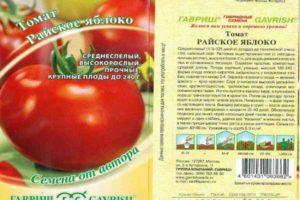
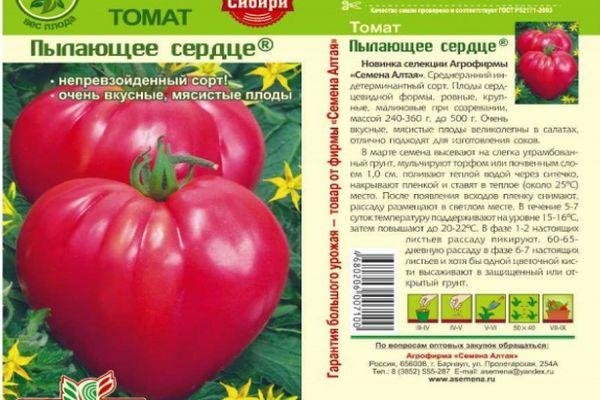
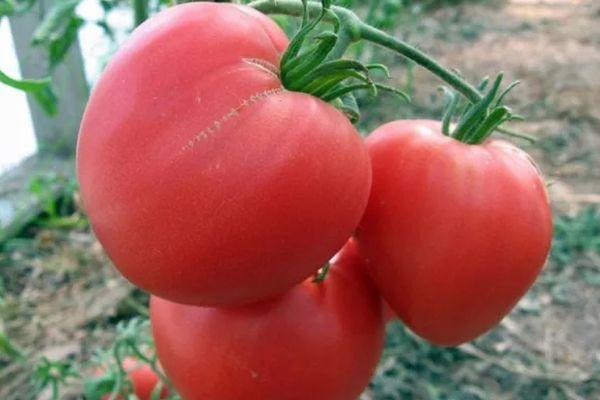
The "Pylayaschee Serdtse" tomato is included in the State Register of Breeding Achievements and is suitable for cultivation under temporary plastic shelters and in open ground. The heart-shaped, raspberry-colored fruits are distinguished by their sweet flavor and fleshy flesh.
Advantages of the variety
Altai breeders have presented gardeners with the pink tomato "Pylayashchee Serdtse," which produces abundant fruit in cold climates. The variety is designed for growing outdoors and under temporary shelters.
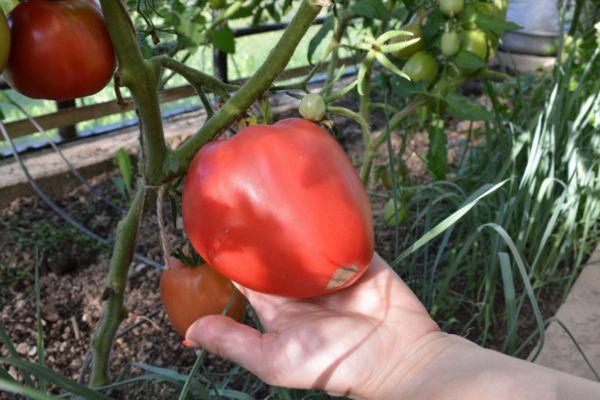
During the growing season, this indeterminate bush reaches a height of 180 cm and requires support. Plants have a medium number of intensely green leaves. The average harvest time from seedling emergence is 100 days.
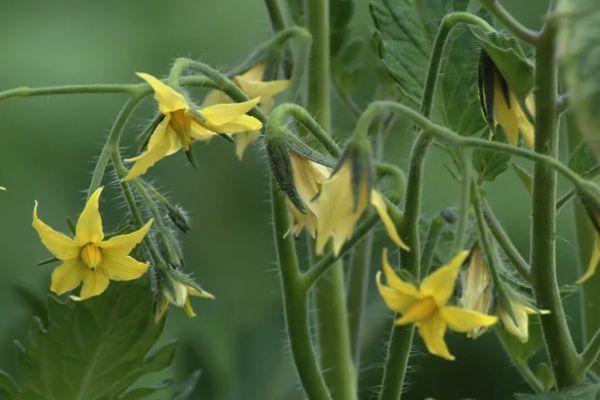
The main stem produces six clusters of simple inflorescences. During the fruiting season, the bush is attractive. Crimson hearts stand out among the foliage.
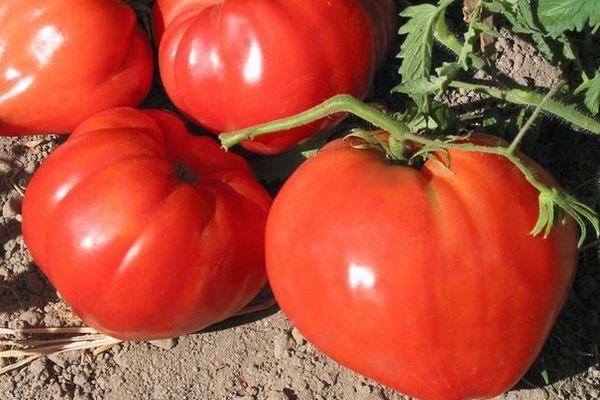
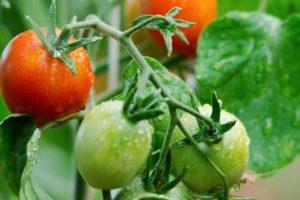
The variety's description focuses on the heart-shaped fruit with a sweet flavor, juicy flesh, and firm skin. There is subtle ribbing near the stalk. The unripe fruit is light green without spots. When ripe, the tomato takes on a crimson hue.
The variety's characteristics indicate high productivity and excellent taste. Tomatoes weigh 195-280 g. Training the bush into two stems allows for fruit weighing 360-500 g.
When cut horizontally, six or more seed chambers are visible. Following proper cultivation practices allows for a yield of 6.4 kg of vegetables per square meter.
In cooking, the Flame Heart tomato is used in salads, juices, and preserves. During the ripening period, the fruits are often used to make a fiery casserole dish, which is delicious and healthy thanks to its lycopene, ascorbic acid, and sugar content.
Reviews from vegetable growers cultivating the "Plamennoe Serdtse" variety indicate resistance to the main diseases of nightshade crops. They also note the fruit's suitability for long-distance transport. The plant is susceptible to septoria and alternaria leaf spot at standard rates.
Take a look Also
Cultivation techniques
Growing tomatoes has its own unique characteristics, so following the recommendations of experienced vegetable growers can ensure a high yield. Seeds from reputable producers can be planted without pre-treatment with growth stimulants.
The material collected from the previous harvest should be tested for germination. To do this, the seeds are placed in a water-salt solution and weak seeds are removed. After being treated with an aloe vera juice solution, they are placed in a container with compacted soil.
A 1 cm layer of peat is added on top. Seedlings are started growing 50-60 days before the expected planting date. When two true leaves have formed, they are transplanted into individual pots.
For normal seedling development, proper heat and light conditions are required. Supplemental lighting is provided using fluorescent lamps, extending daylight hours to 16 hours per day.
During the growing period, the soil moisture is regularly monitored and complex fertilizers are applied according to the manufacturer's recommendations.
Harden off the seedlings 7-10 days before planting them in their permanent location. Prepare the soil for tomatoes in the fall: plow and add compost. In the spring, before planting, apply a mineral fertilizer containing potassium and phosphorus.
Bushes require moderate watering. To evenly distribute moisture around the root system, mulch the soil with straw and leaves. Mulch inhibits weed growth and provides additional organic nutrients for the plants.
It is recommended to pick the fruits from the bush as they ripen, so that the plant can give its energy to the ripening tomatoes.
Related posts:
 Description of the Ox Heart tomato variety, cultivation and care features
 Characteristics and description of the Bull's Heart tomato variety, yield and cultivation
 Description and characteristics of the Bull's Heart cherry variety, planting and care
 Description of the Beauty's Heart tomato and cultivation of the variety
 Which tomato varieties are best for open ground?
 80 Best Eggplant Varieties for Different Regions with Descriptions and Characteristics
 Beginner's Guide to Growing Grapes in Open Ground in Central Russia
 Characteristics and description of the Ashgabat Heart tomato, cultivation features