
The hybrid tomato "Sosulka Krasnaya" (the variety description classifies it as an early-ripening tomato) is suitable for growing in greenhouses and open ground. It boasts excellent flavor, an exotic fruit shape, and is easy to grow.
Advantages of a hybrid
The characteristics and description of the variety contain information about the advantages of the Sosulka tomato. This early-ripening hybrid boasts high yields. The fruits have a long shelf life, are easy to transport, and have an attractive presentation.
The variety is resistant to nightshade diseases and pests. In cooking, the tomatoes are used for salads, canning, and drying.
The characteristics and description of the variety indicate the possibility of growing the crop in open ground conditions and greenhouses. Description:
- During the growing season, the plant forms a rapidly growing bush 2 m high.
- At the level of 5-6 leaves, an inflorescence appears.
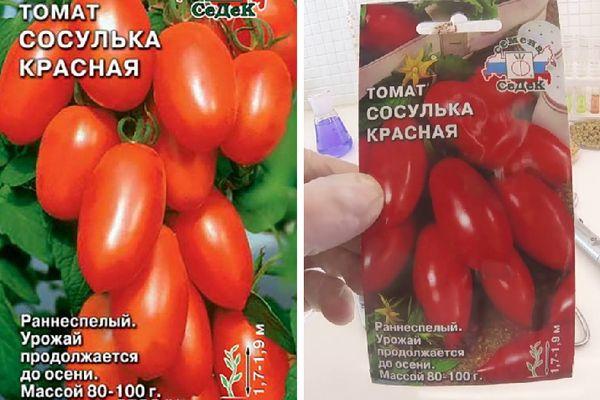
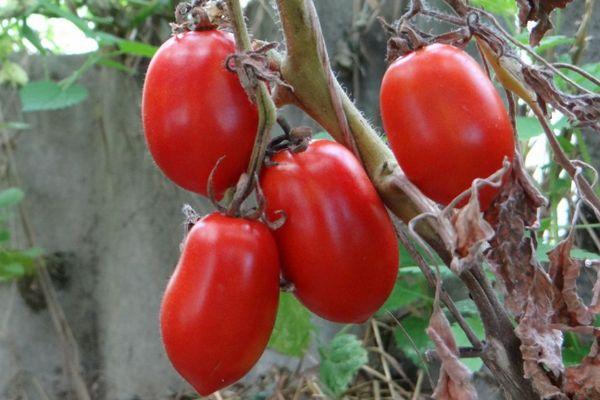
- Up to 6 clusters are formed on the bush, each of which produces 8-9 elongated fruits with a pointed tip.
- The tomato pulp is dense, sweet in taste, and weighs 90–120 g.
Agrotechnical conditions for cultivation
The variety's tolerance to low temperatures makes it suitable for growing in any region. Seeds for seedlings are sown in the third ten days of March. For this, prepare containers with soil and place them in a warm location.
To ensure simultaneous germination, seeds are soaked in a potassium permanganate solution before sowing. Sow at a depth of 1–1.5 cm. To evenly distribute the soil over the seeds, apply it through a sieve.
Moisten the soil with a sprayer. After two full leaves have formed, transplant the plants and apply a complete fertilizer according to the manufacturer's instructions.
Transplanting seedlings to their permanent location occurs after the frost period ends. Maintain a large distance between the plants to ensure adequate care.
During the cultivation process, hilling, periodic loosening of the soil around the plant, timely watering and application of fertilizers are carried out.
The hybrid is resistant to insect pests, but is occasionally damaged by aphids. Improper cultivation practices can lead to late blight.
Tomato leaves and stems can be affected by white spot in conditions of high humidity and high temperatures. This disease reduces crop yield. Prevention and treatment are carried out by mechanically removing damaged leaves and treating them with special preparations.
To combat late blight, which rarely appears on the hybrid, fungicides are used. Aphids are removed by spraying with pesticides.
Recommendations and opinions of vegetable growers
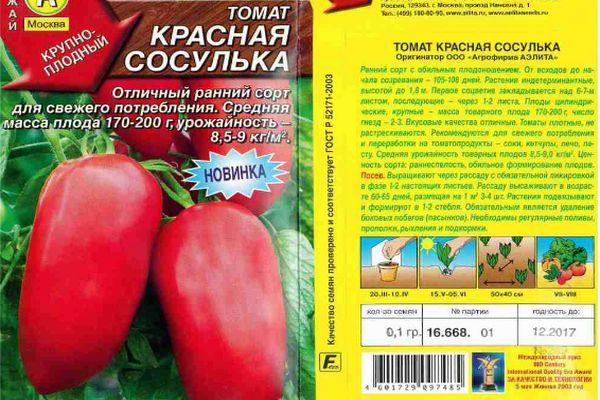
Gardeners who grow the Red Sosulka tomato note the unusual flavor and aroma of the fruit, as well as the high yield per plant. Ensuring abundant fruiting requires little effort. Reviews from amateur gardeners point to the variety's popularity and the ability to grow the hybrid with virtually no effort.
Elena Bogatyreva, 39 years old, Krasnodar:
"I planted the 'Soculka' tomato last season at my garden plot. I grew the seedlings myself, sowing them in a flowerpot in early March. I transplanted the sturdy bushes into the ground and applied a complex fertilizer. The harvest was a pleasant surprise; the ripe clusters of fruit looked stunning among the foliage. The flavor is excellent, and the long shelf life adds value to this variety."
Valery Tretyakov, 45 years old, Voronezh:
"I planted the Red Sosulka hybrid last year. The tomato selection was based on its transportability and long-term storage. I was pleasantly surprised by the results. The uniquely shaped fruits not only retain their flavor well but are also versatile."
Related posts:
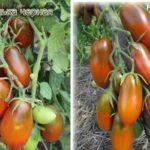 Description of the exotic tomato Black Icicle and growing it using seedlings
 Description and yield of the Pink Sosulka tomato with reviews
 80 Best Eggplant Varieties for Different Regions with Descriptions and Characteristics
 Description of the best varieties of black tomatoes for open ground and greenhouses
 The best eggplant varieties for growing in a polycarbonate greenhouse: planting and care
 The best grape varieties for growing in the Urals, planting and care rules in summer
 Description and characteristics of the best seeds of pea varieties and types
 Description of the Velika grape variety, cultivation and care tips
Take a look Also

The fruits are quite small, but very tasty. I've been growing this tomato variety for several years now, and I've never had any problems. I use a growth promoter called BioGrow, works great.