
The Skif tomato is an easy-to-grow hybrid variety. Scientists have developed this tomato variety with characteristics that allow it to be grown in the northern, central, and southern regions of the country. And gardeners always enjoy a consistently high yield.
What is the Skif tomato?
The Skif f1 tomato is a first-generation hybrid. It was developed in the Netherlands for growing in greenhouses or open ground. The Skif variety is most often planted in open garden plots in the south of the country, where all the conditions for a high-quality harvest are present.
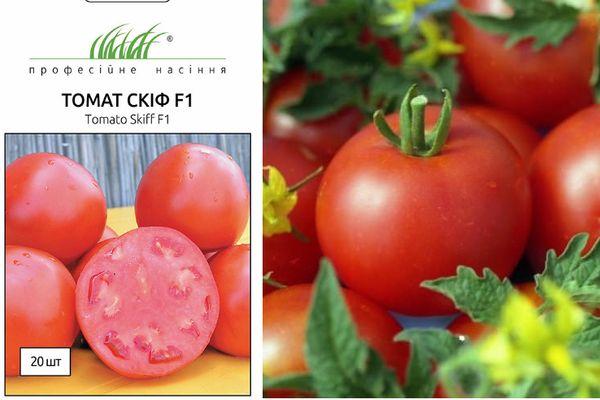
Characteristics and description of the variety:
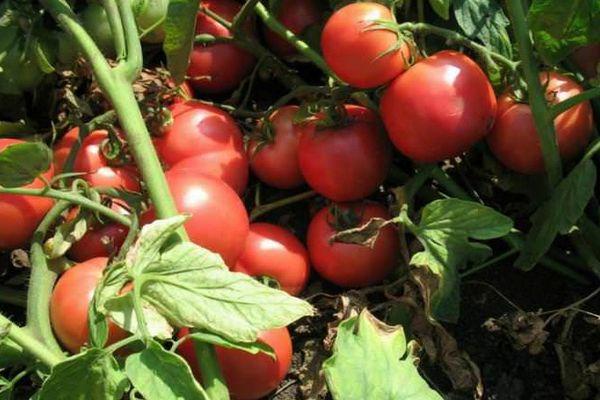
- The height of the bush varies between 1.5 and 1.7 m, indicating that the plants are tall and indeterminate.
- The inflorescence is formed under the fifth leaf, and then alternates - through one or two leaves.
- The trunk should be formed into 2 stems, which will allow you to obtain a greater number of fruits during the fruiting period.
- Mature bushes must be tied to trellises or supports to prevent the stems from breaking.
- It is necessary to remove lateral shoots, otherwise fruiting will be low.
- The Skif tomato variety produces its first harvest 3-3.5 months after seedling emergence. This makes it an early-ripening variety.
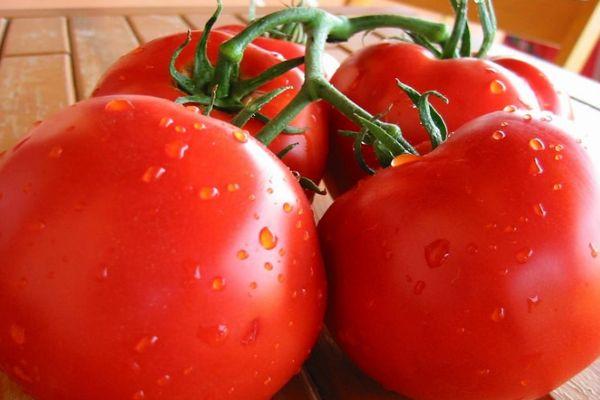
Gardeners who have been growing this variety for many years note that the tomatoes have a high immunity to diseases that affect nightshade crops. In particular, the bushes are resistant to diseases such as tobacco mosaic virus, root-knot nematodes, verticillium wilt, and fusarium.
With proper care and fertilization, the Skif variety will yield up to 40 kg of tomatoes from a 1 m² plot. In such a plot, it's recommended to plant no more than 8-9 bushes, each capable of yielding almost 6 kg of fruit.
Description and characteristics of the fruit. The Skif hybrid tomato variety not only boasts excellent technical characteristics and parameters, but also receives positive reviews for its taste and shape.

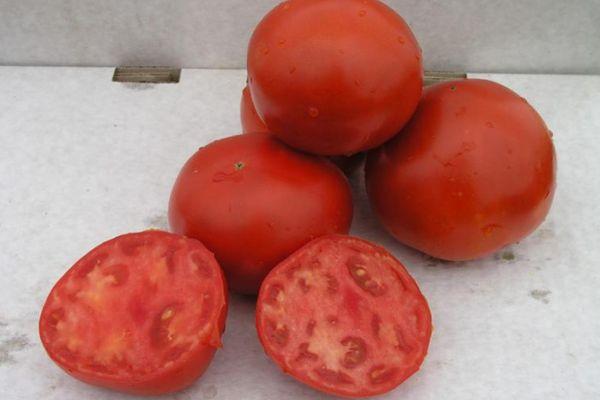
The following characteristics can be noted in the description of the hybrid tomato variety Skif f1:
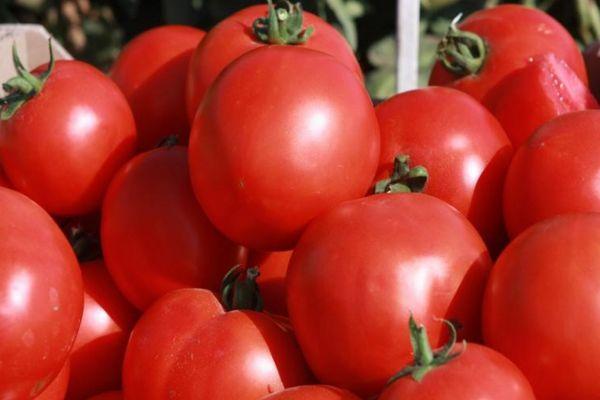
- Oval-shaped tomatoes, some with pointed tips, form on the topmost clusters of the bush.
- Skif tomatoes are distinguished by their dense structure and skin, which does not crack during transportation and storage.
- The core inside is red, and in unripe fruits the flesh is light green in color.
- The pulp is very juicy and fleshy.
- The weight of each fruit varies from 155 to 250 g.
- The tomatoes taste sweet.
Reviews from those who have planted this variety are positive. Tomatoes are grown commercially and for personal use. Harvested on time, the fruits should be placed in boxes, where they can be stored for a long period. The fruits withstand travel and the rigors of transportation well. Gardeners use the tomatoes for canning, pickling, making fresh salads, tomato juice, paste, and sauces. Every homemaker who has grown Skif tomatoes notes their excellent taste.
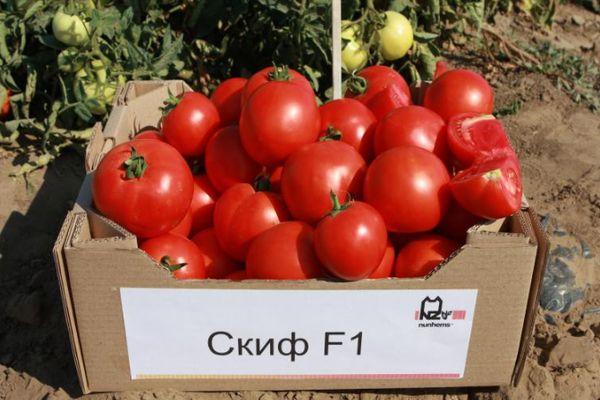
How to grow tomatoes?
Sowing seeds and caring for the sprouts is a crucial step in achieving a high-quality harvest. After purchasing seeds, it's important to determine their quality. Prepare a salt solution in which to soak the seeds. Those that fall to the bottom of the jar are ready to be planted in pots filled with soil.
Sow the seeds in mid-March. First, place pebbles or stones in the bottom of each container, then add soil on top and water. Make furrows 1.5-2 cm deep in the moist soil. Cover the seed furrows with soil, then cover the pots with plastic wrap and place them in a dark place.
As soon as the first sprouts appear, the seedlings are transplanted into individual pots. Peat should be added to the pots, and the sprouts should be transferred there. If peat pots are used, the seedlings can be transplanted into the open ground in this form.
Take a look Also

Seedlings are planted in a greenhouse or open field in late May or early June. The soil is prepared in the fall, after the harvest has been completed. The soil should be tilled and watered with a weak solution of potassium permanganate. The soil is tilled again in the spring, after which organic or mineral fertilizers are added. Manure or compost are excellent fertilizers.
On a 1 m² plot, make holes up to 30 cm in diameter. The distance between the holes should be 50 cm. After planting the bushes, compact the soil around the stems and water with warm water. As long as there's a risk of frost, cover the bushes with a warm material at night. This will not only protect the bushes from disease but also lay the foundation for a future harvest.
Related posts:
 Description of the best varieties of black tomatoes for open ground and greenhouses
 Description of the best Dutch tomato varieties for greenhouses and open ground
 Description of the winter garlic variety Skif, planting and cultivation
 Step-by-step technology for growing tomatoes on the balcony, the best varieties with descriptions
 TOP 17 recipes for pickled sweet tomatoes for the winter
 How to grow cherry tomatoes on a balcony: suitable varieties and planting and care guidelines
 The 14 Best Tomato and Aspirin Recipes for a 3-liter Jar for the Winter
 Recipes for amazing tomatoes in jelly for the winter, with and without sterilization, you'll lick your fingers