
The Sultan f1 tomato is a first-generation hybrid. This variety is characterized by early ripening, high productivity, large fruits, and versatile culinary use. The plant is also disease-resistant.
Advantages of a hybrid
The Sultan variety was bred by Dutch agrobiologists. It was included in the Register of Breeding Achievements in 2000. The hybrid is recommended for cultivation in the central and southern regions.
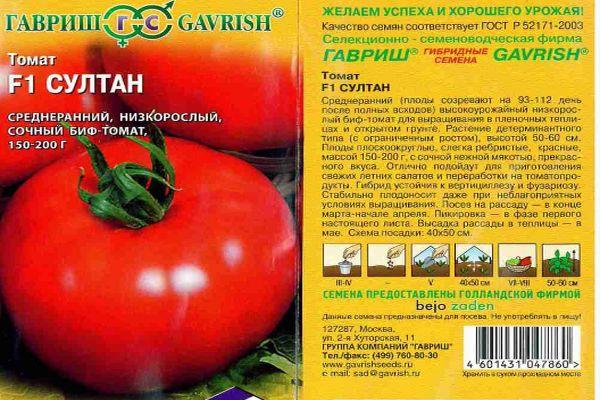
The variety's characteristics and description indicate that it can be grown both outdoors and indoors. The super-early Sultan f1 tomato variety begins bearing fruit 95-110 days after germination.
A determinate plant, it reaches a height of 50-60 cm during the growing season. The leaves are medium-sized, regular, and intensely green. The plant produces simple inflorescences. No shoot shaping or pruning is required during cultivation.
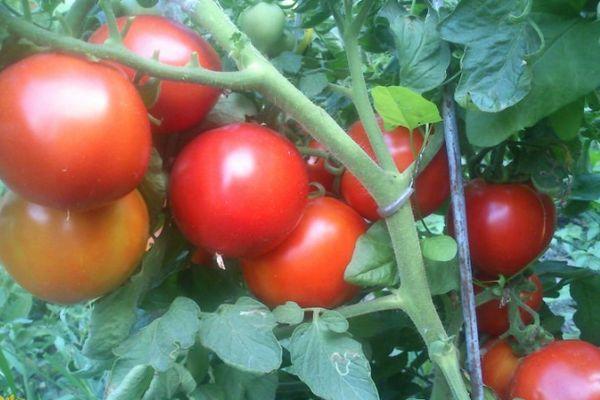
The clusters produce 5-7 ovaries, which gradually ripen into fruit. The final ovaries may form until the end of the growing season. Fruit weight reaches 150-200 g.
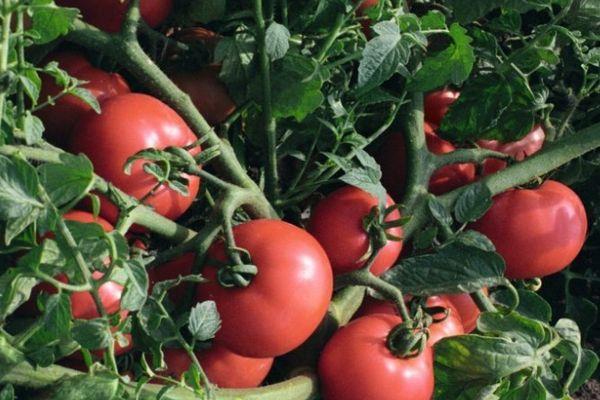
The hybrid's description indicates a high yield per bush (up to 4.5 kg). With proper cultivation practices, the yield is 15 kg per square meter.
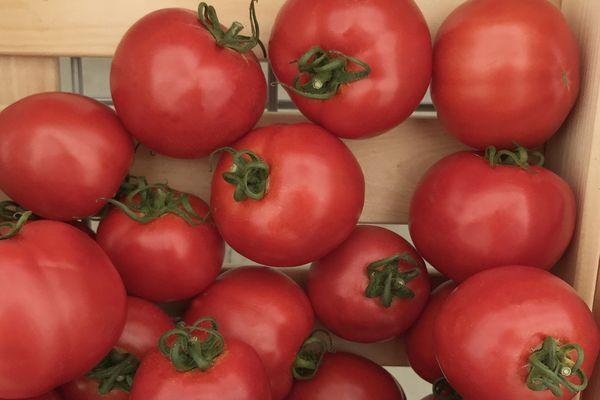
Medium-sized tomatoes, flat and round in shape, with slight ribbing near the stem. At maturity, they are light green, turning red as they ripen.
The fruits have fleshy, dense flesh. When cut horizontally, small chambers containing seeds are visible. The tomatoes have a sweetish flavor with a slight tartness. They contain a large amount of amino acids and vitamins, up to 5% dry matter, and approximately 2.8% sugars.
In cooking, tomatoes are used fresh in salads, processed into sauces, juice, and paste. The fruits retain their shape when cooked.
Harvested tomatoes can be stored for a long time. They also withstand long-distance transportation well.
Agricultural technology for tomato cultivation
Sow the seeds for seedlings 55-60 days before planting them in their permanent location. For planting, carefully prepare a soil mixture containing turf soil and compost. The soil is poured into containers, lightly compacted, and furrowed 1 cm deep.
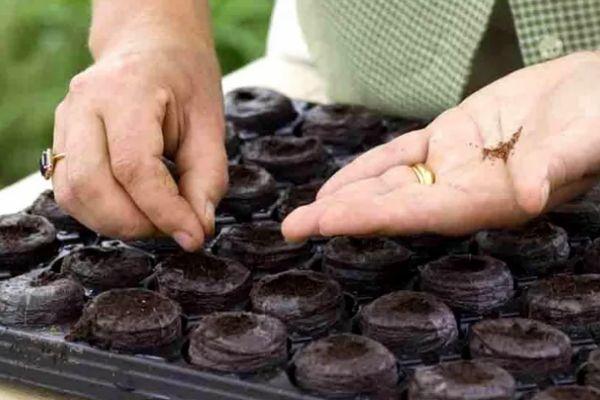
Seeds from reputable brands typically contain a special coating that contains the nutrients necessary for seedling development. Therefore, the seeds are placed without any pre-treatment.
After sowing, water the seeds with warm water using a sprinkler, and cover the container with plastic or glass to create a greenhouse effect. Once the seeds have sprouted, remove the covering and move the container to a well-lit area. If light levels are insufficient, use fluorescent lamps to extend the daylight hours.
For normal seedling development, it's important to ensure proper temperature control, timely watering, and fertilizing with complex fertilizers. When the seedlings have developed two true leaves, they are pricked out. Peat pots filled with substrate are used for this purpose.
Plants are transplanted to their permanent locations in these containers without damaging their root system. This allows the seedlings to easily establish themselves and adapt to the new conditions. Up to six plants are planted per square meter, spaced 50 cm apart.
When growing, the hybrid's characteristics are taken into account. The variety is characterized by a long fruiting period. This characteristic is taken into account when applying fertilizer.
To increase productivity, mineral fertilizers should be applied according to the manufacturer's schedule. Each mineral component has a specific effect on the crop.
For example, phosphorus promotes root development, while nitrogen is responsible for the formation of green mass. Therefore, when determining the composition of fertilizer components, the soil type and the plant's stage of development are taken into account.
Caring for the crop involves timely and moderate watering. For this purpose, warm water is applied to the roots. Mulch can be used to evenly distribute the moisture, provide drip irrigation, and prevent weed growth.

Non-woven fiber, straw, leaves, and wood shavings are used as mulching materials. Although the hybrid is resistant to the main diseases of nightshade crops, plant protection measures are taken for preventative purposes.
Opinions and recommendations of vegetable growers
Gardeners' reviews attest to the variety's undemanding growing conditions and disease resistance. Those who have planted the Sultan hybrid note that the compact size of the bushes allows for economical use of planting space.
Elena Prokhorova, 53, Voronezh: "I've been growing the Sultan hybrid for many years. The low-growing plants produce a bountiful harvest throughout the season, almost until the first frost. The tomatoes are rich in flavor, perfect for pickling, and retain their shape completely when canned thanks to their thick skin."
Olesya Krupina, Bryansk: "This hybrid has excellent characteristics and is highly resistant to weather conditions and diseases. My neighbor and I grow only this one. Other varieties are more troublesome."
Related posts:
 Description of the best Dutch tomato varieties for greenhouses and open ground
 The best eggplant varieties for growing in a polycarbonate greenhouse: planting and care
 TOP 30 best varieties of cold-resistant cucumbers with descriptions and characteristics
 Description of the best tomato varieties for greenhouses in the Kirov region
 Description and characteristics of the 30 best hazelnut varieties, cultivation
 50 Best Carrot Varieties with Descriptions and Characteristics
 Description and characteristics of the most productive varieties and hybrids of corn
 TOP 40 best late-season cucumber varieties for open ground with descriptions